

By The Hazli Family — Peter & Louise · Reviewed June 2026
Quick answer: A Tempurpedic bed is a premium mattress built from NASA-developed viscoelastic memory foam that softens with body heat and molds to your shape, relieving pressure points and keeping the spine aligned. Standard models weigh 80–115 pounds, so for camping, portable 4–8 pound memory foam mattresses deliver similar comfort outdoors.
Most people assume all memory foam mattresses deliver the same comfort, but Tempurpedic beds stand apart thanks to NASA-engineered viscoelastic foam technology. Tempurpedic foam was developed with NASA technology in the 1970s to cushion pilots during intense pressure changes. This unique material molds to your body, offering pressure relief and support that transforms sleep quality both indoors and during camping trips. Understanding how this technology works helps outdoor enthusiasts make smarter choices about camping mattresses.
Table of Contents
- What Is A Tempurpedic Bed?
- How Tempurpedic Foam Works To Improve Sleep
- Common Misconceptions About Tempurpedic Beds
- Comparing Tempurpedic Beds To Traditional Camping Mattresses
- Adapting Tempurpedic Technology For Outdoor Use
- Practical Tips For Choosing A Tempurpedic-Style Mattress For Camping
- Conclusion And Next Steps For Better Outdoor Sleep
- Enhance Your Camping Sleep With Quality Memory Foam Mattresses
Key takeaways
| Point | Details |
|---|---|
| NASA origins | Tempurpedic uses viscoelastic polyurethane foam originally developed by NASA in the 1970s for pilot safety. |
| Body-adaptive technology | The foam responds to body heat and pressure within seconds, molding precisely to your unique shape. |
| Superior pressure relief | Offers significantly better spinal alignment and pressure distribution than standard camping mattresses. |
| Weight considerations | Standard Tempurpedic beds weigh 80-115 pounds, making them impractical for most camping scenarios. |
| Portable alternatives | Newer portable memory foam mattresses weigh just 4-8 pounds while delivering similar comfort benefits for outdoor use. |
What is a Tempurpedic bed?
Tempurpedic beds represent the premium tier of memory foam sleep technology. NASA scientists created viscoelastic polyurethane foam in the 1970s to protect pilots from extreme gravitational forces during takeoff and landing. Tempur-Pedic transformed this aerospace innovation into consumer mattresses, creating proprietary foam formulas that respond to body heat and weight.
The construction involves multiple layers of specialized foam, each serving distinct purposes:
- A soft top layer cradles your body for immediate comfort
- A firm support layer maintains spinal alignment throughout the night
- A dense base layer provides structural integrity and extends mattress lifespan
- Advanced models include cooling gel layers to regulate temperature
Unlike generic memory foam mattresses for camping, authentic Tempurpedic beds undergo rigorous quality testing to ensure consistent performance. The material’s open-cell structure allows air circulation while maintaining shape memory properties. This engineering creates a sleep surface that distributes weight evenly, eliminating pressure points that cause tossing and turning.
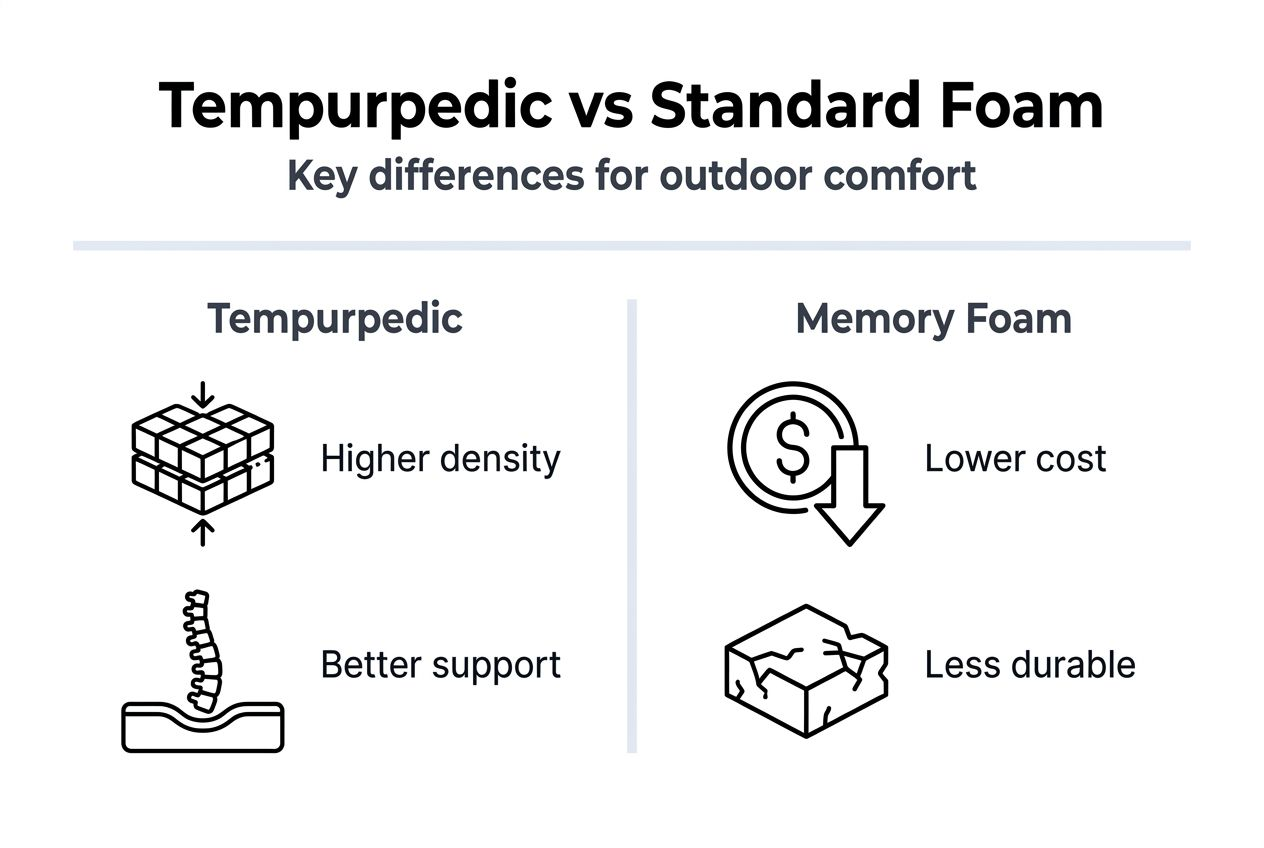
The distinction between Tempurpedic and standard memory foam lies in density, responsiveness, and durability. Tempurpedic foam contains millions of viscoelastic cells that compress under heat and pressure, then slowly return to original form when pressure releases. This slow recovery rate, typically 3-5 seconds, prevents the bouncy feeling associated with traditional mattresses.
How Tempurpedic foam works to improve sleep
The science behind Tempurpedic’s comfort starts with thermosensitive viscoelastic properties. When you lie down, Tempurpedic foam distributes body weight evenly to reduce pressure points and maintains natural spinal curves. Your body heat triggers the foam to soften and conform within 1-2 seconds, creating a custom cradle.
This conforming action delivers multiple sleep benefits:
- Eliminates pressure concentration on hips, shoulders, and lower back
- Keeps spine aligned whether you sleep on your side, back, or stomach
- Reduces motion transfer when a sleeping partner moves
- Minimizes blood flow restriction that causes numbness and tingling
The foam’s density determines how deeply it contours. Higher density foams provide firmer support while still molding to body shape. Lower density foams offer softer conforming but may compress excessively over time. Tempurpedic balances these factors through layered construction, placing softer foam where you need pressure relief and firmer foam where you need structural support.
Temperature regulation plays a crucial role in sleep quality. Original memory foam retained significant body heat, making sleepers uncomfortably warm. Modern Tempurpedic models incorporate phase-change materials and gel infusions that actively pull heat away from your body. These cooling technologies maintain a comfortable sleep temperature throughout the night.
Pro Tip: When using memory foam mattresses for camping, pair them with insulated sleeping pads to add ground insulation while preserving the foam’s conforming benefits.
Common misconceptions about Tempurpedic beds
Several myths persist about Tempurpedic mattresses that mislead consumers, especially outdoor enthusiasts evaluating camping sleep options. The biggest misconception assumes all memory foam delivers identical performance. In reality, foam density, cell structure, and manufacturing quality create massive differences in comfort and longevity.
Heat retention concerns dominated early memory foam reviews. However, modern Tempurpedic models have cooling technologies that reduce heat retention by 20% compared to first-generation products. Gel-infused foams, breathable covers, and ventilated designs now keep sleepers comfortable in various temperature conditions.
Common false beliefs include:
- Memory foam mattresses sink excessively and trap sleepers
- All foam products off-gas toxic chemicals indefinitely
- Tempurpedic beds require special foundations or bases
- Memory foam loses support quickly and needs frequent replacement
- Foam mattresses work poorly in cold outdoor environments
Another widespread misunderstanding suggests Tempurpedic beds suit camping well. Standard models weigh 80-115 pounds and measure 10-14 inches thick, making transport impractical for most outdoor trips. The confusion arises because portable memory foam camping mattresses exist, but these differ significantly from full Tempurpedic beds in construction and materials.
The outdoor suitability myth stems from conflating memory foam technology with specific product designs. While Tempurpedic pioneered premium memory foam for home use, camping-specific manufacturers adapted the core technology into lightweight, packable formats. Understanding the coolest memory foam options for camping helps clarify which products actually work for outdoor adventures.
Comparing Tempurpedic beds to traditional camping mattresses
The performance gap between Tempurpedic beds and standard camping sleep systems reveals important trade-offs for outdoor enthusiasts. Weight represents the most obvious difference. A queen Tempurpedic mattress weighs approximately 100 pounds, while quality portable memory foam camping mattresses weigh 4-8 pounds. This 12-fold weight difference makes standard Tempurpedic beds nonviable for backpacking or car camping.
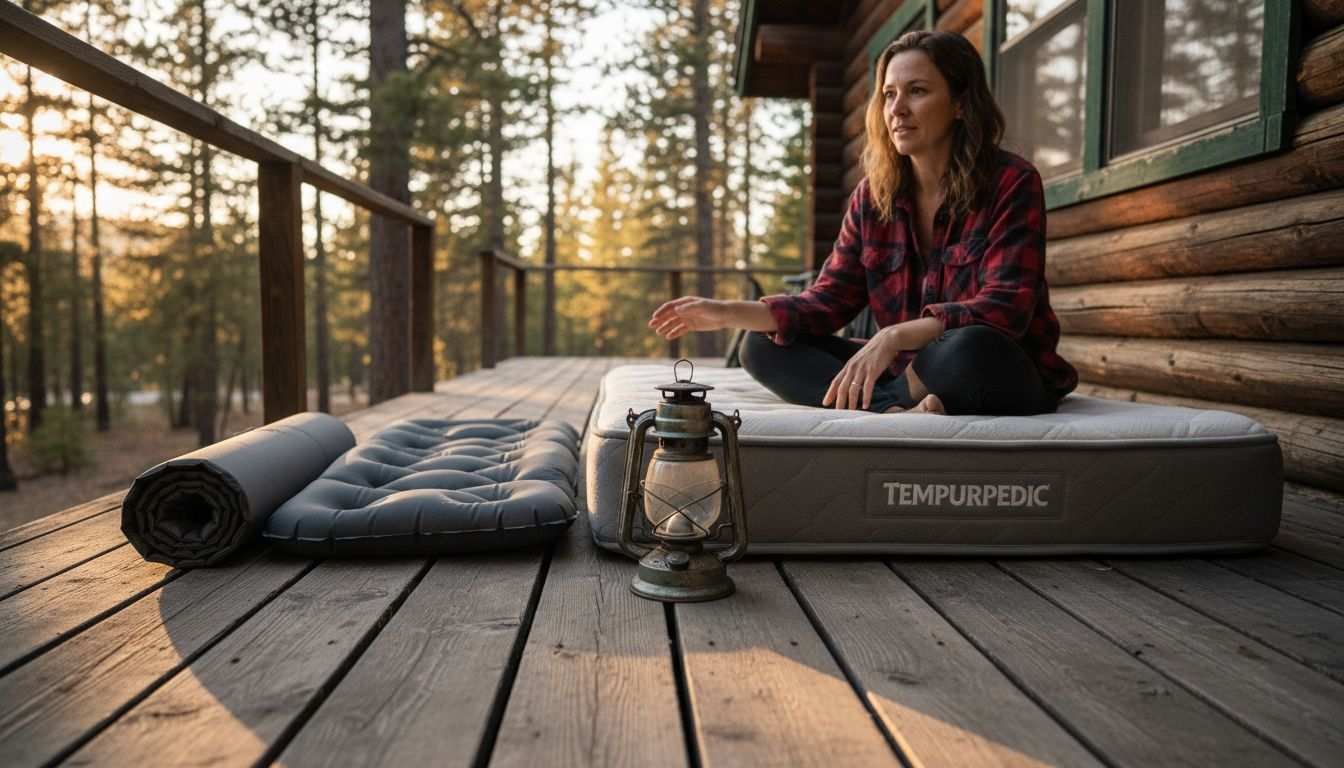
Comfort and support metrics tell a different story. Tempurpedic offers 25% better spinal alignment than traditional foam camping pads. Standard camping mattresses use basic polyurethane foam or inflatable air chambers that lack the conforming properties of viscoelastic memory foam. This results in pressure points, poor weight distribution, and frequent nighttime position changes.
| Feature | Tempurpedic Bed | Portable Memory Foam | Standard Camping Pad |
|---|---|---|---|
| Weight | 80-115 lbs | 4-8 lbs | 1-3 lbs |
| Pressure Relief | Excellent | Good | Poor |
| Spinal Support | Superior | Very Good | Minimal |
| Portability | None | Moderate | Excellent |
| Durability (years) | 8-10 | 3-5 | 2-4 |
| Temperature Control | Good (modern) | Variable | Poor |
Durability patterns differ based on use environment. Tempurpedic beds excel in climate-controlled homes with consistent temperatures. Portable memory foam camping mattresses face moisture, temperature extremes, and ground abrasion that accelerate wear. However, camping-specific models incorporate weather-resistant covers and denser foam formulations to withstand outdoor conditions.
The comparison between memory foam and air mattresses highlights another dimension. Air mattresses pack smaller and weigh less but puncture easily and lose firmness overnight. Memory foam maintains consistent support but adds weight to your pack. Many experienced campers choose based on trip type, selecting ultralight options for backpacking and heavier memory foam for car camping comfort.
Cost considerations also factor into decisions. Quality Tempurpedic beds cost $1,500-$5,000, while portable memory foam camping mattresses range from $80-$300. Choosing between memory foam and air mattresses depends on your budget and how often you camp.
Adapting Tempurpedic technology for outdoor use
Innovative manufacturers have successfully translated Tempurpedic’s core technology into camping-appropriate formats. New portable memory foam camping mattresses weigh 4-8 pounds while delivering pressure relief similar to home mattresses. These adaptations involve engineering compromises that balance comfort against packability.
Key design modifications include:
- Reducing foam thickness from 10-14 inches to 2-4 inches
- Using open-cell foam structures that compress into smaller volumes
- Adding removable, washable covers resistant to moisture and dirt
- Incorporating roll-and-strap compression systems for easy transport
- Blending memory foam with supportive base layers for ground insulation
The insulation factor matters significantly for outdoor sleep quality. Ground cold transfers through thin mattresses, making you uncomfortable even with quality sleeping bags. Smart campers combine portable memory foam mattresses with closed-cell foam pads underneath. This layering provides both the conforming comfort of memory foam and the thermal barrier needed for cold-ground camping.
Weather resistance presents another adaptation challenge. Home Tempurpedic beds never face rain, dew, or dirt. Camping versions require waterproof bottom layers, breathable top fabrics, and quick-drying foam formulations. Some models feature removable covers that you can wash after muddy trips, extending the mattress’s usable life.
Pro Tip: When backpacking, choose mattresses with integrated compression sacks rated for the foam’s density to achieve maximum space savings without damaging the material.
Durability engineering differs for outdoor applications. Understanding why memory foam works for camping requires recognizing that camping mattresses undergo more stress than home beds. Manufacturers increase foam density in high-wear areas and reinforce seams to prevent premature failure from repeated compression cycles and outdoor abrasion.
Practical tips for choosing a Tempurpedic-style mattress for camping
Selecting the right memory foam camping mattress requires matching product features to your specific outdoor needs. Choosing mattresses with cooling gel layers and durable covers significantly improves comfort during multi-day trips. Follow these prioritized steps:
- Assess your camping style to determine acceptable weight limits; backpackers need sub-3-pound options while car campers can handle 6-8 pounds comfortably.
- Evaluate temperature regulation features including gel-infused foam, ventilated designs, and moisture-wicking cover fabrics for hot weather camping.
- Check foam density ratings, with 3-5 pounds per cubic foot offering the best balance between comfort and packability for most campers.
- Verify weather protection through waterproof bottom layers and quick-drying materials that resist mold and mildew.
- Test compression and expansion times, ensuring the mattress fully expands within 10-15 minutes and compresses easily for morning packing.
- Consider thickness trade-offs, remembering that 2-inch mattresses pack smaller but 3-4 inch versions provide better pressure relief for side sleepers.
- Review warranty coverage and return policies, as trying mattresses at home before camping trips prevents field disappointments.
Combining memory foam mattresses with appropriate sleeping pads creates layered systems optimizing both comfort and insulation. Place a closed-cell foam pad underneath your memory foam mattress to block ground cold and add puncture protection. This combination works especially well for winter camping or sleeping on rocky terrain.
Maintenance considerations affect long-term value. Memory foam camping mattresses require different care than home beds. Air them completely after each trip to prevent moisture accumulation. Store them uncompressed in cool, dry locations to preserve foam structure. Avoid leaving them in hot vehicles, as extreme temperatures degrade foam properties over time.
Understanding the benefits of memory foam for camping helps you recognize quality products. Look for certifications indicating low VOC emissions, especially important in confined tent spaces. Read user reviews focusing on durability after 20-30 nights of use, as initial comfort often differs from long-term performance.
Conclusion and next steps for better outdoor sleep
Tempurpedic memory foam technology revolutionized home sleep comfort through NASA-engineered viscoelastic materials that conform to your body. This same innovation now enhances outdoor adventures through portable memory foam camping mattresses designed specifically for wilderness conditions. The key insight recognizes that not all memory foam delivers equal performance.
Brand reputation, foam density, and construction quality separate premium products from cheap imitations. Tempurpedic beds remain the gold standard for home use but weigh too much for practical camping. Portable alternatives inspired by Tempurpedic technology bridge this gap, offering 70-80% of the comfort at 5-10% of the weight.
Smart mattress selection considers your camping frequency, typical trip duration, and personal comfort priorities. Side sleepers benefit most from thicker memory foam providing enhanced pressure relief. Back and stomach sleepers often perform well with thinner, lighter options. Testing products before committing to extended trips prevents expensive mistakes.
“The difference between sleeping on quality memory foam and standard camping pads feels like upgrading from economy to first class. Your body recovers faster, you wake refreshed, and outdoor adventures become more enjoyable when you’re not exhausted from poor sleep.”
Applying these principles transforms your camping experience. Invest in quality sleep gear appropriate for your needs, maintain it properly, and enjoy the outdoor comfort that modern memory foam technology delivers.
Enhance your camping sleep with quality memory foam mattresses
Ready to experience Tempurpedic-quality comfort on your next outdoor adventure? Hazli Collection specializes in premium memory foam camping mattresses engineered specifically for outdoor enthusiasts who refuse to sacrifice sleep quality in the wilderness. Their curated selection balances lightweight portability with genuine pressure relief and spinal support.

Each mattress features cooling gel layers that regulate temperature during warm nights and durable, weather-resistant covers designed to withstand outdoor conditions. Combine these mattresses with their insulated sleeping pads for optimal comfort across all seasons. Whether you’re car camping with family or backpacking remote trails, Hazli Collection offers solutions matching your specific needs. Visit their site today to explore products that bring home-level comfort to your camping adventures.
FAQ
Are Tempurpedic beds suitable for backpacking trips?
Standard Tempurpedic beds weigh 80-115 pounds and measure over 10 inches thick, making them completely impractical for backpacking. However, portable memory foam mattresses inspired by Tempurpedic technology weigh just 4-8 pounds and compress into backpack-friendly sizes. These camping-specific models deliver similar pressure relief and comfort benefits while meeting weight requirements for multi-day treks.
Do Tempurpedic mattresses overheat during sleep?
Early memory foam models retained significant body heat, creating uncomfortable sleeping conditions. Modern Tempurpedic beds incorporate advanced cooling technologies including gel-infused foams and phase-change materials. These innovations reduce heat retention by approximately 20% compared to original designs. Users report comfortable temperature regulation throughout the night. Camping-specific memory foam mattresses often include additional ventilation features for outdoor use.
How does memory foam compare to air mattresses for camping?
Memory foam provides superior pressure relief and spinal support, reducing tossing and turning during sleep. Air mattresses weigh less and pack smaller but often deflate partially overnight and offer minimal body contouring. Memory foam maintains consistent support but adds 2-5 pounds to your pack weight. The detailed comparison shows memory foam winning on comfort while air mattresses excel in packability. Your choice depends on whether you prioritize sleep quality or minimal pack weight.
Can memory foam camping mattresses handle cold weather?
Memory foam performs well in cold conditions but requires proper insulation from frozen ground. The foam itself provides minimal thermal barrier, so combine it with a closed-cell foam pad underneath for winter camping. Cold temperatures make memory foam initially firmer, though it softens quickly from body heat. Quality camping memory foam mattresses maintain their conforming properties across temperature ranges from 20°F to 90°F. Store them at room temperature before trips to ensure optimal initial performance.
How long do portable memory foam camping mattresses last?
Quality portable memory foam mattresses typically provide 3-5 years of regular camping use when properly maintained. This translates to approximately 75-125 nights of sleep depending on care practices and storage conditions. Factors affecting lifespan include foam density, frequency of compression cycles, exposure to moisture, and storage methods. Air mattresses fully after each trip, store them uncompressed, and avoid extreme temperature exposure to maximize durability. Premium models with denser foam and reinforced construction often exceed the average lifespan by 1-2 years.
Recommended
- 7 Outdoor Sleeping Arrangement Ideas for Ultimate Comfort – Hazli Collection
- Portable Mattresses: Complete Guide to Outdoor Comfort – Hazli Collection
- Outdoor Bedding Selection – Comfort That Lasts Outdoors – Hazli Collection
- Understanding Outdoor Mattress Types: A Comprehensive Guide – Hazli Collection