

By The Hazli Family — Peter & Louise · Reviewed June 2026
Quick answer: The coolest memory foam mattress for camping pairs a gel-infused top layer that pulls heat away from your body with a breathable, moisture-wicking cover and closed-cell outdoor-grade foam. Look for 3–4 inches of thickness for cushioning and insulation, plus UV and antimicrobial treatments so the mattress stays cool, dry, and supportive across seasons.
Tossing and turning on uneven ground can ruin a good camping trip, especially when your family just wants a peaceful night under the stars. For American families and casual campers, the quest for restful sleep outdoors leads straight to memory foam mattresses. These mattresses stand out for their ability to mold perfectly to your body shape and minimize motion transfer, ensuring everyone wakes up refreshed whether you’re on a rugged mountain or in a sunny forest. Discover what separates true comfort from the rest with these advanced sleep solutions.
Table of Contents
- What Sets Memory Foam Mattresses Apart?
- Types of Memory Foam for Outdoor Use
- Essential Features for Cool, Comfy Sleep
- Comparing Top Memory Foam Camping Models
- Choosing and Caring for Your Camping Mattress
Key Takeaways
| Point | Details |
|---|---|
| Conforming Support | Memory foam mattresses mold to the body’s shape, providing personalized comfort and reducing pressure points for better spinal alignment. |
| Motion Isolation | They effectively absorb and contain movement, making them ideal for couples or those easily disturbed by partner movements. |
| Outdoor Adaptability | Outdoor-specific memory foam features closed-cell construction that resists moisture and temperature fluctuations, ensuring durability and comfort during camping trips. |
| Cooling Features | Advanced models incorporate gel-infused layers and breathable covers to maintain a cool sleep surface, enhancing overall comfort. |
What Sets Memory Foam Mattresses Apart?
Memory foam mattresses operate differently than traditional spring or air mattresses you might be familiar with. The key difference lies in how the material responds to your body’s heat and weight while you sleep.
Conforming to Your Body Shape
Unlike traditional mattresses that stay flat, memory foam molds to your body contours. The viscoelastic foam responds to heat and pressure by slowly conforming to your exact shape, creating a custom sleeping surface tailored just for you.
When you lie down, the foam gradually adjusts over 30 to 60 seconds. Once you roll over or get up, it slowly returns to its original form. This responsive behavior is what makes memory foam feel cradled and supported.
Even Weight Distribution
Memory foam excels at spreading your body weight evenly across the mattress surface. Instead of pressure points concentrating under your shoulders, hips, and heels, the foam distributes that load gradually.
This even distribution means:
- Reduced pressure points that cause aches and tossiness
- Better spinal alignment throughout the night
- Less waking up sore or stiff in the morning
- Improved circulation during sleep
Memory foam mattresses distribute weight more evenly than traditional mattresses, reducing the pressure points that keep you awake.
Motion Isolation for Better Sleep
If you share your bed with a partner who tosses, turns, or gets up early, memory foam is your friend. The foam lacks the interconnected spring cells found in traditional mattresses, which means it absorbs and contains movement.
When your partner shifts positions or leaves the bed, you won’t feel that rolling sensation. The motion isolation properties of memory foam keep disturbances localized, so everyone sleeps more peacefully.
Temperature Response
Memory foam was originally developed by NASA to protect astronauts during launch. This heritage gives it outstanding temperature sensitivity. The foam softens slightly when it contacts your body’s warmth and firms up when cooled, creating an adaptive support system.
For families camping in variable conditions, this means your mattress adjusts to whatever temperature you encounter. A chilly mountain night? The foam stays firm. A warm summer evening? It becomes slightly softer for better comfort.
Durability and Longevity
Memory foam mattresses typically outlast traditional spring mattresses. The material doesn’t develop the sagging and worn spots you’d find in older innerspring beds. When cared for properly, quality memory foam lasts 8 to 10 years or longer.
Pro tip: Rotate your memory foam mattress every few months during the camping season to ensure even wear and maximize its lifespan across multiple seasons of outdoor adventures.
Types of Memory Foam for Outdoor Use
Not all memory foam is created equal when it comes to camping and outdoor adventures. Standard indoor memory foam won’t hold up to moisture, sun exposure, and temperature swings you encounter on camping trips. That’s why outdoor-specific memory foam exists.
Closed-Cell Structure
The biggest difference between indoor and outdoor memory foam lies in its cellular design. Outdoor memory foam uses a closed-cell construction that prevents water from soaking in. This structural difference means your mattress stays dry and maintains its support even after rain or morning dew.
Indoor foam, by contrast, has open cells that absorb moisture like a sponge. For camping, closed-cell outdoor foam is non-negotiable.
Here’s a comparison of how memory foam, standard indoor foam, and outdoor memory foam perform for camping:
| Mattress Type | Moisture Resistance | Temperature Stability | Outdoor Durability |
|---|---|---|---|
| Standard Indoor Foam | Absorbs moisture, dries slowly | Soft in heat, hard in cold | Prone to mold and sagging |
| Memory Foam (Indoor) | Moderate moisture absorption | Adapts to body but not climate | Lasts long indoors, degrades outside |
| Outdoor Memory Foam | Highly moisture resistant | Consistent support year-round | Withstands sun and humidity |
Weather and UV Protection
Outdoor memory foam includes special additives that protect against the elements. Manufacturers add UV inhibitors to prevent sun damage and color fading during long storage or use at high altitudes where UV exposure intensifies.
These protective treatments include:
- UV inhibitors that block harmful sun rays
- Antimicrobial additives to resist mildew and mold growth
- Chemical treatments that repel moisture and water damage
- Durability enhancers for extended outdoor exposure
Outdoor memory foam incorporates UV protection and antimicrobial treatments, making it fundamentally different from indoor versions designed for bedroom use.
Temperature Stability Across Seasons
One of the standout features of outdoor memory foam is its ability to maintain consistent firmness across temperature ranges. Regular memory foam can become overly soft in heat or uncomfortably firm in cold.
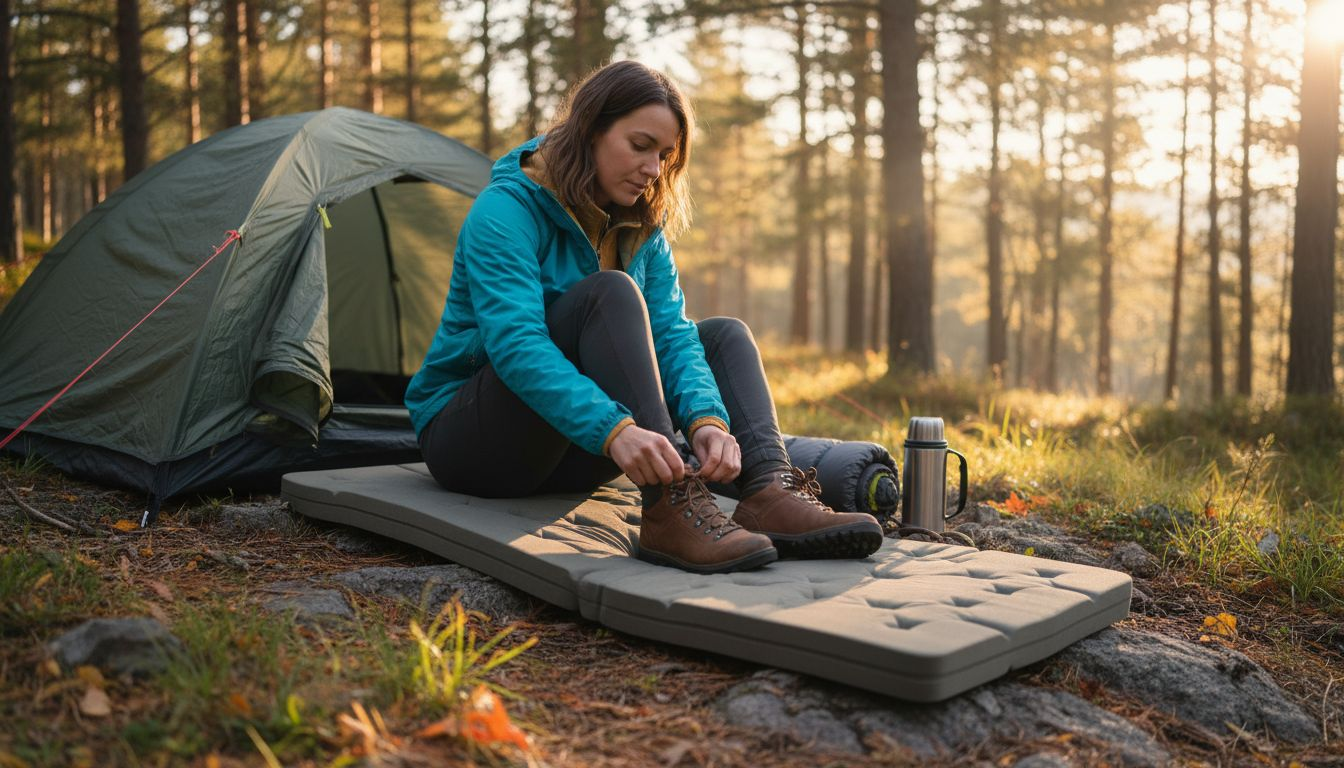
Quality closed-cell outdoor memory foam maintains reliable support whether you’re camping in summer heat or cool mountain nights. This means your mattress won’t feel completely different depending on the season.
Longevity in Outdoor Conditions
Outdoor memory foam resists mildew, mold, and degradation far better than standard foam. When cared for properly, outdoor foam maintains support and elasticity despite weather exposure and temperature fluctuations.
This durability means your investment lasts multiple camping seasons without developing the sagging or deterioration you’d see in regular foam exposed to outdoor conditions.
Comparing Outdoor Foam Options
When shopping for outdoor memory foam mattresses, look for products that explicitly state they use outdoor-grade memory foam. Check product descriptions for mentions of closed-cell construction, UV protection, and antimicrobial treatments.
These features directly impact how comfortable and long-lasting your camping mattress will be across different weather conditions and seasons.
Pro tip: Store your outdoor memory foam mattress in a breathable storage bag during off-season to prevent moisture accumulation while protecting it from dust and UV exposure.
Essential Features for Cool, Comfy Sleep
The coolest memory foam mattress combines multiple features working together to keep you comfortable through the night. It’s not just about the foam itself—it’s about how manufacturers layer and design the entire mattress system.
Gel-Infused Cooling Technology
Traditional memory foam traps body heat, making you sweat during warm nights. Modern outdoor mattresses solve this with gel-infused layers that absorb and dissipate heat away from your body. The gel particles draw warmth from your skin and spread it across the mattress surface instead of letting it build up underneath you.
This cooling technology works throughout the night, keeping your sleep surface consistently cool.
Breathable Covers and Liners
Even the best foam needs help staying cool. Quality outdoor mattresses feature breathable cover materials that allow air circulation and prevent heat from getting trapped against your skin. These covers pull moisture away from your body and let it escape rather than creating a sweaty microclimate.
Look for covers made from breathable fabrics like cotton blends or specialized moisture-wicking synthetics.
Pressure Relief and Contouring
Comfort isn’t just about temperature—it’s about support. Advanced memory foam mattresses offer enhanced pressure relief and contouring support that reduces nighttime tossing and improves sleep efficiency. The foam molds to your body while distributing weight evenly.
This means:
- Less pressure on shoulders, hips, and lower back
- Better spinal alignment throughout the night
- Fewer position changes and nighttime awakenings
- Deeper, more restful sleep overall
The best cooling mattresses combine gel technology, breathable covers, and pressure-relieving foam layers into one integrated sleep system.
Motion Isolation for Shared Sleeping
When you’re camping with family, your partner’s movements shouldn’t wake you up. Quality memory foam mattresses absorb movement and contain it to one area. This isolation means you and your sleeping partner stay undisturbed as the other person moves.
This feature is especially valuable in small tents where sleeping surfaces are closer together.
Multi-Layer Construction
The coolest mattresses don’t rely on a single feature. They stack multiple layers—a gel-infused top layer for cooling, a contouring memory foam middle for support, and a firm base layer for durability. This layered approach creates balanced comfort and temperature control.
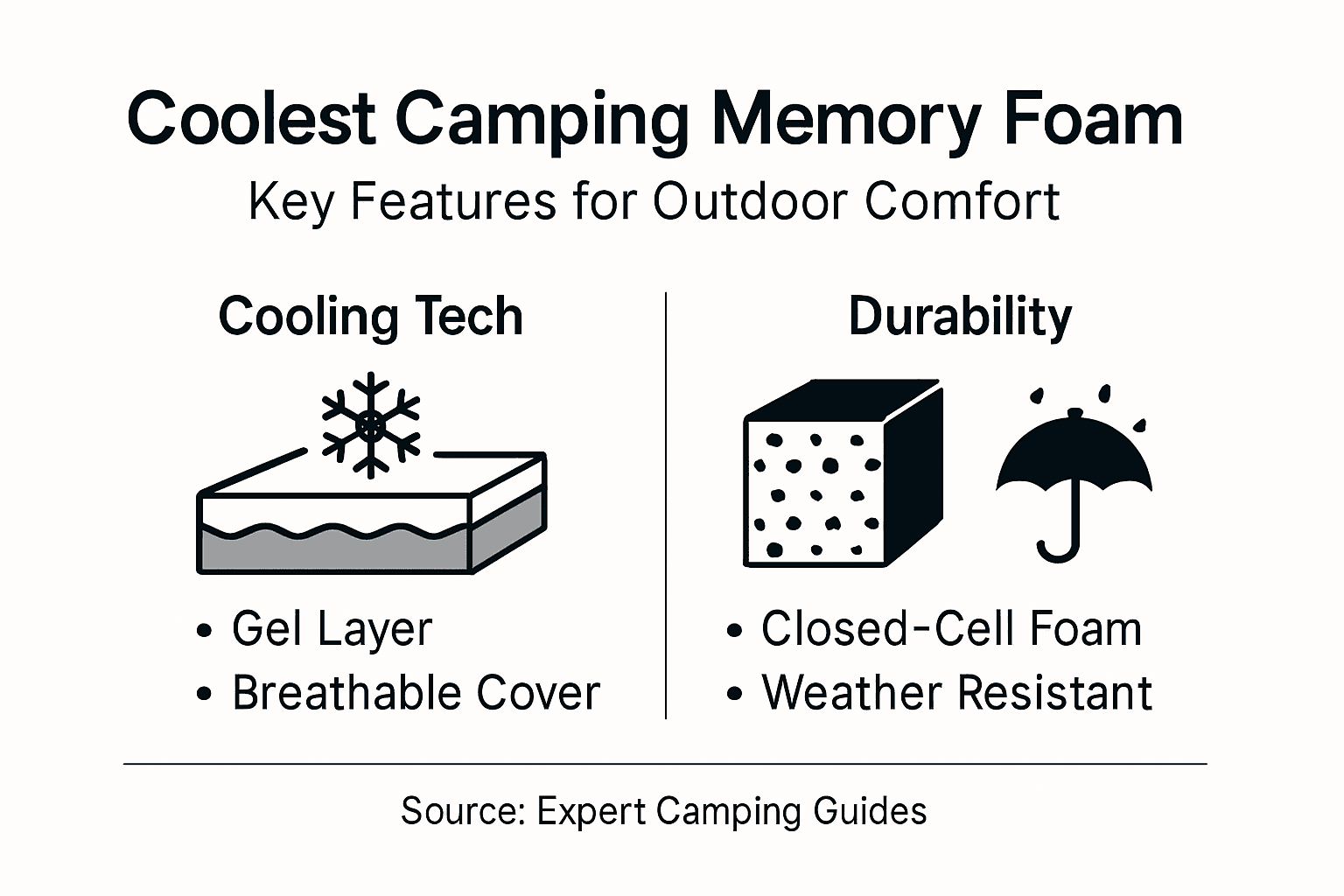
When shopping, check product descriptions for details about each layer and what it does.
Pro tip: Position your mattress to maximize airflow by leaving space on multiple sides, and consider using a moisture-wicking sleeping pad or sheet on top to enhance cooling during humid camping nights.
Comparing Top Memory Foam Camping Models
Choosing the right memory foam camping mattress means understanding what separates the solid performers from the rest. Different models prioritize different features based on camping style and terrain.
Self-Inflating vs. Manual Options
Many top-rated memory foam camping mattresses feature self-inflating designs that combine foam layers with air chambers. You simply unroll them and they expand partially on their own. Manual inflation gives you control over firmness but requires more effort.
Self-inflating models offer convenience without sacrificing comfort or weight.
Insulation and R-Value Performance
When comparing models, look at the R-value, which measures how well a mattress insulates against cold ground. Higher R-values (3 to 5) work better for spring and fall camping. Lower values (1 to 2) suit summer trips.
Memory foam naturally provides decent insulation compared to air-only pads. Thicker foam layers increase warmth retention for cooler nights.
Foam Thickness and Cushioning
Mattress thickness ranges from 2 to 4 inches. Thicker foam means better cushioning on rocky or uneven terrain. It also provides superior pressure relief, especially for side sleepers.
Key considerations for foam depth include:
Here’s a quick reference comparing mattress thickness options for camping:
| Foam Thickness | Comfort Level | Weight Impact | Best Use Case |
|---|---|---|---|
| 2 inches | Basic support | Lightest to carry | Minimalist or backpacking |
| 3 inches | Balanced comfort | Moderate weight | All-purpose camping |
| 4 inches | Maximum cushioning | Heaviest to carry | Car camping, max comfort |
- 2-inch foam: Lighter weight, budget-friendly, basic comfort
- 3-inch foam: Sweet spot for most camping needs
- 4-inch foam: Maximum cushioning, heavier to carry
Top camping models offer thick foam layers and waterproof covers designed specifically for rugged outdoor conditions and moisture resistance.
Durability and Moisture Protection
Quality camping mattresses feature waterproof covers and materials resistant to punctures and tears. High-density foam construction prevents sagging after multiple seasons of use. Notable models include safety certifications and durability ratings specific to outdoor conditions.
Check product reviews for longevity reports from actual campers.
Weight and Packability
Self-inflating models typically weigh between 3 to 5 pounds. That’s heavier than ultralight air pads but lighter than traditional sleeping pads. They compress to manageable sizes fitting inside most backpacks.
Consider your camping style—car camping allows for heavier comfort, while backpacking demands lighter options.
Setup and Ease of Use
The best camping mattresses set up in minutes without complicated procedures. You unroll them, open the air valve, and they reach full firmness in seconds to minutes. No pumps or tools needed for self-inflating models.
Pro tip: Test different thickness and firmness levels before committing to a purchase by borrowing models from friends or visiting outdoor retailers with demo units.
Choosing and Caring for Your Camping Mattress
Finding the right camping mattress is only half the battle. How you select and maintain it determines whether you’ll enjoy comfortable sleep for years or watch your investment decline after a few seasons.
Prioritize Thickness and Foam Density
When choosing a mattress, thickness directly affects comfort and insulation. Aim for 3 to 4 inches for most camping scenarios. Foam density matters equally—higher density provides better support and lasts longer, though it adds weight.
Think of density like this: dense foam bounces back after you get up, while low-density foam stays compressed.
Material Quality and Moisture Resistance
Your mattress needs materials that resist moisture and wear from outdoor conditions. Look for closed-cell foam construction and waterproof covers made from durable fabrics. These features prevent water absorption and extend your mattress lifespan across multiple camping seasons.
Cheap materials degrade quickly when exposed to humidity and temperature swings.
Cleaning Your Mattress Properly
Regular cleaning prevents mold, mildew, and odors. Wipe down your mattress with a damp cloth after trips, especially if exposed to moisture. For stubborn stains, use mild soap and water, then dry thoroughly before storing.
Cleaning steps include:
- Wipe surface with damp cloth after each trip
- Use mild soap for visible stains
- Air dry completely before storage
- Avoid harsh chemicals that damage foam
Proper maintenance of your camping mattress begins immediately after use and continues through smart storage practices that preserve foam integrity.
Storage Strategies for Longevity
How you store your mattress matters tremendously. Proper storage in dry conditions prevents moisture absorption and foam degradation. Store in a cool, dry place away from direct sunlight, which damages covers and can degrade foam over time.
Use a breathable storage bag rather than sealed plastic, which traps moisture.
Protective Covers and Preventive Measures
Invest in a protective cover or storage bag designed for camping mattresses. These shields your mattress from dust, insects, and accidental damage during storage. Quality covers also regulate humidity around the mattress.
Add a waterproof ground tarp beneath your mattress when camping to prevent moisture from seeping up from the tent floor.
Seasonal Preparation
Before storing your mattress for winter, ensure it’s completely dry and clean. Check the cover for tears or damage and repair small issues immediately. Inspect the foam for any signs of deterioration or unusual soft spots.
Pro tip: Store your camping mattress partially inflated in a climate-controlled space during off-season to maintain foam cell structure and prevent permanent compression.
Discover Your Ultimate Cool Memory Foam Mattress for Camping
Finding the coolest memory foam mattress that offers both temperature regulation and durable, weather-resistant comfort can be challenging. If you want a mattress that stays firm through cold mountain nights and softens on warm summer evenings while resisting moisture and UV damage, you deserve an outdoor sleep solution built specifically for those conditions. The article highlights key features like gel-infused cooling layers, closed-cell foam construction, and breathable covers that work together to keep you comfortable all night long.
At Hazli Collection, we specialize in offering Memory Foam Waterproof Camping Mattresses designed precisely with these advanced properties. Our mattresses provide:
- Enhanced temperature stability for consistent support across seasons
- Effective motion isolation to ensure restful sleep even with a partner
- Durable, outdoor-grade closed-cell foam that resists moisture and UV damage

Experience the difference of high-quality, outdoor-specific memory foam mattresses crafted for campers who demand superior comfort and longevity. Explore our Memory Foam Camping Mattresses and full selection today at Hazli Collection and find your perfect cool sleep companion that works as hard as you do outdoors. Don’t wait to upgrade your camping nights with a mattress designed for the elements and your best rest.
Frequently Asked Questions
What features make a memory foam mattress cool and comfortable?
A cool memory foam mattress typically includes gel-infused cooling technology, breathable covers, and multiple foam layers for pressure relief. These features work together to regulate temperature and provide a comfortable sleep surface.
How does outdoor memory foam differ from standard indoor memory foam?
Outdoor memory foam has a closed-cell structure, making it moisture-resistant and durable against temperature changes. It also includes UV protection and antimicrobial additives, preventing mold and degradation from outdoor conditions.
What thickness is ideal for a camping mattress?
For most camping scenarios, a thickness of 3 to 4 inches is recommended. Thicker foam provides better cushioning and pressure relief for a comfortable sleep on uneven terrain.
How can I properly maintain my memory foam camping mattress?
To maintain your mattress, regularly wipe it down with a damp cloth, ensure it’s completely dry before storage, and store it in a cool, dry place away from direct sunlight. Using a protective cover can also help prolong its lifespan.