

By The Hazli Family — Peter & Louise · Reviewed June 2026
Quick answer: Portable mattresses give campers and travelers home-like sleep anywhere: they are lightweight, fold or deflate to a compact size, set up in minutes, and insulate you from cold ground. Tri-fold memory foam models maximize comfort and support, inflatables maximize packability, and Japanese-style floor mattresses offer minimalist simplicity for guests and travel.
Over 60 percent of campers report discomfort from sleeping directly on the ground. The quest for a good night’s rest outdoors drives many people to search for alternatives that combine comfort, portability, and durability. A portable mattress stands out as a solution that brings home-like relaxation to tents, road trips, and multi-day adventures. Discover what defines these innovative sleep companions, and why they have become a must-have for anyone seeking quality rest away from home.
Table of Contents
- What Defines A Portable Mattress
- Types Of Portable Mattresses Explained
- How Portable Mattresses Enhance Comfort
- Portability And Storage Advantages
- Versatile Uses For Outdoor Enthusiasts
- Potential Drawbacks And Considerations
Key Takeaways
| Point | Details |
|---|---|
| Lightweight and Portable | Portable mattresses are designed for easy transport and quick setup, making them ideal for travelers and outdoor enthusiasts. |
| Variety of Options | Available types include tri-fold, inflatable, and Japanese floor mattresses, catering to different needs and preferences. |
| Enhanced Comfort Features | Many models utilize memory foam or ergonomic designs to provide better support and temperature regulation for a quality sleep experience. |
| Considerations for Use | Users should evaluate durability, comfort variability, and maintenance needs to choose the right mattress for their specific outdoor conditions. |
What Defines A Portable Mattress
A portable mattress is a versatile sleeping solution designed for travelers, campers, and adventure enthusiasts who prioritize comfort and convenience. According to Wikipedia, a sleeping pad is a lightweight pad fundamentally used in camping to provide padding and thermal insulation, which captures the core essence of a portable mattress.
Portable mattresses are characterized by several key attributes that distinguish them from traditional home mattresses. These critical features include:
- Lightweight Construction: Easy to carry and transport without significant bulk
- Compact Design: Ability to fold, roll, or compress into a small package
- Quick Setup: Minimal time required for deployment and inflation
- Adaptable Materials: Typically made from durable, weather-resistant fabrics
- Thermal Regulation: Designed to prevent heat loss and provide insulation from ground surfaces
The primary function of a portable mattress transcends mere sleeping comfort. Unlike standard home mattresses, these innovative sleep solutions are engineered to provide maximum comfort in dynamic environments. Wikipedia notes that their primary purpose is preventing body heat loss into the ground, which makes them essential for outdoor sleeping scenarios.
When selecting a portable mattress, outdoor enthusiasts should consider factors like weight, packed size, insulation properties, and intended use environment. Whether you’re planning a weekend camping trip, a cross-country road adventure, or need emergency bedding, understanding these defining characteristics will help you choose the perfect portable sleeping solution.
Types Of Portable Mattresses Explained
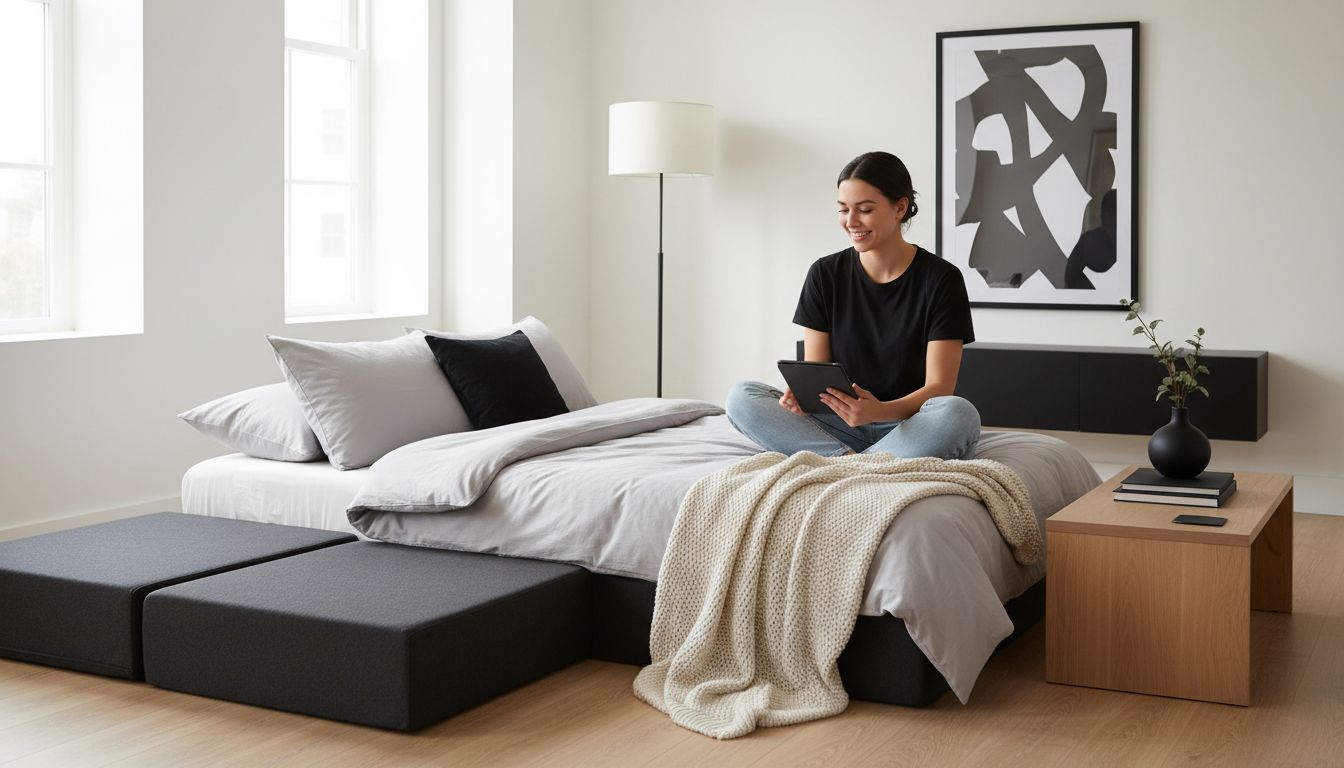
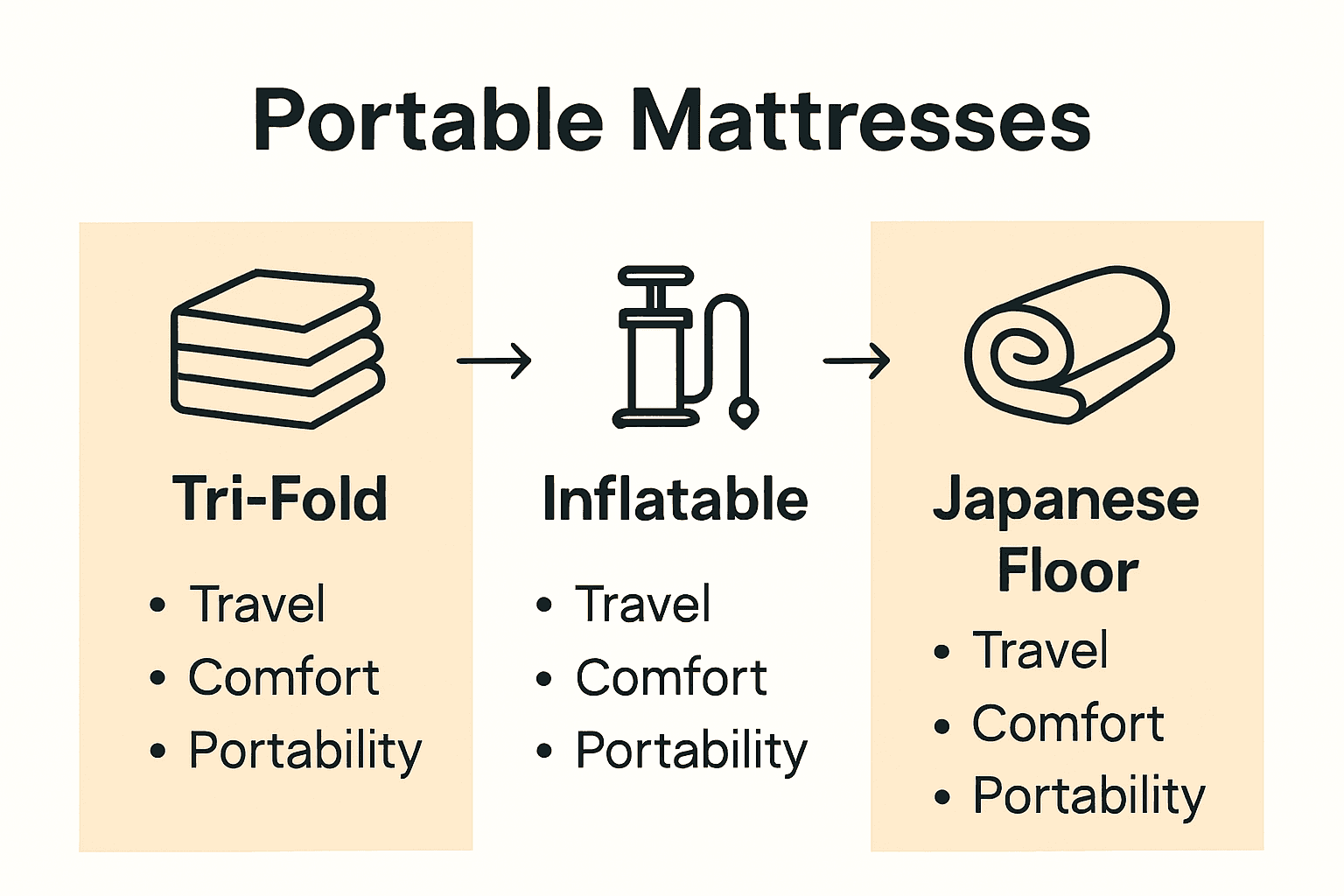
Portable mattresses come in several distinct varieties, each designed to meet specific travel and outdoor sleeping needs. According to Accio, these versatile sleep solutions include Japanese floor mattresses, tri-fold designs, and inflatable options that cater to different requirements like camping, guest accommodations, and compact living spaces.
Primary Portable Mattress Categories
- Tri-Fold Mattresses
- Compact and easily storable
- Often made with memory foam
- Ideal for travel and temporary sleeping arrangements
- Inflatable Mattresses
- Lightweight and highly portable
- Quick inflation and deflation
- Adjustable firmness levels
- Japanese Floor Mattresses (Futons)
- Ultra-thin and minimalist design
- Traditional sleeping style
- Extremely lightweight and easy to roll
As Healthline highlights, specific examples like the Inofia Memory Foam Tri-Fold Mattress demonstrate the innovation in this category. These mattresses offer a plush sleeping surface while maintaining exceptional portability and storage convenience.
When choosing a portable mattress, consider your specific needs. Memory foam options provide superior comfort for outdoor sleeping, while inflatable designs offer maximum space-saving potential. The right choice depends on your travel style, storage constraints, and desired comfort level.
How Portable Mattresses Enhance Comfort
Portable mattresses are engineering marvels designed to transform uncomfortable sleeping environments into havens of rest and relaxation. According to Healthline, these innovative sleep solutions provide exceptional comfort through advanced features like memory foam construction, offering superior support and pressure relief for travelers and outdoor enthusiasts.
Key Comfort-Enhancing Features
-
Ergonomic Support
-
Adapts to body contours
-
Reduces pressure points
-
Minimizes muscle and joint strain
-
Temperature Regulation
-
Breathable materials
-
Prevents overheating
-
Maintains consistent sleeping temperature
-
Adaptable Design
-
Suitable for multiple surfaces
-
Quick setup in various environments
-
Compact and easily transportable
The Bridal Box highlights how high-density foam mattresses like the Cushy Form Floor Mattress are specifically designed to provide extra support to critical areas like the head, neck, and spine. This targeted support is crucial for maintaining proper alignment and preventing discomfort during sleep.
For outdoor adventurers and frequent travelers, comfort during sleep can make or break an entire experience. Portable mattresses bridge the gap between home comfort and adventure, ensuring that regardless of your sleeping location, you can enjoy a restful and rejuvenating night’s sleep. The right portable mattress transforms challenging sleeping environments into personal sanctuaries of comfort and relaxation.
Portability And Storage Advantages
Portable mattresses represent a revolutionary solution for travelers, minimalist living, and outdoor enthusiasts seeking maximum flexibility in their sleeping arrangements. According to Healthline, these innovative sleep solutions like the Inofia Memory Foam Tri-Fold Mattress are specifically designed for easy storage and convenient transportation, making them ideal for individuals with limited space or frequent travel needs.
Key Portability Features
Storage Advantages:
- Compact folding mechanisms
- Minimal storage footprint
- Easy to slide into closets or car trunks
- Lightweight construction
Transportation Benefits:
- Quick setup and breakdown
- Minimal weight
- Versatile carrying options
- Resilient to multiple transport conditions
Accio emphasizes that inflatable air mattresses take portability to another level, collapsing to a fraction of their expanded size when deflated. This remarkable characteristic makes them perfect for scenarios where storage space is critically limited, such as camping trips, road travel, or temporary living arrangements.
For outdoor adventurers and urban dwellers alike, portable mattress solutions offer unprecedented flexibility. Whether you’re planning a weekend camping trip, moving between apartments, or need a guest sleeping option, these innovative mattresses ensure you never compromise on comfort while maintaining maximum spatial efficiency.
Versatile Uses For Outdoor Enthusiasts
Portable mattresses have revolutionized outdoor sleeping experiences, offering unparalleled versatility for adventurers across various environments. According to Wikipedia, these lightweight sleeping solutions are particularly popular among hikers, backpackers, and budget travelers, providing essential padding and thermal insulation during outdoor expeditions.
Outdoor Application Scenarios
Adventure Travel Uses:
- Backpacking trips
- Camping expeditions
- Mountain retreats
- Beach camping
- Road trip accommodations
Specialized Outdoor Configurations:
- Emergency shelter bedding
- Base camp sleeping platforms
- Vehicle conversion sleeping solutions
- Remote location temporary housing
- Outdoor meditation and relaxation spaces
Accio highlights that modern portable mattresses are engineered with specialized features like waterproofing and dampproofing, making them incredibly robust for diverse outdoor conditions. These design innovations ensure that outdoor enthusiasts can maintain comfort regardless of terrain or weather challenges.
Exploring versatile outdoor sleep solutions means understanding that a portable mattress is more than just a sleeping surface. It’s a gateway to expanded travel experiences, offering comfort, protection, and flexibility that transforms how adventurers interact with their environment, whether they’re scaling mountain trails or enjoying a weekend camping retreat.
Potential Drawbacks And Considerations
While portable mattresses offer remarkable versatility, they are not without potential limitations that outdoor enthusiasts and travelers should carefully evaluate. As Wikipedia notes in its analysis of portable sleeping solutions, understanding manufacturer guidelines and safety considerations is crucial to making an informed decision.
Key Potential Limitations
Durability Concerns:
- Potential material wear from repeated use
- Reduced performance in extreme weather conditions
- Higher vulnerability to punctures and tears
- Limited long-term structural integrity compared to traditional mattresses
Performance Restrictions:
- Variable comfort levels across different models
- Potential temperature sensitivity
- Limited weight-bearing capacity
- Inconsistent insulation properties
Many portable mattress designs require careful maintenance and strategic use. While Wikipedia highlights that some portable sleeping solutions like waterbeds can involve complex maintenance such as periodic draining, refilling, and potential energy consumption, modern portable mattresses have significantly improved in design and functionality.
Prospective buyers should approach portable mattress selection with a balanced perspective. Understanding these potential drawbacks does not diminish their value, but instead empowers users to choose the most appropriate model for their specific outdoor sleeping needs, ensuring a comfortable and reliable sleep experience across diverse environments.
Discover Ultimate Comfort and Portability with Hazli Collection
Choosing the right portable mattress can feel overwhelming with concerns about durability, comfort, and ease of transport. If you want to avoid restless nights spent wrestling bulky or uncomfortable gear, Hazli Collection understands that your outdoor sleep solution needs to deliver on comfort, convenience, and quality. Whether you prefer memory foam designs that support pressure points or lightweight inflatables that fit easily into your travel pack, the advantages highlighted in the “Benefits of Portable Mattresses: Complete Guide” become real and achievable.
Experience the difference today by exploring our carefully curated selection of premium portable mattresses at Hazli Collection. Every product is crafted for outdoor enthusiasts who insist on durability paired with exceptional comfort. Start your journey toward better sleep on every adventure by visiting our shop. Don’t wait to upgrade your outdoor comfort and convenience with solutions built for your lifestyle.
Frequently Asked Questions
What are portable mattresses and how do they differ from traditional mattresses?
Portable mattresses are lightweight, compact sleeping solutions designed for travel and outdoor activities. They differ from traditional mattresses in that they are easily transportable, often foldable or inflatable, and provide insulation and comfort in various environments.
What types of portable mattresses are available on the market?
Portable mattresses come in several types including tri-fold mattresses, inflatable mattresses, and Japanese floor mattresses (futons). Each type offers unique advantages regarding comfort, portability, and ease of use.
How can I ensure comfort when using a portable mattress outdoors?
To enhance comfort while using a portable mattress outdoors, consider factors such as ergonomic support, temperature regulation, and the mattress’s adaptability to different surfaces. Look for mattresses made from quality materials that provide proper insulation and pressure relief.
What are the potential drawbacks of using a portable mattress?
Potential drawbacks of portable mattresses include durability concerns with material wear from repeated use, variable comfort levels across different models, and some may have limitations in weight-bearing capacity and insulation properties. It’s important to choose a model tailored to your specific needs and usage requirements.
Recommended
- 7 Outdoor Sleeping Arrangement Ideas for Ultimate Comfort – Hazli Collection
- 8 Must-Know RV Camping Essentials for Outdoor Comfort – Hazli Collection
- Essential Memory Foam Mattress Setup for Outdoor Comfort – Hazli Collection
- Complete Camp Mattress Cleaning Guide for Outdoor Comfort – Hazli Collection