

By The Hazli Family — Peter & Louise · Reviewed June 2026
Quick answer: Choose outdoor bedding as a system — an insulating mattress or pad, a temperature-rated sleeping bag, and moisture-resistant layers. Match thickness and R-value to the season, prioritize breathable, water-resistant materials, and pick foam over budget air beds for durability. A quality setup around $150–$200 outlasts several cheap replacements and keeps the whole family sleeping warm.
Every camper knows that waking up cold and stiff can turn a family adventure into a long day by the campfire. When you are spending the night outdoors in the United States, the difference between restful sleep and a miserable memory often comes from your bedding system. Finding durable, comfortable outdoor bedding creates a warm barrier against rough ground while making setup quick so everyone enjoys the trip. This guide helps families and outdoor enthusiasts choose the right bedding for restful, happy nights under the stars.
Table of Contents
- What Is Outdoor Bedding For Camping?
- Comparing Mattress And Bedding Types
- Essential Features For Outdoor Sleep Comfort
- Durability, Care, And Maintenance Tips
- Cost, Portability, And What To Avoid
Key Takeaways
| Point | Details |
|---|---|
| Choosing the Right Bedding is Crucial | Outdoor bedding is essential for comfort, temperature regulation, and protection against environmental factors. It’s considered a foundational element for a successful camping trip. |
| Understand Your Needs Based on Conditions | The type of bedding you need varies significantly by climate, camping style, and duration of your trip. Match your gear to these factors for optimal comfort and safety. |
| Invest in Quality for Longevity | Quality outdoor bedding may have a higher upfront cost, but it ultimately provides better durability and comfort over time, reducing the need for frequent replacements. |
| Proper Care Extends Lifespan | Regularly inspect your bedding, manage moisture, and clean it to prolong its functional lifespan and performance during camping trips. |
What Is Outdoor Bedding For Camping?
Outdoor bedding for camping is the complete system of equipment and materials you use to create a comfortable sleeping surface in the wilderness. It goes beyond just a sleeping bag. Think of it as building a barrier between your body and the cold, damp ground while providing the cushioning your back needs after a full day of hiking or exploring. Sleeping bags and sleeping pads form the core of any camping sleep system, but the combination of these components working together determines how well you actually sleep under the stars. Your outdoor bedding system includes insulation, cushioning, and protection against environmental factors that would otherwise rob you of rest and recovery.
The specific gear you need depends heavily on your situation. A summer camping trip in mild temperatures requires far different bedding than a winter expedition in cold mountains. Climate, terrain, and how long you’re staying all shape your choices. For a backpacking weekend in spring, you might get away with a lightweight sleeping pad and a three-season bag. For a week-long family camping trip to establish a basecamp, you could invest in a thicker pad for more comfort and a warmer bag rated for cooler nights. Materials matter too. Down insulation excels at warmth and packs small, while polyester and polyolefin materials offer better moisture resistance when humidity is a concern. The right outdoor bedding transforms camping from an uncomfortable endurance test into something your family actually looks forward to.
Outdoor bedding also serves a practical survival function. When weather turns unexpectedly cold or you find yourself camping in terrain you didn’t anticipate, proper bedding keeps you warm and protects your health. This is why experienced campers treat their sleep system as seriously as they do food and water. Many guides list quality outdoor bedding among the essentials for backcountry safety. Your bedding choice affects not just comfort but your ability to regulate body temperature and stay dry. A poor sleep system means you wake up cold, tired, and less equipped to handle the demands of your outdoor adventure. When you understand what outdoor bedding actually does, you realize it’s not a luxury item but the foundation of a successful trip. Families often discover that upgrading their bedding transforms their kids’ willingness to camp again, simply because they slept well and woke up happy.
Pro tip: Test your complete sleep system in your backyard before your first trip. This reveals comfort issues and gives you a realistic feel for setup time, helping you adjust your gear or technique without any surprises on the trail.
Comparing Mattress And Bedding Types
Choosing the right mattress for outdoor camping means understanding how different materials perform in real conditions. The mattress you select dramatically affects whether you wake up refreshed or stiff and sore. Memory foam, innerspring, latex, hybrid, and air mattresses each bring distinct advantages and trade offs that matter differently depending on your camping style. Memory foam conforms to your body shape, providing excellent support for side sleepers and anyone with back pain. The downside is that memory foam can trap body heat on warm nights, making it uncomfortable during summer camping unless you use a breathable cover. Innerspring mattresses offer that traditional bounce and allow better air circulation, but they tend to wear out faster with regular packing and unpacking. Air mattresses are lightweight and adjustable, letting you control firmness by adding or removing air, yet they require pumps and can develop slow leaks that frustrate you mid trip.
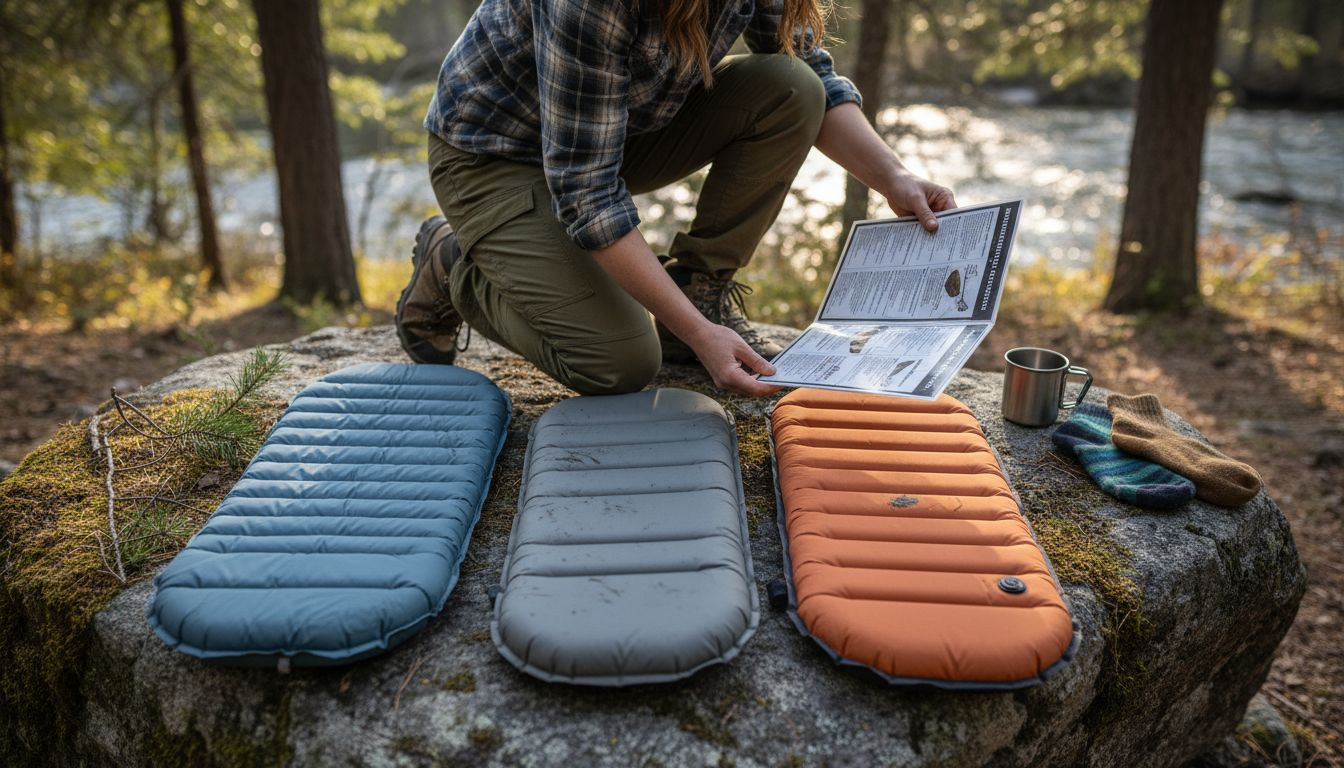
When comparing options specifically for outdoor use, think about your camping environment. A thick memory foam camping mattress works wonderfully for cool season trips when you want insulation from cold ground and plush comfort for longer sleeping durations. If you camp in hot weather or make frequent trips, a hybrid mattress combining foam and springs might balance comfort with durability. Foam based options like essential memory foam mattress setups are becoming popular for outdoor bedding because they pack down smaller than traditional spring mattresses, weigh less for backpacking, and don’t need pumps or maintenance. The trade off is price. Quality outdoor foam mattresses cost more upfront than basic air mattresses, but they last years longer and provide consistent comfort across multiple seasons.
Durability matters more with outdoor bedding than with bedroom mattresses because outdoor gear faces rough treatment. Your mattress gets dragged over rocks, exposed to moisture, and compressed under your sleeping bag. Budget friendly air mattresses require careful handling and may need replacement every couple of years. Foam and hybrid mattresses designed for outdoor use resist punctures better and don’t degrade from regular packing. Water resistance is crucial too. Some foam mattresses use closed cell construction that resists moisture penetration, while others absorb water and take forever to dry. Latex mattresses offer excellent durability and natural water resistance but are expensive and heavy. The best mattress type balances your climate, trip length, budget, and how often you camp throughout the year.
Here’s a quick comparison of popular outdoor camping mattress types and their key considerations:
| Mattress Type | Comfort & Support | Durability | Best Use Scenario |
|---|---|---|---|
| Memory Foam | Conforms to body, plush feel | High, resists wear | Cool weather, car camping |
| Innerspring | Moderate comfort, bouncy | Wears out fastest | Mild climates, basecamps |
| Hybrid | Balanced support and airflow | Good, costly | Frequent camping, hot nights |
| Air Mattress | Adjustable firmness | Prone to leaks | Lightweight trips, short-term |
| Latex | Firm, cool surface | Very durable, heavy | Long-term, wet environments |
Pro tip: Compare mattresses by checking their R value (thermal resistance rating) if you camp in cool seasons, as this number directly indicates how well the mattress insulates you from cold ground.
Essential Features For Outdoor Sleep Comfort
The difference between a miserable night and restful sleep outdoors comes down to specific features built into your bedding system. Temperature regulation tops the list because your body loses heat rapidly when sleeping on cold ground, and outdoor temperatures can swing dramatically from dusk to dawn. Your bedding needs insulation to trap body heat while allowing moisture to escape, preventing that clammy, damp feeling that wakes you up shivering at 3 AM. Breathability works hand in hand with insulation. A mattress that breathes lets perspiration evaporate instead of pooling beneath you, keeping you dry and comfortable throughout the night. Many modern camping mattresses use materials with tiny air channels that provide both thermal protection and moisture management simultaneously.
Moisture resistance ranks equally with insulation because outdoor environments are inherently damp. Morning dew, humidity from your breath, and moisture from the ground seep into poorly designed bedding. Your mattress and sleeping bag need to resist water absorption without trapping moisture inside the material itself. Closed cell foam construction, for instance, prevents water from soaking into the foam while still allowing internal moisture to migrate away from your body. Beyond the mattress itself, consider wind and weather protection. A quality sleeping pad creates a physical barrier against cold earth, while your tent and ground sheet prevent rain and damp grass from saturating your setup. Thermal comfort in outdoor settings depends on managing environmental factors like wind speed and precipitation alongside your bedding materials.
Adaptability matters more in outdoor bedding than in home mattresses. Weather changes unpredictably. Your system should allow adjustments like adding or removing layers without completely repacking your gear. Modular sleeping solutions that layer together give you flexibility. A thin pad combined with a thick foam topper provides more warmth than either alone, and you can remove the topper on warm nights. Durability also deserves attention because outdoor bedding endures UV exposure, ground contact with rough surfaces, and repeated compression. Quality materials resist punctures and wear better than budget options. Thickness matters too. A thicker mattress provides both better insulation and more cushioning to prevent pressure points that disrupt sleep. Outdoor sleep solutions that adapt to environmental changes maintain thermal comfort more effectively across varying conditions than rigid, one-size-fits-all approaches.
This table highlights essential bedding features and their benefits for outdoor sleep comfort:
| Feature | Why It’s Important | Benefit for Campers |
|---|---|---|
| Insulation | Maintains body warmth overnight | Prevents cold wake-ups |
| Breathability | Allows perspiration to escape | Reduces clammy discomfort |
| Moisture Resistance | Blocks dew and ground dampness | Keeps bedding dry and hygienic |
| Adaptability | Allows layering and adjustments | Comfort in changing weather |
| Durability | Withstands outdoor conditions | Longer mattress lifespan |
Pro tip: Layer your bedding strategically by placing a moisture-wicking liner between your skin and sleeping bag, then adding a quality foam pad beneath, creating a complete system that manages both body moisture and ground coldness.
Durability, Care, And Maintenance Tips
Your outdoor bedding investment pays off only if you treat it right. A quality camping mattress can last 10 years or more with proper care, but neglect ruins it in a fraction of that time. The foundation of durability starts with moisture management. After every camping trip, allow your mattress and sleeping bag to air dry completely before storing them. Moisture trapped inside creates the perfect environment for mildew, mold, and bacterial growth that breaks down foam and fabric. Store your bedding in a cool, dry place away from direct sunlight. UV rays degrade foam and synthetic materials rapidly, which is why leaving your gear in a hot car or sun exposed tent between trips accelerates deterioration. Many experienced campers keep their sleeping systems in a breathable storage bag rather than sealed plastic, allowing any residual moisture to escape during off season months.
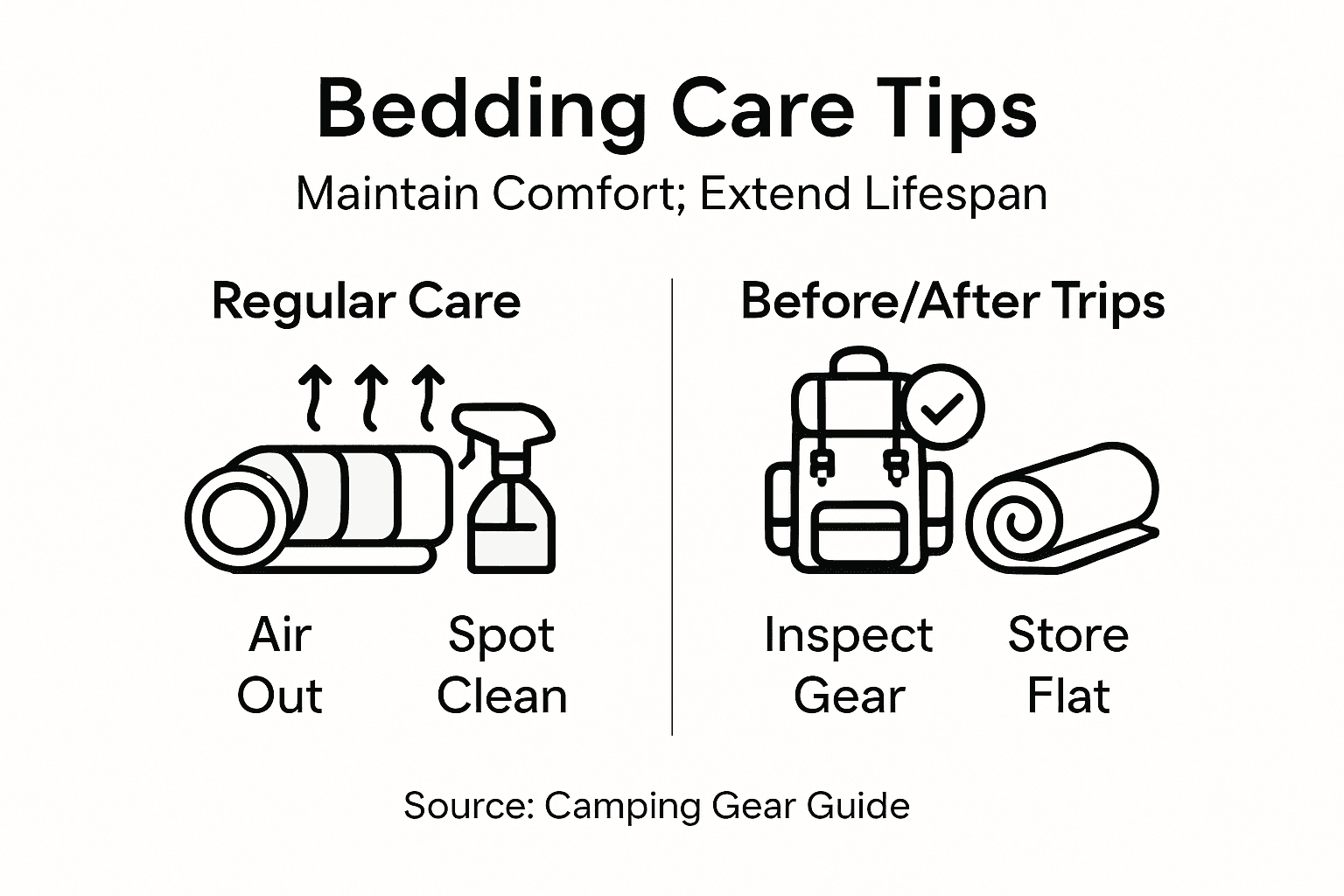
Regular cleaning extends lifespan significantly. Maintaining bedding hygiene requires removing accumulated bacteria and allergens that accumulate from sweat, dirt, and outdoor elements. After several camping trips, gently vacuum your mattress with a handheld vacuum to remove dust, dead skin cells, and debris. Spot clean stains with mild soap and cool water on a cloth, avoiding saturation that pushes moisture into the foam. Never use harsh chemicals or bleach, as these break down material integrity. For sleeping bag shells and removable covers, follow manufacturer washing instructions. Most modern camping sleeping bags can be machine washed on gentle cycles, though you should wash them only once or twice per season to preserve water resistant coatings. Hand washing works well too and reduces stress on seams and zippers.
Inspection catches problems before they become disasters. Before every trip, examine your mattress for punctures, foam deterioration, or cover tears. Check seams and joints where stress concentrates. Small holes can be patched with foam safe repair kits before they grow. Zippers deserve attention too. Keep them clean and dry them fully after wet conditions. Zipper lubricant designed for outdoor gear prevents sticking and corrosion. Store your mattress flat or rolled loosely rather than folded tightly year round, as compression damage compounds over time. Proper maintenance including regular inspection and moisture management prevents damage from environmental exposure and extends functional lifespan. Replace covers if they become heavily worn before the foam underneath deteriorates. A new cover costs far less than replacing the entire mattress.
Pro tip: Create a post trip checklist: dry your bedding fully, inspect for damage, vacuum off debris, then store flat in a cool location—this 20 minute routine prevents 90 percent of outdoor bedding failures.
Cost, Portability, And What To Avoid
Outdoor bedding comes in a wide price range, from budget friendly options around $50 to premium systems exceeding $400. The key is understanding what you actually get at each price point and where corners cut matter. Budget air mattresses feel comfortable in your living room but fail quickly in real camping conditions. The plastic tears, the seams leak air, and you wake up on hard ground frustrated and sore. Mid range foam pads between $100 and $250 offer solid durability and comfort for most family camping trips. Premium memory foam mattresses above $300 provide exceptional longevity and superior comfort for serious outdoor enthusiasts who camp frequently. Many families find the sweet spot is investing $150 to $200 in a quality foam mattress that lasts through multiple seasons without maintenance headaches. This beats buying three cheap mattresses that fail in quick succession.
Portability becomes critical when you’re hauling gear to a campsite. A 40 pound mattress sounds fine until you’re carrying it a quarter mile uphill on foot. Lightweight materials and compact design reduce transport burden without sacrificing comfort or durability. Modern camping mattresses compress to backpack friendly sizes, often rolling into bags measuring 8 inches wide and 20 inches long. Car camping allows more flexibility with weight and bulk, so you can use thicker, heavier pads for maximum comfort. Backpacking demands minimalist choices. Ultralight foam pads weigh 12 ounces compared to 3 pounds for standard versions. If your family drives to established campgrounds, portability is less critical than comfort. If you hike to remote locations, every ounce counts.
Avoid materials and designs that create problems in outdoor environments. Stay away from bedding that traps moisture excessively or promotes mold and mildew growth. Cheap vinyl backed pads absorb water instead of repelling it, leaving you damp and cold. Avoid overly heavy bedding unless you have a vehicle to transport it. Bulky, inflatable mattresses require electric pumps that add weight and complexity to your gear list. Skip bedding with complex fastening systems or many loose components. Simple is better. Avoid ultra thin pads that provide no cushioning from ground hardness. Sleeping on rock with nothing between you and the earth produces back pain and poor sleep. Most importantly, avoid buying bedding without testing it first. Many retailers offer trial periods or return policies. Spend time on your mattress in various positions before committing. What feels comfortable in a showroom for five minutes might feel terrible after eight hours of actual sleep.
Pro tip: Calculate your cost per night by dividing mattress price by expected camping trips, then compare that value to hotel rates you would otherwise pay for equivalent trips.
Experience True Comfort With Outdoor Bedding Designed To Last
Choosing the right outdoor bedding is key to escaping cold sleepless nights and uncomfortable mornings outdoors. This article highlights the challenge of finding durable, moisture resistant bedding that provides insulation, breathability, and adaptability for every camping trip. At Hazli Collection, we understand your need for a reliable camping mattress that supports your body, resists wear, and keeps you dry and comfortable no matter the weather. Our premium memory foam mattresses are crafted to transform your outdoor sleep experience, delivering long lasting comfort without the hassles of leaks or heavy bulk.
Discover how our expertly designed memory foam solutions address critical issues like thermal regulation and moisture management while ensuring portability for every adventure. Don’t let poor bedding ruin your next outing. Visit Hazli Collection to explore premium options that families and outdoor enthusiasts trust for restful nights. Experience a new level of camping comfort and durability now with just a few clicks at Hazli Collection. Begin your journey toward better sleep and unforgettable outdoor memories today.
Frequently Asked Questions
What is outdoor bedding for camping?
Outdoor bedding for camping refers to a complete system designed to create a comfortable sleeping surface in the wilderness, including sleeping bags and sleeping pads that provide insulation, cushioning, and protection from the cold and damp ground.
How do I choose the right mattress for camping?
Choosing the right mattress for camping depends on several factors, including the climate, duration of your trip, and the type of camping you’ll be doing. Consider comfort, support, durability, and if the mattress is suitable for the expected weather conditions.
What features should I look for in outdoor bedding?
Essential features include insulation for warmth, breathability to manage moisture, moisture resistance for protection against damp conditions, adaptability for changing weather, and durability to withstand outdoor conditions.
How can I prolong the lifespan of my outdoor bedding?
To prolong the lifespan of your outdoor bedding, ensure you dry it completely after each trip, store it in a cool, dry place away from direct sunlight, regularly clean it according to manufacturer instructions, and inspect it for any damage before each use.