

By The Hazli Family — Peter & Louise · Reviewed June 2026
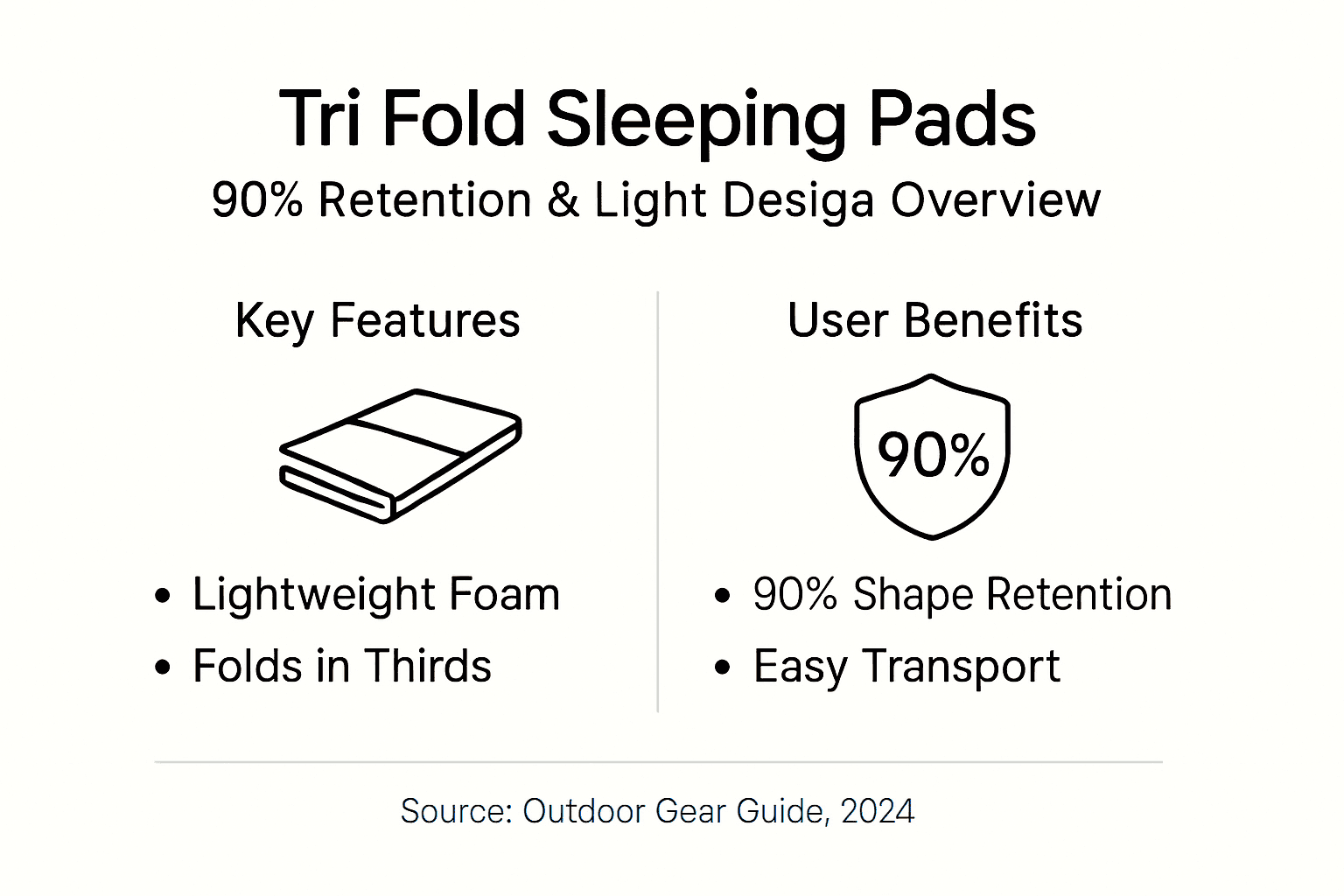
Quick answer: A tri fold sleeping pad is a foam camping pad built in three hinged segments that folds to about a third of its length. Modern versions weigh 2–4 pounds, use closed-cell or memory foam 1.5–3 inches thick, need no inflation, resist punctures, and high-density versions keep their shape well with regular use.
Think tri fold sleeping pads are bulky relics of the past? Modern versions weigh under 3 pounds and fold compactly to one third their length, delivering superior comfort through memory foam technology. This guide reveals how segmented folding designs balance portability with durability, debunks common myths about weight and maintenance, and helps you select the perfect pad for your outdoor adventures.
Table of Contents
- Introduction To Tri Fold Sleeping Pads
- Material Composition And Comfort Features
- Portability And Packability Considerations
- Ergonomics, Stability, And Surface Adaptability
- Durability, Maintenance, And Longevity
- Common Misconceptions About Tri Fold Sleeping Pads
- Choosing The Right Tri Fold Sleeping Pad For Your Needs
- Summary And Practical Advice
- Explore Hazli Collection For Premium Outdoor Comfort
- Frequently Asked Questions
Key Takeaways
| Point | Details |
|---|---|
| Balanced Design | Tri fold pads combine comfort, portability, and durability through segmented foam construction that adapts to terrain. |
| Superior Comfort | Memory foam variants provide better pressure distribution than many inflatables, scoring 4.3/5 versus 4.1/5 in user tests. |
| Lightweight Portability | Modern designs weigh 2 to 4 pounds and fold to compact sizes ideal for backpacking and car camping. |
| Low Maintenance | Simple cleaning with no puncture repairs needed, plus high-density foam keeps its shape well over time. |
| Myth Busting | Evidence proves tri fold pads aren’t bulky or uncomfortable, often outperforming inflatables in real world conditions. |
Introduction to Tri Fold Sleeping Pads
A tri fold sleeping pad features three distinct segments connected by the foam itself, allowing it to fold into thirds for storage and transport. When unfolded, these pads typically measure 72 to 78 inches long and 20 to 25 inches wide, providing full body coverage. Folded dimensions shrink to roughly 24 to 26 inches in length, making them manageable for backpacks or vehicle storage.
Outdoor enthusiasts favor these pads across multiple scenarios. Weekend campers appreciate the balance between cushioning and convenience. Backpackers choose lighter models for multi day treks. Adventure travelers value the simplicity of setup with no inflation required.
Common applications include:
- Car camping trips where weight matters less than comfort
- Backpacking expeditions requiring reliable insulation without pump dependency
- Festival camping and outdoor events needing quick deployment
- Emergency preparedness kits for home or vehicle
- Guest bedding solutions for small spaces
The segmented design allows each section to move independently, conforming to uneven ground while maintaining structural integrity. This flexibility distinguishes tri fold pads from single piece roll up alternatives that can feel rigid on rocky terrain.
Material Composition and Comfort Features
Two primary foam types dominate tri fold pad construction. Closed cell foam creates a dense, moisture resistant surface that provides consistent support and excellent insulation from cold ground. Memory foam conforms to your body shape, distributing pressure across a larger surface area to reduce discomfort at hips and shoulders.
Memory foam tri fold pads can meet or exceed comfort levels due to better pressure distribution and no risk of punctures. The viscoelastic properties respond to body heat, softening where contact pressure is highest. This creates a custom sleeping surface that adapts throughout the night as you shift positions.
Thickness directly impacts both insulation and cushioning. Options typically range from 1.5 to 3 inches:
- 1.5 to 2 inches works for summer camping on softer ground
- 2 to 2.5 inches balances portability with three season comfort
- 2.5 to 3 inches provides maximum cushioning for cold weather or hard surfaces
Different foam types used in tri fold sleeping pads offer varying densities measured in pounds per cubic foot. Higher density foam lasts longer and provides firmer support, while lower density options reduce pack weight. The optimal pad thickness depends on your typical camping conditions and personal comfort preferences.
Ergonomic design considerations include contoured surfaces that cradle the body’s natural curves. Some manufacturers add textured top layers to prevent sleeping bags from sliding. Others incorporate ventilation channels to reduce heat buildup during warm nights. Understanding memory foam comfort benefits helps you prioritize features that match your sleep style.
Portability and Packability Considerations
The tri fold design transforms a 6 foot pad into a 2 foot package through simple accordion style folding. Modern tri fold pads weigh less than 3 pounds and fold to a third of their size, debunking bulk myths that have persisted for years. Weight typically correlates with foam density and thickness, ranging from 2 pounds for ultralight models to 4 pounds for premium memory foam versions.
| Pad Type | Folded Size | Weight | Pack Volume |
|---|---|---|---|
| Tri Fold Foam | 24 x 20 x 6 inches | 2.5 to 4 lbs | 2880 cubic inches |
| Roll Up Foam | 20 x 6 inch diameter | 1.5 to 2.5 lbs | 565 cubic inches |
| Inflatable | 12 x 5 inch stuff sack | 1 to 2 lbs | 300 cubic inches |
While inflatables win on pack volume, lightweight foam sleeping pads eliminate puncture anxiety and inflation time. Car campers rarely worry about the size difference, loading tri fold pads easily into vehicles. Backpackers can strap folded pads to pack exteriors, distributing weight outside the main compartment.
Suitability varies by trip style:
- Car camping trips prioritize comfort over pack size, making thicker tri fold pads ideal
- Weekend backpacking tolerates moderate bulk for enhanced sleep quality
- Ultralight thru hiking may require roll up or inflatable alternatives
- Canoe and kayak camping accommodates tri fold dimensions in dry bags
Pro Tip: Measure your pack’s exterior dimensions before choosing a tri fold pad. Models that match your pack width can strap on neatly without catching on branches, while oversized pads create awkward protrusions that snag vegetation on narrow trails.
The relationship between portability and pack size involves trade offs. Accepting slightly more bulk delivers tangible comfort improvements that translate to better rest and more enjoyable outdoor experiences. Tri fold pad weight and size specs help you make informed decisions based on your specific adventure requirements.
Ergonomics, Stability, and Surface Adaptability
Segmented construction allows each fold to articulate independently, creating a flexible sleeping platform that conforms to ground contours. Body weight distributes across multiple contact points rather than concentrating at pressure zones. This reduces the numbness and discomfort that plague campers using thinner or less responsive pads.
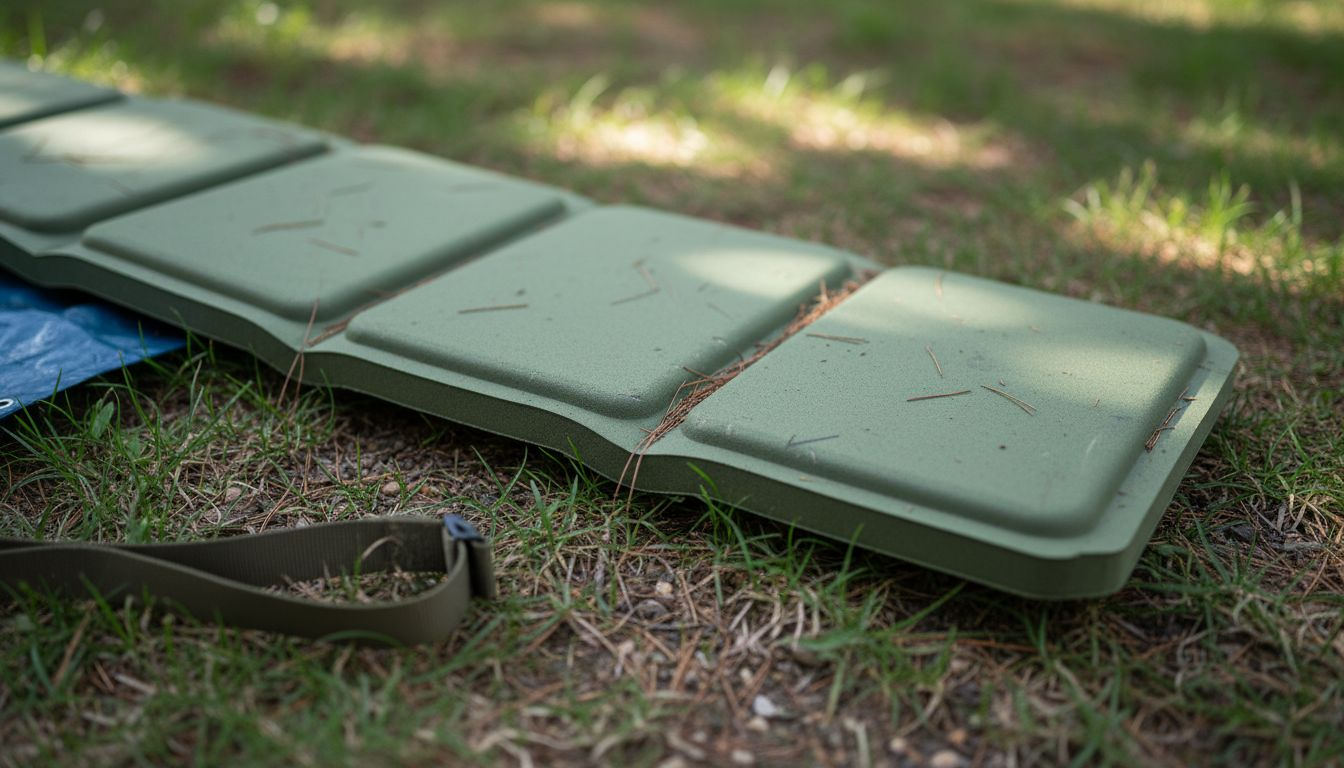
Rocky campsites and root covered ground pose challenges for rigid sleeping surfaces. Tri fold pads bend at each segment junction, draping over obstacles while maintaining support. The result is stable positioning that prevents rolling or sliding during sleep.
Key stability advantages include:
- Three independent sections adjust to terrain variations without creating gaps
- Wider surface area compared to mummy shaped alternatives prevents edge roll off
- Dense foam resists compression, maintaining loft throughout the night
- No air migration issues that cause sagging in inflatable designs
Sleep position maintenance improves when the pad stays put beneath you. Side sleepers benefit from the even support that keeps hips and shoulders aligned. Back sleepers appreciate consistent lumbar support without the balloon effect of over inflated air pads.
Pro Tip: Position your tri fold pad so the fold lines run perpendicular to your body rather than parallel. This orientation prevents hinge points from creating pressure lines along your spine or legs, maximizing the comfort benefits of the segmented design.
Enhanced stability translates to fewer wake ups from discomfort, helping you arrive at trailheads refreshed and ready for the day’s adventures. The combination of weight distribution and terrain adaptation makes tri fold pads particularly effective for campers who prioritize sleep quality.
Durability, Maintenance, and Longevity
High density foam construction delivers exceptional longevity. Quality tri-fold pads keep their thickness well over years of regular use, maintaining insulation and cushioning properties. The closed cell structure resists moisture absorption, preventing mildew growth that plagues open cell foams.
Maintenance requirements stay minimal:
- Wipe surfaces with damp cloth and mild soap after trips
- Air dry completely before folding for storage
- Store unfolded or loosely folded in cool, dry locations
- Avoid prolonged exposure to direct sunlight which degrades foam
No complex repairs interrupt your camping schedule. Unlike inflatables that require patch kits and sealants, foam pads simply work. Punctures and leaks become non issues, eliminating the frustration of waking on cold ground at 3 AM because your pad deflated.
Comparative durability favors foam over air. Inflatable pads face threats from thorns, sharp rocks, and accidental tears. Even small punctures compromise performance, requiring immediate field repairs or backup sleeping solutions. Tri fold designs ignore these vulnerabilities, functioning reliably in harsh conditions.
Simple maintenance routines for tri fold pads extend lifespan significantly. Regular cleaning tips for foam pads focus on removing dirt and body oils that can break down materials over time. Proper storage prevents compression set, where foam loses its ability to spring back to full thickness.
Investment value improves when gear lasts season after season. The upfront cost of a quality tri fold pad spreads across years of reliable service, making per use expense competitive with cheaper alternatives that require frequent replacement.
Common Misconceptions About Tri Fold Sleeping Pads
Myths about tri fold pads persist despite evidence to the contrary. Addressing these misconceptions helps you evaluate options objectively.
-
They’re bulky and heavy: Modern materials and design optimization have dramatically reduced size and weight. Current models weigh 2 to 3 pounds and compress to dimensions smaller than many sleeping bags, fitting easily in or on backpacks.
-
Inflatables always offer better comfort: Memory foam tri fold pads can meet or exceed comfort levels due to better pressure distribution and no risk of punctures. User satisfaction surveys reveal foam pads often score higher for actual sleep quality.
-
Maintenance is complex and time consuming: Tri fold pads require only basic cleaning with no patches, valves, or pumps to maintain. The simplicity appeals to campers who want reliable gear without fussy upkeep routines.
User comfort ratings from independent testing show memory foam tri fold pads averaging 4.3 out of 5 stars compared to 4.1 out of 5 for premium inflatable models, with testers specifically citing consistent support and worry free reliability as deciding factors.
The comfort misconception debunked through objective testing reveals foam technology has evolved substantially. What once seemed like a compromise now represents a legitimate preference for many outdoor enthusiasts who value dependability.
Marketing often emphasizes inflatable pad advantages while overlooking foam benefits. This creates perception gaps where campers assume air equals comfort without considering puncture risk, inflation hassle, or cold weather performance where foam excels through superior insulation.
Choosing the Right Tri Fold Sleeping Pad for Your Needs
Matching pad specifications to your camping style ensures satisfaction. Follow this selection framework:
-
Assess climate conditions: Cold weather camping demands thicker pads (2.5 to 3 inches) with higher R values for insulation. Three season use accommodates 2 to 2.5 inch options. Summer only camping can utilize thinner, lighter models.
-
Evaluate portability requirements: Backpacking prioritizes weight and pack size, suggesting 2 to 3 pound models. Car camping removes these constraints, allowing heavier pads with maximum comfort features.
-
Consider foam type preferences: Memory foam delivers superior pressure relief for side sleepers and those with joint sensitivity. Closed cell foam provides firmer support preferred by back sleepers and offers better cold weather insulation.
-
Review durability expectations: Frequent users should invest in high density foam rated for extended lifespans. Occasional campers can choose mid range options that balance cost with performance.
-
Check dimension compatibility: Verify pad length accommodates your height with a few inches to spare. Width should provide enough surface area to prevent rolling off edges during sleep.
A guide to selecting the right sleeping pad walks through additional considerations like weight capacity and surface texture. Detailed foam pad selection tips help narrow choices based on specific activity types and personal priorities.
Testing pads before committing to extended trips reveals compatibility with your sleep style. Many outdoor retailers offer trial periods or flexible return policies. Take advantage to verify comfort levels match expectations before heading into the backcountry.
Summary and Practical Advice
Tri fold sleeping pads deliver a compelling combination of portability, comfort, and durability that suits diverse outdoor pursuits. The segmented foam design adapts to terrain while providing consistent support throughout the night. Modern materials achieve weight reduction without sacrificing cushioning or insulation properties.
Ideal applications span multiple scenarios:
- Weekend camping trips where setup simplicity matters
- Backpacking adventures requiring reliable gear without maintenance headaches
- Car camping expeditions prioritizing sleep quality
- Festival and event camping needing quick deployment
Routine care preserves performance for years. Wipe down after trips, store in dry locations away from direct sunlight, and avoid leaving compressed for extended periods. These simple habits maintain foam loft and extend functional lifespan.
Pro Tip: Store your tri fold pad flat or loosely folded rather than tightly compressed. This prevents compression set where foam loses rebound ability, ensuring it continues providing full thickness cushioning season after season.
The choice between tri fold, roll up, and inflatable designs ultimately depends on individual priorities. If you value reliability, low maintenance, and predictable comfort, tri fold pads deserve serious consideration. The technology has evolved beyond old assumptions, offering performance that competes favorably with alternatives across most camping contexts.
Explore Hazli Collection for Premium Outdoor Comfort
Finding the right outdoor sleep solution transforms your camping experience from endurance test to genuine rest and rejuvenation. Hazli Collection specializes in memory foam sleeping pads and camping gear designed for real world outdoor conditions.
Our product selection reflects years of experience understanding what campers actually need versus marketing hype. Whether you’re upgrading from an old pad or starting fresh, we offer solutions that balance comfort with practical portability.

Explore comprehensive resources to maximize your gear investment. Our waterproof camping gear guide protects your equipment in wet conditions. Discover multiuse camping gear that reduces pack weight without sacrificing functionality. Learn how to choose the right camping mattress based on your specific adventures and sleep preferences.
Frequently Asked Questions
How thick should a tri fold sleeping pad be for cold weather?
Cold weather camping requires 2.5 to 3 inches of foam thickness to provide adequate insulation from frozen ground. Thicker pads create more dead air space that prevents heat loss, while also offering cushioning that keeps you comfortable through long winter nights.
Can tri fold pads be used on very uneven ground?
Yes, the segmented design allows each section to articulate independently and conform to ground contours. This flexibility helps the pad drape over rocks and roots while maintaining support, though severe terrain may still require some site preparation for optimal comfort.
Are memory foam tri fold pads heavier than other foam pads?
Memory foam versions typically weigh 3 to 4 pounds compared to 2 to 3 pounds for closed cell alternatives. The weight difference reflects denser material that provides superior pressure relief, making it a worthwhile trade off for campers prioritizing sleep quality over minimal pack weight.
How do I clean and store my tri fold sleeping pad?
Wipe the surface with a damp cloth and mild soap after each trip, then air dry completely before storage. Store flat or loosely folded in a cool, dry location away from direct sunlight to prevent compression set and material degradation that shortens lifespan.