

By The Hazli Family — Peter & Louise · Reviewed June 2026
Quick answer: Outdoor mattress cover materials trade off breathability, moisture protection, and durability: polyester dries fast and stays light, cotton blends breathe best, microfiber wicks sweat, while marine-grade vinyl, PVC-coated polyester, and acrylic Sunbrella resist water, abrasion, and UV. Match the fabric to your climate — humid camps need waterproofing, sunny sites need UV resistance.
Most American families discover fast that a great night’s sleep outdoors comes down to one critical detail: the right mattress cover material. With nearly 80 percent of camping discomfort linked to poor bedding choices, finding durable and comfortable covers is more than a luxury. Choosing advanced fabrics protects your investment and keeps everyone comfortable, even in unpredictable weather. This guide separates facts from hype so you can match the best materials to your next adventure.
Table of Contents
- Mattress Cover Materials Defined And Debunked
- Common Fabrics For Outdoor Mattress Covers
- How Material Choices Impact Comfort And Use
- Durability, Weather Resistance, And Care Needs
- Comparing Alternatives: Pros And Cons
Key Takeaways
| Point | Details |
|---|---|
| Material Selection Matters | Choose mattress covers based on environmental conditions to ensure optimal comfort and protection during outdoor experiences. |
| Balance Features | Prioritize materials that offer a mix of water resistance, breathability, and UV protection for versatile camping performance. |
| Durability is Key | Select weather-resistant fabrics that can withstand exposure to elements and ensure long-lasting use. |
| Regular Maintenance | Proper care and storage of mattress covers greatly extend their lifespan and maintain performance quality. |
Mattress Cover Materials Defined and Debunked
Outdoor enthusiasts understand that choosing the right mattress cover material can transform a camping experience from uncomfortable to luxurious. Modern mattress covers have evolved far beyond simple protective layers, becoming sophisticated components designed to enhance sleep quality and protect your investment. Advanced mattress cover technologies now offer remarkable features that address specific outdoor sleeping challenges.
At the core, mattress cover materials serve multiple critical functions: protection, comfort, breathability, and moisture management. Natural fibers like cotton and wool provide excellent breathability, while synthetic materials such as polyester and nylon offer superior water resistance and durability. Innovative manufacturers now incorporate advanced materials like microfiber blends and performance fabrics that wick moisture, resist bacterial growth, and provide temperature regulation. These materials are engineered to withstand diverse outdoor environments, from humid forest floors to dry mountain landscapes.
Researchers have extensively studied mattress cover performance, revealing that not all materials deliver on their marketing promises. Mattress cover fabric quality studies demonstrate significant variations in air flow, moisture permeability, and thermal regulation. Some key materials to consider include:
- Polyester: Lightweight, quick-drying, and resistant to wrinkles
- Nylon: Highly durable and water-resistant
- Cotton Blends: Soft, breathable, and comfortable
- Microfiber: Excellent moisture-wicking properties
Pro tip: When selecting a mattress cover for outdoor use, prioritize materials that offer a balance between water resistance, breathability, and comfort to ensure the best sleeping experience in variable environmental conditions.
Common Fabrics for Outdoor Mattress Covers
Campers and outdoor enthusiasts require mattress cover materials that can withstand challenging environmental conditions while providing maximum comfort. Outdoor fabric selection involves carefully evaluating multiple performance characteristics that ensure durability and protection in unpredictable settings. Understanding the unique properties of different fabric types can dramatically improve your camping experience.
Several key materials stand out for outdoor mattress covers. Acrylic fabrics like Sunbrella offer exceptional UV resistance and breathability, making them ideal for sunny environments. Polyester provides lightweight durability with quick-drying capabilities, while marine-grade fabrics deliver superior moisture protection. Outdoor upholstery fabric technologies demonstrate that modern materials can effectively combine multiple protective features:
- Vinyl: Waterproof and easy to clean
- PVC-coated Polyester: Abrasion-resistant and quick-drying
- Olefin: Excellent moisture repellency
- Solution-dyed Fabrics: Enhanced color retention and UV resistance
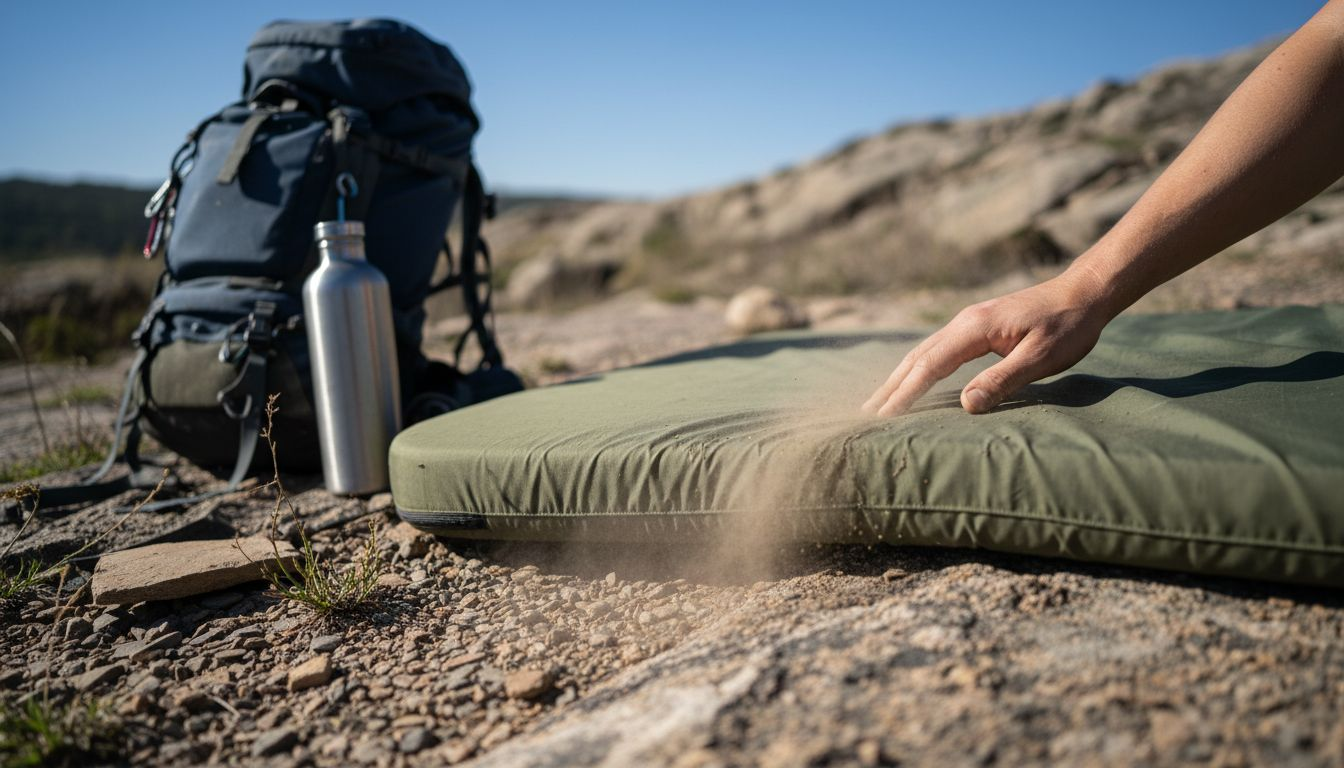
Choosing the right fabric depends on specific environmental challenges. Desert environments require different fabric properties compared to humid forest settings, so understanding material characteristics is crucial for selecting the most appropriate mattress cover.
Pro tip: When selecting an outdoor mattress cover fabric, always prioritize materials that offer a balanced combination of water resistance, breathability, and UV protection to ensure optimal performance across diverse camping conditions.
Here’s a quick comparison of popular mattress cover materials for outdoor use:
| Material Type | Best For | Key Benefit | Main Drawback |
|---|---|---|---|
| Polyester | Wet or humid camps | Quick drying, low weight | Can trap heat |
| Cotton Blends | Mild climates | Superior breathability | Slow to dry |
| Microfiber | Active campers | Wicks moisture, soft feel | Moderate durability |
| Marine-grade Vinyl | Extreme conditions | Waterproof and robust | Limited airflow |
| Acrylic (Sunbrella) | Sun-exposed sites | UV resistance, colorfast | Higher cost |
| PVC-Coated Poly | Rough terrain | Strong abrasion resistance | Less comfortable feel |
How Material Choices Impact Comfort and Use
Outdoor sleeping comfort depends critically on understanding how different mattress materials perform under challenging environmental conditions. Mattress material performance studies reveal that material composition dramatically influences long-term comfort, support, and durability. Campers must consider how different fabrics and cushioning materials respond to temperature fluctuations, moisture exposure, and repeated compression.
Material choices directly affect thermal regulation and physical comfort. Polyurethane foam, for instance, maintains consistent firmness and provides excellent weight distribution, making it ideal for outdoor mattresses that experience variable temperatures and pressures. Thermal performance research demonstrates that material selection impacts sleep quality by managing heat transfer and moisture wicking, critical factors in outdoor sleeping environments.
Key considerations for material selection include:
- Thermal Conductivity: How quickly materials transfer body heat
- Moisture Wicking: Ability to move perspiration away from the body
- Compression Resistance: Maintaining shape and support after repeated use
- Weight and Portability: Critical for backpackers and mobile campers
Different environments demand specialized material strategies. Desert trips require materials with high UV resistance and breathability, while forest or mountain camping needs moisture-resistant fabrics that insulate against cold ground temperatures.
Pro tip: Always pack a lightweight, breathable mattress cover that can adapt to multiple environmental conditions, ensuring comfort and protection across diverse outdoor settings.
Use this reference to match mattress cover features with specific camping needs:
| Camping Condition | Priority Feature | Recommended Material |
|---|---|---|
| Humid/rainy forests | Moisture resistance | PVC-coated polyester |
| Desert or sunny areas | UV protection, breathability | Acrylic/Sunbrella |
| Cold mountain trips | Thermal insulation | Wool blend or vinyl |
| Lightweight backpacking | Portability, comfort | Microfiber or polyester |
| Long-term durability | Tear resistance | Marine-grade fabrics |
Durability, Weather Resistance, and Care Needs
Outdoor mattress covers face extreme challenges from environmental exposures that can quickly degrade material performance. Outdoor mattress cover maintenance requires strategic selection of materials that resist sun damage, moisture, and repeated stress. Understanding these critical factors helps campers protect their investment and ensure long-lasting comfort during outdoor adventures.
Durability depends on multiple interconnected factors. Weather-resistant materials like solution-dyed polyester and marine-grade fabrics offer superior protection against ultraviolet radiation, moisture penetration, and mechanical wear. These specialized textiles undergo rigorous testing to withstand temperature fluctuations, preventing premature breakdown that can compromise mattress integrity. Key durability considerations include:
- UV Resistance: Prevents fabric degradation and color fading
- Water Repellency: Blocks moisture absorption
- Tear Strength: Maintains structural integrity under stress
- Mildew Prevention: Inhibits microbial growth in humid conditions
Proper care dramatically extends mattress cover longevity. Regular cleaning, careful storage, and strategic maintenance can prevent environmental damage. Always dry covers completely after exposure to moisture, store in breathable containers, and avoid prolonged direct sunlight when not in use.
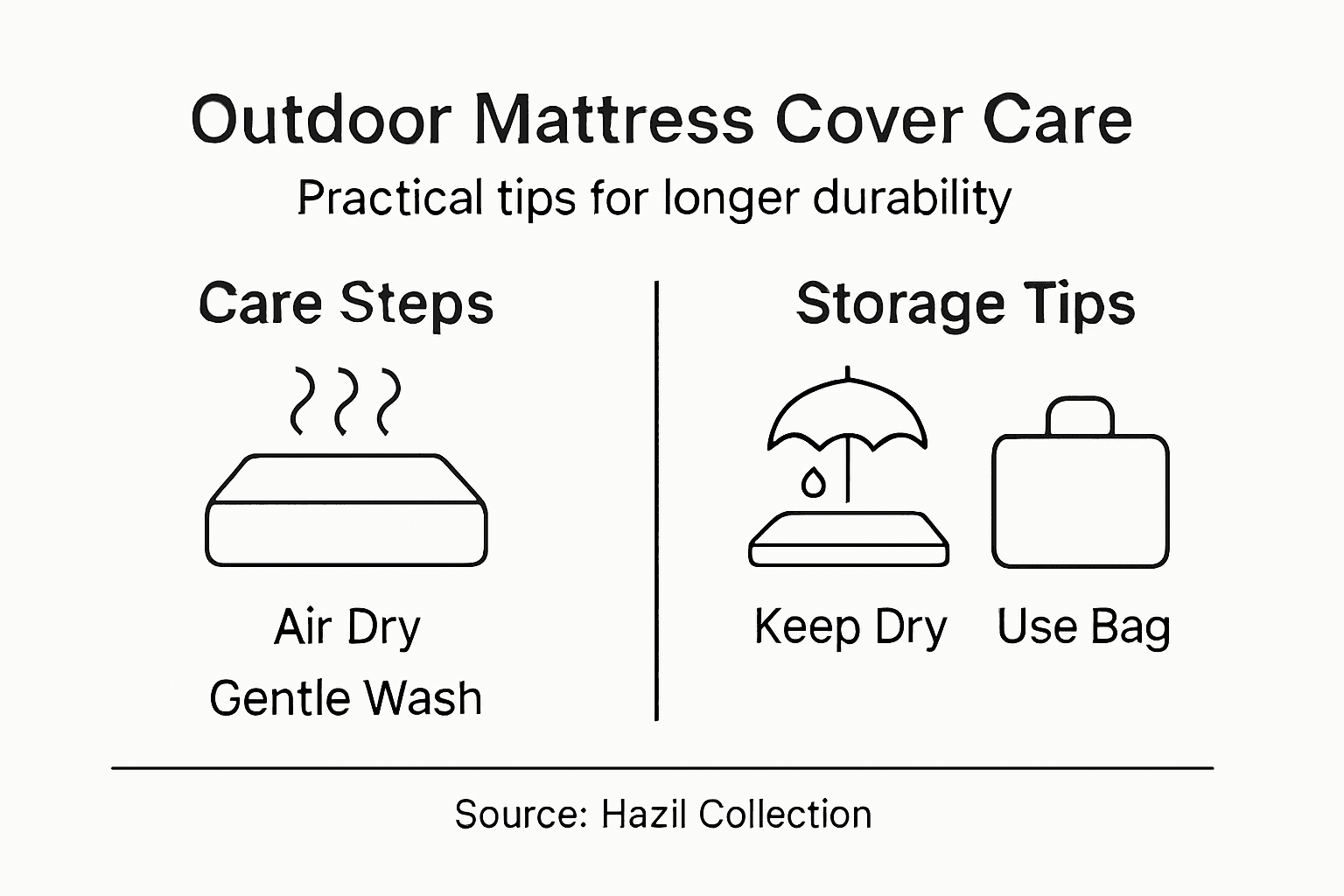
Pro tip: Invest in a high-quality, waterproof storage bag and always air dry your mattress cover completely between camping trips to prevent mildew and material degradation.
Comparing Alternatives: Pros and Cons
Campers face complex decisions when selecting mattress cover materials, each with distinct performance characteristics that impact comfort and durability. Mattress protector evaluations reveal nuanced trade-offs between protection, comfort, and practical functionality that dramatically influence outdoor sleeping experiences.
Different mattress cover materials present unique advantages and limitations. Synthetic fabrics like polyester and nylon offer excellent water resistance and durability, while natural materials such as cotton provide superior breathability. Comparative analysis shows that each material brings specific benefits:
-
Polyester Covers:
- Pros: Lightweight, quick-drying, affordable
- Cons: Less breathable, potential heat retention
-
Cotton Blends:
- Pros: Soft, comfortable, excellent breathability
- Cons: Slower drying, potential moisture absorption
-
Waterproof Membranes:
- Pros: Maximum moisture protection
- Cons: Reduced air circulation, potential discomfort
-
Microfiber Covers:
- Pros: Moisture-wicking, soft texture
- Cons: Can be less durable than specialized outdoor fabrics
Environmental conditions play a crucial role in material selection. Desert environments demand different cover properties compared to humid forest settings, requiring campers to carefully match material characteristics with anticipated weather challenges.
Pro tip: Select a mattress cover with a balanced performance profile that matches your most frequent camping environments, prioritizing versatility over specialized single-condition performance.
Discover Mattress Covers That Deliver Real Comfort and Durability Outdoors
Choosing mattress cover materials that balance moisture resistance, breathability, and UV protection is crucial for any outdoor adventurer seeking restful sleep. The article highlights how common fabrics like polyester, acrylic, and marine-grade vinyl each address unique environmental challenges. At Hazli Collection, we understand the struggle of finding mattress covers designed to withstand extreme weather while maximizing comfort during every camping trip.
Explore our carefully curated selection of high-quality mattress covers and outdoor sleep gear at Hazli Collection. With options that prioritize durability, thermal regulation, and ease of care, you can protect your camping mattress and enhance your outdoor rest experience. Don’t settle for less when your comfort and gear longevity is on the line. Visit us now and take the next step toward better sleep under the stars.
Find the perfect mattress cover with detailed material information and choose confidently at Hazli Collection. Make every outdoor night as comfortable as the last.
Frequently Asked Questions
What materials are typically used for outdoor mattress covers?
Common materials for outdoor mattress covers include polyester, nylon, cotton blends, microfiber, acrylic fabrics, and marine-grade vinyl. Each material offers specific benefits in terms of breathability, moisture resistance, and durability.
How do different mattress cover materials impact comfort when camping?
Different materials affect comfort through properties like thermal regulation and moisture wicking. For example, cotton blends are soft and breathable, while polyester is lightweight and quick-drying, making them suitable for various outdoor conditions.
What factors should I consider when choosing a mattress cover for outdoor use?
Consider factors like water resistance, breathability, UV protection, and durability based on your camping environment. It’s essential to select materials that match your specific needs, such as insulation for cold climates or moisture control for humid areas.
How can I maintain my outdoor mattress cover to ensure its longevity?
To maintain your outdoor mattress cover, regularly clean it, fully dry it after moisture exposure, and store it in a breathable container. Avoid prolonged direct sunlight when not in use to prevent material degradation.
Recommended
- Essential Outdoor Mattress Care Instructions for Comfort – Hazli Collection
- 7 Outdoor Sleeping Arrangement Ideas for Ultimate Comfort – Hazli Collection
- Complete Camp Mattress Cleaning Guide for Outdoor Comfort – Hazli Collection
- Essential Memory Foam Mattress Setup for Outdoor Comfort – Hazli Collection