

By The Hazli Family — Peter & Louise · Reviewed June 2026
Quick answer: A camp bed frame is a portable folding sleeping platform for outdoor use, usually an aluminum or steel frame with a tensioned fabric surface. It elevates you 12–20 inches above the ground, protecting against moisture, uneven terrain, insects, and cold. Common types include folding cots, inflatable frames, hammock-style suspended beds, and portable platform beds.
Over 80% of American campers say a good night’s sleep transforms their outdoor experience. Finding comfort outdoors is a challenge, especially when uneven ground and unpredictable weather come into play. For anyone seeking reliable rest under the stars, learning what sets a camp bed frame apart can make all the difference in choosing the best sleep setup for any adventure.
Table of Contents
- What Is A Camp Bed Frame
- Types Of Camp Bed Frames
- How Camp Bed Frames Function
- Key Features And Materials
- Alternatives To Camp Bed Frames
Key Takeaways
| Point | Details |
|---|---|
| Definition of Camp Bed Frame | A camp bed frame is a portable sleeping platform designed for outdoor use, providing comfort and elevation above the ground. |
| Types and Benefits | Various types include traditional cots and modern inflatable frames, each offering unique advantages like portability and protection from ground elements. |
| Material Considerations | Key materials such as aluminum and ripstop nylon enhance durability and reduce weight, making camp bed frames ideal for outdoor conditions. |
| Alternatives to Camp Bed Frames | Alternatives like hammocks and sleeping pads cater to different camping needs, emphasizing comfort, terrain, and weather suitability. |
What Is a Camp Bed Frame
A camp bed frame is a portable sleeping platform specifically designed for outdoor environments, offering adventurers a comfortable and elevated sleeping solution. Merriam-Webster defines these structures as narrow, lightweight beds often constructed with cloth stretched across a folding frame, making them ideal for temporary settings like camping, backpacking, and outdoor expeditions.
Typically, a camp bed frame consists of several key components that distinguish it from traditional home bedding. These frames are engineered for maximum portability and durability, featuring lightweight materials such as aluminum or steel that can be quickly assembled and disassembled. The design allows for easy transportation and storage, with most models capable of folding into compact sizes that fit easily into backpacks, car trunks, or storage containers.
Camp bed frames provide significant advantages over sleeping directly on the ground. By elevating campers from the terrain, these frames offer protection from moisture, uneven surfaces, and ground-level temperature variations. They also create a barrier against insects and small animals, enhancing overall camping comfort. Outdoor sleeping gear considerations become crucial when selecting the right camp bed frame, with factors like weight capacity, material strength, and ease of setup playing critical roles in the selection process.
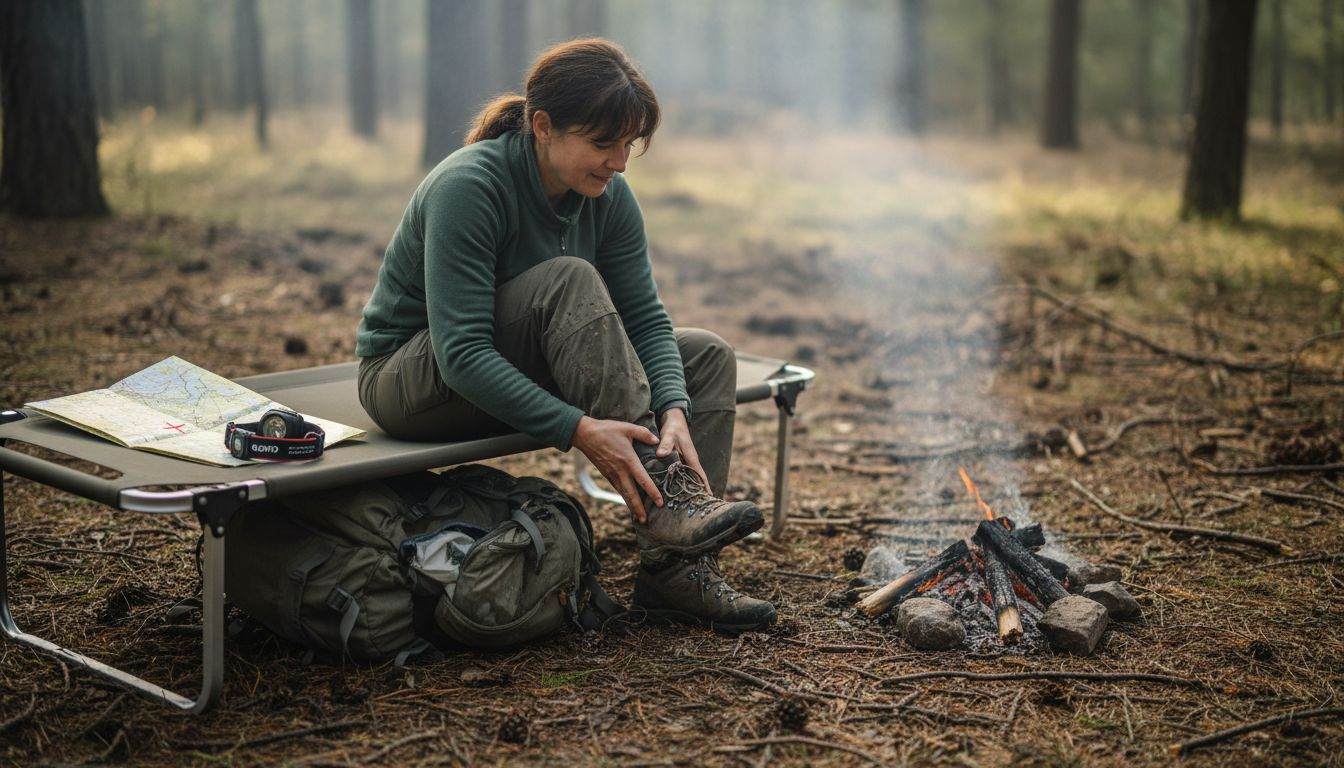
Pro Tip for Campers: Invest in a camp bed frame with adjustable legs and a sturdy fabric design, which will provide greater versatility across different terrains and camping environments.
Types Of Camp Bed Frames
Camp bed frames come in several distinct types, each designed to meet specific outdoor sleeping needs. Traditional camp beds typically feature metal frames with canvas surfaces, offering a classic approach to portable sleeping solutions. These traditional designs provide a sturdy and reliable platform that has been used by campers, military personnel, and outdoor enthusiasts for generations.
Modern camp bed frames have evolved to include more sophisticated and lightweight options. Some popular variations include:
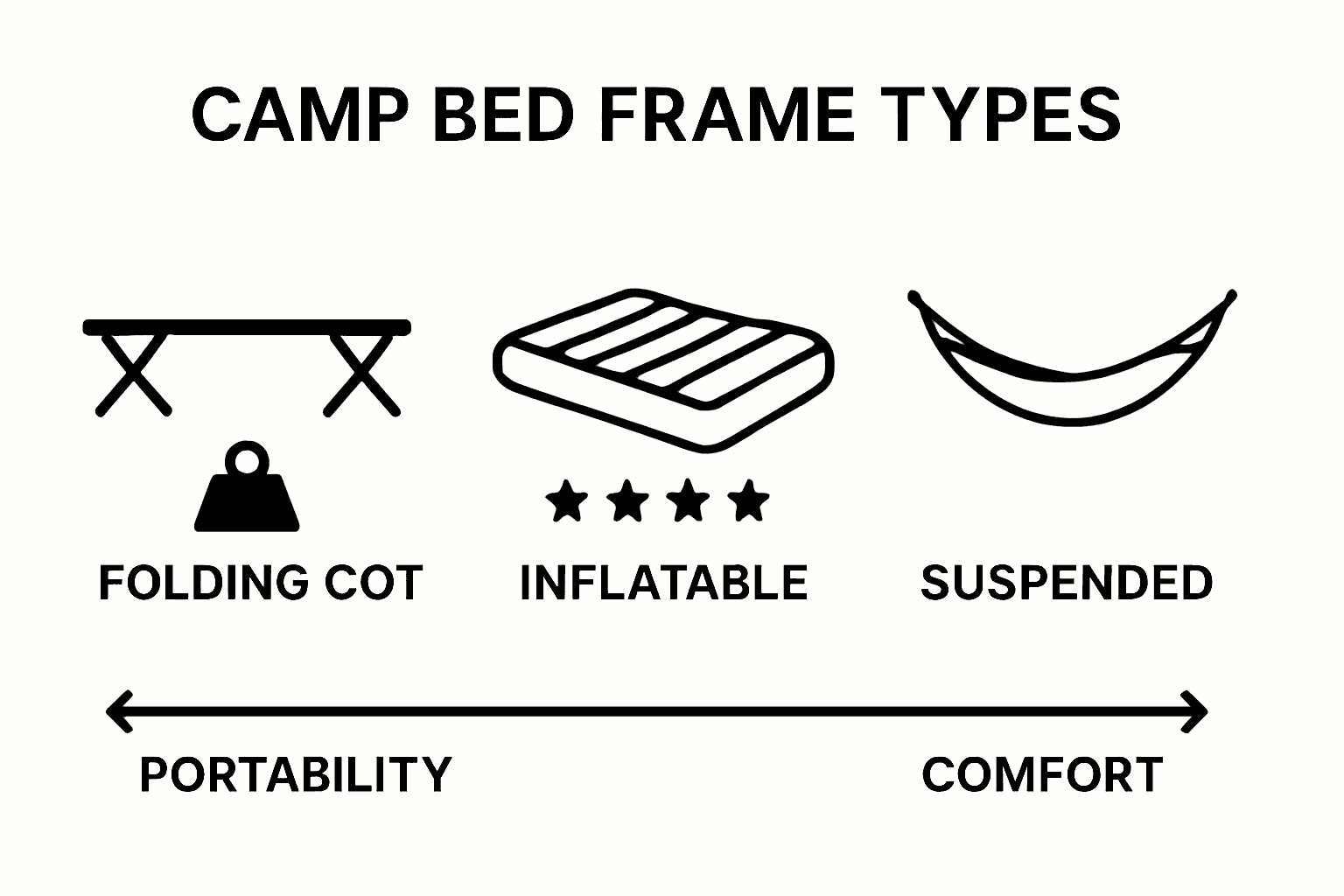
- Folding Cots: Collapsible frames that can be quickly set up and packed away
- Inflatable Bed Frames: Lightweight options that use air chambers for support
- Suspended Frames: Hammock-style beds that offer elevation and flexibility
- Portable Platform Beds: Rigid frames with minimal assembly requirements
Interestingly, cultural designs like the traditional charpai demonstrate the global diversity of portable sleeping solutions. These woven beds from South Asian traditions feature wooden frames and natural-fiber ropes, showcasing how different cultures have developed unique approaches to creating portable sleeping platforms. Outdoor sleeping arrangement innovations continue to push the boundaries of comfort and portability in camping gear.
Pro Tip for Campers: Select a camp bed frame that matches your specific camping environment, considering factors like terrain, weight restrictions, and expected weather conditions.
Here’s a summary of key differences between common types of camp bed frames:
| Bed Frame Type | Weight Range | Best For | Typical Material Used |
|---|---|---|---|
| Traditional Folding Cot | 12–20 pounds | Car/base camp use | Steel frame, canvas surface |
| Inflatable Bed Frame | 5–8 pounds | Backpacking, portability | PVC/nylon with air chambers |
| Suspended (Hammock) | 2–5 pounds | Forests, uneven terrain | Nylon with straps |
| Platform Bed | 10–18 pounds | Quick setup, stability | Aluminum, polyester |
How Camp Bed Frames Function
Camp bed frames function through an ingenious design that prioritizes portability, stability, and comfort for outdoor sleeping environments. The core mechanism involves a collapsible frame typically constructed from lightweight metals like aluminum or steel, which can be quickly expanded or compressed to create a stable sleeping platform. This fundamental engineering allows campers to transform a compact, folded structure into a robust bed within minutes.
The functional design of camp bed frames typically involves several critical components working in synchronized harmony:
- Frame Structure: Typically made of lightweight metal with hinged connections
- Fabric Surface: Durable, tension-stretched material that provides support
- Leg Mechanisms: Adjustable or folding legs that create elevation
- Locking Systems: Secure connections that prevent accidental collapse
Modern camping bedding solutions have further refined these functional principles, incorporating advanced materials and ergonomic designs that enhance stability and user comfort. The suspension and tension mechanisms allow the frame to distribute body weight evenly, reducing pressure points and providing a more comfortable sleeping experience compared to traditional ground sleeping arrangements.
The intricate engineering behind camp bed frames ensures that users can enjoy a consistent sleeping surface across various terrains, from rocky mountainsides to uneven forest floors. By elevating sleepers and creating a protective barrier between the ground and the sleeping area, these frames offer protection from moisture, insects, and temperature fluctuations.
Pro Tip for Campers: Always test your camp bed frame’s locking mechanisms and weight distribution before relying on it in remote camping locations to ensure maximum safety and comfort.
Key Features And Materials
Camp bed frame materials are carefully selected to balance durability, weight, and performance in challenging outdoor environments. Key features of camp beds include lightweight metal frames and robust fabric surfaces designed for maximum portability and resilience. Manufacturers prioritize materials that can withstand diverse environmental conditions while remaining light enough for easy transportation.
The primary materials used in camp bed frame construction typically include:
-
Frame Materials:
- Aluminum: Lightweight and corrosion-resistant
- Steel: Strong and affordable
- Titanium: Ultra-lightweight and extremely durable
-
Surface Materials:
- Ripstop nylon: Tear-resistant and quick-drying
- Canvas: Traditional, heavy-duty fabric
- Polyester: Affordable and water-resistant
Outdoor mattress technologies have further enhanced camp bed frame performance by integrating advanced fabric treatments that provide additional benefits. Modern materials now offer features like moisture-wicking properties, antimicrobial coatings, and enhanced UV resistance, which significantly extend the lifespan and functionality of camping sleep systems.
The structural integrity of camp bed frames relies on precision engineering. Hinged connections, reinforced stress points, and interlocking mechanisms ensure stability across uneven terrain. Manufacturers conduct rigorous testing to guarantee that these frames can support various body weights while maintaining structural reliability in challenging outdoor conditions.
Pro Tip for Campers: Invest in a camp bed frame with rust-resistant materials and sealed joints to ensure longevity and performance in humid or wet camping environments.
Alternatives To Camp Bed Frames
While camp bed frames remain popular, outdoor enthusiasts have several alternative sleeping solutions that can meet different camping needs and preferences. Traditional sleeping platforms like the charpai demonstrate the diverse approaches cultures have developed for portable sleeping arrangements, offering unique alternatives to standard camp bed frames.
The primary alternatives to camp bed frames include:
-
Ground Sleeping Options:
- Sleeping bags directly on ground
- Sleeping pads and ground mats
- Minimalist camping quilts
-
Elevated Sleeping Alternatives:
- Hammocks with integrated sleep systems
- Bunk bed configurations for group camping
- Inflatable air mattresses
- Suspended tent sleeping platforms
Outdoor sleep solutions have evolved significantly, offering campers unprecedented flexibility in choosing their ideal sleeping setup. Modern alternatives often incorporate advanced materials and ergonomic designs that challenge traditional camp bed frame concepts, providing improved comfort, weight reduction, and easier transport.
Each alternative sleeping solution offers unique advantages depending on specific camping environments. Factors like terrain, weather conditions, group size, and personal comfort preferences play crucial roles in determining the most suitable option. Lightweight hammocks work exceptionally well in forest settings, while inflatable mattresses provide excellent comfort for car camping and base camp scenarios.
Pro Tip for Campers: Always test your alternative sleeping system at home before your camping trip to understand its setup, comfort level, and potential limitations in real-world conditions.
The following table compares camp bed frames with their main alternatives for outdoor sleep:
| Sleeping Solution | Elevation from Ground | Comfort Level | Typical Use Environments |
|---|---|---|---|
| Camp Bed Frame | 12–20 inches | High | All terrains, group camping |
| Sleeping Pad | 1–2 inches | Moderate | Backpacking, minimal gear |
| Hammock System | 15–30 inches | Varies by setup | Forests, rocky terrain |
| Inflatable Mattress | 4–10 inches | Very High | Car/base camp, family trips |
Elevate Your Outdoor Sleep Experience with Expert Camp Bed Solutions
Finding the perfect camp bed frame means overcoming challenges like portability, durability, and reliable comfort across all terrains. This article highlights key concerns such as lightweight design, sturdy materials, and proper elevation to protect you from moisture and insects while camping. If you want to avoid restless nights on uneven ground or bulky gear that weighs you down explore how top-quality memory foam mattresses paired with optimized camp bed frames can transform your outdoor sleep.

Discover a curated selection of camping gear built to meet these exact needs at Hazli Collection. Our outdoor sleep systems combine ergonomic comfort with durable materials designed for rugged environments. Don’t settle for traditional options when modern camping demands innovation in your sleeping setup. Take advantage of expert-crafted outdoor mattresses and gear to enjoy restful, elevated sleep wherever your adventure leads. Start enhancing your camp comfort now by visiting Hazli Collection and experience the difference thoughtful design makes.
Frequently Asked Questions
What is a camp bed frame?
A camp bed frame is a portable sleeping platform designed for outdoor use, made from lightweight materials such as aluminum or steel, and typically features a fabric surface for comfort.
How do camp bed frames provide comfort compared to sleeping on the ground?
Camp bed frames elevate sleepers above the terrain, offering protection from moisture, uneven surfaces, and temperature fluctuations, while also serving as a barrier against insects and small animals.
What are the main types of camp bed frames available?
The main types of camp bed frames include traditional folding cots, inflatable bed frames, suspended frames (hammocks), and portable platform beds, each designed for specific outdoor sleeping needs.
What materials are commonly used in camp bed frame construction?
Camp bed frames are typically made from lightweight metals like aluminum or steel for the frame and durable fabrics such as ripstop nylon, canvas, or polyester for the surface, optimizing for portability and durability.
Recommended
- Camp Bedding Organization Guide: Optimize Your Outdoor Comfort – Hazli Collection
- 7 Outdoor Sleeping Arrangement Ideas for Ultimate Comfort – Hazli Collection
- Complete Camp Mattress Cleaning Guide for Outdoor Comfort – Hazli Collection
- Essential Memory Foam Mattress Setup for Outdoor Comfort – Hazli Collection