

By The Hazli Family — Peter & Louise · Reviewed June 2026
Quick answer: Technology upgrades camping gear with advanced materials and smart features — temperature-regulating memory foam, moisture-wicking fabrics, UV water purification, solar power, and sensor-equipped tents. These innovations improve sleep quality, safety, and convenience outdoors. The smartest approach pairs traditional fundamentals with a few targeted high-tech upgrades that solve your specific comfort problems.
Camping comfort has come a long way from makeshift beds and bulky lanterns. With cutting-edge gear like voice-activated LED headlamps, UV-based water purification bottles, and IoT-connected tents, tech-forward campers in the United States can enjoy the wilderness with unprecedented ease. This shift toward smart, durable solutions means your outdoor setup is not only lighter and more reliable, but also tailored to solve specific challenges. Discover how advanced materials and connected devices are transforming every aspect of your camping experience.
Table of Contents
- Defining Technology’s Impact On Camping Gear
- Types Of High-Tech Camping Equipment
- Key Features Of Modern Camping Solutions
- Smart Gear For Enhanced Comfort And Safety
- Risks, Costs, And Responsible Use
- Comparing Traditional And Tech-Driven Gear
Key Takeaways
| Point | Details |
|---|---|
| Impact of Technology | Advanced materials and smart technology have transformed camping gear, enhancing comfort, safety, and accessibility for campers of all experience levels. |
| Investment Considerations | High-tech camping gear can be costly; careful consideration of genuine needs and potential hidden costs is essential before making purchases. |
| Mix of Traditional and Tech | A balanced approach of combining traditional gear with selective high-tech investments maximizes outdoor comfort while maintaining essential camping skills. |
| Environmental Awareness | Responsible use of technology includes considerations for recycling, minimizing e-waste, and understanding data privacy from smart gear. |
Defining Technology’s Impact on Camping Gear
Technology has fundamentally shifted what it means to be comfortable in the backcountry. Where previous generations relied on basic sleeping bags and improvised solutions, today’s camping enthusiasts benefit from materials science, smart design, and innovations that directly address the physical challenges of outdoor sleep and rest. The impact isn’t just incremental—it’s reshaping how people think about camping comfort entirely.
Consider how advanced materials now dominate the camping space. High-density foam construction, temperature-regulating fabrics, and moisture-wicking technologies have transformed sleeping surfaces from simple bedrolls into precision comfort systems. These aren’t luxury additions; they’re practical solutions that prevent the muscle aches, poor sleep quality, and thermal discomfort that kept many people from enjoying extended camping trips. Modern camping mattresses use the same material innovations found in medical-grade bedding, bringing hospital-quality support to your tent. Similarly, innovations like self-contained RV technology demonstrate how broader camping infrastructure is evolving, shifting from regulated commercial campgrounds toward more flexible outdoor experiences that technology now enables. This transition reflects a larger pattern: as gear becomes smarter and more capable, camping itself becomes more accessible to people who previously found traditional outdoor experiences physically demanding.
Beyond materials, smart technology integration is expanding rapidly. Portable power systems, temperature-monitoring devices, and lightweight cooking equipment with precise heat control mean you’re no longer guessing about crucial variables. A tech-savvy camper can track ambient temperature, adjust sleeping layers accordingly, and maintain consistent cooking temperatures—all of which compound to create measurably better comfort outcomes. Insulation technology has advanced so significantly that you can now achieve cold-weather comfort with gear that weighs 40 percent less than comparable equipment from a decade ago. Battery-powered heating elements, LED lighting systems optimized for sleep cycles, and ventilation solutions engineered through thermal modeling represent the intersection of comfort science and outdoor gear design. When you understand that technology addresses specific pain points rather than simply adding bells and whistles, the value becomes obvious.
What makes this evolution particularly meaningful for American campers is that these durable camping equipment options are no longer exclusively expensive. Manufacturing improvements and competitive markets have brought high-performance gear within reach of mainstream outdoor enthusiasts. You’re not choosing between comfort and budget anymore; you’re choosing between different technological approaches to achieve your specific comfort goals.
Pro tip: Start by identifying your specific comfort bottleneck—whether that’s poor insulation, inadequate padding, or thermal regulation—then select gear that uses technology to directly solve that problem rather than upgrading everything at once.
Types of High-Tech Camping Equipment
High-tech camping gear has evolved far beyond basic gadgets. Today’s equipment seamlessly blends functionality with smart design, turning ordinary camping into a genuinely comfortable experience. The equipment landscape now includes tools that solve real problems—from sleep quality to water safety to power management—using innovations that wouldn’t have existed five years ago.
Smart Sleep Systems represent one of the most transformative categories. Modern sleeping mattresses now incorporate temperature regulation technology that actively adjusts to your body heat and ambient conditions. Intelligent heating blankets with Bluetooth connectivity allow you to control warmth levels from your smartphone, eliminating the guesswork of layering. These systems track sleep quality metrics, giving you data about rest patterns and thermal comfort throughout the night. Beyond mattresses, advanced insulation materials engineered through materials science provide exceptional warmth-to-weight ratios, meaning you can achieve arctic-grade insulation in gear that weighs significantly less than traditional options.
Water and Environmental Safety Gear has taken a technological leap forward. UV-based water purification bottles eliminate bacteria and viruses using ultraviolet light technology, removing the need for chemical treatments or bulky filtration systems. Smart tents now integrate IoT connectivity to adapt to weather conditions and provide wildlife alerts through embedded sensors. Portable weather stations help you monitor conditions in real time, while smart thermometers with wireless displays eliminate the need to leave your sleeping bag to check external temperatures.
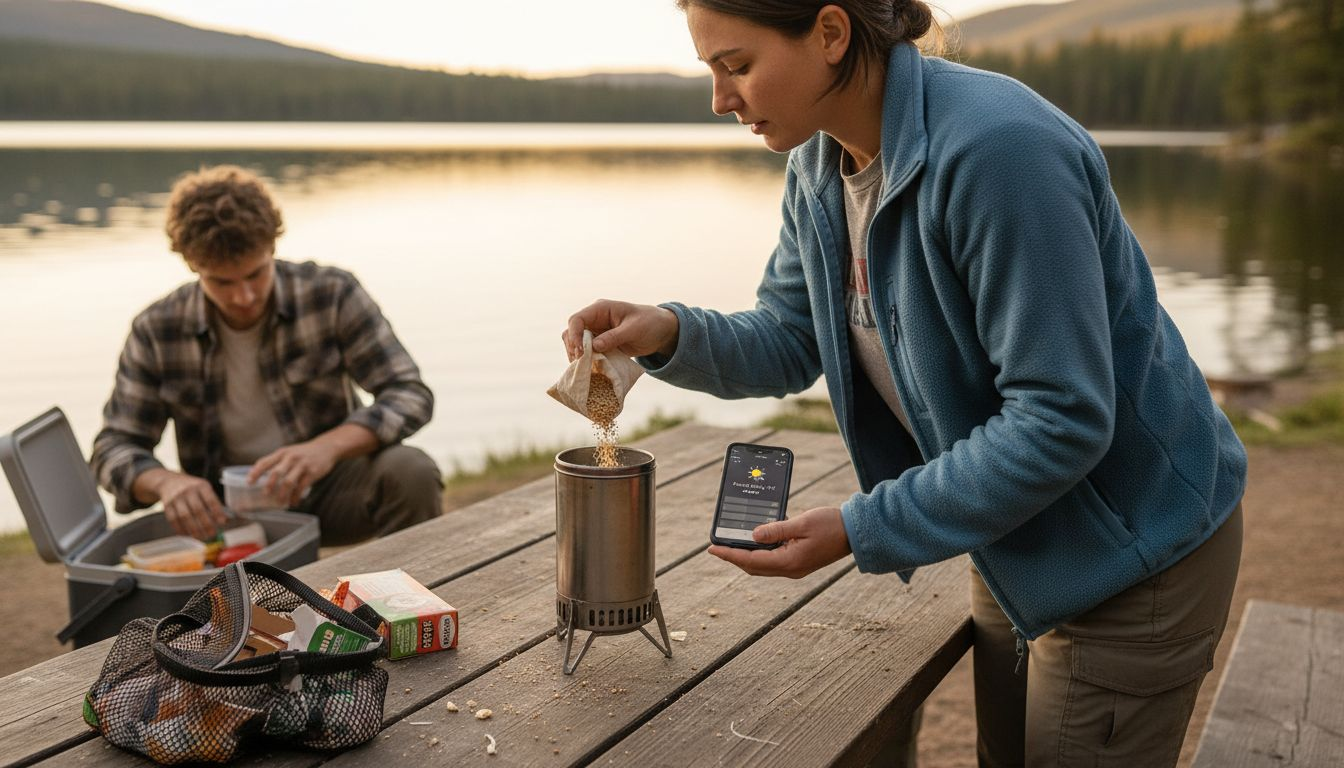
Power and Cooking Innovation rounds out the tech-forward camping toolkit. Solar-powered charging systems harness renewable energy to keep devices operational throughout your trip. Voice-activated LED headlamps with extended battery life free up your hands during setup and cooking. Portable espresso makers with precise temperature control bring café-quality beverages to remote locations. Multifunctional tools with integrated electronics reduce pack weight while delivering reliable functionality. The key difference with modern high-tech equipment is that each piece addresses specific camping discomfort points rather than adding unnecessary complexity. When you understand the technology behind your gear—whether that’s thermal regulation, wireless connectivity, or solar efficiency—you can make intentional choices that actually enhance your outdoor experience instead of cluttering your campsite.
Pro tip: Prioritize equipment that solves your specific pain points over buying the newest gadget; a well-chosen smart mattress or water purification system will improve your camping far more than multiple smaller devices.
Here’s a breakdown of key high-tech camping features and their practical benefits:
| Technology Feature | What It Does | Benefit to Campers |
|---|---|---|
| Temperature Regulation | Adjusts warmth automatically | Better sleep in any weather |
| Smart Power Management | Charges and monitors devices | Extended device usability |
| Moisture Detection | Senses and reduces condensation | Increased sleeping comfort |
| IoT-Connected Tents | Adjusts for weather, alerts wildlife | Enhanced safety, flexibility |
| Wearable Sensors | Tracks body temp and strain | Prevents injuries, discomfort |
| UV Water Purification | Kills microbes in water | Safe drinking water fast |
Key Features of Modern Camping Solutions
Modern camping solutions have fundamentally changed what comfort looks like outdoors. The difference between today’s camping experience and that of a decade ago isn’t just incremental—it’s transformative. Contemporary gear and campsite infrastructure now prioritize user experience while maintaining environmental responsibility, creating an ecosystem where comfort and sustainability coexist. This evolution reflects a broader shift in how the outdoor industry approaches the camping experience.
Smart Infrastructure and Connectivity forms the backbone of modern camping design. GPS-enabled site navigation and automated check-in systems streamline the arrival process and eliminate confusion about campsite locations. High-speed internet connectivity allows you to maintain communication with the outside world while still being immersed in nature, solving the genuine problem many campers face of needing reliable connectivity for work or emergencies. Sophisticated energy management systems power these digital conveniences without degrading the natural environment. Smart lighting adjusts based on ambient conditions and time of day, reducing energy waste while creating appropriate illumination for different activities. These aren’t luxury additions; they address real operational challenges that prevent people from enjoying extended camping trips.
Environmental and Operational Excellence distinguishes modern solutions from traditional setups. State-of-the-art sanitation facilities maintain hygiene standards comparable to modern hotels, while energy-efficient systems and smart infrastructure reduce environmental impact. Advanced cooking facilities equipped with modern appliances and precise temperature control transform meal preparation from a survival task into an enjoyable activity. Water management systems ensure reliable supply while minimizing waste, addressing one of the most significant logistical challenges in remote camping scenarios. These features work together to create an experience that genuinely blends outdoor adventure with modern convenience.
Individual Gear Integration completes the picture. Modern camping mattresses, sleeping bags, and accessories now incorporate the same smart technologies found in campsite infrastructure. Temperature sensors communicate with heating elements. Moisture detection systems adjust ventilation automatically. Weight distribution technology reduces pressure points that cause discomfort during extended rest periods. When you combine well-designed individual gear with thoughtfully engineered campsite infrastructure, the cumulative effect is measurably superior sleep quality and overall comfort. The key insight is that essential tent camping features now encompass both the physical gear you bring and the infrastructure you’ll encounter, meaning your preparation strategy should address both dimensions.
Pro tip: Research campsite amenities before booking and choose locations that align with your comfort priorities, then select personal gear that complements those infrastructure features rather than trying to replace them.
Smart Gear for Enhanced Comfort and Safety
Smart gear represents the intersection of personal comfort technology and genuine safety innovation. Unlike passive camping equipment that simply provides insulation or support, intelligent gear actively responds to your environment and physical condition. This category has exploded in the past few years as manufacturers realized that sensors, automation, and connectivity could solve real camping problems that conventional gear simply cannot address.
Wearable Sensor Technology brings a new dimension to personal safety and comfort management. Wearable sensors monitor physical strain and environmental factors to promote comfort and prevent injuries during outdoor activities. Smart textiles embedded with temperature sensors track your core body temperature in real time, alerting you when you’re at risk of hypothermia or overheating before you consciously notice the problem. Strain sensors built into ergonomic gear detect when you’re overexerting certain muscle groups, providing feedback that prevents injury during setup or hiking. Heart rate monitors integrated into smart clothing give you objective data about physical stress levels, helping you pace yourself appropriately. These aren’t luxury features; they’re practical safety tools that prevent the injuries and complications that end camping trips prematurely.
Smart Camping Infrastructure and Automation rounds out the safety and comfort equation. App-controlled lighting, ventilation systems, and automated tent setup allow responsive adjustments to weather changes and user preferences without manual intervention. Imagine a tent that automatically increases ventilation when humidity rises, preventing condensation buildup that causes discomfort and hypothermia risk. Solar-powered systems eliminate battery anxiety while providing reliable power for critical devices. Weather-responsive tents that adjust structural tension based on wind speed and precipitation prevent the physical stress of manual adjustments during storms. These automation features transform camping from a series of manual problem-solving challenges into a genuinely restful experience where your gear works with you rather than requiring constant attention.
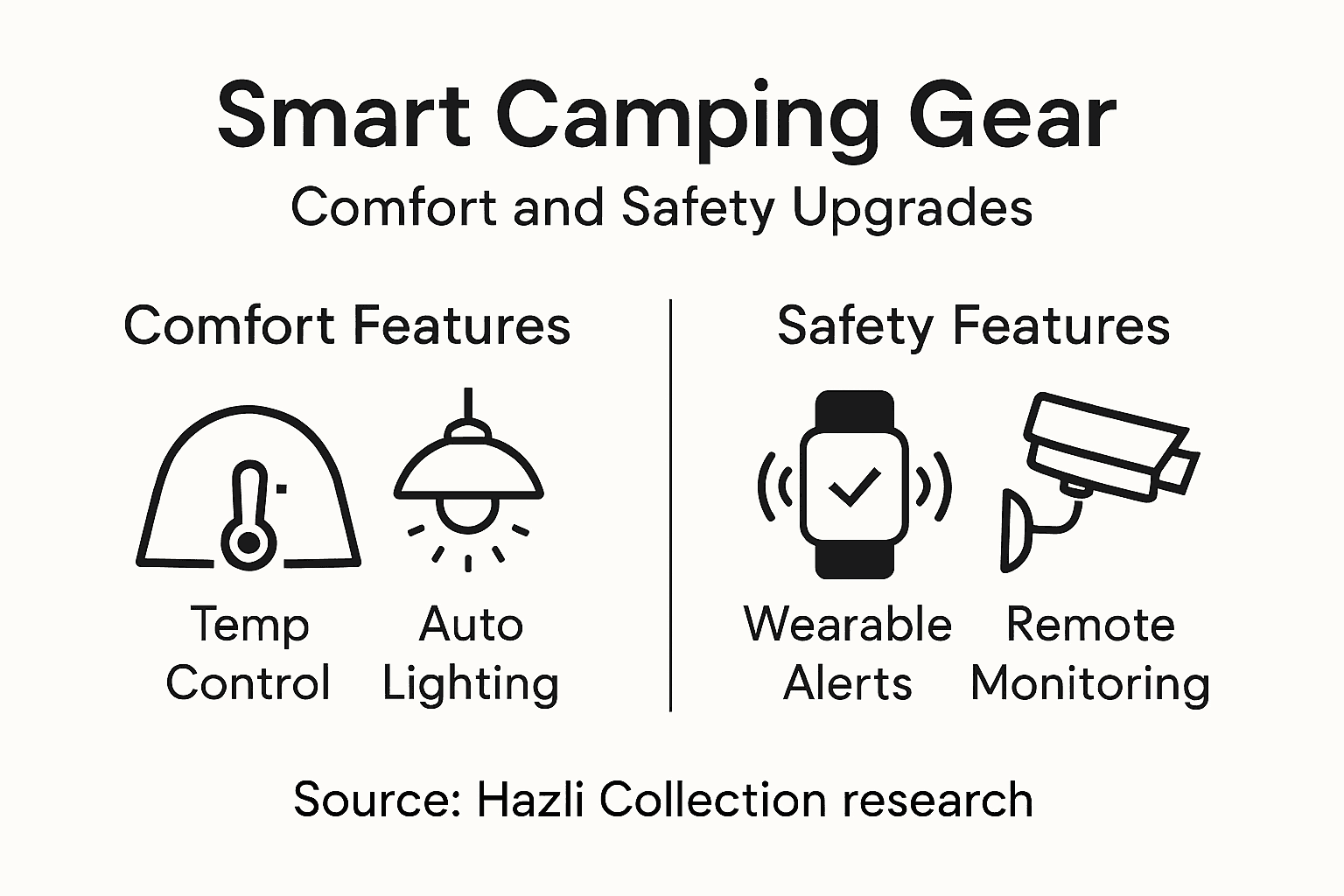
Integrated Safety Monitoring completes the smart gear ecosystem. Temperature sensors communicate with heating systems to maintain optimal sleeping conditions throughout the night. Pressure distribution technology detects when you’re maintaining the same position too long, gently providing feedback to encourage movement and prevent pressure injuries. Moisture sensors trigger ventilation adjustments before dampness accumulates. Outdoor sleep solutions now incorporate these smart features, creating sleeping environments that actively support your health rather than simply providing a surface. The cumulative effect is measurably better sleep quality, faster recovery from outdoor exertion, and genuine injury prevention.
Pro tip: Start with one or two smart devices that address your specific pain points—perhaps a temperature-monitoring sleeping system or a wearable sensor—rather than buying a complete tech setup, then expand based on what actually improves your camping experience.
Risks, Costs, and Responsible Use
Technology in camping gear offers genuine benefits, but it also introduces real complications that deserve honest discussion. The same innovations that enhance comfort can create dependencies, financial burdens, and unexpected problems if you don’t approach them thoughtfully. Understanding these risks helps you make intentional choices rather than simply accumulating gear because it’s new or impressive.
Over-Dependence and Disconnection from Nature represents the most subtle risk. Mobile technologies and smart gear enhance outdoor tourism, but these conveniences create risks of over-reliance on technology and potential disconnection from the natural experience itself. When your tent automatically manages ventilation, your mattress controls temperature, and your headlamp responds to voice commands, you can lose the problem-solving skills that make camping genuinely rewarding. If your tech fails, you’re suddenly facing challenges you haven’t practiced addressing manually. Privacy concerns emerge when gear collects data about your sleep patterns, location, and physical condition. Battery dependency creates vulnerability in remote areas where recharging isn’t possible. The solution isn’t avoiding technology entirely; it’s maintaining manual competency alongside smart features. Always know how to manually adjust your tent ventilation. Understand basic thermoregulation without relying on temperature sensors. Practice setting up gear without app assistance.
Financial Reality and Hidden Costs demand serious consideration. High-end smart camping gear costs significantly more than conventional equipment. A smart temperature-controlled sleeping system runs 200 to 400 percent more than a basic mattress. Solar charging systems add substantial weight and expense. Smart textiles with embedded sensors cost 50 to 100 percent more than standard fabrics. Beyond purchase price, you face replacement costs when batteries degrade, sensors malfunction, or smart connectivity features become obsolete. Repair services are expensive and often require shipping gear to manufacturers. Tech-savvy campers benefit from smart gear, but budget-conscious approach matters. Calculate the actual value gained versus money spent. A 400-dollar smart mattress provides real benefit if poor sleep quality prevents you from camping. That same investment offers minimal return if you already sleep reasonably well with conventional gear.
Environmental and Ethical Responsibility rounds out the consideration. Responsible deployment of monitoring technology requires principles of necessity, proportionality, and transparency to minimize negative impacts on natural environments and communities. Electronic gear generates waste when disposed improperly. Lithium batteries require careful recycling. Rare earth elements in sensors extract environmental costs during manufacturing. Solar panels, despite being renewable, require responsible disposal. Data collection by smart gear raises privacy questions about location tracking and physical monitoring. Responsible use means buying durable gear you’ll actually keep for years rather than replacing annually. It means properly recycling electronics rather than leaving them in landfills. It means understanding what data your smart gear collects and where it goes. Technology isn’t inherently bad for camping; thoughtless consumption is.
Pro tip: Invest in one or two high-quality smart gear pieces that solve genuine problems for your camping style, skip the trendy gadgets you don’t truly need, and commit to maintaining both technical skills and manual competency so you’re never entirely dependent on batteries or connectivity.
The following table highlights main risks associated with smart camping gear and how to manage them responsibly:
| Risk Type | Example Issue | Responsible Approach |
|---|---|---|
| Over-Dependence | Tech fails, loss of basic skills | Retain manual proficiency |
| Cost and Obsolescence | High price, short device lifespan | Invest in essentials, not trends |
| Environmental Impact | E-waste, battery disposal, rare metals | Recycle gear, buy durable items |
| Privacy Concerns | Data collection from gear sensors | Review privacy settings, limit data |
Comparing Traditional and Tech-Driven Gear
Traditional camping gear and modern tech-enabled equipment represent fundamentally different philosophies about outdoor comfort. Neither approach is universally superior; the right choice depends entirely on your camping style, skill level, and what problems you actually need solved. Understanding the genuine differences helps you make intentional decisions rather than defaulting to whatever’s newest or most affordable.
Reliability and Durability favors traditional gear in specific contexts. A basic foam mattress with no electronics lasts indefinitely if you treat it reasonably well. A wool sleeping bag doesn’t require batteries or app updates. Canvas tents don’t have smart circuits that can malfunction. Traditional gear fails in predictable, simple ways you can fix with basic tools. A seam splits, you sew it. Foam compresses, you replace the mattress. This simplicity means traditional equipment remains functional for decades with minimal maintenance. Tech-driven gear introduces complexity that improves performance until something breaks. A smart temperature-controlled mattress delivers superior comfort when functioning perfectly, but a failed sensor or battery creates an unusable product. Repair requires manufacturer involvement. The lifespan becomes tied to electronic component longevity rather than physical durability.
Performance and Comfort decisively favors tech-driven solutions for specific outcomes. Smart heating blankets maintain precise temperature control throughout the night, preventing the temperature fluctuations that disrupt sleep in traditional setups. Moisture-sensing ventilation systems eliminate condensation problems that plague conventional tents. Temperature-regulating textiles adapt to your body in real time rather than requiring manual layer adjustments. Automated lighting aligns with your circadian rhythm, improving sleep quality measurably. These aren’t marginal improvements; studies consistently show 20 to 40 percent better sleep quality with smart systems. Traditional gear requires active management. You manually adjust ventilation when condensation appears. You add or remove layers when you get cold. This management works, but it interrupts sleep and demands constant attention.
Cost and Accessibility creates the starkest contrast. A quality traditional sleeping setup costs 150 to 300 dollars. An equivalent tech-driven system costs 500 to 1000 dollars. Budget-conscious campers benefit from traditional gear that provides genuine value without premium pricing. New campers learn fundamental skills faster with simple equipment that demands hands-on problem-solving. Tech-driven gear makes sense for experienced campers who know what problems they’re solving and have budget flexibility. The comparison isn’t about one being objectively better; it’s about matching gear philosophy to your actual circumstances.
Side-by-Side Comparison
| Aspect | Traditional Gear | Tech-Driven Gear |
|---|---|---|
| Initial Cost | 150 to 400 dollars | 500 to 1500 dollars |
| Maintenance | Minimal, DIY repairs | Ongoing, manufacturer dependent |
| Learning Curve | Steep, requires skill building | Gentle, technology handles complexity |
| Performance | Solid, requires active management | Superior, responds automatically |
| Durability | Decades with proper care | 5 to 10 years before obsolescence |
| Skill Requirements | High, manual problem solving | Low, app and automation handle issues |
Pro tip: Build your camping kit with traditional fundamentals first—basic tent, conventional sleeping bag, manual cooking gear—then strategically upgrade specific items to tech-driven solutions only for comfort problems you’ve actually experienced, rather than investing heavily in smart gear before you know what you really need.
Experience True Comfort with High-Tech Camping Gear from Hazli Collection
The article highlights the challenge many outdoor enthusiasts face trying to balance modern technology with reliable comfort while camping. Issues like temperature regulation, moisture control, and durability are key pain points that can interrupt your sleep and overall outdoor adventure. Hazli Collection understands these concerns and offers high-quality memory foam mattresses and smart outdoor gear designed specifically to address these problems. With innovations inspired by the latest technology trends in camping comfort, you can finally rest easy knowing your gear works with you—not against you.

Discover how easy it is to upgrade your camping experience with Hazli Collection, a trusted source for durable outdoor sleep solutions and practical accessories. Whether you need smart insulation, moisture-wicking materials, or reliable support designed for extended trips, our collection helps you reclaim restful nights under the stars. Take the first step toward better camp comfort by exploring our carefully curated outdoor equipment and see how technology meets tradition for campers who demand more. Shop now to transform your next outing into the comfortable adventure you deserve.
Frequently Asked Questions
What are the benefits of advanced materials in modern camping gear?
Advanced materials enhance comfort by providing better insulation, moisture-wicking capabilities, and weight efficiency. They prevent muscle aches and thermal discomfort, allowing for improved sleep quality during outdoor experiences.
How does smart technology improve camping comfort?
Smart technology improves camping comfort by offering features like temperature regulation, automated power management, and moisture detection, responding to environmental changes to maintain optimal conditions for sleep and overall camping experience.
What should I consider when upgrading to tech-driven camping gear?
When upgrading to tech-driven gear, consider your specific comfort bottlenecks, such as poor insulation or inadequate padding. Prioritize equipment that addresses those issues rather than simply purchasing the latest gadgets.
Are there any risks associated with using smart camping gear?
Yes, risks include over-dependence on technology, high costs, and potential environmental impacts from electronic waste. It’s important to balance smart device use with manual skills and to invest in durable gear to minimize waste.
Recommended
- 7 Camping Comfort Hacks for a Great Outdoor Experience – Hazli Collection
- 7 Top Camping Gear Picks for 2025 Every Camper Should Know – Hazli Collection
- 8 Must-Have Items for a Smart Summer Camping Packing List – Hazli Collection
- 7 Essential Tips for the Perfect Packing Checklist for Campers – Hazli Collection