

By The Hazli Family — Peter & Louise · Reviewed June 2026
Quick answer: A smart summer camping packing list covers eight essentials: comfortable sleeping gear, a weatherproof tent, compact cooking supplies, moisture-wicking clothing layers, personal hygiene items, a stocked first aid kit, lighting and navigation tools, and an efficient family packing strategy. Prioritize lightweight, multipurpose gear and test everything at home before you leave.
Over 40 million american families go camping each year, yet many find themselves unprepared for the unique challenges of outdoor living. An enjoyable adventure hinges on making smart choices for comfort, safety, and convenience. From selecting the right sleeping gear to mastering efficient packing, this guide shares expert-approved essentials every american camper needs to boost confidence and make every experience memorable.
Table of Contents
- Comfortable Sleeping Gear For Better Rest
- Reliable Shelter And Weather Protection
- Essential Cooking Supplies For Easy Meals
- Proper Clothing And Layering Tips
- Personal Care And Hygiene Must-Haves
- First Aid Kit And Safety Essentials
- Smart Lighting And Navigation Tools
- Packing Efficiently For Family Adventures
Quick Summary
| Takeaway | Explanation |
|---|---|
| 1. Choose quality sleeping gear | Proper sleeping gear is vital for comfort and rest, affecting overall camping enjoyment. Consider pads, bags, and liners for optimal performance. |
| 2. Evaluate shelter based on weather | A reliable shelter protects you from unpredictable elements. Look for weatherproof features, size, and portability in your tent selection. |
| 3. Select efficient cooking supplies | Choose compact and multifunctional cooking gear to create enjoyable meals while minimizing pack weight. Practice using your cooking equipment prior to the trip. |
| 4. Prioritize proper clothing layers | Layering is essential for adapting to temperature changes. Use moisture-wicking, insulating, and weatherproof materials for outdoor comfort. |
| 5. Always have a well-stocked first aid kit | A comprehensive first aid kit can address various medical needs in emergencies. Customize it based on group medical requirements and activity type. |
1. Comfortable Sleeping Gear for Better Rest
The foundation of a successful camping trip starts with quality sleeping gear that transforms your outdoor experience from basic survival to genuine comfort. Selecting the right sleeping equipment can mean the difference between waking up refreshed or feeling exhausted from a restless night.
Smart campers understand that sleeping gear is more than just a mat and bag. It’s about creating a portable sleep sanctuary that adapts to changing outdoor conditions. The Washington Trails Association highlights the critical importance of choosing sleeping equipment that provides insulation, cushioning, and temperature regulation.
Key Components of Comfortable Sleeping Gear:
- Sleeping Pad: Select a pad that offers proper cushioning and insulation from the ground. Foam and inflatable options each have unique advantages.
- Sleeping Bag: Choose a bag rated for the expected temperature range of your camping destination.
- Liner: An additional layer that can help adjust temperature and add comfort.
When selecting your sleeping pad, consider the environment and your personal comfort needs. Inflatable pads offer excellent packability and comfort, while closed cell foam pads provide reliable insulation and durability. The American Hiking Society recommends evaluating temperature ratings and fill materials to ensure optimal rest.
Pro tip: Always test your sleeping gear before your trip. A quick backyard or indoor setup can help you understand how your equipment performs and identify any potential issues before you head into the wilderness.
2. Reliable Shelter and Weather Protection
In the unpredictable world of outdoor adventures, your shelter is not just a camping accessory but a critical lifeline that protects you from nature’s whims. Choosing the right shelter means creating a safe haven that shields you from rain, wind, sun, and unexpected temperature changes.
Green Schoolyards America emphasizes the importance of selecting shelters that are not only comfortable but also suited to regional weather conditions. A reliable shelter can mean the difference between an enjoyable camping experience and a miserable outdoor ordeal.
Essential Shelter Selection Criteria:
- Weatherproofing: Look for tents with robust rainfly and sealed seams
- Size and Capacity: Ensure adequate space for your group
- Weight and Portability: Consider the total weight for hiking and transportation
- Seasonal Rating: Match your tent to expected camping conditions
When evaluating shelter options, consider both freestanding and non freestanding designs. Freestanding tents offer quick setup and versatility, while non freestanding options can be lighter and more compact.
Pro Tips for Effective Weather Protection:
- Always pack a lightweight tarp as a backup shelter or ground cover
- Select a tent with good ventilation to prevent condensation
- Bring waterproof stakes and extra guy lines for stability
The Western Massachusetts Hunters Association recommends understanding multiple shelter building techniques as a backup survival skill. While modern camping gear is reliable, knowing how to construct an emergency shelter using natural materials can be a lifesaver in unexpected situations.
Remember that your shelter is your primary defense against the elements. Invest time in selecting the right equipment and always practice setting up your tent before your actual camping trip to ensure a smooth outdoor experience.
3. Essential Cooking Supplies for Easy Meals
Camping meals are more than just sustenance they are an opportunity to create memorable outdoor experiences. Smart campers understand that the right cooking supplies can transform basic trail food into delicious culinary adventures.
The National Wild Turkey Federation emphasizes that reliable cooking equipment is crucial for a comfortable camping experience. Your cooking kit should balance portability lightweight design and functionality.
Core Cooking Equipment Essentials:
- Compact Camping Stove: Choose between propane or backpacking models
- Lightweight Cookware: Nesting pots and pans that minimize pack space
- Multipurpose Utensils: Collapsible or compact eating and cooking tools
- Fuel Containers: Appropriate fuel for your specific stove type
When selecting your cooking gear, consider the duration of your trip and the number of people in your group. Ultralight backpackers might prefer minimalist single burner stoves, while group campers may want more robust cooking systems.
Smart Packing Strategies:
- Pack meals that require minimal preparation
- Bring resealable containers for food storage
- Include a small cutting board and lightweight knife
- Carry water filtration or purification system
Pro tip: Always test your camping stove and cooking equipment before your trip. Practice setting up and using your gear to avoid frustrating surprises in the wilderness. A little preparation goes a long way in ensuring smooth and enjoyable outdoor cooking experiences.
Remember that good camping meals are about simplicity efficiency and enjoying food in natures beautiful settings. Your cooking supplies should support that goal without becoming a burden.
4. Proper Clothing and Layering Tips
Smart campers know that clothing is more than fashion its your primary defense against unpredictable outdoor environments. The right clothing strategy can mean the difference between a comfortable adventure and a miserable experience.
The Great Smoky Mountains Institute emphasizes the critical importance of selecting materials that perform well in changing conditions. Avoid cotton clothing which becomes heavy and loses insulating properties when wet.
Layering Principles for Outdoor Comfort:
- Base Layer: Moisture wicking synthetic or merino wool materials
- Insulating Layer: Fleece or lightweight down jackets
- Outer Layer: Waterproof and windproof shell
- Additional Accessories: Lightweight gloves hat and neck protection
The National Center for Outdoor & Adventure Education recommends using merino wool or synthetic materials that effectively manage moisture. These fabrics keep you dry by pulling sweat away from your skin and drying quickly.
Pro Tips for Clothing Selection:
- Pack lightweight quick drying underwear and socks
- Choose zip off pants for versatility
- Bring a lightweight rain jacket
- Pack extra socks and a warm hat
Remember that layering allows you to adjust to changing temperatures quickly. Start with a moisture wicking base layer add an insulating middle layer and top with a protective outer shell. This approach gives you maximum flexibility in varying weather conditions.
5. Personal Care and Hygiene Must-Haves
Staying clean and comfortable during your outdoor adventure is not just about convenience its about maintaining your health and enjoying your camping experience. Proper personal hygiene becomes even more critical when youre miles away from modern facilities.
The Girl Scouts of Eastern Oklahoma recommend packing a comprehensive set of personal care items that keep you fresh and prepared for any situation.
Essential Personal Hygiene Checklist:
- Biodegradable Soap: Environmentally friendly cleaning solution
- Quick Dry Towel: Compact and efficient moisture management
- Toothbrush and Toothpaste: Travel sized for minimal pack weight
- Hand Sanitizer: Alcohol based for effective germ protection
- Moisturizing Lip Balm: Protect against wind and sun exposure
- Compact Toiletry Kit: Organized and lightweight storage
The National Center for Outdoor & Adventure Education emphasizes using biodegradable products that minimize environmental impact while maintaining personal cleanliness.
Pro Packing Tips:
- Pack items in waterproof zip lock bags
- Choose multipurpose products when possible
- Bring small travel sized containers
- Consider solid hygiene products to reduce liquid weight
Remember that good personal hygiene doesnt mean bringing your entire bathroom. Focus on compact lightweight items that meet your essential needs while respecting the natural environment around you.
6. First Aid Kit and Safety Essentials
In the wilderness unexpected situations can emerge quickly turning a peaceful camping trip into a potential emergency. Being prepared with a comprehensive first aid kit is not just smart its potentially lifesaving.
The National Wild Turkey Federation emphasizes the critical importance of having well stocked safety essentials that can address a range of potential medical needs during outdoor adventures.
First Aid Kit Essentials:
- Adhesive Bandages: Multiple sizes for wound coverage
- Antiseptic Wipes: Clean wounds and prevent infection
- Gauze Pads: Control bleeding and protect injuries
- Pain Relief Medications: Ibuprofen or acetaminophen
- Tweezers: Remove splinters or ticks
- Elastic Wrap: Support potential sprains or strains
- Emergency Blanket: Provides warmth in unexpected situations
Smart Packing Strategies:
- Pack items in waterproof container
- Check expiration dates before trip
- Include personal medications
- Learn basic first aid techniques before camping
- Consider individual group medical needs
Pro tip: Customize your first aid kit based on your specific outdoor activity location and potential environmental challenges. A well prepared first aid kit is your frontline defense against potential medical issues in remote settings.
7. Smart Lighting and Navigation Tools
When darkness falls in the wilderness your lighting and navigation tools transform from convenient accessories to critical survival equipment. Smart campers understand that proper illumination and directional awareness can mean the difference between confidence and confusion.
The National Wild Turkey Federation highlights the critical importance of personal and camp lighting sources that provide reliable visibility and safety during outdoor adventures.
Essential Lighting Tools:
- Headlamp: Hands free illumination for setting up camp or night hiking
- Compact Flashlight: Backup light source with long battery life
- Rechargeable Lantern: Camp area illumination with multiple power options
- Extra Batteries: Ensure continuous power for electronic devices
Navigation Essentials:
- Waterproof Compass: Reliable directional guidance
- Topographical Maps: Detailed terrain information
- GPS Device: Backup electronic navigation tool
- Offline Map Downloads: Preserve navigation capabilities without cellular signal
Pro tip: Always pack multiple lighting sources with different power methods. Combine battery powered electronic devices with traditional tools like matches or solar chargers to ensure you never find yourself unexpectedly in the dark.
8. Packing Efficiently for Family Adventures
Successful family camping trips are not about packing everything you own but strategically selecting versatile gear that meets multiple needs while minimizing weight and complexity. Smart packing transforms outdoor experiences from stressful to seamless.
The Girl Scouts of Eastern Oklahoma provide an excellent framework for systematic and efficient equipment preparation that helps families streamline their outdoor adventures.
Strategic Packing Principles:
- Multipurpose Clothing: Layers that adapt to temperature changes
- Compact Gear: Lightweight equipment with multiple functions
- Shared Resources: Distribute group gear among family members
- Individual Responsibility: Assign age appropriate packing tasks
Efficient Packing Strategies:
- Use compression bags to minimize clothing volume
- Pack items in clear waterproof containers
- Create individual family member packing checklists
- Teach children basic packing and organizational skills
The National Center for Outdoor & Adventure Education recommends organizing gear systematically to maximize space and accessibility. Practice packing together as a family to build excitement and ensure everyone understands their role in preparing for the adventure.
Pro tip: Conduct a practice pack at home before your trip. This helps identify unnecessary items refine your strategy and ensure everyone is comfortable with their gear.
Below is a comprehensive table summarizing the key components and strategies for a successful camping experience discussed throughout the article.
| Topic | Description | Key Considerations |
|---|---|---|
| Comfortable Sleeping Gear | Includes sleeping pads, bags, and liners to ensure restful nights. | Insulation, cushioning, temperature regulation, and testing gear before use. |
| Reliable Shelter & Weather Protection | Critical for protection against elements with considerations for size, weight, and seasonal ratings. | Weatherproofing, ventilation, extra tarp, and backup shelter knowledge. |
| Essential Cooking Supplies | Equipment essential for camping meals, including stoves, cookware, and utensils. | Portability, fuel type, test gear before trip, and water purification. |
| Proper Clothing & Layering | Outfits to adapt to environmental changes using layers for protection and comfort. | Avoid cotton, quick-drying materials, and extra accessories like hats and gloves. |
| Personal Hygiene | Items to maintain cleanliness and comfort, such as soap, towels, and sanitizers. | Biodegradable products, compact packing, and multipurpose items. |
| First Aid Kit & Safety Essentials | Comprehensive kits for addressing medical needs in the wilderness. | Waterproof packing, checking expiration dates, personal medications, and first aid knowledge. |
| Smart Lighting & Navigation Tools | Vital sources for visibility and direction, like headlamps and compasses. | Multiple light sources, extra batteries, and offline navigation options. |
| Packing Efficiently | Strategies for family camping to minimize weight and ensure versatility. | Multipurpose gear, shared resources, compression bags, and individual responsibility. |
Elevate Your Summer Camping Experience with Essential Gear
Packing smart for your summer outdoor adventure means focusing on comfort, reliable shelter, and efficient cooking solutions as highlighted in the article. Avoid restless nights by choosing the right sleeping gear along with durable and weatherproof shelters designed for unpredictable conditions. Hazli Collection understands these challenges and offers a range of high-quality products tailored to meet your camping needs.
Discover our specially curated Car Camping Essentials – Hazli Collection selection that emphasizes comfort with memory foam mattresses, practical cooking accessories, and weather-ready shelters. Every piece is designed to enhance your outdoor lifestyle while keeping packing light and efficient.
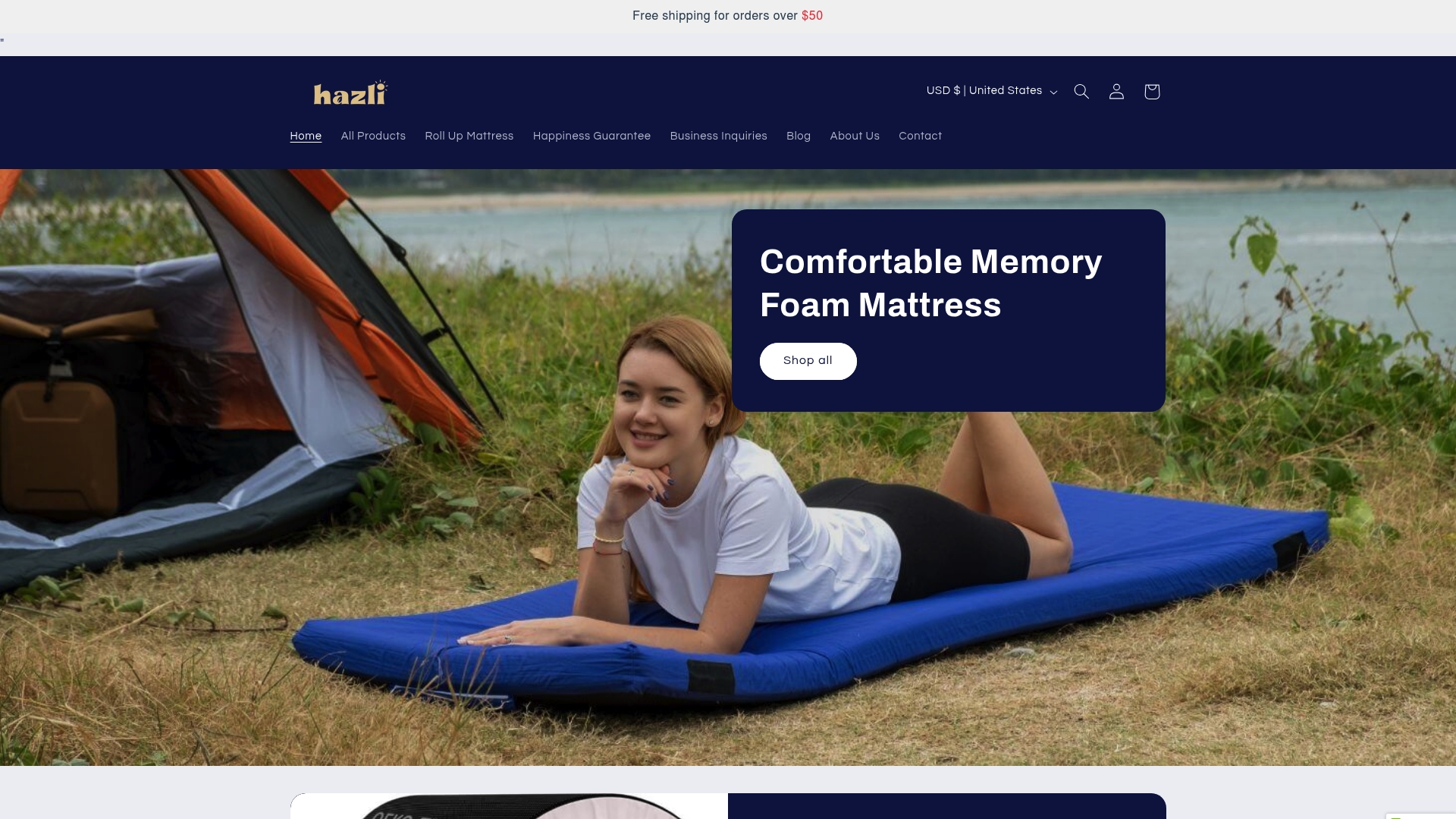
Don’t wait until your next trip to upgrade your gear. Visit Hazli Collection now to find reliable camping equipment that makes every summer adventure safer and more comfortable. Start packing smarter today with gear that supports all the must-have items from your camping checklist.
Frequently Asked Questions
What are the must-have items for a smart summer camping packing list?
To ensure a successful camping experience, focus on essential items such as a comfortable sleeping pad, a weatherproof tent, reliable cooking supplies, proper clothing layers, personal hygiene products, a well-stocked first aid kit, lighting tools, and efficient packing strategies. Prioritize items that enhance comfort and safety to make the most of your trip.
How can I choose the right sleeping gear for summer camping?
Select a sleeping pad that offers adequate cushioning and insulation, paired with a sleeping bag rated for summer temperatures. Test your sleeping arrangement at home to ensure it meets your comfort needs before your camping trip.
What factors should I consider when selecting a cooking system for camping?
Consider Factors such as the size of your group, the duration of your trip, and the type of meals you want to prepare. Choose a compact camping stove and lightweight cookware that suit your needs, ensuring they fit easily into your packing plan.
How do I pack efficiently for a family camping trip?
To pack efficiently, categorize your gear into multipurpose items and allocate shared resources among family members. Assign age-appropriate packing responsibilities to each family member, and practice packing together to streamline your preparations.
What should I include in my first aid kit for camping?
Include essential items in your first aid kit such as adhesive bandages, antiseptic wipes, gauze pads, pain relief medications, and tweezers. Regularly check your kit for expired items and tailor its contents based on specific health needs of your group to ensure preparedness.
What lighting tools are best for summer camping?
Pack a headlamp for hands-free lighting, a compact flashlight for emergencies, and a rechargeable lantern for bright camp area illumination. Always bring extra batteries to keep your devices powered throughout your trip.