

Finding camping gear that truly matches both your sense of adventure and your values can feel frustrating in a world full of plastic waste and throwaway products. Eco-conscious campers across the United States are searching for equipment that lasts, feels good to use, and protects nature with every trip. Learn how sustainable camping gear uses recycled materials, innovative manufacturing, and thoughtful design so you can camp comfortably while minimizing your footprint.
Table of Contents
- What Makes Camping Gear Sustainable?
- Types of Sustainable Outdoor Equipment Explained
- Core Features of Eco-Friendly Camping Products
- Real-World Impact on Camping and Nature
- Choosing and Caring for Sustainable Gear
- Comparing Options: Sustainable Vs. Conventional Gear
Key Takeaways
| Point | Details |
|---|---|
| Sustainable Material Use | Gear made from recycled and eco-friendly materials minimizes environmental impact and promotes responsible consumption. |
| Holistic Design Approach | Sustainable camping gear focuses on durability, repairability, and recyclability, resulting in lower long-term waste. |
| Performance and Stewardship | High-performance gear can coexist with environmental responsibility, enabling campers to enjoy nature while protecting it. |
| Cost-Benefit Perspective | Although sustainable gear may have a higher initial cost, it often provides greater longevity and lower overall expenses over time. |
What Makes Camping Gear Sustainable?
Sustainable camping gear represents a comprehensive approach to outdoor equipment design that minimizes environmental impact while maximizing durability and performance. At its core, sustainable camping gear focuses on reducing waste, utilizing eco-friendly materials, and creating products that have a minimal carbon footprint throughout their entire lifecycle.
The key elements of sustainable camping gear include:
- Recycled Materials: Using textiles and components made from reclaimed plastics, discarded fishing nets, and post-consumer waste
- Low-Impact Manufacturing: Producing gear through processes that consume less energy and generate minimal greenhouse gas emissions
- Circular Design: Creating products intended to be repaired, reused, or fully recycled at the end of their useful life
- Toxic-Free Production: Eliminating harmful chemical treatments and choosing environmentally safe manufacturing techniques
Manufacturers are increasingly adopting innovative strategies to create more sustainable camping equipment. Circular tent production methods are transforming how outdoor gear is conceptualized, with many brands now prioritizing recycled materials and waste reduction techniques. These approaches not only reduce environmental damage but also create more resilient products that can withstand multiple camping seasons.
The shift towards sustainable camping gear isn’t just about material choices - it’s a holistic reimagining of how outdoor equipment is designed, produced, and ultimately disposed of. By selecting gear made with recycled components, minimal toxic treatments, and designed for longevity, campers can significantly reduce their environmental footprint while enjoying high-performance outdoor equipment.
Pro tip: When shopping for sustainable camping gear, look for certifications like bluesign® or Fair Trade, which indicate responsible manufacturing practices and environmental consciousness.
Types of Sustainable Outdoor Equipment Explained
Sustainable outdoor equipment represents a diverse range of products designed to minimize environmental impact while delivering exceptional performance for adventurers and nature enthusiasts. Eco-friendly outdoor gear has evolved dramatically, incorporating innovative materials and manufacturing processes that reduce waste and carbon emissions.
The primary categories of sustainable outdoor equipment include:
-
Apparel and Clothing
- Jackets made from recycled plastic bottles
- Shirts and pants using organic cotton
- Performance wear utilizing regenerated nylon
-
Camping Equipment
- Tents constructed with recycled polyester
- Sleeping bags featuring biodegradable insulation
- Backpacks made from reclaimed ocean plastics
-
Footwear
- Hiking boots with natural rubber soles
- Trail runners using recycled materials
- Sandals made from sustainable cork and recycled components
Manufacturers are increasingly focusing on creating outdoor gear that not only performs exceptionally but also minimizes environmental damage. By utilizing innovative materials like recycled polyester, organic hemp, and low-impact synthetics, brands are revolutionizing how outdoor equipment is conceptualized and produced.
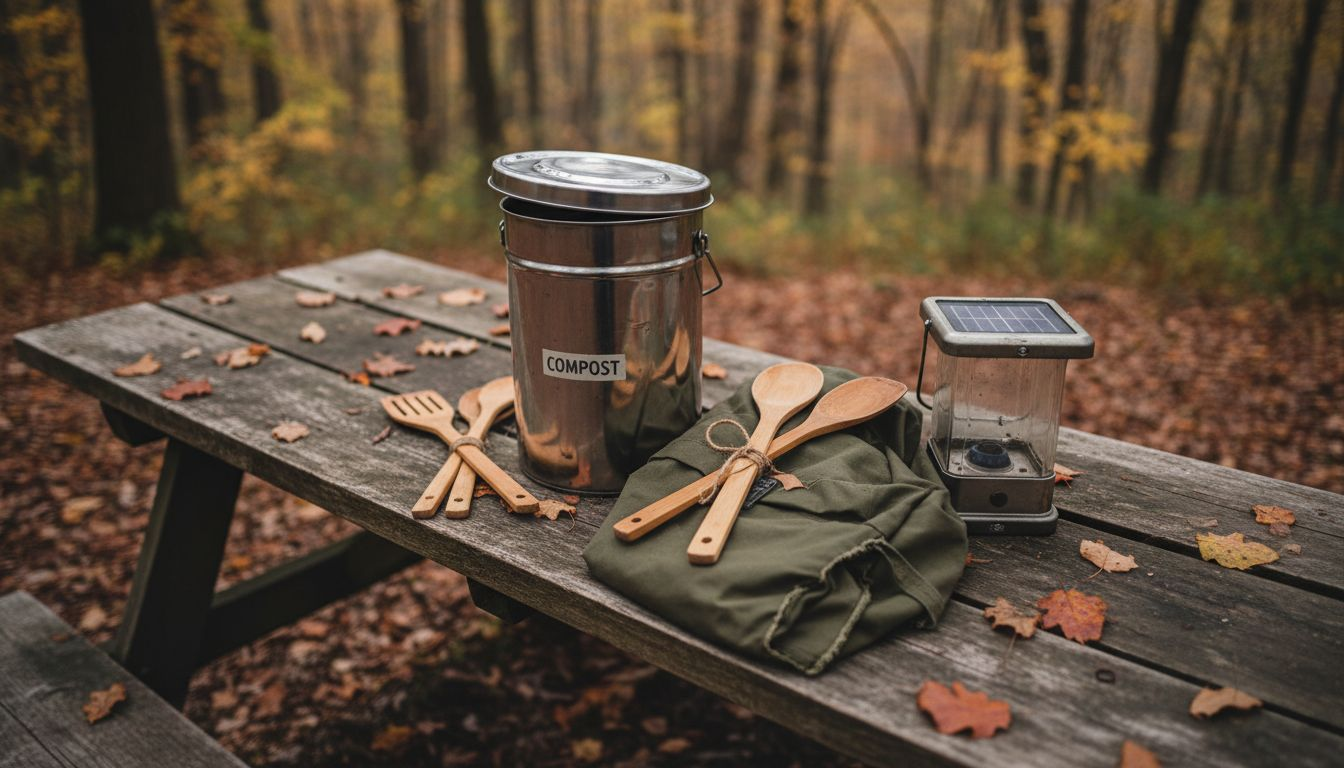
The future of sustainable outdoor equipment lies in a holistic approach that considers the entire product lifecycle. This means designing gear that is not just environmentally friendly during production, but also durable, repairable, and ultimately recyclable.
Pro tip: When purchasing sustainable outdoor gear, look for transparent supply chain information and third-party environmental certifications to ensure genuine sustainability.
Here’s how sustainable gear categories differ by materials and impact:
| Category | Typical Sustainable Materials | Key Environmental Benefit |
|---|---|---|
| Apparel | Recycled polyester, organic cotton | Lower energy use, less waste |
| Tents & Sleeping | Recycled polyester, biodegradable fills | Reduced pollution, easy recycling |
| Footwear | Natural rubber, recycled synthetics | Fewer toxic chemicals, conserves resources |
| Backpacks | Reclaimed ocean plastics | Keeps plastic out of oceans |
Core Features of Eco-Friendly Camping Products
Eco-friendly camping products represent a sophisticated approach to outdoor gear design that prioritizes environmental responsibility without compromising performance. Eco-friendly camping gear has evolved to integrate multiple sustainable features that address the entire lifecycle of outdoor equipment.
The core features of sustainable camping products include:
-
Material Composition
- Recycled synthetic materials
- Organic and renewable natural fibers
- Biodegradable components
- Low-toxicity manufacturing processes
-
Durability and Longevity
- Reinforced construction techniques
- High-quality materials that resist wear
- Repairable design elements
- Extended product lifecycle
-
Environmental Impact Considerations
- Minimal carbon footprint during production
- Reduced water consumption in manufacturing
- Ethical and transparent supply chains
- End-of-life recyclability or biodegradability
Manufacturers are developing innovative solutions that transform how camping equipment is conceived, produced, and ultimately disposed of. By focusing on materials that minimize environmental damage, they’re creating products that not only perform exceptionally but also align with responsible outdoor practices.
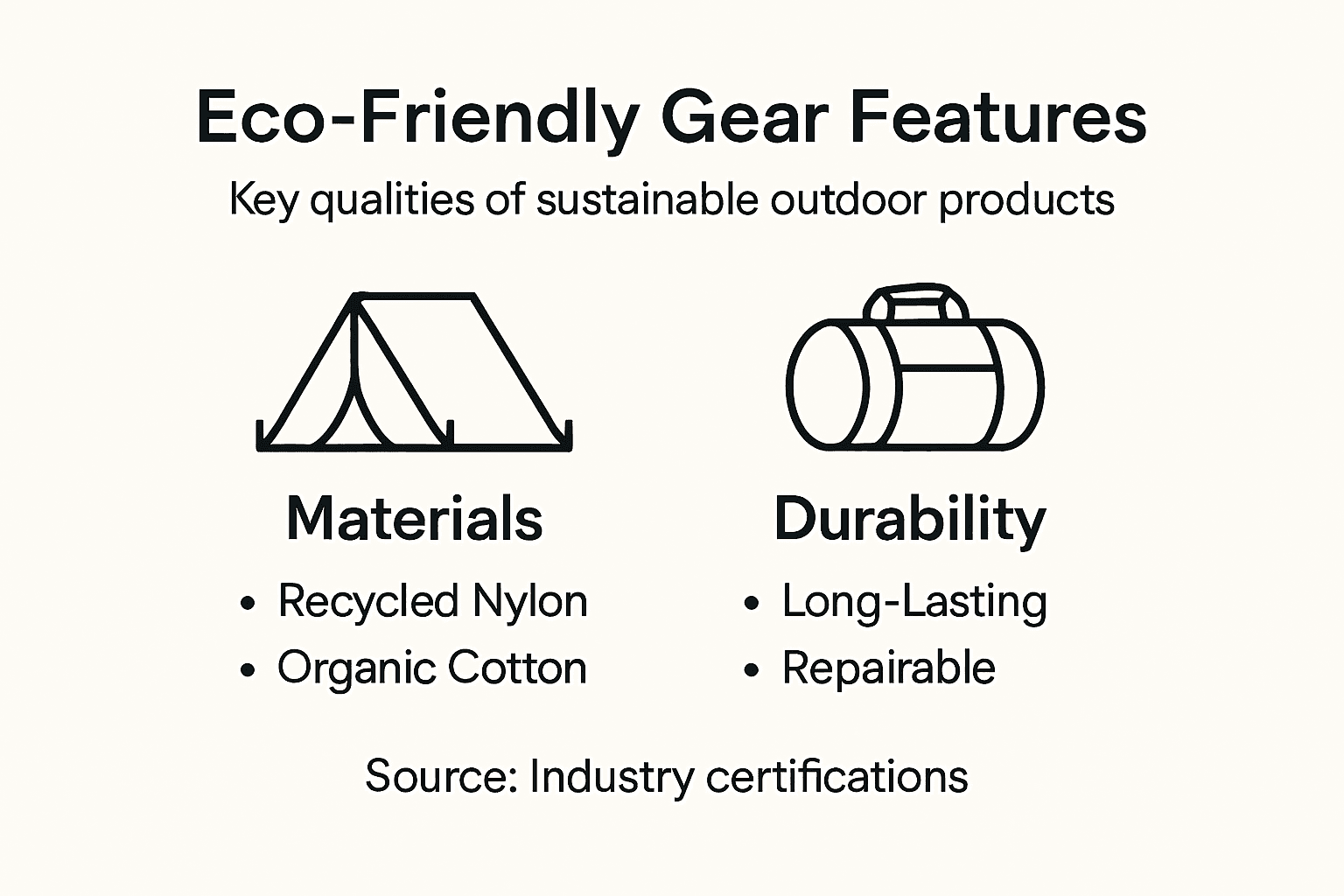
The ultimate goal of eco-friendly camping products is to create a seamless balance between high-performance gear and environmental stewardship. This means developing equipment that protects natural spaces while providing campers with reliable, comfortable, and sustainable outdoor experiences.
Pro tip: Research brands that provide clear sustainability certifications and transparent manufacturing processes when selecting eco-friendly camping gear.
Real-World Impact on Camping and Nature
Sustainable camping practices represent a critical approach to preserving natural environments while enjoying outdoor experiences. Eco-camping strategies have emerged as a powerful method for minimizing human impact on wilderness areas and protecting delicate ecosystems.
The real-world environmental benefits of sustainable camping include:
-
Wildlife Protection
- Reduced habitat disruption
- Minimized noise and chemical pollution
- Preservation of natural migration patterns
- Less interference with animal territories
-
Ecosystem Conservation
- Lower carbon footprint from camping activities
- Decreased soil and water contamination
- Reduced waste generation in natural spaces
- Promotion of responsible outdoor recreation
-
Long-Term Environmental Impact
- Protecting biodiversity hotspots
- Supporting local conservation efforts
- Creating awareness about environmental stewardship
- Inspiring sustainable travel practices
Campers who adopt sustainable gear and practices become active participants in environmental conservation. By making conscious choices about their equipment and behavior, outdoor enthusiasts can significantly reduce their ecological footprint while enjoying the natural world.
The broader impact extends beyond individual camping trips. Each sustainable choice creates a ripple effect, encouraging manufacturers to develop more environmentally responsible products and inspiring other outdoor enthusiasts to adopt more mindful practices.
Pro tip: Always follow the “Leave No Trace” principles and choose camping gear that supports minimal environmental disruption.
Choosing and Caring for Sustainable Gear
Selecting and maintaining sustainable camping gear requires a thoughtful approach that balances performance, durability, and environmental responsibility. Eco-friendly camping gear selection involves understanding the nuanced characteristics that make outdoor equipment truly sustainable.
Key considerations when choosing sustainable camping gear include:
-
Material Quality
- Recycled and renewable material composition
- Certifications from recognized environmental organizations
- Minimal chemical treatments
- Low environmental production impact
-
Durability Factors
- Reinforced construction techniques
- Repairable design features
- High-quality stitching and connections
- Resistance to wear and environmental stress
-
Maintenance Strategies
- Proper cleaning techniques
- Storage in controlled environments
- Regular equipment inspections
- Professional repair services for complex gear
Sustainable gear requires ongoing care to maximize its lifecycle and minimize environmental impact. Campers who invest time in understanding their equipment’s specific maintenance requirements can significantly extend its usable life, reducing overall waste and consumption.
The ultimate goal is creating a responsible relationship with outdoor equipment. By making intentional choices about gear selection and maintenance, outdoor enthusiasts can minimize their environmental footprint while enjoying high-performance camping experiences.
Pro tip: Invest in multi-purpose, repairable gear and learn basic maintenance skills to extend your equipment’s lifespan.
Comparing Options: Sustainable vs. Conventional Gear
Understanding the fundamental differences between sustainable and conventional camping gear requires a comprehensive examination of their environmental, performance, and long-term economic impacts. Sustainable outdoor gear design represents a transformative approach to outdoor equipment that challenges traditional manufacturing paradigms.
Key comparative aspects include:
-
Material Composition
-
Sustainable Gear
- Recycled and renewable materials
- Low environmental production impact
- Biodegradable components
- Minimal toxic chemical treatments
-
Conventional Gear
- Virgin synthetic materials
- High carbon footprint
- Petroleum-based components
- Extensive chemical processing
-
-
Lifecycle Performance
-
Sustainable Gear
- Longer functional lifespan
- Easier to repair
- More resilient construction
- Reduced waste generation
-
Conventional Gear
- Shorter useful life
- Difficult repair options
- Faster material degradation
- Higher replacement frequency
-
The economic calculus of sustainable gear extends beyond initial purchase price. While eco-friendly options might require a higher upfront investment, they typically offer superior durability and lower long-term replacement costs, creating a more financially prudent approach for conscientious outdoor enthusiasts.
Ultimately, the choice between sustainable and conventional gear represents more than a personal equipment decision. It reflects a broader commitment to environmental stewardship, responsible consumption, and supporting innovative manufacturing practices that prioritize planetary health.
Pro tip: Calculate the total lifecycle cost of gear, not just the initial price, to make truly informed purchasing decisions.
This table highlights how sustainable camping gear improves long-term value compared to traditional options:
| Aspect | Sustainable Gear | Conventional Gear |
|---|---|---|
| Initial Cost | Higher upfront investment | Lower purchase price |
| Longevity | Extended usable lifespan | Shorter product life |
| Repairability | Easy to fix or refurbish | Limited repair options |
| Total Cost Over Time | Lower due to fewer replacements | Higher due to frequent replacement |
| Environmental Impact | Minimal waste, low emissions | More landfill, higher footprint |
Elevate Your Outdoor Experience with Sustainable Comfort
Choosing sustainable camping gear is about more than just protecting nature. It is about experiencing the outdoors with confidence knowing your equipment supports durability, low environmental impact, and long-term value. Many campers struggle to find gear that balances eco-friendly materials with reliable comfort, especially when it comes to sleeping solutions that endure the rigors of adventure.
At Hazli Collection, we understand these challenges deeply. That is why we offer high-quality memory foam mattresses and camping accessories designed to enhance your outdoor rest while aligning with sustainable principles like repairability and minimal waste. Our products combine innovative comfort with practical durability, helping you reduce your environmental footprint without compromising your camping experience.

Ready to make a responsible choice that supports both the planet and your peace of mind? Explore our collection today at Hazli Collection and discover how sustainable gear can transform your next adventure. Learn more about the benefits of eco-friendly camping gear to align your outdoor lifestyle with environmental stewardship, and start enjoying the perfect blend of comfort and sustainability now.
Frequently Asked Questions
What is sustainable camping gear?
Sustainable camping gear refers to outdoor equipment designed to minimize environmental impact through the use of recycled materials, low-impact manufacturing processes, and circular design principles that support repair and recycling.
Why does sustainable gear matter for outdoor enthusiasts?
Sustainable gear helps reduce the ecological footprint of camping activities, protects natural habitats, conserves resources, and promotes responsible outdoor recreation while providing high-performance equipment.
How can I identify truly sustainable camping products?
Look for certifications such as bluesign® or Fair Trade, check for transparent supply chain information, and choose products made from recycled or biodegradable materials to ensure genuine sustainability.
What are the main benefits of using eco-friendly camping gear?
The main benefits include reduced waste generation, lower carbon emissions, greater durability and longevity of products, and the potential to support wildlife and ecosystem conservation efforts.
Recommended
- 8 Essential Camping Sustainability Tips for Nature Lovers – Hazli Collection
- Understanding Your Camping Gear Buying Guide Essentials – Hazli Collection
- Role of Technology in Camping Gear: Enhancing Comfort – Hazli Collection
- 8 Must-Have Items for a Smart Summer Camping Packing List – Hazli Collection