

By The Hazli Family — Peter & Louise · Reviewed June 2026
Quick answer: Prepare for a camping trip by booking your campsite early (popular parks open reservations six months to a year ahead), choosing a temperature-rated sleeping bag and insulated pad, packing moisture-wicking layers with waterproof shells, prepping simple one-pot meals in labeled bags, and test-pitching your tent and gear at home before departure.
Over half of American families report that reservation stress and gear confusion are the biggest hurdles in planning camping trips. If your goal is more comfort and fewer hassles outdoors, getting ahead of these challenges matters. This guide helps you avoid common mistakes by showing how to research campsites, select sleeping gear, and organize essentials so your next trip delivers relaxation from start to finish.
Table of Contents
- Step 1: Research Your Campsite And Confirm Reservations
- Step 2: Choose Comfortable Sleeping Gear And Essentials
- Step 3: Pack Practical Clothing And Weather Protection
- Step 4: Plan And Prep Simple Camping Meals
- Step 5: Test And Arrange Gear For Comfort
Quick Summary
| Main Insight | Detailed Explanation |
|---|---|
| 1. Research Campsite Reservations | Investigate national park booking systems early, as many require advance reservations, sometimes up to a year ahead. |
| 2. Choose Quality Sleeping Gear | Select warm sleeping bags and suitable sleeping pads for comfort, tailored to your camping environment and expected temperatures. |
| 3. Pack Strategic Clothing Layers | Use moisture-wicking base layers, insulating middle layers, and waterproof outer layers to adapt to changing weather conditions. |
| 4. Plan Simple, Nutritious Meals | Prepare lightweight, easy-to-cook meals that require minimal equipment, ensuring sufficient nutrition and reduced waste. |
| 5. Test Gear Before Your Trip | Set up your tent and test gear at home to ensure comfort and functionality, avoiding surprises during your outdoor adventure. |
Step 1: Research Your Campsite and Confirm Reservations
Planning the perfect camping trip starts with thorough campsite research and strategic reservation management. Understanding the intricacies of booking campsites can make the difference between a smooth outdoor adventure and a frustrating experience.
To secure your ideal camping spot, begin by investigating national park reservation systems well in advance. Many popular parks require or recommend advance bookings to manage visitor impacts, so creating an account on the appropriate reservation platform is crucial. Most national parks open their reservation windows six months ahead of time, with some like Yellowstone requiring bookings up to a full year in advance. When researching, pay close attention to specific campground amenities, seasonal availability, and entry requirements for your chosen destination.
Start by identifying your preferred parks and campgrounds, then carefully review their unique reservation policies. Have multiple date options and alternative campground selections ready to increase your chances of securing a spot. Check vehicle entry requirements, understand peak season timing, and be prepared to book quickly when reservation windows open online.
Pro tip: Create digital and physical backup copies of your campground reservations and park entry confirmations to ensure smooth check in and avoid potential administrative complications during your trip.
Step 2: Choose Comfortable Sleeping Gear and Essentials
Selecting the right sleeping gear can transform your camping experience from uncomfortable to luxurious. Your goal is to create a cozy sleep environment that protects you from ground temperature and provides essential comfort during outdoor adventures.
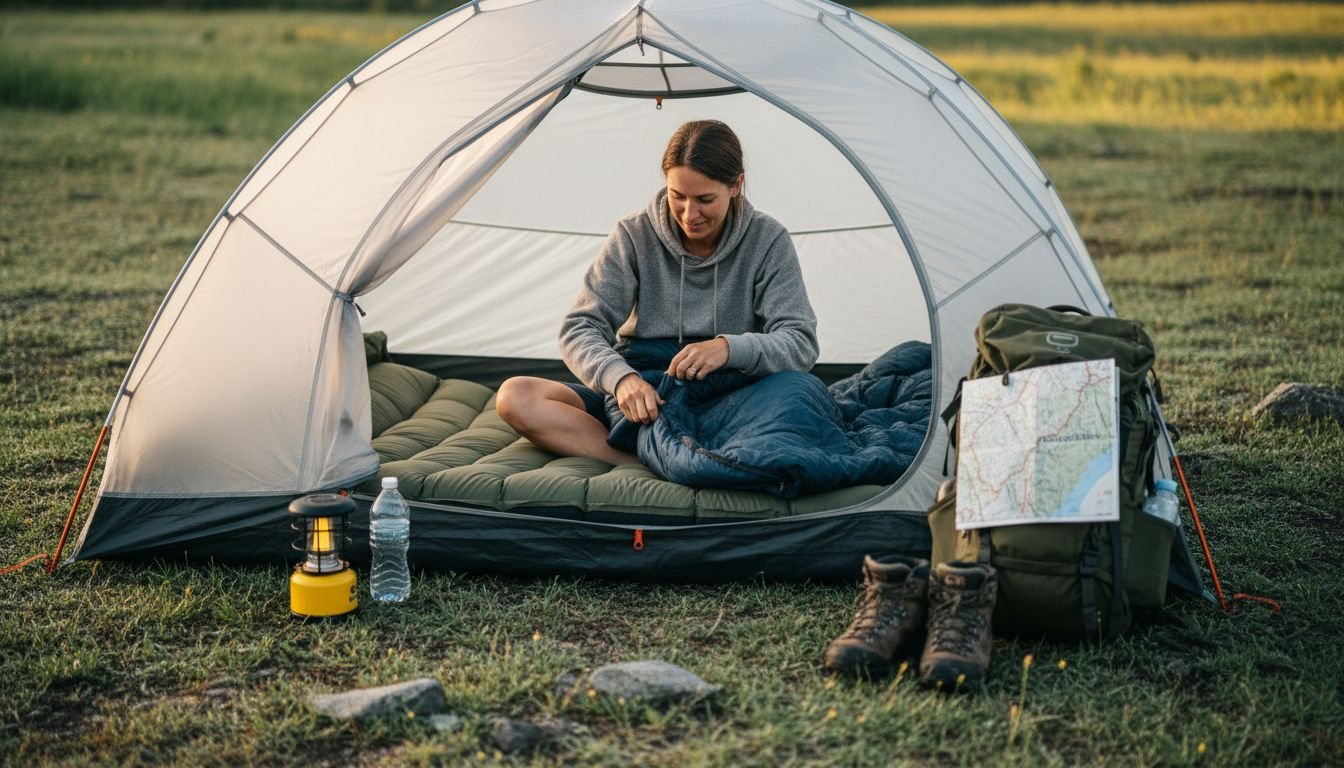
Sleeping bags are critical pieces of equipment designed to provide warmth and insulation against cold and damp conditions, so choose wisely. Consider your camping environment when selecting a bag first. Down sleeping bags offer an excellent warmth-to-weight ratio and compress easily, while synthetic bags perform better in wet conditions and retain insulation even when damp. Look for temperature ratings that match your expected camping conditions and consider the lowest nighttime temperatures you might encounter.
Pairing your sleeping bag with a quality sleeping pad is equally important. These pads provide critical insulation from cold ground and add cushioning for better sleep. Some campers prefer inflatable pads for lightweight travel, while others opt for self-inflating or foam options for maximum comfort. Select a pad with appropriate thickness and insulation value based on your camping terrain and expected ground conditions.
Pro tip: Test your sleeping gear at home before your trip to ensure proper fit and comfort, and always pack a lightweight emergency blanket as a backup insulation layer.
Here’s a quick comparison of different sleeping bag and sleeping pad options to help you choose what fits your camping style best:
| Gear Type | Main Benefit | Best For |
|---|---|---|
| Down Sleeping Bag | Lightweight warmth | Cold, dry climates |
| Synthetic Bag | Insulation when damp | Wet or humid trips |
| Inflatable Pad | Compact and lightweight | Backpacking trips |
| Foam Pad | Durable and reliable | Rough ground, car camping |
| Self-inflating Pad | Easy setup, added comfort | Variable terrain |
Step 3: Pack Practical Clothing and Weather Protection
Successful camping requires strategic clothing selection that keeps you comfortable and protected in changing outdoor conditions. Your clothing choices can make the difference between an enjoyable adventure and a miserable experience.
Effective camping clothing involves mastering the art of layering to provide insulation and moisture management. Start with a moisture-wicking base layer that pulls sweat away from your skin, add an insulating mid-layer like fleece or wool to retain body heat, and finish with a waterproof and windproof outer shell. Synthetic materials or wool work best for outdoor clothing because they dry quickly and maintain warmth even when damp. Consider the specific climate and potential temperature fluctuations of your camping destination when selecting each layer.
For sunny environments, prioritize sun protection in your clothing choices. Select garments with a high Ultraviolet Protection Factor (UPF) rating, focusing on long-sleeved shirts, full-coverage pants, and wide-brimmed hats that shield you from direct sunlight. Dark or bright synthetic fabrics offer better UV protection compared to light or loosely woven materials. Pack clothing that can be easily mixed and matched, allowing you to adapt to changing weather conditions and temperature shifts throughout your camping trip.
Pro tip: Roll your clothing items instead of folding to minimize wrinkles and save space in your backpack, and always pack an extra complete set of dry clothes in a waterproof bag.
Step 4: Plan and Prep Simple Camping Meals
Successful outdoor cooking begins with thoughtful meal planning that balances nutrition, convenience, and minimal equipment requirements. Your goal is to create delicious meals that fuel your adventure without becoming a complicated culinary production.
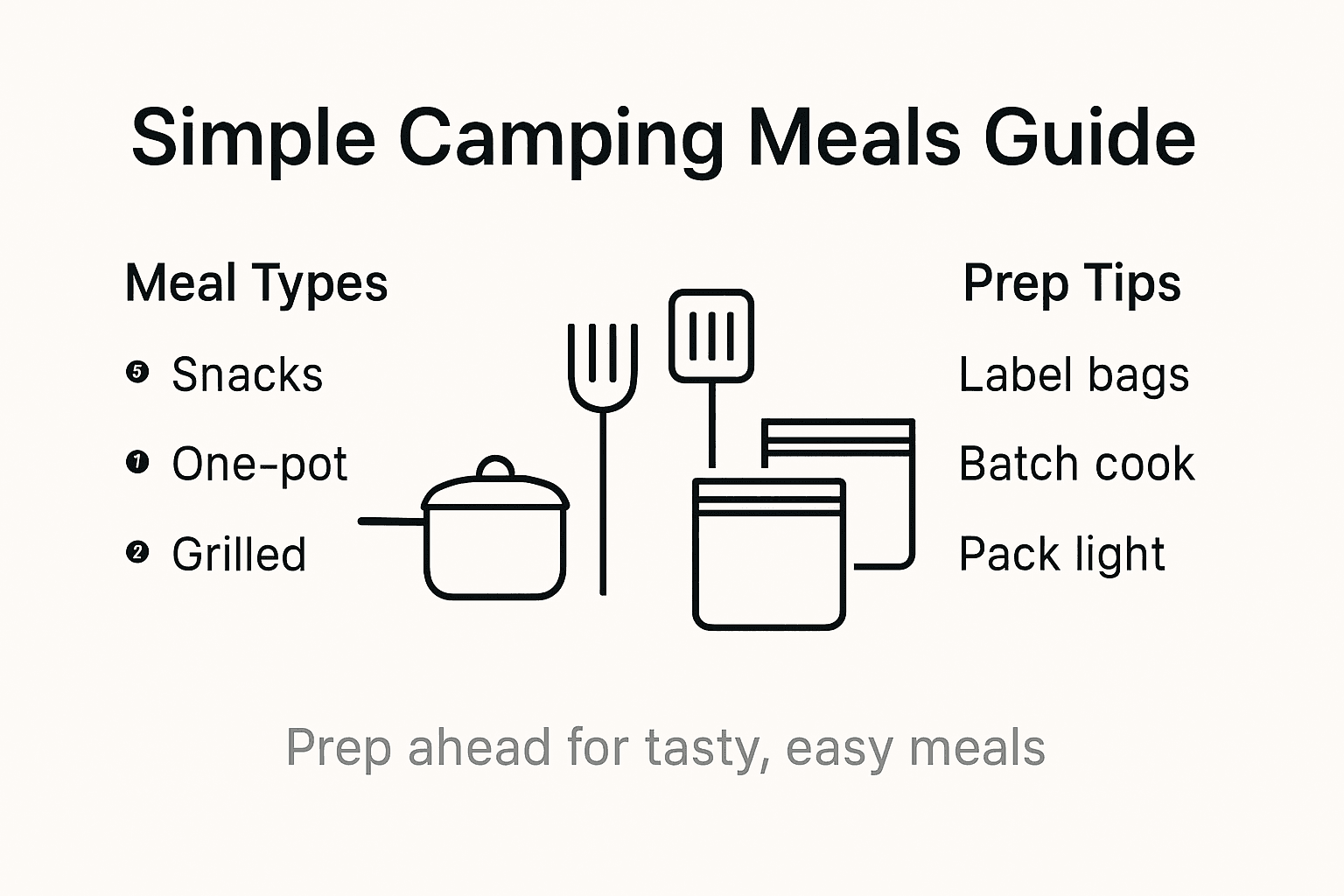
Planning meals ahead for camping decreases waste, reduces pack weight, and ensures you have adequate nutrients for energy. Focus on lightweight, minimal preparation foods that can be easily transformed into satisfying one-pot meals. Remove food from bulky commercial packaging and repackage into compact, portion controlled bags to save space and minimize potential trail waste. Prioritize ingredients that offer high protein and complex carbohydrates, such as dried beans, nuts, lightweight grains, and dehydrated vegetables that can be quickly rehydrated with boiling water.
Design your camping menu around simple, adaptable recipes that require minimal cooking equipment. Batch cooking components before your trip allows for quick assembly at the campsite and ensures you have balanced meals ready to go. Incorporate protein sources like lightweight tuna packets, jerky, or dried meats, pair with quick cooking grains like instant rice or couscous, and add dried or lightweight vegetables to create nutritious, satisfying meals that can be prepared with minimal fuss.
Pro tip: Pack ingredients in clear, labeled resealable bags and organize them by meal to streamline your cooking process and prevent last minute confusion at the campsite.
This summary helps you quickly compare food choices ideal for camping meal prep:
| Food Type | Advantages | Common Uses |
|---|---|---|
| Dehydrated Meals | Lightweight, easy to make | Quick dinners, main meals |
| Instant Grains | Fast cooking, energy dense | Breakfasts, side dishes |
| Tuna Packets | High protein, shelf stable | Sandwiches, salads |
| Jerky/Dried Meats | No refrigeration needed | Snacks, protein add-ons |
| Dried Vegetables | Space saving, nutritious | Soups, stews, grain mixes |
Step 5: Test and Arrange Gear for Comfort
Preparing for a comfortable camping trip requires strategic gear testing and organization well before you hit the trail. Your goal is to eliminate surprises and ensure every piece of equipment functions perfectly when you need it most.
Testing camping gear ahead of the trip is crucial for comfort and safety. Begin by setting up your tent in your backyard or a large indoor space to confirm you understand the assembly process and identify any potential issues. Check all zippers, stake connections, and rainfly attachments to guarantee smooth operation. Similarly, unroll and test your sleeping bags and sleeping pads to assess their comfort level and warmth rating, making sure you can quickly and efficiently set them up in various conditions.
Create a systematic approach to packing and organizing your gear that maximizes efficiency and accessibility. Group similar items together in waterproof stuff sacks or clear plastic containers, and develop a consistent placement system within your backpack or vehicle. Practice packing and unpacking your gear to streamline the process and ensure you know exactly where each item is located. Consider creating a detailed gear checklist that helps you track inventory and quickly identify any missing or damaged equipment before your departure.
Pro tip: Simulate potential camping scenarios at home by setting up your tent in challenging conditions like uneven ground or light wind to build confidence and problem solving skills before your actual trip.
Elevate Your Camping Comfort with Hazli Collection
Preparing for a camping trip involves conquering challenges like finding the right sleeping gear and ensuring restful nights despite unpredictable outdoor conditions. If you want to go beyond basic sleeping bags and pads, focusing on comfort, durability, and practical ease of use is key. This guide highlighted the importance of choosing quality sleep solutions that protect against cold ground temperature and enhance your overall adventure experience.
Discover how Hazli Collection can transform your camping nights with premium memory foam mattresses and expertly designed outdoor gear created for campers who demand more from their rest. Don’t settle for discomfort or sleepless nights. Take control of your camping comfort today by exploring our range at Hazli Collection. For a complete outdoor sleep solution tailored for your next trip, visit us now and prepare to experience the true meaning of comfort in nature.
Ready to upgrade your camping setup? Start with our quality memory foam options and gear that perform when you need them most at Hazli Collection. Your perfect night’s sleep, even in the wild, is one click away.
Frequently Asked Questions
How can I research and confirm my campsite reservations?
To research and confirm your campsite reservations, start by exploring national park reservation systems well in advance. Create accounts on relevant platforms, keep track of specific campsite amenities, and check vehicle entry requirements to ensure a smooth reservation process.
What type of sleeping gear should I bring for a comfortable camping experience?
Bring a suitable sleeping bag and sleeping pad to ensure comfort while camping. Choose a sleeping bag with a temperature rating that matches expected conditions and a sleeping pad that provides adequate insulation and cushioning for your camping terrain.
How should I select clothing for changing weather during my camping trip?
To select clothing for changing weather, practice layering techniques that include a moisture-wicking base layer, an insulating mid-layer, and a waterproof outer layer. Prioritize materials that dry quickly and consider weather protection features, like UV protection, to stay comfortable.
What are some simple meal planning tips for camping?
For simple meal planning, focus on lightweight, minimal preparation foods that can easily be turned into one-pot meals. Organize ingredients in labeled resealable bags by meal, which helps streamline cooking and reduces waste during your camping adventure.
How can I test and arrange my camping gear before my trip?
Test your camping gear by setting it up at home to identify any potential issues before your trip. Create a systematic packing approach that groups similar items together, allowing for efficient access and organization when you arrive at the campsite.
What should I do if my camping gear malfunctions while I’m on my trip?
If your camping gear malfunctions during your trip, assess the issue promptly and determine if it can be repaired or adjusted. Always bring essential tools and spare parts for quick fixes, enabling you to continue enjoying your outdoor adventure without extended disruptions.
Recommended
- 7 Camping Comfort Hacks for a Great Outdoor Experience – Hazli Collection
- 7 Essential Tips for the Perfect Packing Checklist for Campers – Hazli Collection
- 8 Essential Tent Camping Must-Haves for Comfort and Safety – Hazli Collection
- 8 Must-Have Items for a Smart Summer Camping Packing List – Hazli Collection