

By The Hazli Family — Peter & Louise · Reviewed June 2026
Quick answer: Foam core construction is a manufacturing method that creates lightweight, structurally strong materials by producing foam with controlled density and uniform voids, often bonded between outer skins as sandwich panels. For outdoor sleep gear, it means choosing dryfast, closed-cell, or treated polyurethane foams with antimicrobial treatments, UV resistance, and drainage for durable comfort.
Every American family that loves camping knows comfort can be the difference between a restless night and a perfect morning in the wild. With over 60 million Americans enjoying the outdoors each year, the demand for lightweight, durable, and portable sleep systems is stronger than ever. Understanding foam core construction gives campers and outdoor enthusiasts the confidence to choose sleep solutions built for rugged adventures and lasting comfort.
Table of Contents
- Defining Foam Core Construction Methods
- Major Foam Types For Outdoor Use
- Key Features Impacting Comfort And Durability
- Longevity, Safety, And Common Issues
- Alternatives To Foam Core For Sleep
Key Takeaways
| Point | Details |
|---|---|
| Foam Core Construction Innovations | Foam core construction utilizes specialized foam materials to offer lightweight yet structurally robust solutions for various applications. The process involves specific polymers and bonding techniques to enhance strength and insulation. |
| Outdoor Foam Selection | When choosing foam for outdoor use, prioritize materials with effective water resistance and antimicrobial properties to ensure durability and comfort in challenging environments. |
| Balancing Comfort and Durability | Consider key factors such as density optimization and UV resistance to select outdoor foam that maintains comfort while providing long-lasting performance. |
| Sustainable Alternatives for Sleep | Explore environmentally friendly alternatives to traditional foam cores, such as natural fibers, which can provide unique comfort benefits and reduced ecological impact. |
Defining Foam Core Construction Methods
Foam core construction represents an advanced manufacturing technique designed to create lightweight, structurally robust materials for diverse applications. At its fundamental level, this method involves producing specialized foam materials with controlled density and precise internal characteristics. Polymeric foam technologies serve as the primary mechanism for generating these innovative structural components.
The construction process typically involves several critical stages that transform raw materials into functional foam cores. Manufacturers begin by carefully selecting base polymers like polyurethane or phenol-formaldehyde, which provide exceptional mechanical properties. Sandwich panel manufacturing emerges as a prominent technique where these foam cores are strategically bonded between outer structural skins, creating composite materials with superior strength and insulation capabilities.
Key characteristics of foam core construction include:
- Controlled material density
- Uniform void distribution
- Enhanced thermal insulation
- Remarkable mechanical stability
- Lightweight structural composition
Engineers optimize foam core construction by integrating specialized additives such as fibers and nanoparticles. These enhancements dramatically improve durability, thermal performance, and overall mechanical resilience. The ultimate goal remains creating materials that balance weight reduction with structural integrity across various industrial and architectural applications.
Pro tip: When selecting foam core materials, always request detailed density and thermal conductivity specifications to ensure optimal performance for your specific project requirements.
Major Foam Types for Outdoor Use
Outdoor environments demand specialized foam materials that can withstand challenging weather conditions and frequent exposure to moisture. Dryfast foam technologies represent a critical innovation for campers and outdoor enthusiasts seeking reliable performance in unpredictable settings. These advanced foam types are engineered to provide exceptional durability, rapid water drainage, and resistance to environmental stressors.
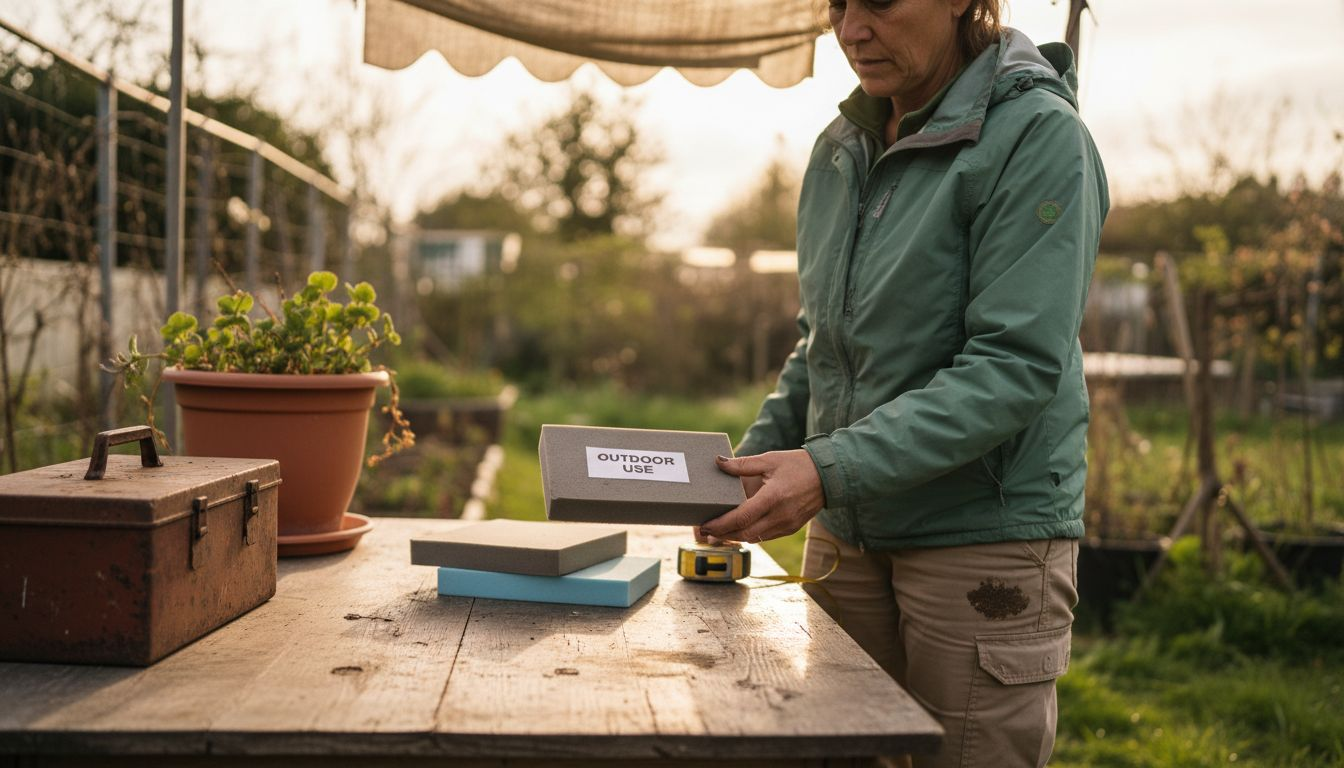
Three primary foam categories dominate outdoor applications:
Here’s how major foam types for outdoor use compare:
| Foam Type | Best For | Water Resistance | Typical Outdoor Applications |
|---|---|---|---|
| Dryfast Foam | Quick drying needs | High, rapid drainage | Cushions, poolside seating |
| Closed-Cell Foam | Extreme weather | Excellent, retains shape | Boat cushions, flotation devices |
| Treated Open-Cell Polyurethane | Budget outdoor seating | Moderate, treated coating | Patio furniture, occasional use |
- Dryfast Foam: Characterized by an open-cell structure that enables rapid water drainage and quick drying
- Closed-Cell Foam: Highly water-resistant and buoyant, ideal for extreme weather conditions
- Treated Open-Cell Polyurethane Foam: Budget-friendly option with moderate moisture resistance
Outdoor foam selection requires careful consideration of specific environmental challenges. Manufacturers now integrate antimicrobial properties into foam compositions, preventing mold and mildew growth in humid or wet conditions. Polyethylene closed-cell foam emerges as a particularly robust option, offering lightweight construction with exceptional water-repellent characteristics.
Engineers continue to refine foam technologies, developing materials that balance water resistance, thermal insulation, and structural integrity. Modern outdoor foams now incorporate advanced chemical treatments and specialized manufacturing techniques to enhance performance across diverse environmental conditions.
Pro tip: Always inspect outdoor foam materials for antimicrobial properties and water-drainage capabilities before purchasing to ensure long-lasting outdoor comfort and durability.
Key Features Impacting Comfort and Durability
Choosing the right outdoor foam requires understanding the complex interplay between comfort and durability. Durability standards for outdoor foam involve several critical factors that determine long-term performance and user satisfaction. These standards encompass material resilience, environmental adaptability, and structural integrity.
Key performance characteristics include:
- Antimicrobial Properties: Prevents mold and mildew growth
- Water Drainage Capability: Enables rapid drying and moisture management
- UV Resistance: Protects against sun-induced degradation
- Density Optimization: Balances firmness and cushioning support
Outdoor foam cushion structures typically incorporate advanced engineering techniques to enhance performance. High-density cross-linked foam combined with specialized cores provides exceptional resistance to weathering. Manufacturers now design drainage systems with sloped channels that prevent water accumulation, ensuring quick drying and reducing potential material breakdown.
The intricate balance between comfort and durability demands careful material selection. Foam density plays a crucial role, with higher-density materials offering superior shape retention and support while maintaining sufficient cushioning. Advanced chemical treatments and manufacturing processes now allow for customized foam characteristics that adapt to diverse environmental conditions, from humid coastal regions to dry mountain environments.
Pro tip: Always check foam density ratings and antimicrobial certifications before purchasing outdoor foam to ensure maximum longevity and comfort in challenging environmental conditions.
Longevity, Safety, and Common Issues
Foam core materials are essential for outdoor comfort, but understanding their long-term performance requires careful analysis. Foam durability challenges reveal complex interactions between material composition and environmental conditions. These challenges significantly impact the safety and reliability of outdoor equipment, demanding proactive maintenance and strategic material selection.
Key longevity factors include:
- Resistance to freeze-thaw cycles
- Protection against UV degradation
- Moisture management capabilities
- Structural integrity under repeated stress
Foam core lifespan considerations demonstrate that environmental exposure plays a critical role in material degradation. Prolonged moisture, direct sunlight, and physical damage can dramatically reduce foam performance. Manufacturers recommend implementing protective strategies such as covering materials, ensuring proper drainage, and minimizing direct UV exposure to extend functional longevity.
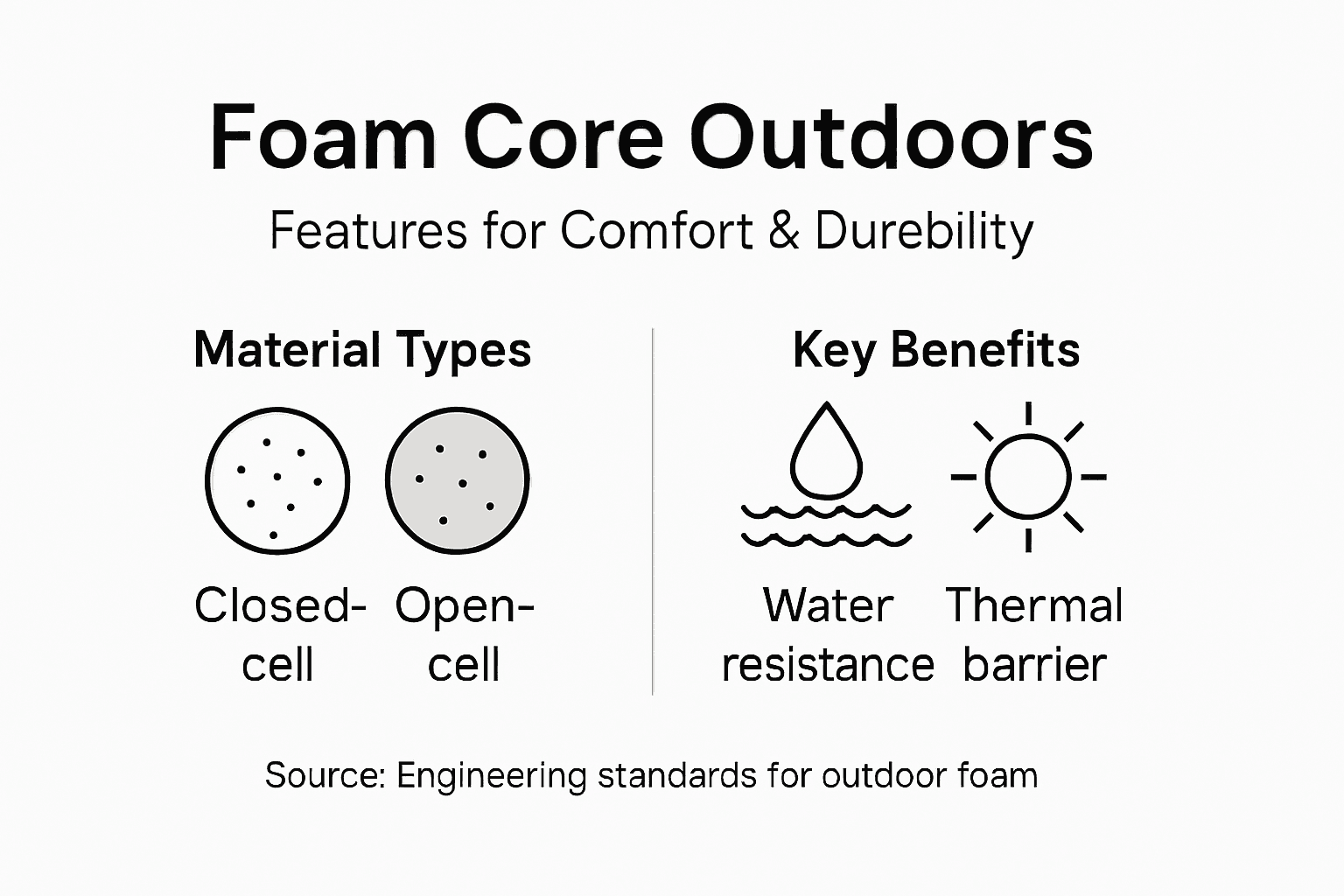
Safety concerns extend beyond simple material breakdown. Chemical attacks, carbonation, and sulfate exposure can compromise structural integrity, creating potential risks for outdoor equipment users. Advanced foam technologies now incorporate fire-resistant properties and enhanced chemical stability to mitigate these potential hazards. Engineers continue to develop innovative solutions that balance lightweight construction with robust performance across diverse environmental conditions.
Pro tip: Regularly inspect outdoor foam materials for signs of deterioration, such as surface cracking, discoloration, or reduced structural resilience, and replace components before they compromise safety.
Alternatives to Foam Core for Sleep
Outdoor enthusiasts seeking alternatives to traditional foam core materials have several compelling options that offer unique benefits. Sustainable sleep material alternatives provide innovative solutions that address environmental concerns while maintaining comfort and functionality. These alternatives range from natural materials to advanced engineered systems, each with distinct performance characteristics.
Key alternative sleep materials include:
The table below summarizes key sleep material options beyond foam core:
| Material | Comfort Experience | Ecological Impact | Notable Weakness |
|---|---|---|---|
| Natural Latex | Supportive, slightly bouncy | Renewable resource | Can be heavy, higher cost |
| Coconut Coir | Firm and breathable | Fully biodegradable | May lack plush softness |
| Wool | Soft and temperature regulating | Sustainably sourced | Compresses over time |
| Buckwheat Hulls | Adjustable, ventilated | All-natural material | Can shift, needs adjusting |
- Natural Latex: Resilient and sustainable support
- Coconut Coir: Firm and breathable biodegradable option
- Wool: Exceptional moisture management
- Buckwheat Hulls: Customizable firmness and airflow
- Innerspring Systems: Traditional support with varied tension
Memory foam mattress alternatives emerge from growing consumer demand for materials that balance ecological responsibility with sleep quality. Innerspring systems and airbeds offer dynamic support configurations, allowing users to adjust firmness and comfort levels. Natural fiber mattresses provide breathability and temperature regulation that synthetic materials often struggle to match.
Consumers now prioritize materials that offer not just comfort, but also environmental sustainability and health considerations. Advanced engineering techniques enable these alternative materials to provide comparable or superior performance to traditional foam cores, with reduced environmental impact and potentially fewer chemical treatments.
Pro tip: Test alternative sleep materials in person whenever possible, as individual comfort preferences can vary significantly between different material compositions.
Elevate Your Outdoor Comfort with Expert Foam Core Solutions
The challenge of finding outdoor sleep products that offer both durability and exceptional comfort is real. This article reveals how advanced foam core construction techniques address issues like water resistance, antimicrobial protection, and structural integrity. At Hazli Collection, we understand these pain points deeply. Our high-quality memory foam mattresses are designed specifically to withstand outdoor conditions while providing the supportive cushioning needed for restful sleep. We prioritize carefully engineered foam density and material resilience to ensure your camping experience is nothing short of comfortable and worry-free.
Discover outdoor gear that matches the innovative standards discussed in foam core technologies by exploring Hazli Collection. Every product is crafted to deliver lasting performance against moisture, UV exposure, and repetitive stress. Whether you seek enhanced comfort or robust durability, our carefully curated selections help you conquer outdoor challenges with confidence.
Step into a new level of outdoor relaxation today and see why so many outdoor enthusiasts trust our gear for their adventures.
Upgrade your camping sleep system now with gear engineered for resilience and comfort. Visit Hazli Collection to explore memory foam mattresses and outdoor accessories designed for real-world conditions. Don’t wait until discomfort disrupts your next trip. Take control of your outdoor comfort with products built to perform when it matters most.
Frequently Asked Questions
What are the key benefits of foam core construction?
Foam core construction offers several advantages, including lightweight design, enhanced thermal insulation, remarkable mechanical stability, and the ability to optimize material density and void distribution. These features make foam core materials suitable for various industrial and architectural applications.
How does outdoor foam differ from regular foam?
Outdoor foam is specifically engineered to withstand harsh weather conditions, moisture exposure, and environmental stressors. Types like Dryfast foam provide rapid water drainage, while closed-cell foam offers excellent water resistance, making them ideal for outdoor use.
What factors should I consider when selecting outdoor foam?
When selecting outdoor foam, consider its water resistance capabilities, antimicrobial properties, UV resistance, and density optimization. It’s essential to choose foam designed for quick drying and durability to ensure long-lasting comfort and performance in outdoor settings.
How can I maintain foam core materials for outdoor use?
To maintain foam core materials, regularly inspect for signs of deterioration, such as surface cracking or discoloration. Implement protective strategies like ensuring proper drainage, covering materials when not in use, and minimizing direct sunlight exposure to extend their functional life.