

By The Hazli Family — Peter & Louise · Reviewed June 2026
Quick answer: Ergonomic camping gear is outdoor equipment engineered around human anatomy and biomechanics — sleeping pads with pressure-point relief, chairs with lumbar support, backpacks that spread weight across shoulders and hips. Adjustable components, contoured surfaces, and supportive materials reduce strain and fatigue, keeping posture aligned so campers stay comfortable through long days and nights outdoors.
Choosing camping gear for your family often means balancing comfort, safety, and support on every trip. For American families who want restful nights and pain-free adventures outdoors, the right equipment makes all the difference. By focusing on ergonomic camping gear, you can transform your outdoor experience with products designed to fit your body, reduce fatigue, and keep everyone comfortable under the stars.
Table of Contents
- Defining Ergonomic Camping Gear And Concepts
- Major Types Of Ergonomic Camping Gear
- Essential Features For Outdoor Comfort
- Comparing Ergonomic Gear To Standard Options
- Common Mistakes And How To Avoid Them
Key Takeaways
| Point | Details |
|---|---|
| Ergonomic Design Focus | Ergonomic camping gear emphasizes comfort, safety, and performance by aligning with human anatomical and physiological needs. |
| Importance of Adjustability | Selecting gear with adjustable features is crucial for personal comfort and reducing physical strain during outdoor activities. |
| Material Considerations | Use advanced materials that enhance ergonomics, such as breathable fabrics and pressure distribution technologies, to improve overall comfort. |
| Testing Before Purchase | Always test equipment in person, assessing how it feels during movement to ensure proper ergonomic compatibility and avoid discomfort. |
Defining Ergonomic Camping Gear and Concepts
Ergonomic camping gear represents a scientific approach to designing outdoor equipment that optimizes human comfort, safety, and performance. By understanding the principles of human-centered design, campers can select equipment that genuinely supports their physical needs and enhances their outdoor experience.
At its core, ergonomic camping gear focuses on creating products that align with human anatomical, physiological, and biomechanical characteristics. This means designing sleeping pads, backpacks, camp chairs, and other equipment that reduce physical strain, minimize potential injuries, and adapt to the unique body mechanics of individual users. Ergonomics considers holistic human interactions with equipment, taking into account not just physical comfort but also cognitive and environmental factors.
Key characteristics of ergonomic camping gear include adjustable components, weight distribution systems, supportive materials, and designs that accommodate different body types and movement patterns. For instance, an ergonomically designed camping chair might feature lumbar support, adjustable height, and contoured seating that reduces pressure points and promotes proper spinal alignment. Similarly, an ergonomic backpack would distribute weight evenly across shoulders and hips, reducing muscle fatigue and potential long-term strain.
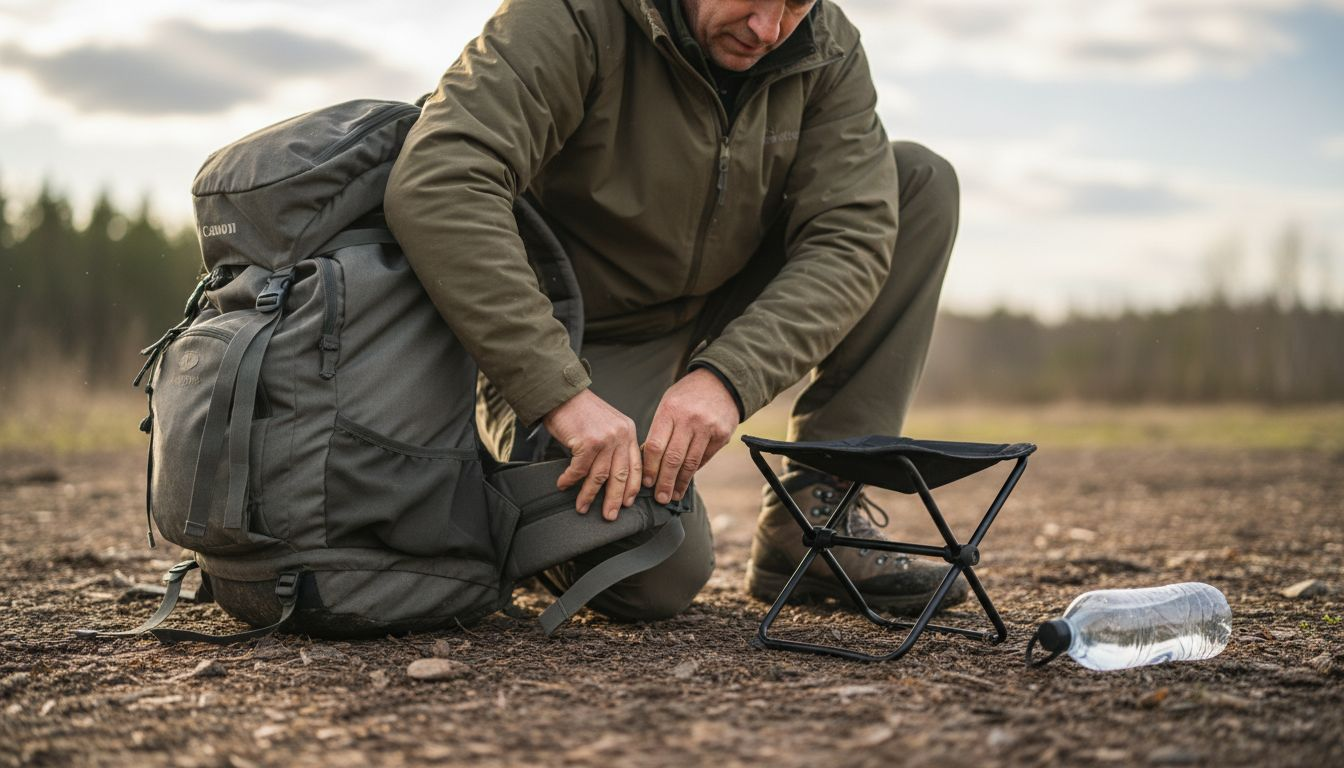
Pro tip: When selecting ergonomic camping gear, always try equipment in person and pay attention to how it feels against your body, not just its appearance or price point.
Major Types of Ergonomic Camping Gear
Ergonomic camping gear spans multiple categories designed to enhance outdoor comfort and performance. Specialized camping equipment design focuses on creating products that address different physical needs and environmental challenges, ensuring campers can enjoy their outdoor experiences with minimal strain and maximum support.
The primary categories of ergonomic camping gear include:
-
Sleeping Systems: Ergonomic sleeping pads and mattresses that provide proper spinal alignment, pressure point relief, and adaptive support for different body types. These often feature contoured designs, memory foam technologies, and adjustable firmness to accommodate individual sleeping preferences.
-
Seating Solutions: Ergonomic camping chairs with robust lumbar support, adjustable heights, weight distribution mechanisms, and materials that promote comfort during extended sitting periods. These chairs are engineered to reduce back strain and provide stability across varied terrain.
-
Backpacks and Carrying Systems: Designs that distribute weight evenly across shoulders and hips, with padded straps, adjustable suspension systems, and strategic load-bearing features that minimize muscle fatigue and potential long-term physical stress.
-
Cooking and Utility Equipment: Ergonomically designed portable stoves, utensils, and camp kitchen tools that reduce repetitive strain, feature comfortable grips, and accommodate natural hand movements and body mechanics.
These categories represent a holistic approach to outdoor equipment design, prioritizing human physical needs and environmental adaptability. Each type of gear focuses on reducing physical strain while maximizing user comfort and performance in challenging outdoor conditions.
Pro tip: When purchasing ergonomic camping gear, always test the equipment in person and assess how it feels against your unique body mechanics and movement patterns.
Essential Features for Outdoor Comfort
Effective ergonomic camping gear design requires understanding key features that transform outdoor experiences from uncomfortable to exceptional. The goal is creating equipment that supports natural body mechanics, reduces physical strain, and adapts to diverse environmental challenges campers encounter.
Essential features for optimal outdoor comfort include:
-
Adjustable Support Systems: Gear with flexible components that accommodate different body types and sizes. This includes:
- Chairs with variable height and lumbar support
- Sleeping pads with customizable firmness
- Backpacks with adaptable suspension mechanisms
-
Pressure Distribution Technologies: Ergonomic camping equipment prioritizes designs that spread physical load evenly, preventing concentrated stress on specific body parts. Memory foam padding, strategic cushioning, and contoured surfaces help minimize muscle fatigue and potential injury risks.
Advanced materials play a critical role in achieving outdoor comfort. Lightweight, breathable fabrics combined with strategic padding create gear that moves with the body, wicking moisture and providing thermal regulation. Intelligent design considers factors like weight distribution, impact absorption, and user mobility to create a holistic comfort experience.
Anatomical considerations are paramount in ergonomic camping gear. Equipment must account for natural body movements, spinal alignment, and individual physical variations. This means designing products that support proper posture, reduce repetitive strain, and create a sense of ease during outdoor activities.
Pro tip: Always test camping gear in person and pay attention to how it feels during simulated movements to ensure genuine ergonomic compatibility.
Comparing Ergonomic Gear to Standard Options
Scientific studies in human factors reveal significant differences between ergonomic and standard camping gear that go far beyond mere aesthetic distinctions. The fundamental contrast lies in design philosophy, with ergonomic equipment engineered to support human physiology, while standard options often prioritize basic functionality and cost-effectiveness.
Key comparative differences include:
-
Weight Distribution:
- Standard Gear: Typically rigid, with uneven load placement
- Ergonomic Gear: Strategically designed weight distribution systems that minimize physical strain
-
Material Adaptability:
- Standard Gear: Often uses generic, one-size-fits-all materials
- Ergonomic Gear: Advanced, responsive materials that adapt to body movements and environmental conditions
Ergonomic camping equipment fundamentally transforms user experience by addressing biomechanical challenges that standard gear overlooks. Where traditional equipment might cause discomfort and potential injury, ergonomic designs incorporate scientific insights to create gear that actively supports the user’s physical needs.
The performance gap becomes most apparent during extended outdoor activities. Standard camping gear can lead to muscle fatigue, poor posture, and increased injury risk, whereas ergonomic alternatives provide continuous support, reduce physical stress, and enhance overall comfort. This difference is particularly critical for individuals with pre-existing physical conditions or those undertaking demanding outdoor adventures.
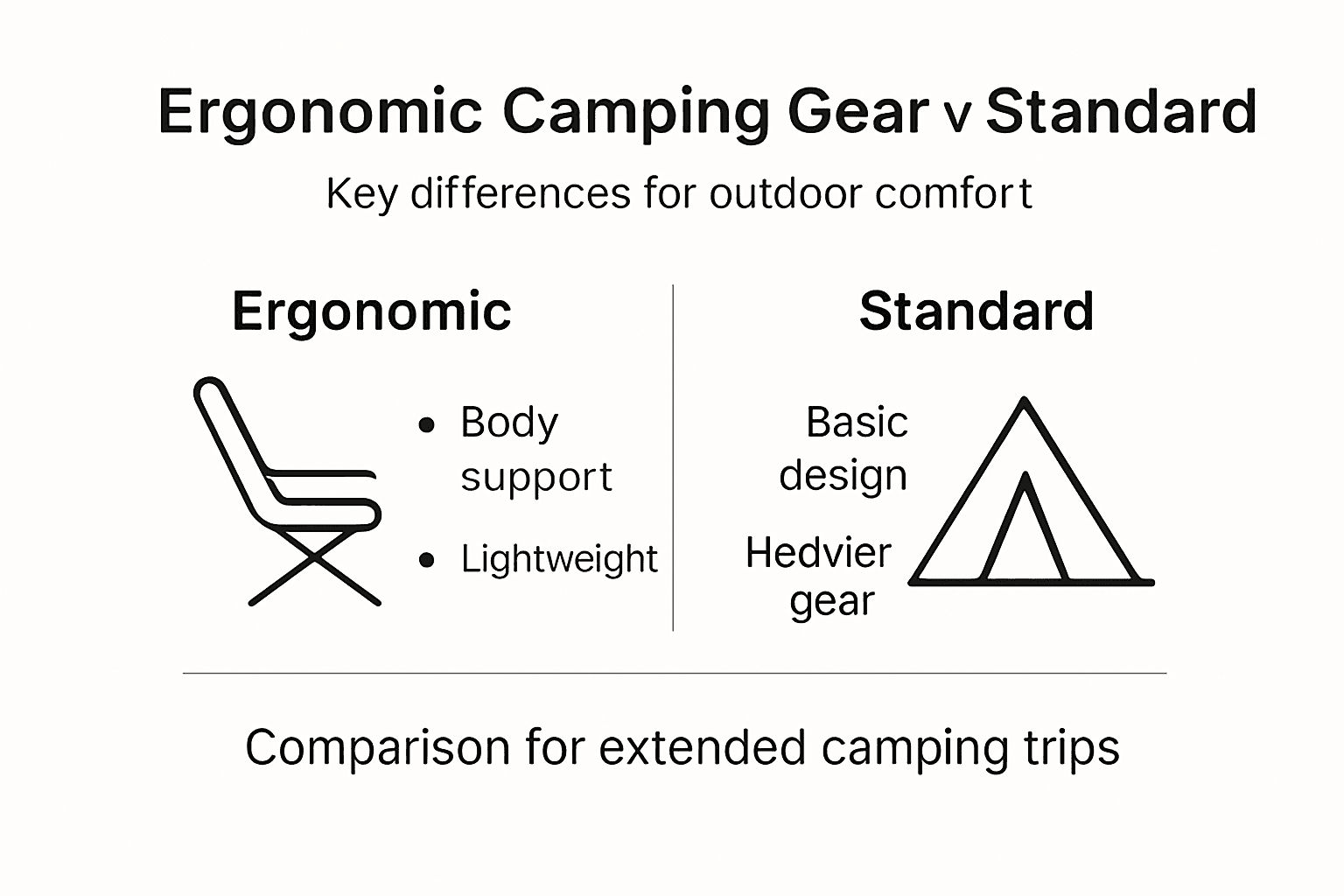
Here’s a quick comparison of how ergonomic and standard camping gear affect outdoor experiences:
| Aspect | Ergonomic Camping Gear | Standard Camping Gear |
|---|---|---|
| Comfort Level | High, supports natural posture | Basic, may cause discomfort |
| Injury Prevention | Actively reduces strain and risk | Offers minimal injury protection |
| Suitability for Long Trips | Excellent for extended use | Fatigue and pain over time |
| Adaptability | Customizable to individual needs | One-size-fits-all, less adaptable |
Pro tip: Always invest time in trying different gear and assessing how it feels during actual movement, not just in a store display.
Common Mistakes and How to Avoid Them
Camping gear ergonomics requires understanding common pitfalls that can transform an outdoor adventure from comfortable to challenging. Many campers unknowingly make critical errors that compromise their physical well-being and overall outdoor experience.
Common mistakes include:
-
Improper Gear Sizing:
- Mistake: Selecting equipment without considering individual body dimensions
- Solution: Always try gear on and assess fit before purchasing
-
Overlooking Adjustability:
- Mistake: Choosing rigid gear with no customization options
- Solution: Prioritize equipment with multiple adjustment points
-
Ignoring Load Distribution:
- Mistake: Carrying weight unevenly or without proper support
- Solution: Use backpacks with padded hip belts and adjustable straps
Ergonomic camping equipment selection demands careful consideration beyond aesthetic appeal or price point. Campers often make the critical error of purchasing gear based on superficial attributes rather than functional design that supports natural body mechanics.
Physical strain accumulates quickly in outdoor environments, making proper gear selection crucial. Understanding how equipment interacts with individual body types can prevent long-term discomfort, reduce injury risks, and transform camping from a potentially painful experience into an enjoyable adventure. Paying attention to ergonomic details means investing in your physical comfort and safety.
Below is a summary of practical solutions to common camping gear selection mistakes:
| Mistake Made | Physical Impact | Solution for Improvement |
|---|---|---|
| Wrong gear sizing | Poor fit, discomfort | Try gear before buying |
| Lack of adjustability | Can’t personalize fit | Prioritize adjustable equipment |
| Bad load distribution | Back and joint strain | Choose gear with proper weight balance |
Pro tip: Test camping gear by simulating actual movement and load conditions, not just standing still in a store.
Elevate Your Outdoor Comfort with Ergonomic Camping Gear from Hazli Collection
The journey to truly comfortable and safe camping begins with choosing gear designed to support your body’s natural movements and reduce strain. This article highlighted the importance of ergonomic features like adjustable support, pressure distribution, and weight balance—key elements that Hazli Collection specializes in through our high-quality memory foam mattresses and camping accessories. These solutions help you avoid common pain points such as poor spinal alignment and fatigue, ensuring every outdoor night feels restful and rejuvenating.
Discover the difference ergonomic camping gear can make in your next adventure. Visit Hazli Collection to explore carefully crafted products that prioritize comfort, durability, and adaptability. Experience firsthand how tailored outdoor sleep solutions and innovative camping gear transform fatigue and discomfort into well-supported rest. Don’t settle for basic functionality when your body deserves ergonomic excellence. Start enhancing your camping trips today with ergonomic outdoor gear designed for your needs and shop confidently knowing every product supports your journey to safer and more enjoyable adventures.
Frequently Asked Questions
What is ergonomic camping gear?
Ergonomic camping gear refers to outdoor equipment designed to optimize comfort, safety, and performance by aligning with human anatomical and physiological needs.
Why is ergonomic design important for camping gear?
Ergonomic design is crucial because it reduces physical strain, minimizes the risk of injuries, and enhances user comfort during outdoor activities, especially on extended trips.
What are the key features of ergonomic camping gear?
Key features include adjustable support systems, pressure distribution technologies, and materials that adapt to body movements, aiming to provide comfort and support for natural body mechanics.
How does ergonomic camping gear compare to standard camping gear?
Ergonomic camping gear generally provides higher comfort levels, better injury prevention, and increased adaptability compared to standard gear, which often prioritizes basic functionality over user support.
Recommended
- Understanding Your Camping Gear Buying Guide Essentials – Hazli Collection
- 7 Top Camping Gear Picks for 2025 Every Camper Should Know – Hazli Collection
- 7 Essential Tips for the Perfect Packing Checklist for Campers – Hazli Collection
- 8 Must-Have Items for a Smart Summer Camping Packing List – Hazli Collection