

By The Hazli Family — Peter & Louise · Reviewed June 2026
Quick answer: Camp-ready bedding is specialized outdoor sleeping gear — insulated sleeping bags, pads, quilts, and hammock systems — built for warmth, moisture resistance, and portability. It combines thermal insulation, water-resistant quick-drying fabrics, and a compact, compressible design, with temperature ratings matched to expected conditions so you sleep comfortably on the trail or at camp.
Over half of American campers say that a restful night hinges on the right bedding choice. When the wilderness calls, uncomfortable sleep can ruin even the most breathtaking views or thrilling hikes. Selecting camp-ready bedding is more than finding a sleeping bag. It means understanding fabrics, warmth, and features that can keep you dry and cozy under any sky. Discover what makes American outdoor sleep gear not just practical but essential for every adventure.
Table of Contents
- Camp‑Ready Bedding Defined Precisely
- Common Types & Variations Explained
- Key Features That Make Bedding Camp‑Ready
- Choosing Bedding: Insulation & Portability
- Avoiding Mistakes With Outdoor Bedding
Key Takeaways
| Point | Details |
|---|---|
| Camp-Ready Bedding Essentials | Camp-ready bedding includes insulated sleeping bags and compact designs, emphasizing portability and advanced materials for outdoor comfort. |
| Types of Sleeping Systems | Options like rectangular and mummy-style sleeping bags, as well as hammock systems, cater to various preferences and environmental conditions. |
| Critical Features | Key characteristics of camp-ready bedding include thermal insulation, water resistance, and lightweight materials that enhance outdoor sleeping experiences. |
| Choosing Wisely | Selecting bedding requires consideration of insulation type, packability, and individual comfort needs, ensuring an optimal outdoor sleep solution. |
Camp‑Ready Bedding Defined Precisely
Camp-ready bedding represents specialized outdoor sleeping equipment designed to provide comfort, warmth, and portability for adventurers exploring wilderness environments. A bedroll traditionally refers to compact, easily transportable sleeping gear that can be quickly rolled up and carried during outdoor expeditions. Modern camp-ready bedding has evolved far beyond basic traditional designs, incorporating advanced materials and ergonomic considerations for maximum outdoor comfort.
At its core, camp-ready bedding includes essential components like insulated sleeping bags engineered to protect against temperature variations and provide cushioned support. These specialized sleeping solutions are crafted with lightweight, durable fabrics that resist moisture, regulate body temperature, and compress easily for convenient transportation. Key features typically include:
- Thermal insulation layers
- Water-resistant exterior materials
- Compact, lightweight design
- Quick-drying fabric technologies
- Temperature-rated performance specifications
Understanding camp-ready bedding requires recognizing its primary function: transforming challenging outdoor sleeping environments into comfortable, restful spaces. Whether backpacking through mountain trails, camping in forest clearings, or setting up temporary shelters, these innovative bedding solutions bridge the gap between rugged terrain and personal comfort. Outdoor enthusiasts seek bedding that offers reliable protection, minimal weight, and maximum adaptability across diverse environmental conditions.
Common Types & Variations Explained
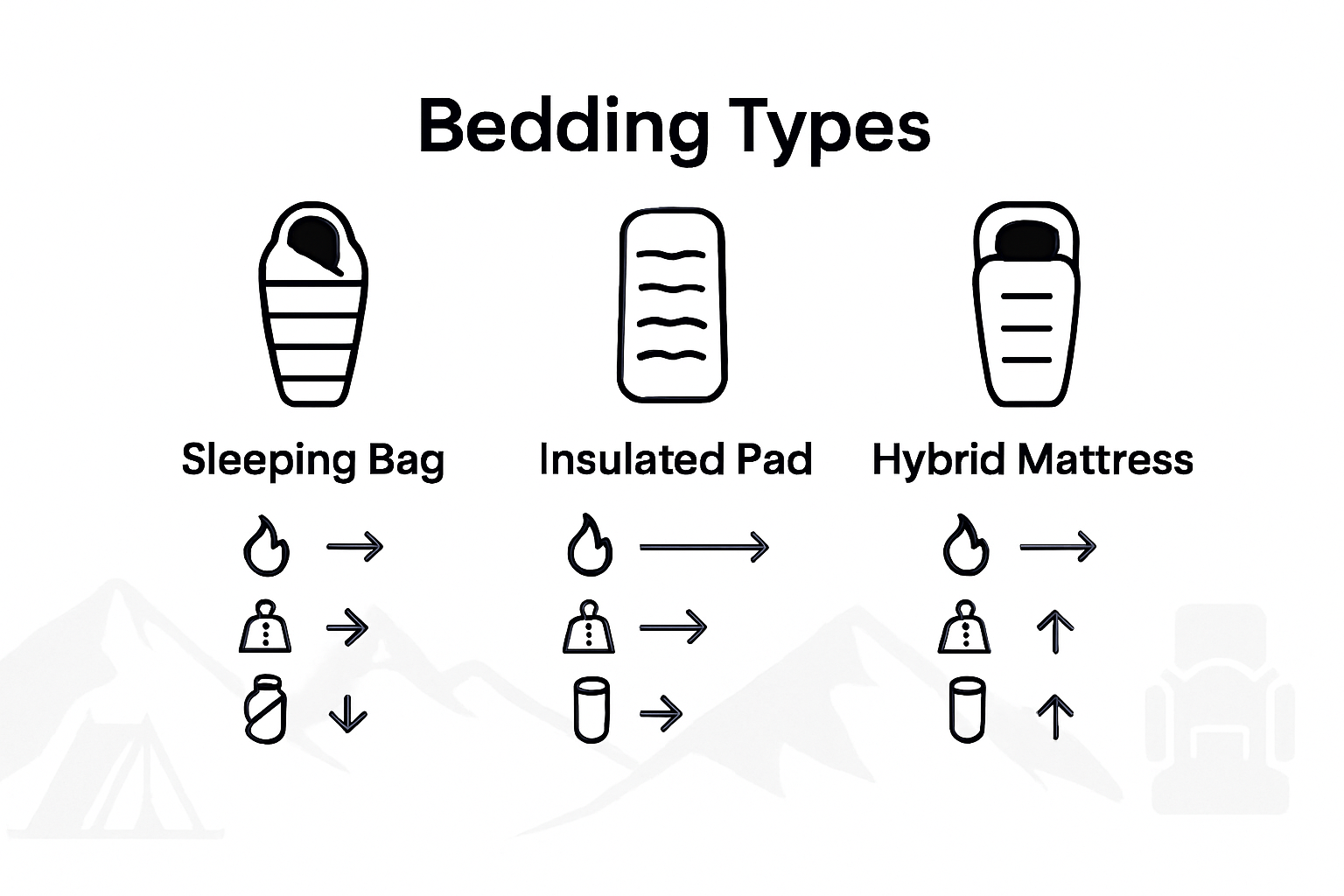
Sleeping bags represent the foundational category of camp-ready bedding, offering portable and insulated sleeping solutions for outdoor enthusiasts. These versatile sleep systems come in multiple configurations designed to meet diverse environmental challenges and individual preferences. Rectangular designs provide maximum interior space, while mummy-style bags offer superior thermal efficiency with their tapered shape that minimizes air circulation and retains body heat.
Beyond traditional ground sleeping options, hammock camping has emerged as an innovative alternative for adventurers seeking elevated comfort. Hammock bedding systems eliminate ground contact, providing protection from moisture, insects, and uneven terrain. These suspended sleeping arrangements typically include:
- Lightweight hammock fabric
- Integrated bug nets
- Rainfly for weather protection
- Specialized underquilts for thermal insulation
- Adjustable suspension systems
Additional camp-ready bedding variations include hybrid designs that blend flexibility with specialized performance. Ultralight backpacking quilts offer minimalist travelers reduced weight and compact packability, while convertible sleeping bag systems allow users to adjust thermal ratings by adding or removing insulation layers. Technical innovations continue to expand bedding options, enabling outdoor enthusiasts to select precisely engineered solutions matching their specific adventure requirements and environmental conditions.
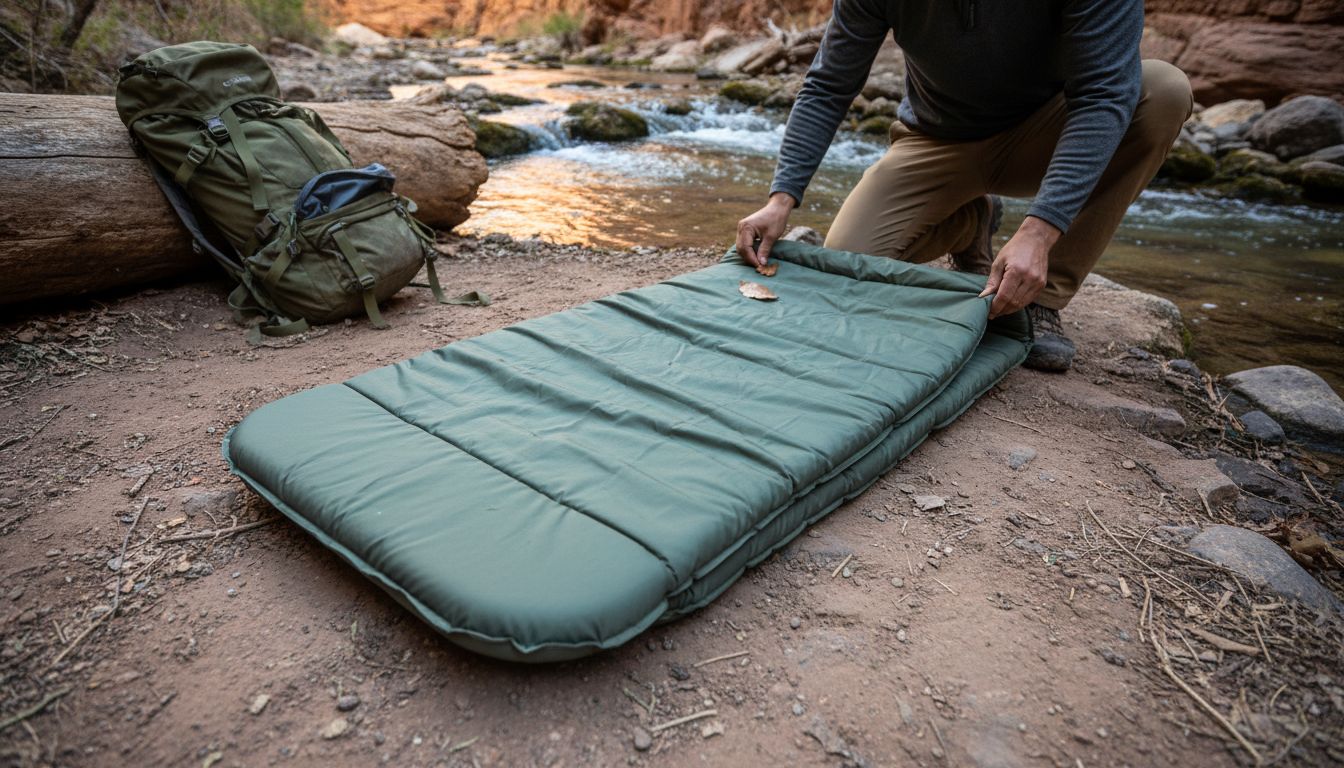
Key Features That Make Bedding Camp‑Ready
Sleeping bags designed for outdoor adventures are characterized by specialized features that transform ordinary bedding into reliable wilderness equipment. Thermal insulation stands as the primary criterion, with advanced materials engineered to trap body heat and protect against temperature fluctuations. Water-resistant exteriors provide critical protection, creating a barrier against moisture, light precipitation, and environmental condensation.
Compactness and portability represent another fundamental attribute of camp-ready bedding. Camping hammocks exemplify this principle, offering lightweight solutions that compress into minimal pack space while delivering maximum functionality. Key performance features that distinguish camp-ready bedding include:
- Rapid moisture-wicking capabilities
- Temperature-adaptive insulation
- Lightweight, compressible materials
- Durability against outdoor stress
- Quick-drying fabric technologies
Technical innovation continues to refine camp-ready bedding, with manufacturers developing smart materials that respond dynamically to changing environmental conditions. Integrated design elements like reinforced seams, draft collars, and specialized temperature rating systems transform simple sleeping gear into sophisticated outdoor comfort solutions. Outdoor enthusiasts now benefit from camp bedding organization strategies that maximize both comfort and practical utility across diverse wilderness scenarios.
Choosing Bedding: Insulation & Portability
Sleeping bags represent a critical investment for outdoor enthusiasts, with insulation materials playing a pivotal role in performance and comfort. Down and synthetic fibers offer distinct advantages, each presenting unique thermal characteristics that impact warmth retention and overall weight. Down insulation provides exceptional warmth-to-weight ratio, while synthetic materials maintain insulating properties even when damp, making them more versatile in challenging environmental conditions.
Hammock camping enthusiasts prioritize ultra-lightweight solutions that maximize portability without compromising thermal protection. Selecting the right bedding involves carefully balancing several crucial factors:
- Weight-to-warmth performance ratio
- Packability and compressed size
- Temperature rating compatibility
- Moisture resistance
- Material durability
Ultimately, the ideal camp-ready bedding emerges from understanding individual adventure requirements. Outdoor sleeping gear configurations demonstrate that no single solution fits all scenarios. Temperature range, anticipated weather conditions, activity intensity, and personal comfort preferences collectively determine the most appropriate bedding strategy for wilderness exploration.
Avoiding Mistakes With Outdoor Bedding
Outdoor bedding requires strategic selection to prevent common camping comfort pitfalls. Selecting appropriate camp bedding demands careful consideration of ground conditions, temperature variations, and individual sleeping preferences. Rookie campers frequently underestimate the importance of matching bedding to specific environmental challenges, which can lead to uncomfortable and potentially dangerous sleeping situations.
Critical mistakes that compromise outdoor sleep comfort include:
- Choosing inappropriate insulation for expected temperatures
- Neglecting moisture protection
- Selecting bedding incompatible with sleeping surface
- Overlooking weight and packability requirements
- Ignoring individual body temperature regulation needs
Preventing outdoor bedding failures requires understanding personal comfort thresholds and anticipating potential environmental challenges. Outdoor mattress care instructions highlight the importance of maintaining bedding performance through proper maintenance and strategic selection. Smart campers recognize that effective outdoor sleep solutions extend beyond initial purchase, demanding ongoing attention to material integrity, thermal performance, and adaptive capabilities across changing wilderness conditions.
Discover Comfort and Durability in Camp‑Ready Bedding Solutions
The challenges of finding camp-ready bedding that balances warmth, moisture resistance, and portability can feel overwhelming. After reading about the importance of thermal insulation, waterproofing, and lightweight design, you know that your outdoor sleep setup needs more than just basic gear. At Hazli Collection, we understand the need for bedding that adapts to changing temperatures while staying durable and convenient on the trail.

Explore our range of premium memory foam mattresses and outdoor sleeping gear designed specifically for campers and adventurers who refuse to compromise on comfort or practicality. Visit Hazli Collection now to find innovative solutions tailored to your needs. Don’t wait until your next trip to experience restful sleep — the perfect camp bedding setup is just a click away.
Frequently Asked Questions
What is camp-ready bedding?
Camp-ready bedding includes specialized sleeping gear designed for outdoor use, providing comfort, warmth, and portability. This can include sleeping bags, hammocks, and other innovative bedding solutions that enhance outdoor sleep experiences.
How do I choose the right sleeping bag for my camping trip?
When selecting a sleeping bag, consider factors like insulation type (down or synthetic), weight-to-warmth ratio, temperature ratings, moisture resistance, and packability. Ensure that the bag meets your specific environmental conditions and personal comfort preferences.
What are the benefits of hammock camping compared to traditional ground sleeping?
Hammock camping offers several advantages, including elevation off the ground, which protects against moisture, insects, and uneven terrain. Hammocks are lightweight, portable, and can be more comfortable for some sleepers, especially in warmer climates.
What mistakes should I avoid when selecting outdoor bedding?
Common mistakes include choosing improper insulation for expected temperatures, neglecting moisture protection, selecting incompatible sleeping surfaces, overlooking weight and packability, and ignoring personal body temperature regulation needs.