

By The Hazli Family — Peter & Louise · Reviewed June 2026
Quick answer: A basic camping equipment list for families covers seven essentials: a spacious waterproof tent, season-rated sleeping bags and insulated pads, a supportive memory foam mattress, nesting cookware with multi-use utensils, layered weather-ready clothing and boots, LED lanterns plus a flashlight per person, and a customized first aid and safety kit.
Packing for your first family camping trip can be overwhelming. Between unpredictable weather, squabbling over sleeping arrangements, and figuring out what gear is truly necessary, it’s easy to overlook the little details that make the difference between an unforgettable adventure and a stressful experience.
Choosing the right equipment directly affects your comfort, safety, and ability to actually relax in the great outdoors. With so many options for tents, sleeping gear, and other must-haves, it helps to know which features really matter for families camping together.
Get ready to discover simple, practical tips that take the guesswork out of packing and help you create amazing memories on your next camping getaway. Each insight ahead is designed to help you camp smarter, stay comfortable, and keep your family smiling from the moment you pitch your tent.
Table of Contents
- Choose the Right Tent for Family Comfort
- Select Reliable Sleeping Bags and Pads
- Invest in a Supportive Memory Foam Mattress
- Pack a Practical Cookware and Utensil Set
- Bring Weather-Ready Clothing and Footwear
- Stock Up on Camping Lanterns and Flashlights
- Prepare Necessary First Aid and Safety Gear
Quick Summary
| Key Insight | Explanation |
|---|---|
| 1. Choose a Spacious Tent | Ensure your tent has enough room for family comfort, multiple doors, and good ventilation. This prevents cramped spaces during camping trips. |
| 2. Select the Right Sleeping Bags | Use sleeping bags with suitable temperature ratings. For beginners, opt for synthetic materials that remain effective, even when wet. |
| 3. Layer Clothing Strategically | Employ layering to manage temperature fluctuations effectively. Base, mid, and outer layers should work together for comfort in changing weather. |
| 4. Pack Essential Cookware | Use lightweight, durable nesting cookware for camping meals. Choose versatile utensils to minimize clutter and enhance cooking efficiency. |
| 5. Keep Safety Gear Accessible | Organize a comprehensive first aid kit and safety gear. Properly stored and reviewed kits ensure you’re prepared for outdoor accidents. |
1. Choose the Right Tent for Family Comfort
Your tent is your family’s home away from home. Picking the wrong one transforms a fun camping trip into miserable nights spent listening to rain drip on your head.
Tent selection isn’t one-size-fits-all. The type of camping you plan directly shapes what tent works best for your family. Car camping tents prioritize comfort and space since you’re not carrying everything on your back. Backpacking tents focus on lightweight design because every ounce counts when hiking to camp.
For families sleeping outdoors for the first time, car camping tents are your friend. They offer roomier interiors where kids can move around, stretch out, and actually enjoy being inside.
What Makes a Family Tent Comfortable?
Size matters more than you think. A 4-person tent might sleep four people technically, but it’ll feel cramped with a family of four plus gear. Consider your family’s needs and add extra space for comfort.
Key features to prioritize:
- Spacious interior with enough headroom so you’re not hunched over
- Multiple doors for bathroom runs at 2 AM without stepping over sleeping kids
- Good ventilation to reduce condensation and keep air fresh through the night
- Waterproof materials because rain happens whether you planned for it or not
- Durable poles that won’t snap in wind or when kids inevitably bump them
Tent type selection matters significantly for different family situations. Dome tents offer stability, while cabin-style tents provide standing room that families love.
Three-season tents work great for spring, summer, and fall camping in mild conditions. Four-season tents offer heavier construction for cold weather or stormy conditions, but they’re overkill for your first few family trips.
Storage pockets aren’t glamorous, but they’re lifesavers. Stuffing flashlights, phones, and snacks in tent pockets keeps them accessible and organized when darkness falls.
The difference between a miserable night and a great one often comes down to tent height and ventilation, not price tag.
Consider what sleeping setup works for your family. Some families use sleeping bags, others prefer cots or air mattresses. Make sure your tent’s interior dimensions accommodate your chosen bedding.
Pro tip: Visit an outdoor retailer and have your family stand inside display tents before buying. Your kids will tell you immediately if they feel cramped, and you’ll avoid buyer’s remorse after your first night on the campground.
2. Select Reliable Sleeping Bags and Pads
A good night’s sleep makes or breaks your camping experience. Without proper sleeping bags and pads, your family will spend the night cold, uncomfortable, and counting down minutes until morning.
These two items work together as a system. Your sleeping bag provides insulation through its fill material, while your pad creates a barrier between your body and the cold ground. Skip either one, and you’ll regret it.
Choosing the Right Sleeping Bag
Sleeping bags come down to one critical factor: temperature rating. This number tells you the lowest temperature where the bag will keep you warm enough to sleep comfortably.
You have two main fill options:
- Synthetic bags cost less money and work when wet (crucial if your gear gets rained on)
- Down bags weigh less and pack smaller, but they need to stay dry to function
For families taking their first camping trips, synthetic bags make more sense. Kids accidentally spill water, rain seeps in unexpectedly, and synthetic materials handle these mishaps without losing warmth.
Check the temperature rating for your camping season. Spring and fall camping typically need bags rated for 20 to 40 degrees Fahrenheit. Summer camping can work with bags rated higher (warmer). Winter trips require specialized 0-degree bags, but you won’t need those yet.
Why Sleeping Pads Matter More Than You Think
Here’s the hard truth: a sleeping pad matters more than your sleeping bag for warmth. The ground beneath you sucks away body heat constantly. Closed-cell foam pads are lightweight, durable, and won’t puncture, making them perfect for families learning the ropes.
Inflatable pads offer better cushioning and pack down smaller, but they need careful handling to avoid punctures during transport or setup.
Consider these pad factors:
- Insulation value (R-value) determines how much cold the pad blocks
- Thickness affects comfort and how much ground cushioning you feel
- Weight matters less for car camping but adds up for backpacking families
- Durability prevents mid-trip failures when you’re miles from help
A sleeping pad is not a luxury item, it’s a basic necessity that directly impacts warmth, comfort, and sleep quality.
For extra warmth in cooler months, some families combine two pads or layer a foam pad under an inflatable pad. This approach adds insulation and comfort without breaking the budget.
Make sure your pads fit inside your tent with room for sleeping bags. Measure your tent floor before purchasing pads that are too long or wide.
Pro tip: Let your family test sleeping bags and pads in your backyard before your first camping trip, so everyone knows what to expect and you can make adjustments before you’re far from home.
3. Invest in a Supportive Memory Foam Mattress
If you’ve been sleeping on traditional camping pads, upgrading to a memory foam mattress transforms everything. Your family wakes up refreshed instead of sore and stiff after nights on hard ground.
Memory foam is different from standard foam. It’s made from viscoelastic polyurethane that molds to your body’s exact shape, then returns to its original form when you get up. Originally developed by NASA, this technology was designed to protect astronauts during launches by absorbing impact and pressure.
How Memory Foam Solves Camping Sleep Problems
When you lie on a traditional pad, your body creates pressure points where it contacts the surface. Your shoulders, hips, and lower back bear most of your weight, causing discomfort and poor sleep quality.
Memory foam distributes your weight evenly across its surface. This pressure relief keeps your spine aligned naturally and reduces the aches kids complain about on family camping trips.
The material also absorbs body heat, which sounds counterintuitive for camping, but it actually helps regulate temperature. In cooler nights, it retains your warmth. In warmer conditions, it prevents the sticky, sweaty feeling of sleeping on regular foam.
What to Look for in a Camping Memory Foam Mattress
Not all memory foam mattresses work equally well outdoors. Consider these features when shopping:
- Firmness level determines how much the foam compresses (softer for side sleepers, firmer for back sleepers)
- Density affects durability and how long the mattress lasts through multiple camping seasons
- Cooling technology keeps the surface from becoming too warm during summer trips
- Thickness balances comfort with packability for your vehicle
Memory foam mattresses provide contouring support that reduces pressure points and improves sleep quality significantly. For families with kids who have back issues or side sleepers who wake up sore, memory foam is worth the investment.
Hybrid designs that combine memory foam with springs add extra support and bounce, preventing that sinking feeling some people dislike. These work well for families with varying sleep preferences.
Memory foam isn’t a luxury upgrade, it’s the difference between a family that dreads bedtime and one that looks forward to comfortable nights outdoors.
These mattresses last through multiple camping seasons when stored properly. Unlike traditional pads that compress and lose cushioning, memory foam maintains its support year after year.
Pro tip: Choose a memory foam mattress with a removable, washable cover so you can keep it clean between trips and extend its lifespan significantly.
4. Pack a Practical Cookware and Utensil Set
Cooking outdoors requires different gear than your kitchen at home. The right cookware set saves space, weighs less, and actually makes camping meals enjoyable instead of frustrating.
Don’t pack your heavy cast iron skillet or ceramic dishes. Lightweight, durable materials like aluminum and stainless steel are designed for outdoor cooking. They heat quickly, clean easily, and won’t rust or break during transport.
Building Your Camping Cookware Kit
Start with the absolute basics. You need one large pot for boiling water or heating soup, one smaller pot for side dishes, and one skillet for cooking breakfast or dinner proteins.
Nesting cookware solves the space problem. These pots and pans stack inside each other, reducing the footprint in your vehicle or tent. Your family of four can have multiple cooking vessels while taking up the space of a single item.
Choose anodized aluminum or titanium for durability. These materials withstand outdoor conditions, repeated use, and don’t dent as easily as regular aluminum. They also distribute heat evenly so your food cooks properly.
Essential Utensils for Camp Cooking
You don’t need a drawer full of utensils. A minimal set prevents clutter and makes cleanup faster. Pack these items:
- One large spoon for stirring and serving
- One spatula for flipping and scraping
- One sharp knife for food prep
- Multi-use tools like sporks that combine fork and spoon functions
- Collapsible bowls that flatten when empty
Lightweight camping gear choices help keep your vehicle organized and your load manageable. Every item should earn its place by serving multiple purposes.
Look for utensils with non-slip grips so they don’t slide out of your hands when wet. Rust-resistant materials prevent corrosion from moisture and cleaning. Some premium sets include storage cases and cleaning sponges, which keeps everything contained and sanitary.
Your cookware set should be small enough to fit in one bag, durable enough to last multiple seasons, and practical enough to prepare the meals your family loves.
Consider what your family actually eats. If you’re planning simple meals like pasta, sandwiches, and canned soups, you need less cookware than families planning elaborate camp cooking. Match your gear to your actual camping style, not some ideal version.
Clean and dry all cookware thoroughly before packing it away after your trip. Moisture trapped in nesting cookware creates rust and mildew that ruins gear between trips.
Pro tip: Pack all cookware and utensils in one mesh bag so water drains quickly after washing and everything stays organized and easy to locate at meal time.
5. Bring Weather-Ready Clothing and Footwear
Wrong clothing choice ruins a camping trip faster than anything else. Your family shivers through the night, complains constantly, and you’ll never get them to camp again.
Weather changes unpredictably outdoors. Morning sun becomes afternoon rain. Cool evenings turn cold after dark. Your clothing system needs to handle these shifts without requiring a wardrobe the size of your tent.
The Layering Strategy That Actually Works
Layering isn’t about packing more clothes. It’s about strategic pieces that work together to regulate temperature and moisture. Think of it as three separate systems working in harmony.
Base layers wick moisture away from your skin. Cotton traps sweat and keeps you damp and cold. Synthetic materials like polyester pull moisture outward so your body stays dry. This single change dramatically improves comfort.
Mid-layers provide warmth. Fleece or lightweight down jackets trap air around your body. These layers compress easily so they pack down small but expand to trap heat when needed.
Outer layers protect against wind and rain. Waterproof, windproof materials like Gore-Tex keep elements out while allowing moisture to escape. Your outer shell prevents cold rain and wind from penetrating your insulating layers.
Footwear Matters More Than You Think
Your family walks on uneven terrain, across wet grass, and over rocky ground. Regular sneakers will leave everyone with sore feet and blisters by day two.
Waterproof, insulated boots provide traction and protection. Non-slip soles prevent slipping on wet surfaces or loose gravel. Proper insulation keeps feet warm during cool mornings and cold evenings. Your kids will actually want to explore camp instead of complaining their feet hurt.
Choose footwear appropriate for your camping season. Spring and fall trips need boots with good grip and waterproofing. Winter camping requires heavily insulated boots with serious cold-weather protection. Summer camping can work with sturdy hiking shoes if the forecast shows dry conditions.
Layering for camping sleep comfort extends beyond just nighttime. The same principle applies to daytime clothing too.
Essential clothing items for your packing list:
- Base layer shirts and bottoms for each family member
- Fleece jacket or lightweight down jacket
- Waterproof rain jacket and rain pants
- Extra socks (moisture-wicking, not cotton)
- Warm hat and gloves for cool mornings
- Sturdy, waterproof boots for each person
Weather-ready clothing doesn’t mean expensive gear, it means the right materials in the right combinations to keep your family comfortable through temperature and weather changes.
Monitor weather forecasts before your trip and pack layers appropriate for the low temperature, not just the high. If the forecast shows a 40-degree low, bring clothing adequate for 40 degrees, not just 60 degrees.
Pro tip: Pack an extra complete outfit in a waterproof bag inside your vehicle, separate from your main camping gear, so if someone gets soaked you have dry clothes immediately available.
6. Stock Up on Camping Lanterns and Flashlights
Darkness falls fast in the wilderness. Once the sun sets, your campsite becomes pitch black within minutes. Without proper lighting, your family stumbles around, trips over tent stakes, and struggles with basic tasks like finding the bathroom.
Lighting serves two critical functions at camp. Lanterns provide ambient light that illuminates your entire campsite and prevents dangerous falls. Flashlights help individuals navigate to specific locations like the bathhouse or navigate trails at night.
Why Lanterns and Flashlights Are Safety Equipment
Proper camping lighting isn’t a convenience, it’s a safety necessity. Tripping hazards surround your campsite. Tent stakes, coolers, rocks, and uneven ground all disappear in darkness. A lantern prevents these accidents before they happen.
Flashlights serve different purposes than lanterns. They’re personal tools for navigating trails, checking tent zippers, or handling nighttime emergencies. One lantern per family and one flashlight per person ensures everyone stays safe.
Choosing the Right Lighting Setup
LED lanterns are your best choice for modern camping. They produce bright light using minimal energy compared to older incandescent bulbs. Many modern models include rechargeable batteries or solar charging options, eliminating the need to carry disposable batteries.
Consider lantern brightness measured in lumens. A 400 to 600 lumen lantern lights up a typical campsite effectively. Brighter isn’t always better, since extremely bright lights can interfere with sleep and stargazing.
Flashlights should be lightweight and durable. Headlamps work exceptionally well for families since they free both hands for activities. Kids love headlamps because they feel like explorers with their own personal spotlight.
What to Pack for Complete Coverage
Your lighting inventory should include:
- One or two bright lanterns for campsite illumination
- One headlamp or flashlight per family member
- Extra batteries appropriate for each device
- A backup lantern in case your primary one fails
- A hand-crank or solar-powered emergency light as backup
Top camping gear picks include quality lighting solutions that balance brightness, battery life, and durability. Don’t skimp on lighting because it affects your entire camping experience.
Proper lighting prevents injuries, enables nighttime activities, and transforms your campsite from a dark, scary place into a comfortable gathering space.
Store all lighting equipment in a waterproof bag. Moisture and camping don’t mix well, especially with electronic devices. A dedicated lighting bag keeps everything organized and protected from rain or accidental water exposure.
Test all lights before your trip. Discover dead batteries at home, not at camp. Bring more batteries than you think you’ll need because camping extends nighttime hours and kids leave lights on accidentally.
Pro tip: Hang a lantern from your tent’s interior loop so it provides ambient light inside without requiring precious floor space, and place a dimmer-friendly lantern outside near your seating area for campfire gatherings.
7. Prepare Necessary First Aid and Safety Gear
Accidents happen in the outdoors. A scraped knee, insect bite, or twisted ankle that would be minor at home becomes stressful when you’re miles from a hospital. Proper first aid and safety gear transform these situations from emergencies into manageable problems.
You’re responsible for your family’s health and safety. The nearest medical help might be 30 minutes away. Your first aid kit and safety gear bridge that gap until professional help arrives.
Essential First Aid Kit Components
Don’t grab random items from your bathroom. A camping first aid kit needs specific items designed for outdoor injuries. Essential camping safety items prevent minor problems from becoming major ones.
Your kit should include:
- Bandages and gauze for cuts and scrapes
- Antiseptic wipes and antibiotic ointment to prevent infection
- Tweezers for splinter and tick removal
- Pain relievers and allergy medications appropriate for your family
- Burn cream for cooking accidents
- Elastic bandages for sprains
- Antihistamine for allergic reactions
- Insect repellent to prevent bites
- Blister treatment since families do lots of walking
Customize your kit based on your family’s needs. If anyone has allergies or takes medications, pack those specific items. If a child has asthma, include their rescue inhaler.
Safety Equipment Beyond First Aid
First aid treats injuries after they happen. Safety equipment prevents injuries and enables rescue if needed. These items are just as important as bandages.
Whistles attract attention if someone gets lost. A whistle carries much farther than yelling and uses less energy. Teach kids that three short blasts is the universal distress signal.
Maps and compasses help you navigate and prevent getting lost. Modern GPS devices work too, but they require batteries. Carry backup navigation tools that don’t depend on technology.
Fire starters and water purification methods handle survival situations. Waterborne illness can develop quickly when camping. Purification tablets or a lightweight filter ensure safe drinking water.
A quality multi-tool or knife handles countless emergencies and everyday tasks. Choose one that feels comfortable in your hands and doesn’t require complicated operation.
The best first aid kit is one you actually have with you, stored accessibly, and that you’ve reviewed before your trip so everyone knows what’s inside.
Learn basic first aid before your trip. Online courses take just a few hours. Knowing how to handle allergic reactions, hypothermia, or snake bites gives you confidence and competence.
Store your first aid kit in a waterproof, clearly marked container. Keep it in an easily accessible location, not buried in your vehicle. Practice finding it in the dark because emergencies don’t wait for daylight.
Pro tip: Create a personal information card for each family member listing blood type, allergies, medications, and emergency contacts, and keep it with your first aid kit in a waterproof sleeve.
Below is a comprehensive table summarizing the vital tips and strategies for camping with family covered in the article.
| Area | Advice | Considerations |
|---|---|---|
| Tent Selection | Choose a tent based on camping type: car camping for space and comfort; backpacking for portability. | Ensure the tent size fits all members with extra room for gear. Prioritize ventilation and durable materials. |
| Sleeping Arrangements | Use suitable sleeping bags rated for the season and pair them with sleeping pads for insulation. | Synthetic sleeping bags are practical for beginners; choose pads with good insulation and cushioning. |
| Mattress Upgrade | Opt for a memory foam mattress for enhanced comfort and pressure relief. | Look for mattresses with washable covers and proper density for durability. |
| Cooking Gear | Pack lightweight, durable cookware and minimum necessary utensils for efficient camp cooking. | Select nesting cookware and sporks to save space; choose rust-resistant materials. |
| Clothing | Adopt a layering strategy with moisture-wicking base layers, insulating mid-layers, and waterproof outerwear. | Bring footwear suitable for terrain and weather conditions, such as insulated, waterproof boots. |
| Lighting | Equip your campsite with LED lanterns and individual flashlights or headlamps for safety. | Test lighting gear before the trip and pack extra batteries; store in waterproof bags. |
| Safety Gear | Prepare a first aid kit tailored to your family’s needs and include navigation tools and emergency items. | Learn basic first aid and store the kit in an accessible, waterproof container. |
Enhance Your Family Camping Experience with Hazli Collection
Choosing the right gear for your camping adventure can be challenging, especially when comfort and durability are key concerns. This article highlights common pain points such as selecting a spacious tent, finding reliable sleeping gear, and ensuring restful sleep with proper mattresses and accessories. If you want to avoid sleepless nights and gear mishaps, focusing on quality equipment like memory foam mattresses and practical cookware is essential. Hazli Collection specializes in providing solutions tailored for outdoor families who demand comfort without sacrificing ruggedness.
Explore our Car Camping Essentials to find tents, cookware, and lighting that will make every family trip easier. For superior sleep support, our Memory Foam Waterproof Camping Mattresses provide the pressure relief and durability you need.
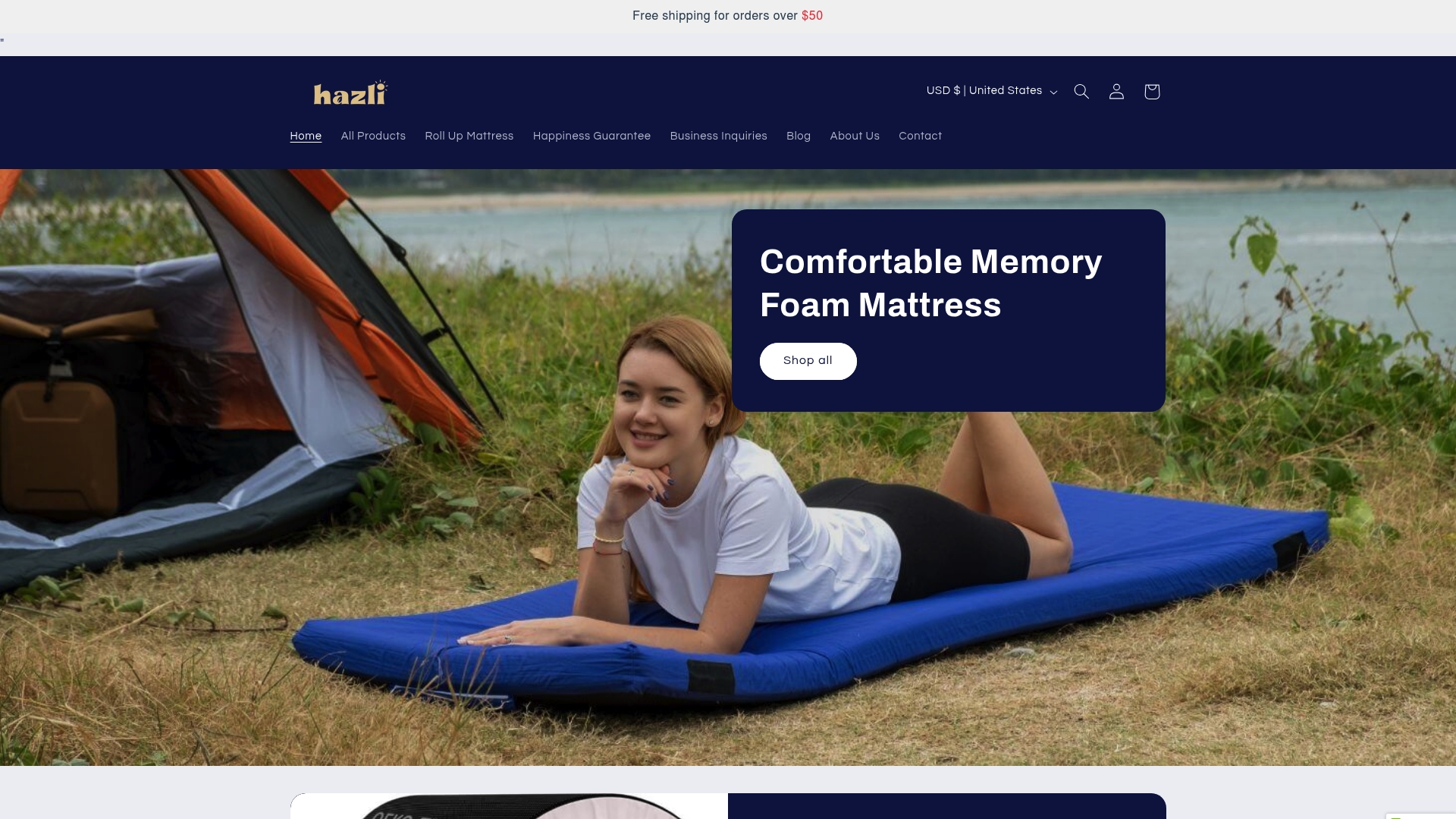
Ready to transform your camping nights into restful, pain-free experiences? Visit Hazli Collection now to browse an expertly curated selection of camping and travel products designed with your family’s comfort and safety in mind. Don’t wait for the next trip to discover what quality gear can do for you—start shopping today.
Frequently Asked Questions
What should be included in a basic camping equipment list?
To create a basic camping equipment list, consider including a tent, sleeping bags, cooking gear, and weather-appropriate clothing. Ensure you also pack a first aid kit and a reliable lighting source like lanterns or flashlights for safety.
How do I choose the right tent for my family?
Choose a tent based on the type of camping you’ll be doing and your family’s needs. Look for tents with enough space for everyone plus gear, and prioritize features such as good ventilation and waterproof materials.
What types of sleeping bags are best for family camping?
For family camping, synthetic sleeping bags are often the best choice because they retain warmth when wet and are generally more affordable. Check the temperature rating to ensure comfort during the expected weather conditions.
How can I ensure my cookware set is suitable for camping?
Select lightweight cookware made from durable materials like aluminum or stainless steel, which heat quickly and are easy to clean. Aim to include nesting cookware to save space and minimize weight while packing.
What are essential safety items to include in my camping first aid kit?
A camping first aid kit should include bandages, antiseptic wipes, pain relievers, and insect repellent, among other items. Customize your kit based on your family’s specific needs, ensuring it is easily accessible during your trip.
How do I effectively layer clothing for varying outdoor conditions?
To layer effectively, start with moisture-wicking base layers, add insulating mid-layers like fleece, and finish with waterproof and windproof outer layers. This strategy allows you to adjust your clothing to match changing weather, keeping your family comfortable throughout your trip.