

By The Hazli Family — Peter & Louise · Reviewed June 2026
Quick answer: The most effective family camping hacks: sleep on a 3–4 inch high-density memory foam mattress, organize gear in labeled clear bins, set up a three-station camp kitchen, light pathways with solar lights, prep simple kid-approved meals at home, add tent comfort accessories like floor mats, and pack a clearly marked emergency kit.
Family camping trips can be unforgettable experiences, but organizing gear, preparing meals, and setting up a comfortable camp often feel overwhelming. If you have ever struggled to find missing equipment or had a restless night on uneven ground, you know just how challenging these moments can be. Creating a safe, enjoyable, and organized outdoor space for everyone—kids and adults alike—requires more than just enthusiasm.
This guide offers practical solutions you can put to use immediately. You will discover proven ways to optimize sleeping comfort, keep your camp tidy, prepare kid-friendly meals, and maintain safety throughout your adventure. Each strategy draws from real outdoor expertise and focuses on family-friendly convenience.
Get ready to see how the right gear choices, smart organization, and thoughtful preparation can transform your next camping trip. These actionable insights will empower you to overcome common camping challenges and create lasting memories with your family.
Table of Contents
- 1. Choose The Right Memory Foam Mattress For Camping
- 2. Organize Gear With Clear Storage Bins
- 3. Create A Family-Friendly Camp Kitchen Setup
- 4. Use Solar Lights For Safety And Ambiance
- 5. Prepare Easy, Kid-Approved Camping Meals
- 6. Maximize Tent Comfort With Simple Accessories
- 7. Pack Emergency Essentials For Family Safety
Quick Summary
| Takeaway | Explanation |
|---|---|
| 1. Choose a quality memory foam mattress | Prioritize thickness, density, and weather resistance for comfort and support. This prevents a restless night’s sleep on the ground. |
| 2. Organize with clear storage bins | Use transparent bins to categorize and label gear, making packing and unpacking efficient and reducing stress on-site. |
| 3. Set up a functional camp kitchen | Designate cooking, prep, and cleaning stations to streamline meal preparation, ensuring a safe and enjoyable cooking experience. |
| 4. Use solar lights for safety and ambiance | Deploy solar lights to ensure well-lit pathways and a welcoming atmosphere, enhancing nighttime safety around your campsite. |
| 5. Pack essential emergency supplies | Include a well-stocked first aid kit, navigation tools, and weather-appropriate gear to address common camping emergencies effectively. |
1. Choose the Right Memory Foam Mattress for Camping
Selecting the right memory foam mattress can transform your family camping experience from uncomfortable to genuinely restful. The difference between waking up refreshed versus stiff and sore often comes down to this single piece of gear.
Memory foam mattresses stand out because they adapt to your body shape and weight, providing support that traditional air pads simply cannot match. Unlike those thin foam camping pads that compress after a few nights, quality memory foam maintains its cushioning properties throughout your trip. The foam also conforms to uneven tent floors, meaning rocks and sticks underneath become far less noticeable. Your family members with different body shapes and sleeping positions all get personalized support from the same mattress.
When shopping for a camping memory foam mattress, focus on three core factors: thickness, foam density, and weather resistance. Memory foam thickness around 3 to 4 inches combined with high-density foam delivers the cushioning your body craves during sleep, along with the insulation that keeps warmth from escaping into the cold ground. Thinner mattresses (under 2 inches) compress too easily and lose their supportive qualities quickly. Thicker options provide better comfort but require more storage space in your vehicle.
Density matters just as much as thickness. High-density foam resists punctures and maintains its shape night after night, which is crucial when camping involves rocky ground or gear being moved around the tent. Lower-density foam feels plush initially but deteriorates faster and offers less protection against the wear and tear of outdoor use.
Weatherproofing deserves serious consideration too. Your camping mattress needs waterproof protection and durability against punctures since moisture will inevitably seep into tents during humid nights or unexpected rain. A waterproof cover or inherent moisture barrier prevents mold and extends the mattress lifespan significantly. Some mattresses include removable, washable covers, which adds convenience when you return home.
Consider how your family actually camps. Weekend trips to established campgrounds have different requirements than backcountry expeditions. Lightweight, compact models work best for hiking into remote areas, while family car camping trips can accommodate larger, more luxurious options. Think about whether you need individual mattresses for each family member or a larger shared mattress for the tent.
Pro tip: Test multiple mattresses in person at outdoor retailers before committing, and look for models with efficient compression systems that reduce packed size without sacrificing comfort or durability when expanded in your tent.
2. Organize Gear with Clear Storage Bins
Chaos in your camping gear storage leads to chaos on the campground. When you cannot find your flashlight, tent stakes, or cooking supplies at home, you certainly will not find them easily in the field.
Clear storage bins solve this problem by eliminating the guessing game. Unlike opaque boxes where you must open each one to see what is inside, transparent bins let you spot exactly what you need at a glance. This visibility saves time during packing and prevents you from grabbing the wrong bin in the dark before dawn departures. Your family can quickly grab the specific gear they need without rummaging through everything else.
The real benefit goes beyond just seeing contents. When gear lives in designated clear bins throughout the year, your family develops a system everyone understands. Kids know that the sleeping bag bin is blue, the cooking gear bin is red, and the first aid supplies live in the labeled white bin. This organization transforms camping prep from a stressful treasure hunt into a simple, repeatable routine.
[Clear storage bins make contents visible without opening], which means you spend less time searching and more time preparing. Start by categorizing your camping equipment into logical groups. One bin might hold all sleeping system items like sleeping bags, pillows, and blankets. Another could store cooking equipment including pots, pans, utensils, and dishes. A third bin keeps safety and first aid supplies together. Lighting gear, campfire supplies, games, and entertainment go into their own bins.
Label each bin clearly with a permanent marker or adhesive labels so family members know exactly where to find what they need. Include a quick inventory list on the outside of bins containing many small items. This prevents the frustration of opening a bin searching for something that is already packed but just not visible.
Storage space matters too. Arrange your bins on adjustable shelving in a garage, basement, or dedicated storage closet. Vertical storage maximizes your space and keeps bins accessible without stacking them so high that you cannot reach them safely. Consider adding hooks near your storage area for hanging backpacks, camping chairs, or rope. Pegboards work wonderfully for organizing smaller items like flashlights, multitools, and cooking utensils within arm’s reach.
The system becomes even more powerful when your whole family participates. Assign each family member responsibility for specific bins. The kids might own the games and entertainment bin, while parents manage the sleeping and cooking supplies. This shared ownership builds camping enthusiasm and ensures everyone knows where to find what they need.
Pro tip: Color code your bins by category using different colored containers or tape, then create a simple master list showing which bin contains what so your entire family can pack and unpack camping gear independently.
3. Create a Family-Friendly Camp Kitchen Setup
A well-organized camp kitchen transforms mealtime from a frustrating scramble into the heart of your camping experience. When your cooking space is thoughtfully planned, your family actually wants to gather there instead of relying on processed snacks and takeout.
Location is your first critical decision. Your camp kitchen should sit on level ground, away from your sleeping tents and at least 200 feet from camp to minimize fire risk and prevent wildlife from visiting your sleeping area attracted by food odors. Flat terrain prevents spilled liquids from pooling under your cooking surface and keeps your stove stable. Distance matters because bears and other animals associate food smells with your campsite, and you do not want them investigating your sleeping quarters at night.
Think of your camp kitchen as having three distinct stations working together like an assembly line. The cooking station is where your portable stove sits, ready to heat water and prepare meals. The prep station gives you a clean, organized surface for cutting vegetables, arranging ingredients, and assembling meals. The cleaning station handles dishes and manages wastewater responsibly. This separation keeps raw food away from cooked food, prevents cross-contamination, and makes the whole process logical and efficient.
Your portable stove becomes the anchor of the cooking station. Whether you choose a single-burner camping stove or a two-burner model depends on your family size and cooking ambitions. A single burner works fine for boiling water for pasta and heating soups, while two burners let you cook sides while preparing the main dish. Keep your fuel secured safely away from your sleeping area and organized so you know exactly how much you have left for future trips.
The prep station needs a solid, clean surface. Many families bring a folding camping table, which provides plenty of workspace without taking up much space when packed. Others use a sturdy cooler lid as an impromptu prep surface. [Essential gear including portable stoves and prep surfaces] should be organized so ingredients are within arm’s reach. Stock your prep area with cutting boards, sharp knives, mixing bowls, and measuring utensils. Having everything organized before you start cooking saves time and frustration.
Coolers deserve special attention since they keep food safe and fresh. Plan for at least one cooler dedicated to perishables like meat, dairy, and fresh produce. A second cooler works well for beverages since you will open it constantly, which would warm the food cooler. Pack ice strategically, with frozen items around the perimeter and frequently used items in the middle. This organization keeps food cold longer and lets you grab what you need without exposing everything else.
Storage bins keep your kitchen supplies organized and protected from moisture and insects. Clear bins let you see supplies at a glance, while sealed bins protect food from critters. Keep cooking oils, spices, flour, sugar, and pasta in separate containers to prevent spills and contamination. Label everything clearly so family members can find what they need.
Sanitation supplies are often overlooked but absolutely essential. Bring biodegradable soap, clean water for washing dishes, paper towels, and a designated dishwashing area away from your water source. Wipe down surfaces regularly, and dispose of wastewater properly at least 200 feet from water sources. This practice respects the environment and keeps your camp healthy.
Involving your family in the kitchen setup builds enthusiasm and ownership. Assign older kids responsibility for specific stations, whether that is managing the cooler, organizing prep supplies, or handling dish cleanup. Children who help cook and clean up meals become more invested in eating what they prepared.
Pro tip: Set up your camp kitchen the same way every trip so your family develops muscle memory and can navigate it efficiently without constant directions or questions about where things go.
4. Use Solar Lights for Safety and Ambiance
Solar lights transform your campsite from a dark, potentially hazardous space into a safe, welcoming gathering place after sunset. They provide reliable illumination without requiring you to pack batteries or worry about running out of power mid-trip.
Solar-powered camping lights work by converting sunlight into electrical energy during the day and storing it in rechargeable batteries for nighttime use. When the sun sets, the lights automatically activate, eliminating the need to manually turn them on and off. This automatic operation means you get consistent lighting without any effort. For families, this convenience translates to safer pathways around your tent, easier nighttime bathroom trips, and a more comfortable camping experience overall.
The beauty of solar lights lies in their environmental responsibility. Unlike traditional battery-powered lights that require you to pack out dead batteries and contribute to landfill waste, solar lights use renewable energy. They also operate silently, which means you will not disturb wildlife or other campers with constant humming or beeping. Your family enjoys the benefits of reliable lighting while respecting the natural environment around you.
Choosing the right solar lights for your camping style requires understanding a few key features. Brightness levels determine how well the light illuminates your space. For pathway safety, look for lights that provide at least 50 to 100 lumens. For ambient lighting around your tent or campfire area, softer lights around 20 to 50 lumens create a comfortable atmosphere without being overwhelming. Battery capacity affects how long the light stays on during the night. Quality solar lights run for 8 to 10 hours or more on a full charge, which covers your entire evening and early morning.
Weather resistance matters tremendously since camping conditions are unpredictable. Look for solar lights rated as waterproof or water resistant, capable of withstanding rain and humidity without failing. Portability determines whether your solar lights are convenient to pack and transport. [Inflatable and collapsible designs offer popular solutions for ease of transport], allowing you to save precious space in your vehicle while still having effective lighting.
Different types of solar lights serve different purposes at your campsite. Solar lanterns function like traditional camp lanterns, providing ambient lighting for your tent area or around the fire pit. These lights typically sit on a table or the ground and create a warm, inviting glow that brings your family together. Pathway lights mount lower to the ground, illuminating walking routes and preventing tripping hazards as people move around camp after dark. Solar string lights add festive ambiance, draping between trees or around your tent to create a magical evening atmosphere that children especially love.
Placement strategy maximizes the effectiveness of your solar lights. Position lanterns in central areas where people gather most often. Put pathway lights along routes people walk most frequently, especially between the tent and bathroom or water areas. String lights should hang where they are visible from your main camp area but will not shine directly in anyone’s eyes. Make sure solar panels receive full sunlight during the day. Avoid placing lights under trees or in shaded areas where they cannot charge properly.
Many families find that a combination of different solar light types works best. A solar lantern provides general ambient lighting for the tent area and dinner preparation. Pathway lights ensure safe movement around camp at night. String lights add festive flair and help kids feel excited about the camping experience. This layered approach to lighting creates zones of comfort throughout your campsite.
Pro tip: Bring at least one backup solar light with extra battery capacity in case your primary lights fail or provide insufficient brightness on particularly dark nights when cloud cover reduces solar charging during the day.
5. Prepare Easy, Kid-Approved Camping Meals
Hungry kids can turn a fun camping trip into a miserable experience in minutes. When you plan simple, familiar meals that your children actually enjoy eating, mealtimes become the highlight of your camping adventure instead of a source of stress.
The secret to kid-approved camping meals is abandoning your expectation of gourmet cooking. Your goal is not to create restaurant quality food, but rather to feed your family efficiently while maintaining their happiness and energy levels. Kids thrive on simple flavors they recognize, easy-to-eat formats that do not require complicated utensils, and meals they can help prepare. When children participate in cooking their own food, they become invested in eating it, even if the ingredients would normally be rejected at home.
Breakfast sets the tone for your entire day. Campfire pancakes let kids customize their toppings, whether that means chocolate chips, berries, or extra syrup. You prepare the basic batter in advance at home and simply add water at camp, eliminating messy measuring and mixing. Breakfast burritos assembled ahead of time contain scrambled eggs, cheese, and optional bacon or sausage wrapped in tortillas. They reheat easily in the morning and provide substantial fuel for active days. Make-ahead oatmeal packs contain instant oatmeal mixed with dried fruit and brown sugar in individual bags. Kids pour hot water directly into their pack for an instant breakfast with minimal cleanup.
Lunch options should require minimal cooking and cleanup so you can maximize playtime. Walking tacos let each family member pour seasoned ground beef and toppings into individual bags of crushed tortilla chips. Kids eat directly from their bag using the chip bag as an edible bowl, eliminating dishes entirely. Pizza quesadillas combine pizza sauce, mozzarella cheese, and optional pepperoni between flour tortillas, then cook in a skillet until the cheese melts. [Kid-friendly camping meals focus on simple formats and minimal prep time], which means your kids eat faster and have more time for activities.
Dinner around the campfire creates lasting memories. Foil packet meals let each family member build their own dinner packet containing chicken or ground beef, vegetables, and seasonings. Simply place the packets on the campfire grate to cook while your family plays games or enjoys the evening. Build-your-own tacos allow kids to assemble exactly what they want, choosing from seasoned meat, beans, cheese, lettuce, and toppings. When kids control their meal composition, even picky eaters will eat what they created. Foil packet nachos layer tortilla chips, ground beef, cheese, and jalapeños in disposable aluminum packets that cook over the fire into a gooey, kid-pleasing dip.
Planning and preparation transform camping meals from stressful to simple. Two weeks before your trip, write a detailed menu listing every breakfast, lunch, dinner, and snack. This prevents the “what should we eat?” conversation that leads to poor choices. Prepare ingredients at home when possible. Chop vegetables, mix pancake dry ingredients, and season ground beef before you leave. Pack everything in labeled containers so you grab exactly what you need without searching through coolers and bins.
Involving kids in meal preparation builds excitement and skills. Assign each child an age-appropriate job. Younger kids can stir ingredients or arrange toppings on tortillas. Older kids can measure ingredients, flip pancakes, or monitor cooking time. They will eat whatever they help create, even if it looks slightly imperfect.
Do not forget about snacks. Pack plenty of kid-friendly options like granola bars, trail mix, crackers with cheese, fruit, and their favorite treats. Snacks prevent hunger-driven meltdowns between meals and keep energy levels stable during active camping days.
Pro tip: Prepare a “backup breakfast” option of cereal, instant oatmeal, and shelf-stable milk at home, since mornings with groggy kids and campfire delays can derail even the best meal plans.
6. Maximize Tent Comfort with Simple Accessories
Your tent becomes a bedroom, living room, and refuge from weather during family camping trips. Simple accessories transform it from a bare shelter into a comfortable space where your family actually wants to spend time.
Tent comfort goes beyond just having a good mattress. The space around you matters significantly. When your tent feels cramped and cluttered, everyone feels stressed and irritable. When it feels organized and spacious, your family relaxes and enjoys the experience. The right accessories create this comfortable environment without requiring you to purchase an expensive larger tent.
Floor mats and rugs form the foundation of tent comfort. These protect your sleeping area from moisture seeping up from the ground while also providing insulation that keeps warmth from escaping. A simple tent floor mat creates a defined sleeping zone that feels more like a bedroom than a dirt floor. Many families add washable area rugs that define different spaces within the tent, such as a sleeping zone and a changing area. The rug also prevents mud and dirt from being tracked onto sleeping bags and gear.
Hanging storage solutions maximize vertical space and keep your tent organized. Hanging organizers with multiple pockets attach to tent poles or walls, storing everything from flashlights and books to snacks and first aid supplies. When items hang vertically rather than sitting on the floor, your tent instantly feels larger and less cluttered. Kids appreciate knowing exactly where to find their flashlight, book, or favorite snack without digging through piles of gear. These organizers also keep items easily accessible without anyone having to search through the tent.
Insulated sleeping pads significantly enhance comfort and warmth. While a quality memory foam mattress provides excellent support, adding an insulated pad underneath creates additional cushioning and thermal protection. [Insulated sleeping pads and heating options further improve tent comfort], especially during cooler nights when ground chill would otherwise make sleeping difficult. The combination of a quality mattress on top of an insulated pad creates a sleep system that rivals your bed at home.
Tent annexes expand your living space dramatically. These attachable structures add covered storage and living areas without requiring you to purchase a larger tent. An annex provides shelter for gear storage, creating a mudroom effect where wet boots and rain gear stay out of your sleeping space. Some families use annexes as additional sleeping space for older kids or guests, while others use them as covered work areas during rainy days. Annexes range from simple tarps to sophisticated structures that attach securely to your tent.
Lighting accessories improve safety and ambiance inside your tent. Hang solar lanterns from tent poles to create soft interior lighting that does not require batteries or generate heat. Battery-powered string lights add festive atmosphere that makes the tent feel more inviting. A small headlamp or flashlight mounted on a hook provides task lighting for reading or finding items without disturbing sleeping family members.
Climate control accessories expand your comfort range. In cool weather, a battery-powered small fan circulates air during humid nights. In warm weather, tent vents and door adjustments maximize cross ventilation. A thermometer inside your tent helps you understand temperature changes so you can adjust clothing or add blankets before anyone gets uncomfortable.
Organizers specifically designed for tents address the unique challenges of camping. Gear loops and pockets built into many tent designs provide designated storage, while additional organizers fill gaps. Separate compartments for different family members’s belongings prevent arguments about whose item is where.
The psychological benefit of comfort accessories cannot be overstated. When your family feels comfortable and well-organized in your tent, they think of camping as fun rather than endurance. Kids look forward to camping trips because their tent feels like a comfortable retreat rather than a sparse emergency shelter.
Pro tip: Before your trip, create a detailed tent organization plan showing where each category of gear will be stored, then practice setting up your tent at home to test the layout and make adjustments before you camp.
7. Pack Emergency Essentials for Family Safety
Emergency preparedness separates a minor camping inconvenience from a serious crisis. When you pack the right emergency essentials before leaving home, you protect your family and maintain calm confidence throughout your trip.
Most camping emergencies are not dramatic wilderness survival scenarios. They are common situations like minor cuts, insect bites, twisted ankles, or unexpected weather changes. A well-stocked first aid kit addresses these routine issues before they become major problems. When your child gets a blister, you simply apply a protective bandage instead of cutting the trip short. When someone gets a mosquito bite, you have itch relief instead of watching them scratch until the skin bleeds.
First aid supplies form the foundation of your emergency kit. Include various sized bandages for cuts and scrapes, since kids encounter sharp objects and rough terrain constantly. Pack antibiotic ointment to prevent infection. Include pain relievers suitable for your family’s ages, antihistamines for allergic reactions, and anti-diarrheal medication since camping food and water sometimes cause digestive upset. Insect bite cream, blister treatment pads, and elastic bandages address common camping injuries. A thermometer helps you identify fevers early. Include any prescription medications your family members require, packed in their original containers with clear labels showing dosage instructions.
Navigation and communication tools keep your family safe and connected. Bring a detailed map of your camping area and a compass. While smartphones provide GPS, they lose battery and cell service in remote areas. A paper map never dies. A whistle provides emergency signaling that carries far further than voices. If your area has cell service, share your detailed itinerary with someone at home, including expected return times and emergency contact information. Consider a personal locator beacon or satellite communicator for truly remote trips where cell phones do not work.
Multi-purpose tools and emergency gear solve unexpected problems. A good quality multi-tool or knife handles countless tasks from opening food packaging to emergency repairs. Fire starters including waterproof matches and a lighter ensure you can build emergency warmth. Emergency blankets provide critical thermal protection if someone becomes unexpectedly hypothermic. A flashlight with extra batteries prevents darkness from becoming a safety hazard. Keep these tools in [waterproof storage that protects critical items], ensuring they function when needed.
Weather appropriate clothing and gear prevents exposure injuries. Pack rain gear even if sunny weather is forecast, since weather changes unexpectedly. Include layers appropriate to the season and elevation, since temperature drops dramatically when the sun sets. Sturdy, broken-in footwear with good traction prevents ankle injuries on uneven terrain. Quick-drying clothing prevents the dangerous rapid cooling of wet fabric against skin in cool weather.
Hydration and water safety supplies maintain health during active camping. Dehydration causes headaches, dizziness, and poor decision making that compounds other problems. Pack water purification tablets as backup if your water source becomes contaminated. Electrolyte replacement drinks help prevent dehydration more effectively than water alone, especially in hot weather or during strenuous activity.
Wildlife and environmental considerations depend on your location. Research what animals inhabit your camping area and pack accordingly. Bear-proof food storage containers, bear bells, and bear spray protect against wildlife encounters in grizzly country. In areas with venomous snakes, know the symptoms and carry appropriate first aid supplies. Understand tick and Lyme disease prevention in your region.
Practice and planning transform emergency supplies from useless cargo into lifesaving tools. Before your trip, practice using your first aid kit, map and compass, and other emergency gear. Make sure everyone in your family knows where emergency supplies are stored and how to access them. Identify potential hazards specific to your camping location and pack accordingly. Talk through emergency scenarios with your kids so they know how to respond if separated or injured.
Pro tip: Pack your emergency kit in a clearly marked, waterproof container stored near the tent entrance so any family member can find supplies quickly during stressful situations without fumbling through other gear.
Below is a comprehensive table summarizing the key camping tips and strategies discussed in the article.
| Tips | Details | Benefits |
|---|---|---|
| Choosing a Memory Foam Mattress | Focus on thickness, density, and weather resistance for maximum comfort. | Provides personalized support and enhances sleep quality. |
| Organizing Gear with Clear Storage Bins | Use categorized, labeled bins with clear visibility. | Simplifies packing and searching, saving time and reducing stress. |
| Creating a Family-Friendly Camp Kitchen | Setup distinct cooking, prepping, and cleaning stations. | Improves efficiency and makes shared meals enjoyable. |
| Using Solar Lights | Opt for weather-resistant, portable, and efficient solar lighting. | Ensures safety, ambiance, and environmental friendliness. |
| Preparing Kid-Approved Meals | Plan simple, nutritious, and fun meals like pancakes, tacos, and foil packets. | Promotes happiness, satiation, and family engagement. |
| Enhancing Tent Comfort | Include floor mats, storage solutions, and insulated pads. | Creates a functional and relaxing living space. |
| Packing Emergency Essentials | Carry a first aid kit, navigation tools, and weather-appropriate gear. | Provides preparedness and enhances safety. |
Elevate Your Family Camping Experience with Comfort and Confidence
The article highlights key challenges families face while camping such as finding the right memory foam mattress for restful sleep, organizing gear efficiently, and creating a safe, welcoming camp kitchen. These pain points can turn a fun adventure into a tiring or stressful experience. At Hazli Collection, we understand those struggles and provide high-quality camping gear designed to solve them with ease. Our memory foam mattresses deliver lasting comfort and personalized support, perfect for uneven terrain and all body types. Combine that with our practical storage and accessory options to keep your gear organized and ready for action.
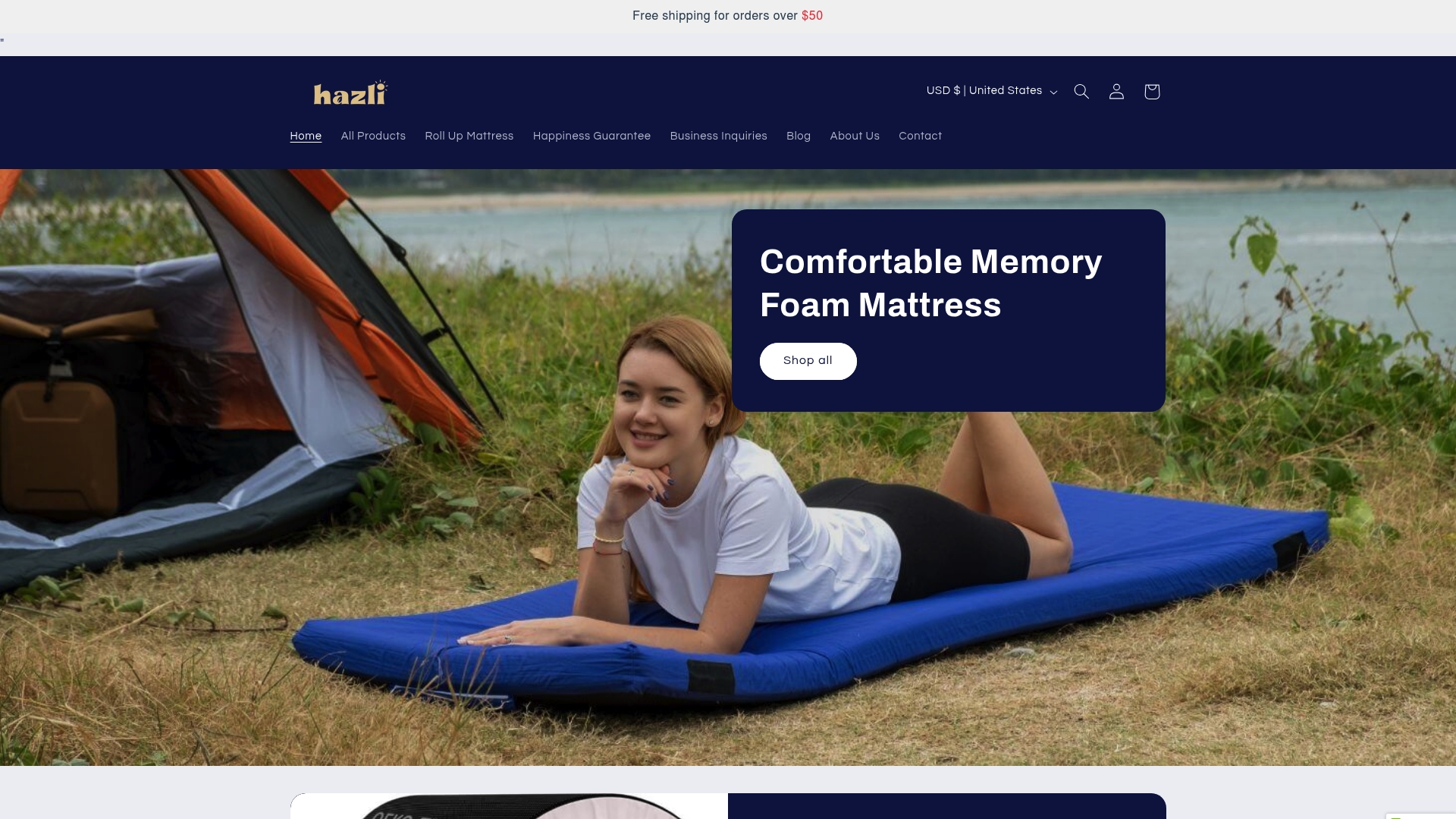
Discover the difference a carefully chosen outdoor sleep system makes by exploring our collection at Hazli Collection. Whether you want a memory foam mattress built for durability and insulation or smart camping accessories to simplify your setup, we have what your family needs to turn the outdoors into a restful retreat. Act now to prepare your next trip with gear that guarantees comfort, functionality, and lasting memories. Start browsing today and enjoy camping with the ease and quality your family deserves.
Frequently Asked Questions
How do I choose the best memory foam mattress for camping?
Selecting a quality memory foam mattress involves considering thickness, foam density, and weather resistance. Aim for a thickness around 3 to 4 inches with high-density foam to ensure comfort and insulation; this can make a significant difference in your camping experience.
What is an effective way to organize camping gear for my family?
Using clear storage bins is an effective way to organize camping gear, allowing everyone to see what’s inside at a glance. Categorize items by type, label each bin, and create a master list showing what each bin contains, making preparation quick and efficient.
What should I include in a kid-friendly camping meal plan?
Plan simple meals that are familiar to children, such as campfire pancakes or walking tacos, to keep everyone happy. Prepare some ingredients at home and give kids age-appropriate tasks to help with cooking; this can make mealtime enjoyable and engaging for them.
How can I improve the comfort of our camping tent?
Enhance tent comfort by using floor mats and hanging storage solutions to keep the space organized and cozy. Adding insulation with sleeping pads under your mattress can make sleeping more comfortable, ensuring a restful night in the outdoors.
What emergency items are essential for family camping trips?
An essential emergency kit should include basic first aid supplies, navigation tools, and weather-appropriate clothing. Prepare for common issues like cuts or insect bites; by having these items ready, you can maintain peace of mind during your trip and respond to minor emergencies effectively.