

By The Hazli Family — Peter & Louise · Reviewed June 2026
Quick answer: A lightweight camping gear list covers eight must-haves: a sub-3-pound ergonomic backpack, ultralight tent or shelter, compact sleeping bag and insulated pad, nesting multi-use cookware, packable weatherproof clothing, a water filter under 12 ounces, calorie-dense food with compact storage, and a minimalist first aid kit under one pound.
Most experienced American campers know every ounce counts when trekking over rugged miles. Studies show that carrying even a few extra pounds can lead to increased fatigue and discomfort, impacting your entire expedition. Prioritizing lightweight, durable gear means you can cover more ground with less strain, keeping your focus on adventure rather than sore shoulders. This guide brings together practical solutions for those who value comfort and efficiency in their multi-day backpacking trips.
Table of Contents
- 1. Choose A Lightweight Backpack For Comfort
- 2. Opt For An Ultralight Tent Or Shelter
- 3. Pick Compact Sleeping Bags And Pads
- 4. Select Multi-Use Cookware And Utensils
- 5. Invest In Packable, Weatherproof Clothing
- 6. Prioritize Durable Water Filtration Systems
- 7. Include Efficient Nutrition And Food Storage
- 8. Add Minimalist Emergency And First Aid Kits
Quick Summary
| Key Message | Explanation |
|---|---|
| 1. Choose an Ergonomic Backpack | Select a backpack with good weight distribution to enhance comfort and mobility during your camping trip. |
| 2. Select an Ultralight Shelter | Opt for lightweight shelters under 3 pounds that are compact and weather-resistant to improve your camping experience. |
| 3. Prioritize a Compact Sleeping System | Use sleeping bags and pads that are under 3 pounds and insulated properly for sufficient warmth and comfort. |
| 4. Invest in Versatile Cookware | Choose multi-use cookware that is lightweight and compact, allowing for easier transportation and efficient cooking. |
| 5. Equip a Minimalist Emergency Kit | Create a compact and well-organized first aid kit containing essential items for emergency situations during your trip. |
1. Choose a Lightweight Backpack for Comfort
Choosing the right backpack can make or break your camping experience. A well-designed backpack is your foundation for comfort during outdoor adventures, directly impacting your mobility and energy levels throughout the trip.
Ergonomic design plays a crucial role in backpack selection. Studies about load distribution recommend selecting backpacks that distribute weight evenly across shoulders and back, utilizing padded straps and ventilated support systems. By prioritizing lightweight materials, you reduce physical strain and enhance overall comfort during extended camping trips.
When selecting your backpack, consider these key factors:
Weight Distribution • Look for backpacks with wide, padded shoulder straps • Select designs with adjustable sternum and hip straps • Ensure the pack sits close to your body’s center of gravity
Material Considerations • Choose ripstop nylon or lightweight polyester • Prioritize water resistant fabrics • Select packs under 3 pounds for maximum mobility
Research indicates that carrying a backpack across both shoulders provides the most energy efficient walking method, minimizing gait disruption and maximizing comfort during hiking.
Pro tip: Always test your backpack’s fit and weight distribution before your actual camping trip to ensure optimal comfort and adjustability.
2. Opt for an Ultralight Tent or Shelter
Your camping shelter is more than just a place to sleep its your lifeline in the wilderness. Selecting an ultralight tent or shelter can dramatically improve your outdoor experience by reducing weight and increasing mobility.
Emergency shelter solutions demonstrate that lightweight materials and smart design are crucial for optimal performance. Research highlights the importance of choosing shelters that balance durability, weight, and adaptability to different environmental conditions.
Key Considerations for Ultralight Shelters • Weight: Target shelters under 3 pounds • Packed size: Compact design for easy transportation • Material: Ripstop nylon or silnylon for strength • Weather resistance: Waterproof and windproof capabilities
Shelter Types to Consider • Lightweight backpacking tents • Tarp shelters • Bivy sacks • Hammock tent systems
Comparative research suggests that modular shelter designs offer significant advantages in transportability and setup ease. By prioritizing lightweight materials and innovative construction, you can dramatically reduce your pack weight without sacrificing protection.
Pro tip: Practice setting up your ultralight shelter at home before your trip to ensure quick and efficient assembly in varying outdoor conditions.
3. Pick Compact Sleeping Bags and Pads
Your sleeping system can make or break a camping adventure. Selecting the right compact sleeping bag and pad is crucial for ensuring restful nights and maintaining energy during outdoor expeditions.
Quality sleep research demonstrates that proper insulation and comfort are essential for physical recovery and cognitive function in challenging environments. Compact sleeping systems allow you to minimize pack weight while maximizing comfort and warmth.
Key Sleeping System Criteria • Total weight under 3 pounds • Compressible to smaller than a water bottle • Temperature rating appropriate for your environment • Synthetic or down insulation options
Sleeping Pad Considerations • R-value of 3 or higher for adequate insulation • Inflatable or foam pad options • Thickness between 1 and 2.5 inches • Weight under 1 pound
Insulated sleeping systems improve physical restoration by preserving body heat and providing cushioning against uneven terrain. Modern camping technology allows adventurers to balance comfort and portability like never before.
Pro tip: Always test your sleeping bag and pad combination at home before your trip to ensure proper fit and comfort in your actual camping environment.
4. Select Multi-Use Cookware and Utensils
Your camping cookware can be a game changer or a burden depending on your selection strategy. Smart campers prioritize versatile lightweight cooking systems that minimize weight while maximizing functionality.
Outdoor cookware research demonstrates that integrated cooking systems with nested components offer exceptional performance for backpackers and campers. Materials like titanium and stainless steel provide an ideal balance between durability and weight efficiency.
Ideal Multi Use Cookware Features • Total system weight under 2 pounds • Nested pot and pan design • Integrated utensils • Handles that lock or fold
Material Considerations • Titanium ultralight options • Hard anodized aluminum • Stainless steel for durability • Ceramic coated for nonstick performance
Cookware material studies indicate that selecting the right materials can preserve food nutrients while minimizing environmental impact. Modern camping cookware combines performance with sustainability like never before.
Pro tip: Practice cooking with your new multi use cookware system at home before your trip to understand its capabilities and potential limitations.
5. Invest in Packable, Weatherproof Clothing
Camping clothing is more than just something to wear its your primary defense against challenging outdoor environments. The right weatherproof clothing can transform your entire outdoor experience by keeping you comfortable and protected.
Forest Service research emphasizes the critical importance of selecting clothing that provides thermal regulation and waterproof protection. Modern outdoor apparel combines advanced material technologies to create lightweight gear that performs exceptionally well in variable conditions.
Essential Clothing Performance Criteria • Total weight under 1.5 pounds • Compressible to fit in small pack compartment • Water resistant or waterproof capabilities • Quick drying materials • Layering potential
Recommended Fabric Technologies • Merino wool blends • Synthetic polyester • Nylon ripstop • Gore-Tex membrane systems • Treated cotton alternatives
Protective clothing standards highlight the importance of breathability and durability in outdoor clothing systems. Choosing versatile pieces that adapt to changing weather conditions will significantly enhance your camping comfort and performance.
Pro tip: Pack clothing that can be easily layered and mix lightweight base layers with waterproof outer shells for maximum versatility in unpredictable outdoor environments.
6. Prioritize Durable Water Filtration Systems
Clean water is your lifeline in the wilderness where one contaminated drink can derail an entire camping expedition. Understanding how to select and use reliable water filtration systems is crucial for outdoor survival and comfort.
Government water filtration research emphasizes the critical need for portable systems that effectively remove pathogens and impurities. Modern filtration technology has revolutionized how campers approach water safety in remote environments.
Key Water Filtration System Criteria • Weight under 12 ounces • Filtering capacity of 1000+ liters • Remove 99.9999% of waterborne bacteria • Multiple filtration method options • Compact and easily packable design
Filtration Technology Types • Straw style filters • Pump action filters • Gravity feed systems • Inline bottle filters • Chemical treatment options
Academic water filtration initiatives highlight innovative approaches including solar powered and low energy systems that provide sustainable clean water solutions. Understanding your specific environmental conditions will help you choose the most effective filtration method.
Pro tip: Always carry a backup water treatment method and practice using your primary filtration system before your actual camping trip to ensure proper technique and understanding.
7. Include Efficient Nutrition and Food Storage
Your camping food strategy can make or break your outdoor adventure. Smart nutrition planning means selecting lightweight, high energy foods that fuel your body without weighing down your pack.
Government dietary guidelines emphasize prioritizing whole nutrient-dense foods that support physical performance and recovery. Understanding how to balance nutrition with portability is key to successful camping trips.
Nutrition Efficiency Criteria • Calorie density over 100 calories per ounce • Minimal water weight • Balanced macronutrient profile • Long shelf stability • Easy preparation methods
Food Storage Strategies • Vacuum sealed packaging • Resealable lightweight containers • Bear resistant storage options • Waterproof storage bags • Compact compression systems
Dehydrated food market research demonstrates increasing innovations in lightweight nutritional solutions. Modern camping food technology allows adventurers to carry maximum nutrition with minimal weight.
Pro tip: Practice meal planning and portion packing at home to optimize your food weight and ensure you have precisely what you need for your specific trip duration.
8. Add Minimalist Emergency and First Aid Kits
Emergency preparedness can transform a potential disaster into a manageable situation. Your minimalist first aid kit is not just a collection of supplies but a critical lifeline in unpredictable outdoor environments.
Government emergency preparedness guidance emphasizes creating compact kits containing essential survival items. Smart campers understand that lightweight emergency preparedness can mean the difference between comfort and crisis.
Essential First Aid Kit Components • Compact waterproof container • Sterile adhesive bandages • Antiseptic wipes • Disposable gloves • Emergency blanket • Multitool with scissors • Pain relief medication
Strategic Packing Considerations • Total kit weight under 1 pound • Vacuum sealed packaging • Weatherproof protection • Clearly labeled contents • Organized compartments
Red Cross first aid recommendations highlight the importance of efficient, targeted medical supplies for outdoor emergencies. Modern emergency kits prioritize versatility and minimal weight without compromising safety.
Pro tip: Customize your emergency kit based on specific trip conditions and personal medical needs, and always conduct a quick inventory check before departing.
Below is a comprehensive table summarizing the main strategies and considerations discussed in the article regarding essential gear choices for ensuring comfort, safety, and efficiency during camping trips.
| Category | Key Features | Pro Tip |
|---|---|---|
| Lightweight Backpacks | Even weight distribution, ergonomic design, lightweight materials (e.g., under 3 pounds). | Test your backpack’s fit and adjustability before the trip. |
| Ultralight Shelters | Weight below 3 pounds, compact design, durable and weather-resistant materials like ripstop nylon. | Practice setting up your shelter at home for efficient assembly in the field. |
| Sleeping Bags and Pads | Compact and lightweight (<3 pounds), appropriate temperature ratings, and insulated construction. | Test your sleeping bag and pad combination at home to ensure proper fit and comfort. |
| Multi-Use Cookware | Lightweight (<2 pounds), nests compactly, durable materials like titanium, multi-functional. | Become familiar with your cookware system by testing it at home before setting out. |
| Weatherproof Clothing | Lightweight and compressible, water-resistant or waterproof materials with layering potential. | Use layering techniques to maximize comfort in changing weather. |
| Water Filtration Systems | Light (under 12 oz.), capable of filtering pathogens, ensures clean and safe drinking water. | Always have a backup water treatment method and practice proper usage before your trip. |
| Food and Nutrition | High-calorie, lightweight, long shelf-life, and compact storage solutions. | Plan meals and portions in advance, and use dehydrated options for ease of storage and preparation. |
| Emergency First Aid Kits | Compact, essential supplies (antiseptic, bandages, medication), lightweight designs (<1 pound). | Customize the kit to your specific travel conditions and perform an inventory check pre-departure. |
Elevate Your Lightweight Camping Experience with Hazli Collection
Packing smart and staying comfortable are the biggest challenges when choosing the right lightweight camping gear. This article covers key essentials like ultralight shelters, compact sleeping systems, and durable water filtration that help reduce pack weight without sacrificing comfort or safety. If you want to conquer your campsite with ease while enjoying restful nights, selecting high-quality gear that supports your goals is critical.
Discover how Hazli Collection can simplify your outdoor preparations with a curated selection designed for campers who value comfort, durability, and practicality. Explore our Camping and Travel Products to find innovative lightweight solutions including memory foam mattresses that ensure you sleep soundly after a long day of hiking.
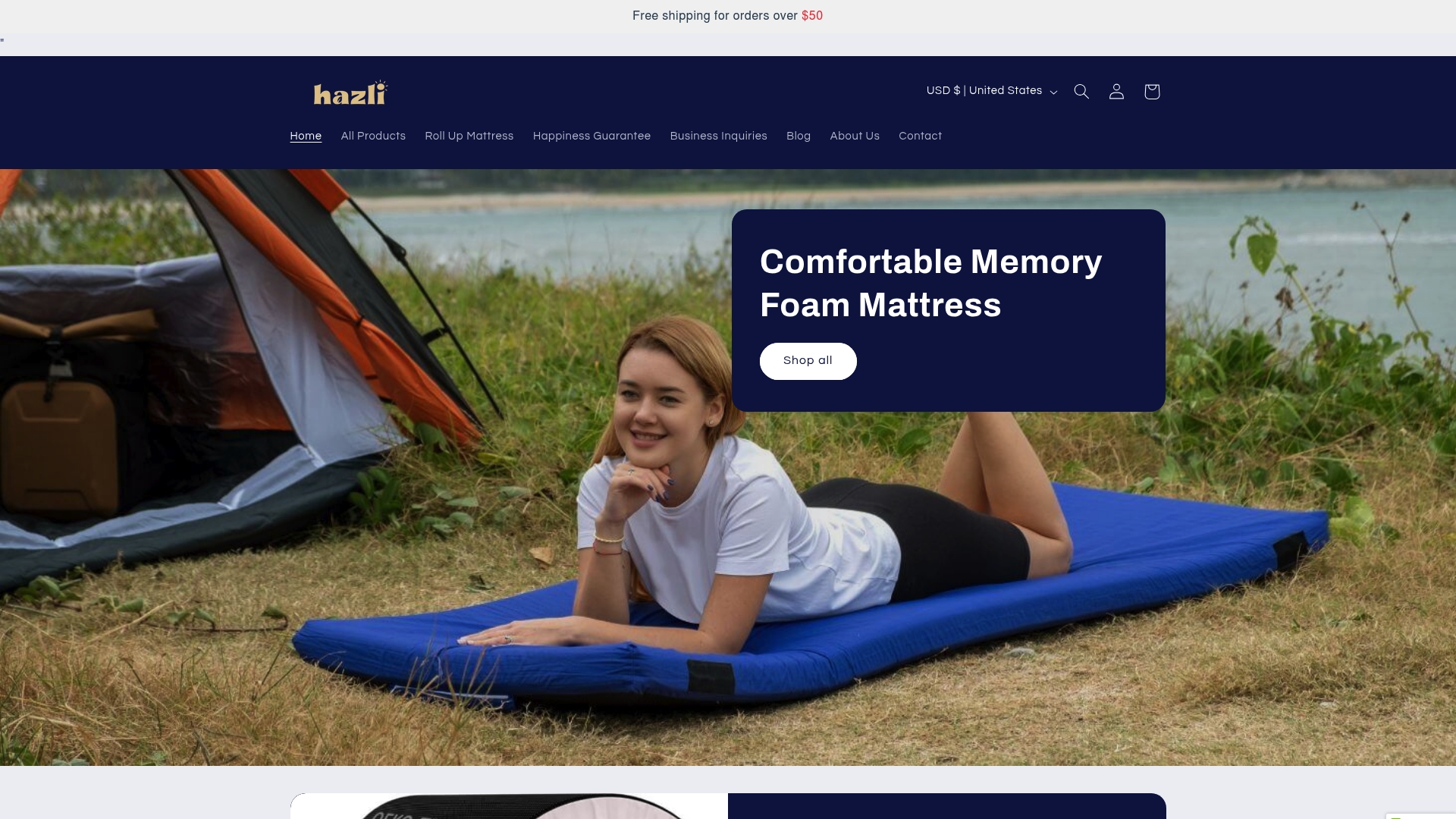
Ready to upgrade your gear for your next adventure? Visit Hazli Collection and browse our Car Camping Essentials for trusted camping equipment that balances weight and performance. Don’t wait to equip yourself with gear that works as hard as you do on the trail.
Frequently Asked Questions
What are the essential features to look for in a lightweight backpack for camping?
A lightweight backpack should have wide, padded shoulder straps and a design that offers adjustable sternum and hip straps for a good fit. Test the weight distribution and ensure it sits close to your body’s center of gravity to enhance your comfort during hikes.
How do I choose the right ultralight tent for my camping needs?
Select a tent that weighs under 3 pounds and is compact enough for easy transportation. Prioritize features like waterproof and windproof capabilities to keep you protected from varying weather conditions while camping.
What factors should I consider when selecting a compact sleeping bag and pad?
Look for a sleeping bag and pad combination that weighs under 3 pounds and can compress to fit smaller than a water bottle. Ensure it has a suitable temperature rating for your environment to maintain warmth during colder nights.
How can I effectively store and prepare food while camping?
Ensure your food choices are calorie-dense, weighing over 100 calories per ounce, while being easy to prepare. Use vacuum-sealed packaging and waterproof storage bags to keep your food fresh and protected during your trip.
What items should I include in a minimalist first aid kit for camping?
Your first aid kit should contain essential items like sterile adhesive bandages, antiseptic wipes, and a multitool. Keep the total weight under 1 pound and ensure that the contents are clearly labeled and organized for easy access in emergencies.
How do I choose an effective water filtration system for camping?
Select a portable water filtration system that weighs under 12 ounces and can filter over 1,000 liters of water while removing 99.9999% of waterborne bacteria. Make sure it’s compact and easily packable to fit within your camping gear.