

By The Hazli Family — Peter & Louise · Reviewed June 2026
Quick answer: Open-cell foam is a soft, flexible material whose internal cells are deliberately left open and interconnected, letting air and moisture pass through. That structure makes it breathable, lightweight, and excellent at cushioning and sound absorption — ideal for camping mattresses and sleeping pads — though it absorbs water more readily than closed-cell foam.
Over 60 percent of American outdoor enthusiasts choose open-cell foam gear for comfort and performance. This material’s sponge-like network of interconnected pores stands apart from traditional padding, offering unique advantages in camping and rugged environments. Whether you are searching for better breathability in a sleeping pad or flexible support on rough trails, understanding open-cell foam can help you select equipment that meets demanding expectations.
Table of Contents
- Defining Open-Cell Foam Structure And Function
- Types Of Open-Cell Foam Used Outdoors
- Core Benefits For Camping And Outdoor Gear
- How Open-Cell Foam Compares To Alternatives
- Common Misunderstandings And Care Tips
Key Takeaways
| Point | Details |
|---|---|
| Open-Cell Foam Structure | Features interconnected pores enabling breathability, sound absorption, and thermal regulation, making it ideal for outdoor applications. |
| Types of Open-Cell Foam | Polyurethane foams, including ether and ester variants, offer specific performance characteristics for varying outdoor conditions. |
| Core Benefits for Outdoor Gear | Provides exceptional comfort, adaptability, and moisture management, enhancing the overall experience for campers and outdoor enthusiasts. |
| Care and Maintenance | Proper storage in dry environments and regular inspections are essential for extending the lifespan of open-cell foam gear. |
Defining Open-Cell Foam Structure and Function
Open-cell foam represents a unique material characterized by its distinctive internal architecture. Unlike closed-cell alternatives, this foam type features interconnected pores that create a network allowing air, moisture, and sound waves to pass through freely. Imagine a microscopic sponge-like structure where cellular walls are deliberately left open, creating pathways between individual cells.
The fundamental structure of open-cell foam emerges from its microporous configuration, where multiple cell facets remain unsealed. This design enables remarkable properties that make the material incredibly versatile across outdoor and industrial applications. Specifically, the interconnected bubbles permit exceptional breathability, sound absorption, and thermal regulation - characteristics that outdoor enthusiasts find particularly valuable.
- Key Structural Features: - Interconnected cellular network - Multiple open cell walls - Highly permeable internal structure - Soft and flexible material composition
The unique engineering of open-cell foam makes it dramatically different from solid materials or closed-cell alternatives. Its internal pathways create a lightweight yet responsive substance that can compress, expand, and transmit energy efficiently. Whether used in camping mattresses, sound dampening equipment, or thermal insulation, open-cell foam’s fundamental structure provides unparalleled performance across diverse environments.
What truly distinguishes this material is its ability to balance softness with functionality. The open cellular structure allows for significant air movement, which translates into superior cooling properties, moisture wicking, and adaptive cushioning. For outdoor adventurers seeking reliable, comfortable gear, understanding open-cell foam’s intricate design reveals why it has become a preferred material in sleeping pads, protective equipment, and specialized outdoor accessories.
Types of Open-Cell Foam Used Outdoors
Outdoor enthusiasts have multiple open-cell foam types to choose from, each designed with specific performance characteristics for different environmental conditions. Polyurethane foam materials stand out as primary options, with two primary variants: ether and ester polyurethane foams that offer exceptional versatility for camping and outdoor applications.
The primary classifications of open-cell foam for outdoor use include specialized materials engineered for specific performance needs. PE/EVA material-based foams represent a sophisticated category, featuring semi-open bubble structures that provide remarkable functionality. These advanced foams excel in multiple domains:
-
Performance Characteristics:
- Excellent sound absorption
- Superior water absorption capabilities
- Effective filtration properties
- Robust heat insulation
- Superior sealing performance
Another critical consideration for outdoor enthusiasts involves understanding the nuanced differences between foam types. Ether polyurethane foams typically offer greater moisture resistance and durability, making them ideal for camping sleep solutions. Ester polyurethane variants provide enhanced comfort and flexibility, particularly valuable in sleeping pads and portable cushioning applications.
The selection of open-cell foam ultimately depends on specific outdoor requirements. Factors like temperature range, moisture exposure, weight constraints, and intended use dramatically influence material selection. Whether you’re preparing for a mountaineering expedition or planning a casual weekend camping trip, understanding these foam variations ensures you choose equipment that meets your precise comfort and performance needs.
Core Benefits for Camping and Outdoor Gear
Polyurethane open-cell foam revolutionizes outdoor gear performance through its exceptional material properties. Designed specifically for rugged environments, this innovative foam provides campers and outdoor enthusiasts with critical advantages that transform their wilderness experiences. Its unique cellular structure delivers unprecedented comfort, adaptability, and protection against challenging outdoor conditions.
The core performance benefits of open-cell foam make it an indispensable material for outdoor equipment. Specialized foam technologies offer remarkable capabilities that address multiple critical needs:
-
Comfort Advantages:
- Superior cushioning properties
- Enhanced breathability
- Excellent moisture management
- Adaptive temperature regulation
- Lightweight compression characteristics
Sound absorption and thermal insulation represent additional critical benefits that set open-cell foam apart from traditional materials. The interconnected bubble structure allows air and moisture to move freely, preventing heat buildup and reducing condensation in sleeping bags, tent mats, and protective gear. This dynamic material adapts to changing environmental conditions, providing consistent performance whether you’re facing humid forest environments or dry mountain terrains.
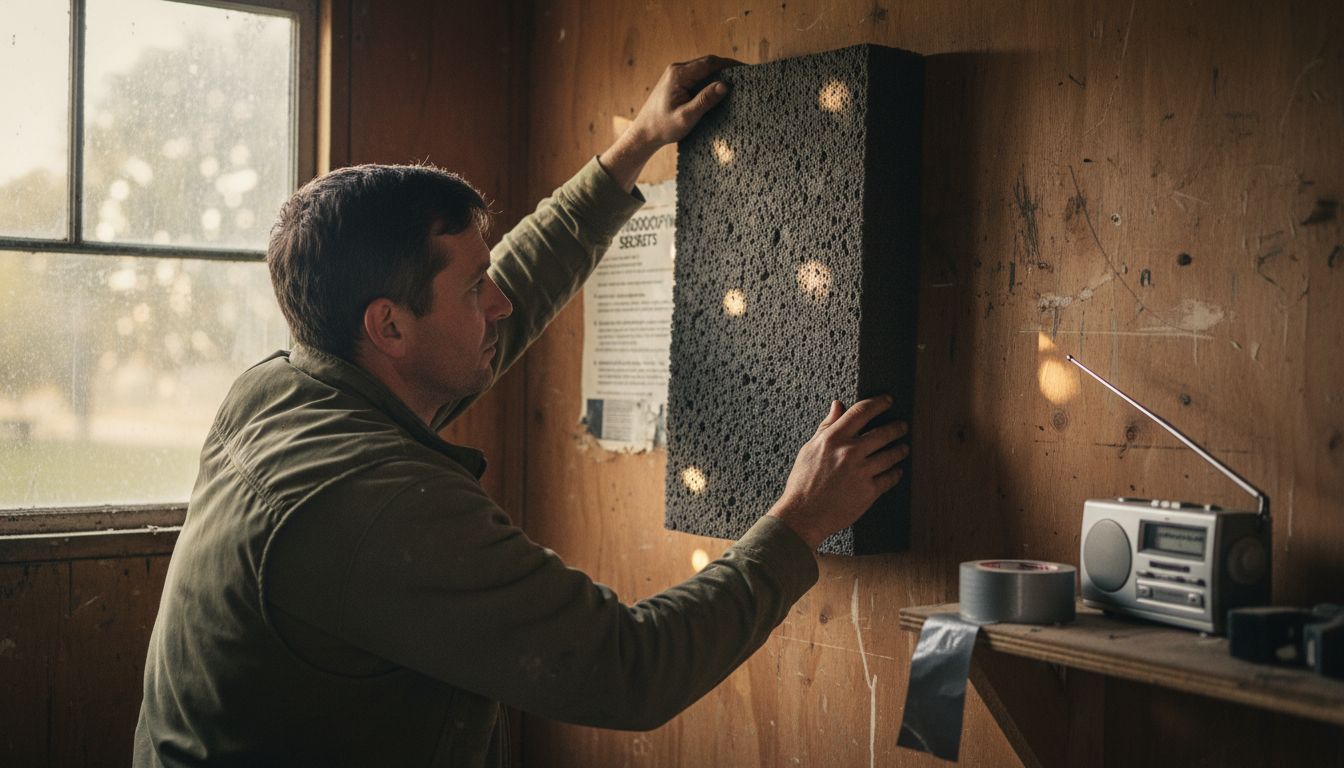
For outdoor adventurers seeking durable camping equipment, open-cell foam represents a game-changing technology. Its ability to balance comfort, protection, and versatility makes it an essential component in modern outdoor gear. From ultralight backpacking mattresses to protective padding in camping chairs, this remarkable material continues to redefine expectations for outdoor comfort and performance.
How Open-Cell Foam Compares to Alternatives
Comparing foam materials reveals significant differences between open-cell and closed-cell foam technologies. While both materials serve critical functions in outdoor gear, their unique structural characteristics dramatically impact performance, comfort, and utility. Understanding these distinctions helps outdoor enthusiasts make informed equipment choices that match their specific environmental challenges and comfort requirements.
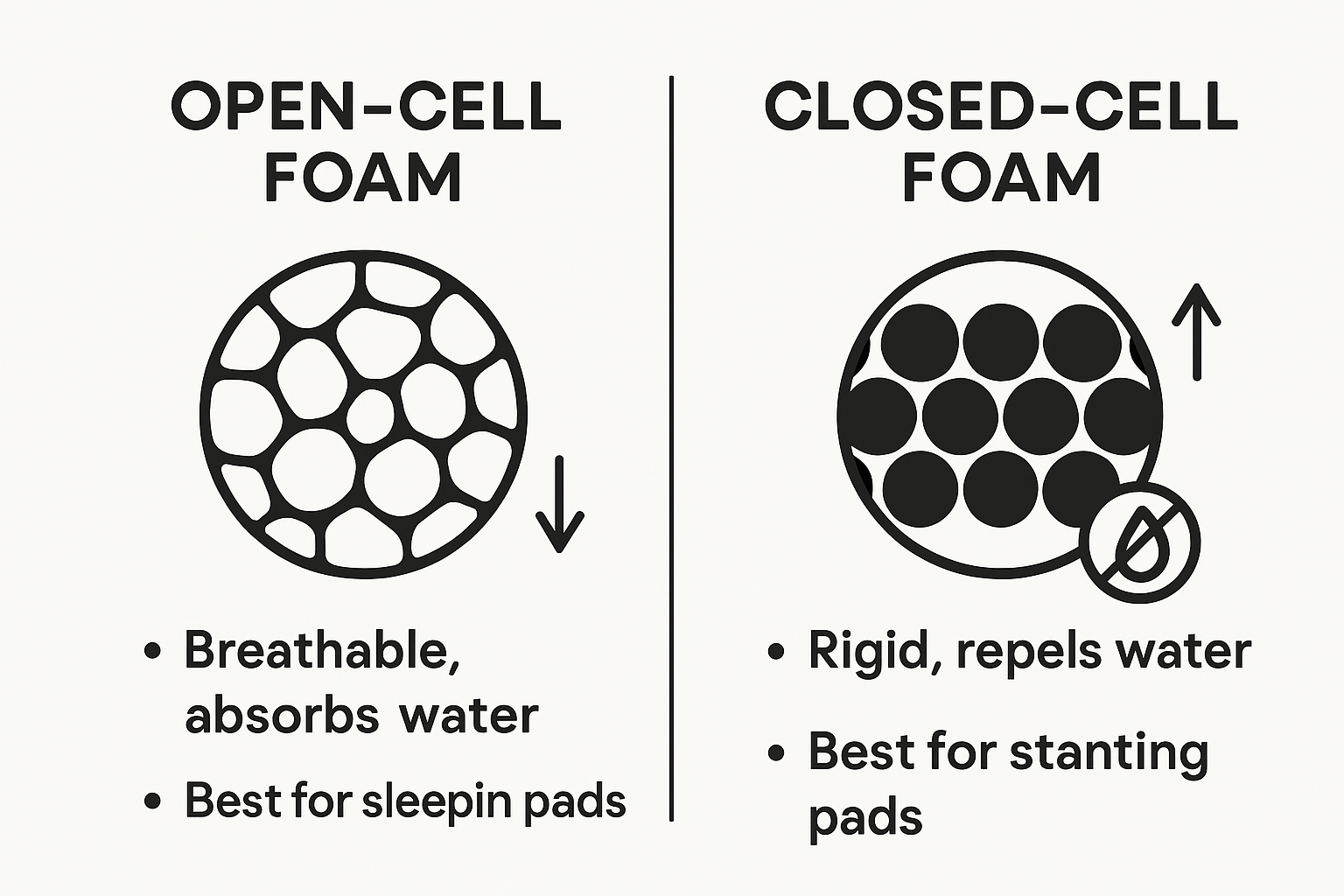
The fundamental differences between foam types become apparent when examining their core structural properties. Cellular structure variations create distinct performance profiles that separate open-cell and closed-cell foams:
-
Comparative Characteristics:
- Open-cell foam: Softer, more flexible
- Closed-cell foam: More rigid, water-resistant
- Open-cell foam: Superior sound absorption
- Closed-cell foam: Better thermal insulation
- Open-cell foam: Enhanced breathability
- Closed-cell foam: Higher moisture protection
Outdoor applications demand different material properties, and each foam type offers unique advantages. Open-cell foams excel in scenarios requiring cushioning, comfort, and air circulation, making them ideal for sleeping pads, tent padding, and portable seating. Closed-cell foams shine in situations demanding moisture resistance and compact insulation, such as emergency blankets, flotation devices, and extreme weather protective gear.
For adventurers seeking versatile camping solutions, understanding these material nuances is crucial. The choice between open-cell and closed-cell foam isn’t about superiority, but about matching material characteristics to specific outdoor performance needs. Experienced travelers often combine both foam types, leveraging their complementary strengths to create comprehensive, adaptable outdoor equipment solutions.
Common Misunderstandings and Care Tips
Foam material misconceptions can significantly impact outdoor gear performance and longevity. Many enthusiasts assume all foam types offer identical properties, which leads to improper usage and premature equipment failure. Understanding the nuanced characteristics of open-cell foam helps adventurers make informed decisions about maintenance, storage, and appropriate application in various environmental conditions.
The most prevalent misunderstandings surrounding open-cell foam center around its moisture and durability characteristics. Material performance insights reveal critical care considerations that can extend equipment life:
-
Key Care Recommendations:
- Always store in dry environments
- Avoid direct prolonged sunlight exposure
- Clean with mild, non-abrasive cleaning solutions
- Allow complete air drying between uses
- Inspect regularly for structural degradation
- Protect from sharp objects and excessive mechanical stress
Outdoor gear requires strategic maintenance, and open-cell foam is no exception. Its porous structure makes it particularly susceptible to moisture absorption, which can compromise insulation and structural integrity. Proper cleaning involves gentle hand washing with specialized foam-safe detergents, followed by thorough air drying in a well-ventilated area away from direct heat sources. Experienced outdoor enthusiasts recommend periodic treatment with specialized foam protectants to enhance water resistance and prevent premature material breakdown.
For adventurers seeking reliable camping equipment maintenance, understanding these nuanced care techniques is crucial. The key is recognizing that open-cell foam is a sophisticated material requiring thoughtful handling. By implementing careful storage practices, avoiding unnecessary mechanical stress, and maintaining a proactive approach to equipment preservation, outdoor enthusiasts can significantly extend the useful life of their open-cell foam gear.
Experience Ultimate Comfort Outdoors with Open-Cell Foam Technology
Understanding the unique structure of open-cell foam explains why it is essential for outdoor gear that prioritizes breathability, moisture management, and lightweight cushioning. If you are looking for camping equipment that adapts to changing environments while providing superior comfort and durability, our carefully selected products use advanced foam materials designed to match those exact needs. At Hazli Collection, we specialize in high-quality memory foam mattresses and outdoor accessories that incorporate open-cell foam benefits so you can rest easier in every adventure.
Don’t settle for less when it comes to your outdoor sleep solutions. Visit Hazli Collection today to explore camping gear built with the latest foam technologies that optimize comfort and performance. Whether you need a mattress that balances softness with support or equipment that withstands moisture and mechanical stress, our solutions deliver. Discover how open-cell foam can improve your outdoor experiences and shop now to upgrade your next trip with reliable, breathable, and adaptable camping essentials.
Frequently Asked Questions
What is open-cell foam and how does it differ from closed-cell foam?
Open-cell foam is a material characterized by its interconnected pores that allow air, moisture, and sound to pass through freely. Unlike closed-cell foam, which is more rigid and water-resistant, open-cell foam is softer, more flexible, and excels in breathability and sound absorption.
What are the key benefits of using open-cell foam in outdoor gear?
Open-cell foam provides essential benefits for outdoor enthusiasts, including superior cushioning, enhanced breathability, effective moisture management, and adaptive temperature regulation. Its unique structure allows for significant air movement, preventing heat buildup and condensation in gear like sleeping pads and protective equipment.
How do I care for my open-cell foam outdoor equipment?
To properly care for open-cell foam gear, store it in dry environments, avoid direct sunlight, clean it with mild, non-abrasive solutions, and allow it to air dry completely. Regularly inspect the foam for any structural issues and protect it from sharp objects and excessive stress to extend its life.
How does open-cell foam compare to other types of foam for camping and outdoor use?
Open-cell foam is ideal for applications requiring softness, cushioning, and airflow, making it suitable for items like sleeping pads and tent padding. In contrast, closed-cell foam is better for moisture resistance and insulation, often used in emergency blankets and flotation devices. Understanding these differences helps in selecting the right foam for specific outdoor needs.