

By The Hazli Family — Peter & Louise · Reviewed June 2026
Quick answer: Sleeping pads do two jobs while camping — they insulate you from cold ground (measured by R-value) and cushion pressure points on uneven terrain. The right pad prevents overnight heat loss, supports spinal alignment, and improves recovery. Choose air pads for packability, closed-cell foam for durability, or self-inflating and memory foam options for comfort.
More than fifty percent of American campers report poor sleep on the trail, often blaming rocky ground and chilly nights for their restlessness. Getting quality rest is critical for outdoor health, yet choosing the right gear can be confusing. This guide breaks down what sleeping pads actually do and why they matter, revealing how a smart pad choice can turn uncomfortable American camping nights into restorative, enjoyable experiences.
Table of Contents
- What Sleeping Pads Do For Campers
- Types Of Sleeping Pads And Key Differences
- Essential Features For Outdoor Comfort
- Impact On Sleep Quality And Health
- Common Mistakes When Selecting Sleeping Pads
Key Takeaways
| Point | Details |
|---|---|
| Importance of Sleeping Pads | Sleeping pads enhance camping comfort by providing thermal insulation and cushioning against uneven terrain, which improves overall rest quality. |
| Types of Sleeping Pads | Main categories include air pads, self-inflating pads, and closed-cell foam pads, each offering unique benefits based on camping needs. |
| Features to Consider | Campers should evaluate insulation value, weight, packed size, and durability when selecting a sleeping pad for optimal performance. |
| Common Selection Mistakes | Avoid prioritizing weight over insulation, neglecting personal body characteristics, and choosing pads unsuitable for terrain to ensure a comfortable camping experience. |
What Sleeping Pads Do for Campers
Sleeping pads are the unsung heroes of camping comfort, transforming hard, cold ground into a welcoming resting space for outdoor adventurers. These essential pieces of gear do far more than simply provide a soft surface to sleep on - they play a critical role in campers’ overall comfort, warmth, and health. Mountain camping guidelines highlight the importance of proper insulation, noting that sleeping pads serve multiple crucial functions.
The primary roles of sleeping pads center around thermal protection and physical comfort. Thermal insulation is perhaps their most critical function - preventing body heat loss to the cold ground through a critical barrier. Different sleeping pads offer varying levels of insulation, measured by their R-Value, which indicates how effectively they block ground temperatures. Pads with higher R-Values provide superior protection in colder environments, ensuring campers remain warm throughout the night.
Beyond temperature regulation, sleeping pads deliver significant ergonomic benefits. They create a cushioned surface that helps distribute body weight evenly, reducing pressure points and minimizing potential discomfort from uneven terrain. Rocky ground, tree roots, and hard surfaces that would typically disrupt sleep become manageable when using a quality sleeping pad. This cushioning effect is especially important for side sleepers or individuals with joint sensitivities, who require more support during outdoor rest.
Ultimately, sleeping pads represent an investment in camping comfort and personal well-being. By protecting against ground temperatures, providing cushioning, and creating a barrier between the sleeper and rough terrain, these versatile accessories transform potentially challenging outdoor sleeping conditions into restful, rejuvenating experiences. Smart campers understand that a good sleeping pad is not a luxury - it’s a fundamental component of safe and enjoyable wilderness adventures.
Types of Sleeping Pads and Key Differences
Campers have several distinct options when selecting a sleeping pad, with each type offering unique advantages for outdoor comfort. The main categories include air pads, self-inflating pads, and closed-cell foam pads, each designed to address different camping environments and personal preferences. Outdoor mattress comparisons reveal the nuanced differences between these sleeping pad technologies.
Air pads represent the most versatile sleeping pad option, featuring lightweight construction and impressive packability. These pads can be manually inflated, allowing users to customize firmness and thickness according to their comfort needs. Advanced models incorporate insulation materials and reflective technologies that help retain body heat, making them excellent choices for backpackers and minimalist campers who prioritize weight savings without compromising comfort. The primary drawback of air pads involves potential puncture risks and the need for careful handling in rugged terrain.
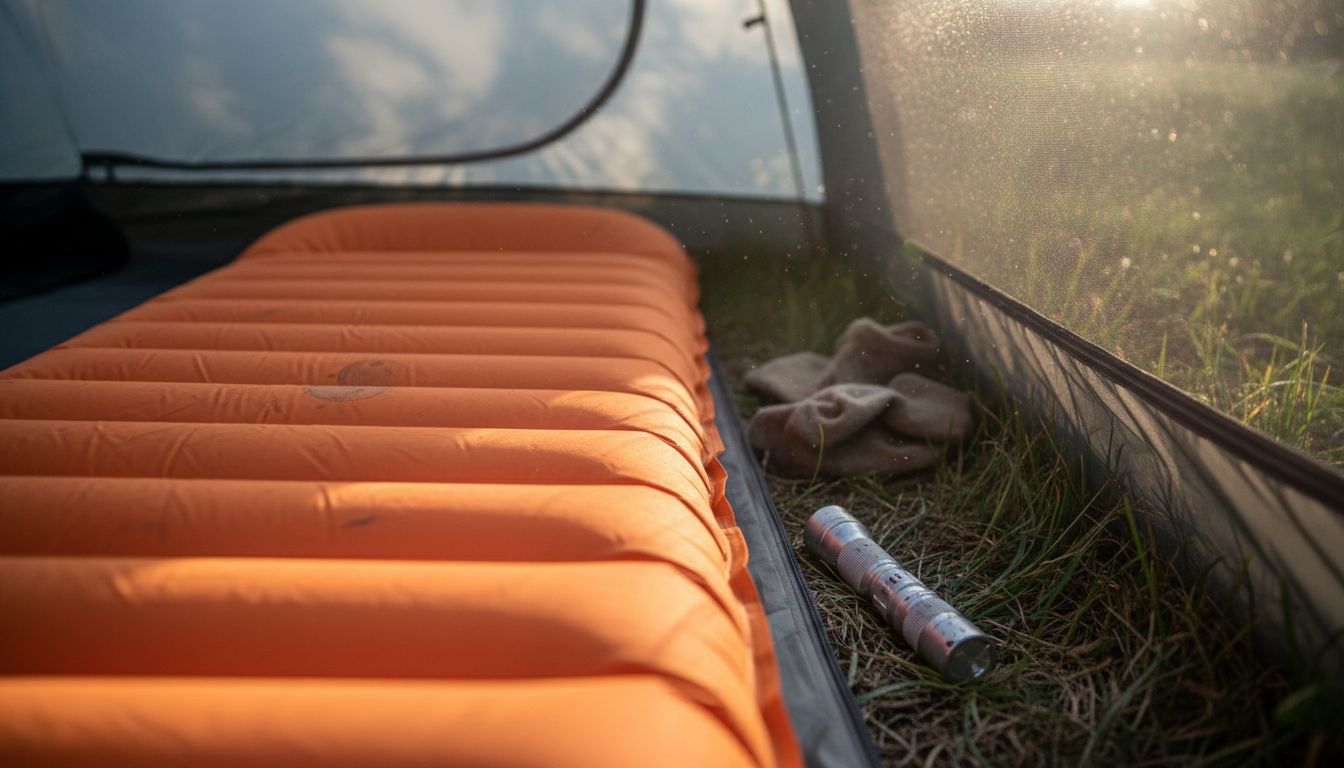
Closed-cell foam pads offer the most durable and bulletproof sleeping solution. Constructed from dense foam with small air pockets, these pads provide reliable insulation and cannot be punctured, making them ideal for rough camping conditions. They are typically less comfortable than air pads but excel in durability and consistent performance. Backpackers and wilderness explorers often choose closed-cell foam pads as a reliable backup or primary sleeping solution in challenging environments.
Self-inflating pads combine the best characteristics of air and foam pad technologies. These innovative sleeping pads feature an internal foam core that partially expands when the valve is opened, requiring minimal additional breath inflation. They strike an excellent balance between comfort, insulation, and packability, making them a popular choice for car campers and backpackers seeking a versatile sleeping solution. When selecting a sleeping pad, campers should consider factors like weight, packed size, temperature rating, and intended camping environment to find their ideal match.
Essential Features for Outdoor Comfort
Choosing the right sleeping pad involves understanding several critical features that directly impact camping comfort and performance. Outdoor sleeping arrangement strategies emphasize the importance of carefully evaluating these essential characteristics before making a purchase.
The most fundamental features campers should consider include insulation value, weight, packed size, and durability. Insulation value, typically measured by the R-Value, determines how effectively a sleeping pad prevents heat loss to the cold ground. Higher R-Values are crucial for camping in cooler environments, with ratings typically ranging from 1 (minimal insulation) to 5 or 6 (excellent cold weather protection). Lightweight backpackers often face a delicate balance between insulation performance and overall pad weight, requiring careful selection to meet their specific outdoor needs.
Compactness and packed size represent another critical feature for outdoor enthusiasts. Modern sleeping pads have dramatically improved in this area, with some air pads compressing to the size of a water bottle, making them incredibly portable. Materials like lightweight nylon and advanced synthetic insulators have revolutionized sleeping pad design, enabling campers to carry robust comfort solutions without significant weight penalties. Durability remains equally important - reinforced materials and sophisticated construction techniques now allow sleeping pads to withstand rugged terrain and repeated use.
Ultimately, the ideal sleeping pad combines multiple performance characteristics tailored to specific camping scenarios. Car campers might prioritize thickness and comfort, while backpackers focus on minimal weight and compact size. Factors like sleeping position, body type, expected temperature range, and intended terrain all play crucial roles in selecting the perfect sleeping pad. Smart campers understand that investing time in researching and understanding these essential features can transform an ordinary outdoor sleeping experience into a comfortable, restorative adventure.
Impact on Sleep Quality and Health
Sleeping pads are far more than simple comfort accessories - they are critical components that directly influence physical recovery, muscular health, and overall well-being during outdoor adventures. Strategies for improving camp sleep highlight the profound connection between proper sleep support and bodily restoration.
The biomechanical implications of sleeping pad design are substantial. Proper spinal alignment and pressure point reduction play crucial roles in preventing muscular strain and joint discomfort during camping trips. When the body experiences uneven surface support, muscles remain partially engaged throughout the night, leading to increased tension and potential next-day fatigue. Quality sleeping pads distribute body weight evenly, allowing muscle groups to fully relax and enter a more restorative recovery state. This is particularly important for active individuals who have subjected their bodies to significant physical exertion during hiking, climbing, or other outdoor activities.
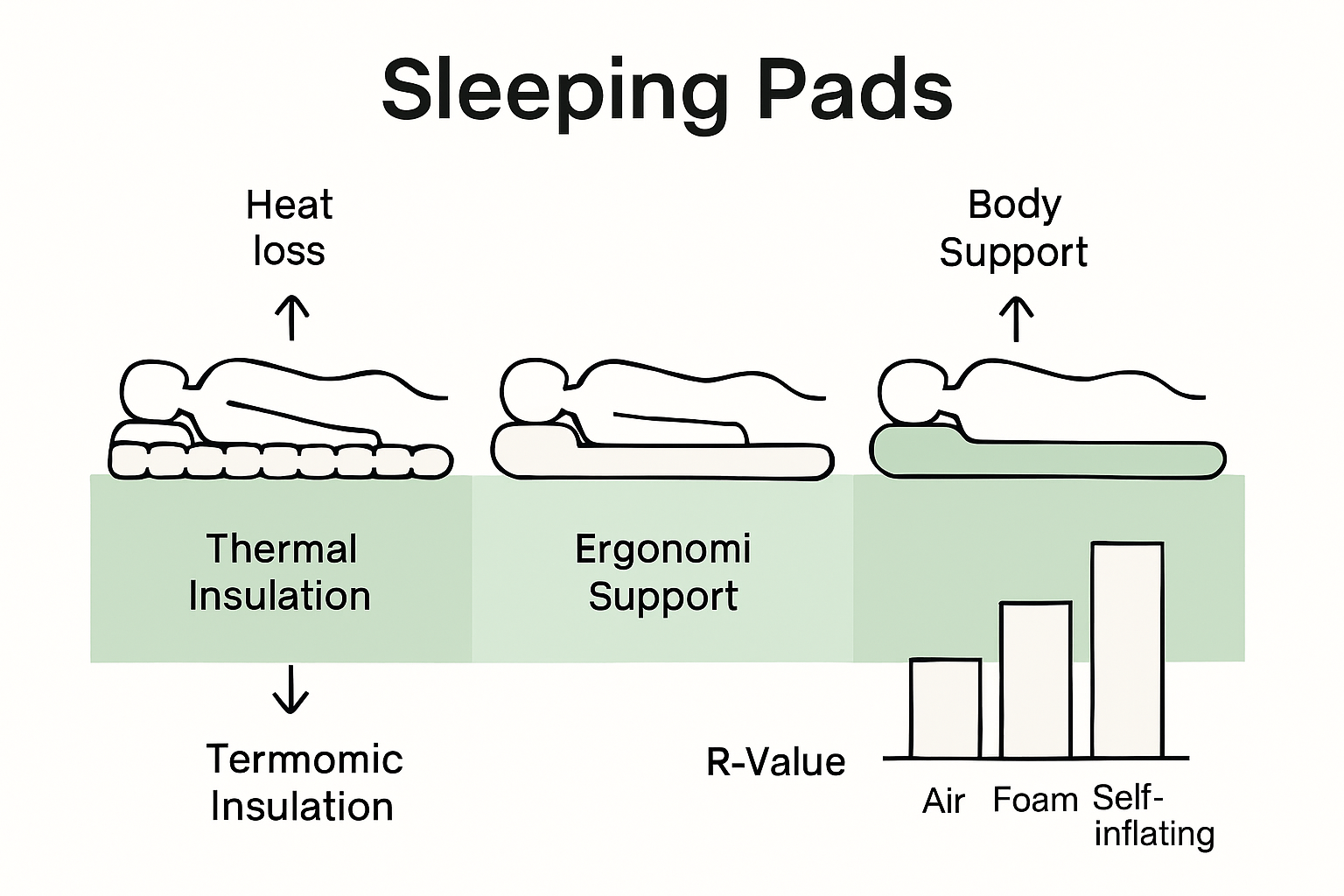
Thermoregulation represents another critical health aspect influenced by sleeping pad selection. The human body loses significant heat through contact with cold ground, which can trigger stress responses and interrupt natural sleep cycles. Advanced sleeping pads with appropriate insulation values help maintain core body temperature, preventing potential hypothermia risks and ensuring more stable, uninterrupted sleep. By creating an effective thermal barrier, these pads support the body’s natural healing processes and help maintain metabolic efficiency during challenging outdoor environments.
Ultimately, sleeping pad technology bridges the gap between basic survival and optimal physical performance. Beyond immediate comfort, these essential pieces of gear contribute to comprehensive health maintenance by supporting muscular recovery, maintaining proper body temperature, and enabling the deep, restorative sleep necessary for outdoor enthusiasts. Investing in a high-quality sleeping pad is not merely about comfort - it is a strategic decision that directly impacts physical resilience, mental clarity, and overall outdoor experience quality.
Common Mistakes When Selecting Sleeping Pads
Selecting the right sleeping pad involves more nuance than many outdoor enthusiasts realize, with several common pitfalls that can dramatically compromise camping comfort. Essential outdoor sleeping gear recommendations underscore the importance of making informed choices beyond surface-level considerations.
One of the most frequent mistakes campers make is prioritizing weight over appropriate insulation. Ultralight sleeping pads might seem appealing to backpackers, but selecting a pad with an insufficient R-Value can lead to dangerous heat loss in colder environments. Many inexperienced campers mistakenly believe that clothing or additional layers can compensate for a low-quality sleeping pad, not realizing that ground contact creates a rapid and significant cooling effect. The result can be disrupted sleep, increased physical stress, and potential hypothermia risks in challenging outdoor conditions.
Another critical error involves neglecting individual body characteristics when choosing a sleeping pad. Campers often select a one-size-fits-all solution without considering personal factors like sleeping position, body weight, and width requirements. Side sleepers, for instance, need thicker pads with more robust cushioning to prevent joint pressure, while back sleepers might require different support characteristics. Failing to match a sleeping pad’s design to individual physiology can result in poor sleep quality, muscular tension, and next-day physical discomfort that undermines the entire outdoor experience.
Lastly, many outdoor enthusiasts overlook the importance of pad durability and terrain compatibility. Selecting a delicate air pad for rocky or rugged camping environments virtually guarantees potential equipment failure. Cheap, thin materials might save money initially but frequently lead to punctures, air leaks, and unexpected replacements. Smart campers understand that a reliable sleeping pad represents an investment in comfort, health, and overall outdoor performance - not just another piece of disposable gear to be purchased without careful consideration.
Enhance Your Outdoor Sleep Experience with the Right Sleeping Pad
The challenge of maintaining comfort and warmth on rugged terrain is common for many campers. As highlighted in the article, a quality sleeping pad plays an essential role by offering thermal insulation, ergonomic support, and durable protection against cold, hard ground. If you have struggled with poor sleep quality or waking up sore during your outdoor adventures, investing in a well-designed sleeping pad can be a game changer.

Discover how Hazli Collection’s carefully curated selection of high-quality camping gear, including memory foam mattresses and innovative sleep solutions, can help you conquer these common pain points. Designed for durability and comfort, our products address the critical needs discussed such as pressure point relief, proper spinal alignment, and effective heat retention. Ready to upgrade your camping comfort now It is time to explore our offerings and find the perfect sleeping pad that matches your style and environment. Visit Hazli Collection today to start your journey toward rejuvenating outdoor sleep with gear trusted by outdoor enthusiasts across the United States. For more insights on making smart sleep choices outdoors take a look at our Outdoor Sleeping Arrangement Ideas and Examples of Outdoor Sleeping Gear to get started.
Frequently Asked Questions
What is the primary function of a sleeping pad for campers?
Sleeping pads primarily provide thermal insulation and comfort. They prevent body heat loss to the ground and create a cushioned surface to minimize discomfort from uneven terrain.
How do I choose the right insulation value for my sleeping pad?
Select a sleeping pad based on its R-Value, which measures insulation effectiveness. Higher R-Values are essential for colder environments, while lower values are suitable for warmer conditions.
What are the differences between air pads, self-inflating pads, and closed-cell foam pads?
Air pads are lightweight and customizable but may be prone to punctures. Self-inflating pads combine features of air and foam pads for convenience, while closed-cell foam pads offer maximum durability and insulation, making them ideal for rugged conditions.
How do sleeping pads impact sleep quality and health during camping?
Sleeping pads ensure proper spinal alignment, reduce pressure points, and help maintain body temperature, which contributes to better sleep quality and overall health during outdoor activities.
Recommended
- 7 Outdoor Sleeping Arrangement Ideas for Ultimate Comfort – Hazli Collection
- 7 Essential Examples of Outdoor Sleeping Gear for Comfort – Hazli Collection
- 7 Essential Camping Comfort Tips for a Restful Outdoor Stay – Hazli Collection
- 7 Essential Outdoor Sleep Solutions List for Comfort – Hazli Collection