

By The Hazli Family — Peter & Louise · Reviewed June 2026
Quick answer: Portable sleeping solutions are compact sleep systems — camping mattresses, sleeping pads, sleeping bags, and travel sleep pods — built to deliver comfortable rest outside a bedroom. They balance three priorities: portability, comfort, and adaptability. Match the gear to your trip: ultralight pads for backpacking, thicker memory foam mattresses for car camping and family trips.
Finding the perfect sleep setup for family outings and solo trips can feel overwhelming for many American campers. When spending nights in the wild, comfort and portability matter more than ever. With over forty million Americans participating in camping each year, the search for portable sleeping solutions becomes a practical way to boost rest and enjoyment outdoors. This guide explains what makes these options so valuable and highlights key features for making nights away from home genuinely comfortable.
Table of Contents
- What Are Portable Sleeping Solutions?
- Varieties of Portable Sleep Gear Explained
- Essential Comfort and Durability Features
- Practical Uses for Campsites and Travel
- Comparing Costs, Risks, and Alternatives
Key Takeaways
| Point | Details |
|---|---|
| Versatile Sleeping Solutions | Portable sleeping solutions provide comfort and adaptability for various environments, catering to travelers and outdoor enthusiasts alike. |
| Key Attributes | Portability, comfort, and adaptability are crucial factors in selecting effective portable sleeping gear. |
| Durability and Comfort | High-performance materials and thoughtful design enhance the longevity and comfort of portable sleeping solutions. |
| Cost Considerations | A comprehensive cost-benefit analysis is essential when comparing portable sleeping gear to traditional lodging options. |
What Are Portable Sleeping Solutions?
Portable sleeping solutions represent innovative, compact sleep systems designed to provide comfort and rest in diverse environments beyond traditional bedroom settings. These versatile products cater to travelers, outdoor enthusiasts, and professionals who require flexible sleeping arrangements that prioritize convenience and support. Portable sleep pods and related gear have emerged as critical tools for maintaining rest and productivity in various contexts.
At their core, portable sleeping solutions encompass a wide range of products engineered to create temporary, comfortable sleep spaces. These can include lightweight camping mattresses, inflatable sleeping pads, compact sleeping bags, travel pillows, and advanced sleep pods designed for urban environments like airports or workplaces. The primary goal of these solutions is to offer individuals a reliable, comfortable resting option that can be easily transported, quickly set up, and adapted to different environments.
The design philosophy behind portable sleeping solutions focuses on three key attributes: portability, comfort, and adaptability. Modern sleep environments are engineered to be lightweight, compact when folded or packed, and capable of providing genuine ergonomic support. Whether you’re a backpacker traversing mountain trails, a business traveler navigating long layovers, or a camper seeking a restful night under the stars, these innovative sleep solutions are designed to meet diverse needs while ensuring quality rest.
Pro tip: When selecting a portable sleeping solution, prioritize versatility and weight-to-comfort ratio to maximize your investment and ensure adaptability across different travel scenarios.
Varieties of Portable Sleep Gear Explained
Portable sleep gear represents a diverse ecosystem of specialized equipment designed to provide comfort and functionality across various outdoor and travel scenarios. Sleeping bags and related equipment offer travelers and outdoor enthusiasts multiple options for creating comfortable rest environments in challenging conditions. These solutions range from minimalist designs for ultralight backpackers to more comprehensive systems for extended camping trips.
The primary categories of portable sleep gear include sleeping bags, sleeping pads, bivouac sacks, and compact mattress systems. Sleeping bags come in multiple configurations such as mummy-style for maximum thermal efficiency and rectangular shapes for broader movement. Sleeping pads provide critical ground insulation and cushioning, with options including foam, self-inflating, and air mattress designs. Camping sleep systems are engineered to address specific environmental challenges, with lightweight backpacking models differing significantly from car camping and glamping equipment.
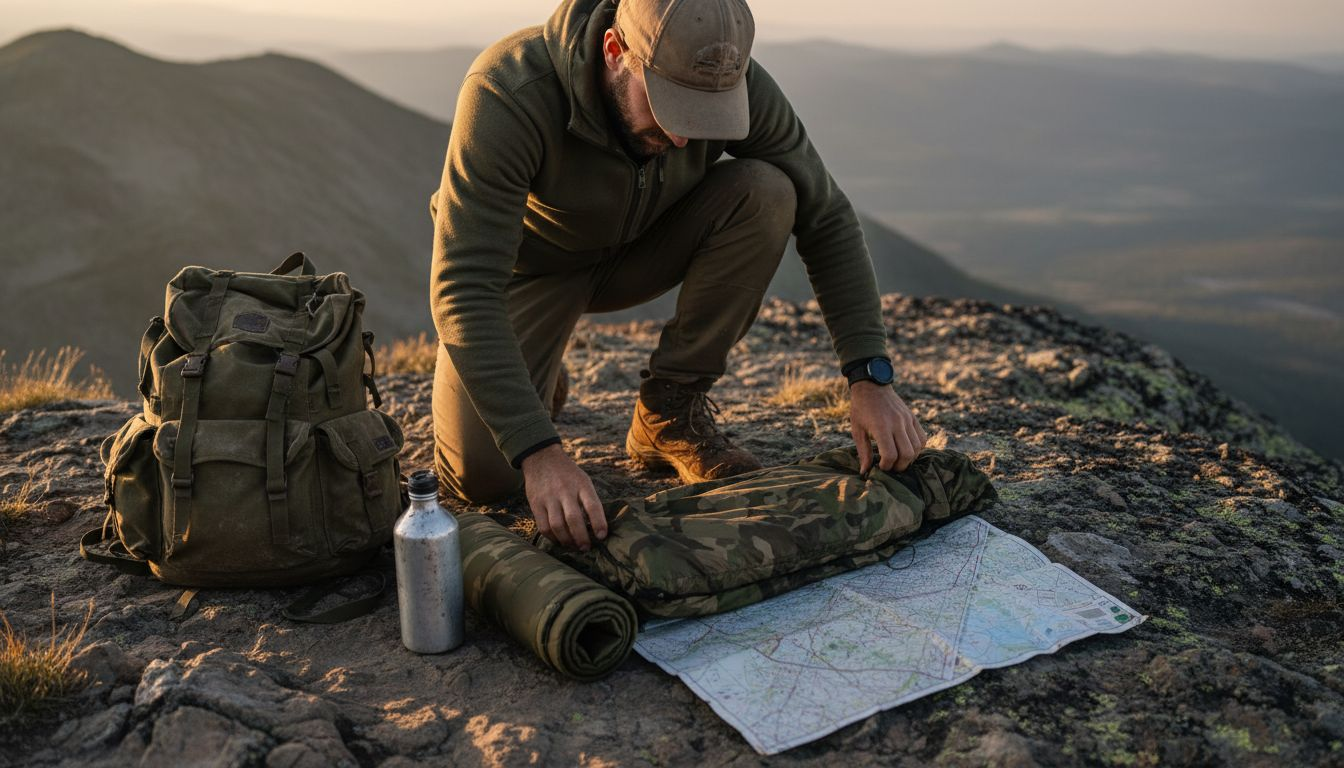
Each portable sleep gear category serves unique purposes based on intended use. Ultralight backpacking gear prioritizes minimal weight and compact size, while car camping solutions emphasize comfort and spaciousness. Urban travelers might prefer compact sleep pods or inflatable mattresses, whereas mountain expeditions demand high-performance thermal sleeping bags with advanced insulation technologies. The selection process involves carefully balancing factors like weight, packed size, temperature rating, insulation type, and intended environmental conditions.
Here’s a concise comparison of common portable sleep gear types and their best use cases:
| Gear Type | Best For | Portability | Key Advantage |
|---|---|---|---|
| Sleeping Bag | Cold weather camping | Moderate to High | Superior warmth |
| Sleeping Pad | Backpacking, hiking | Very High | Lightweight insulation |
| Sleep Pod | Urban travel, workplaces | Moderate | Privacy and convenience |
| Inflatable Mattress | Car camping, guests | Low to Moderate | Maximum comfort |
Pro tip: Always match your portable sleep gear to your specific travel environment, considering factors like expected temperature range, terrain, and transportation method to ensure optimal comfort and performance.
Essential Comfort and Durability Features
Portable sleeping solutions demand a sophisticated approach to balancing comfort and durability, particularly for outdoor enthusiasts who face challenging environmental conditions. Portable sleeping solution design requires careful consideration of materials, construction techniques, and performance characteristics that can withstand rigorous use while providing exceptional user comfort.
The core elements of high-performance portable sleep gear include advanced material technologies, strategic structural design, and multifunctional features. Waterproof and abrasion-resistant fabrics form the first line of defense, protecting users from moisture, temperature fluctuations, and physical wear. Thermal insulation becomes critical, with innovative materials like synthetic fills and advanced memory foams creating lightweight yet effective barriers against cold environments. Ergonomic design principles ensure that these solutions adapt to various body types and sleeping positions, reducing pressure points and enhancing overall rest quality.
Durability goes beyond simple material strength, encompassing design guidelines for sleeping infrastructure that address long-term performance and user experience. Key considerations include resistance to UV degradation, quick-drying capabilities, antimicrobial treatments, and modular designs that allow for easy repair or component replacement. Modern portable sleeping solutions integrate advanced ventilation systems, compact compression mechanisms, and user-friendly maintenance features that extend the product’s functional lifespan while maintaining optimal comfort levels.
Pro tip: Invest in portable sleep gear with multi-layer construction and reinforced stress points, as these features significantly enhance durability and provide better long-term performance across diverse environmental conditions.
Practical Uses for Campsites and Travel
Camping portable sleeping solutions provide essential comfort and protection across diverse outdoor scenarios, from weekend wilderness adventures to extended backcountry expeditions. These versatile systems enable travelers to create personalized rest environments that adapt to challenging terrain, unpredictable weather conditions, and varying physical demands of outdoor exploration. Whether backpacking through mountain trails, car camping in national parks, or setting up base camp for extended research missions, portable sleeping gear becomes a critical component of outdoor survival and comfort.
The practical applications of portable sleeping solutions extend far beyond basic shelter. Different environments and travel styles demand specialized approaches to sleeping gear. Backpackers require ultralight, compact systems that minimize pack weight, while car campers can invest in more substantial, luxurious sleeping arrangements. Youth organizations, outdoor education programs, and scientific research teams rely on these portable solutions to provide reliable rest in remote locations. Factors like climate zone, altitude, expected temperature range, and anticipated physical activity level all influence the selection of appropriate sleeping gear.
Field maintenance and strategic equipment selection become crucial for maximizing comfort and longevity. Sleeping bag maintenance techniques play a significant role in preserving the functionality of portable sleeping solutions. Proper care involves understanding material properties, managing moisture, protecting against environmental degradation, and implementing strategic cleaning and storage protocols. Modern portable sleeping systems incorporate advanced materials that resist bacterial growth, provide thermal regulation, and offer quick-drying capabilities, making them increasingly sophisticated tools for outdoor professionals and recreational travelers alike.
Pro tip: Always pack your portable sleeping gear in a waterproof compression sack to protect against moisture and minimize storage space, ensuring your equipment remains clean and compact during travel.
Comparing Costs, Risks, and Alternatives
Portable sleeping solutions present a complex economic landscape that demands careful evaluation of cost-benefit considerations. Pricing varies dramatically across different product categories, ranging from budget-friendly basic sleeping bags to premium ergonomic systems that can cost several hundred dollars. The initial purchase price represents only one aspect of the total investment, with long-term maintenance, durability, and potential replacement costs forming critical components of the comprehensive financial assessment.
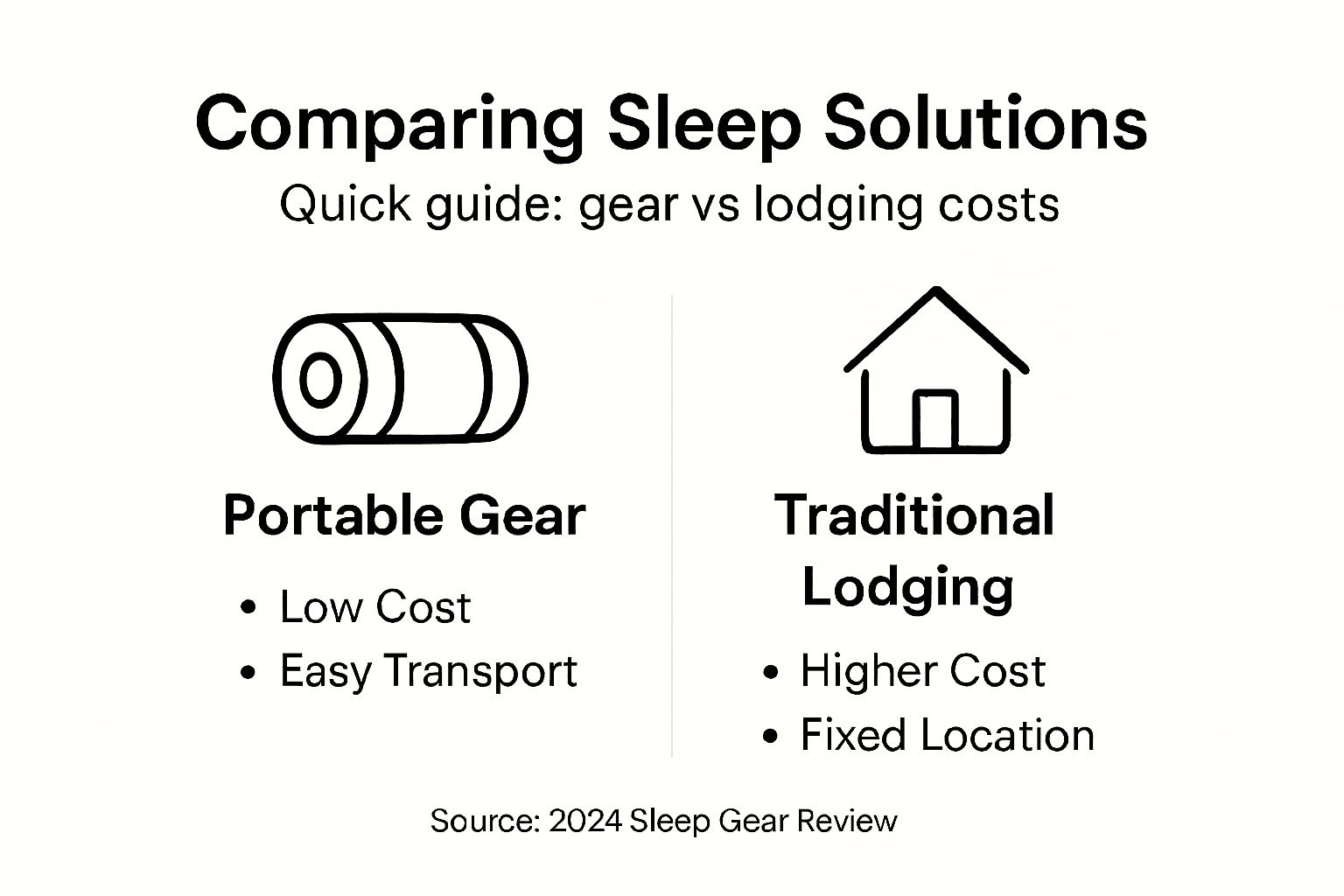
Risk assessment involves multiple dimensions beyond direct monetary considerations. Physical risks include potential equipment failure in challenging environments, hygiene concerns with repeated use, and potential security challenges when utilizing portable solutions in shared or public spaces. Different travel contexts demand unique risk mitigation strategies, with backpackers requiring ultralight, resilient gear, while car campers might prioritize comfort and spaciousness over minimal weight. Portable sleeping solutions must balance affordability, performance reliability, and adaptability across diverse usage scenarios.
Temporary accommodation analysis reveals that alternatives to portable sleeping gear often involve higher long-term costs. Traditional lodging, fixed shelters, and permanent accommodations typically demand significantly greater financial investment and offer less flexibility. By contrast, portable sleeping solutions provide travelers, outdoor enthusiasts, and professionals with adaptable rest environments that can be customized to specific needs, terrain types, and environmental conditions. The strategic selection of portable sleeping gear becomes an investment in personal comfort, mobility, and experiential versatility.
Below is a summary of major cost and risk factors for portable sleeping solutions versus traditional accommodations:
| Factor | Portable Sleeping Gear | Traditional Lodging |
|---|---|---|
| Initial Cost | $50–$400 per setup | $50–$200 per night |
| Ongoing Cost | Minimal maintenance | Frequent bookings required |
| Flexibility | Highly adaptable | Fixed locations only |
| Main Risk | Comfort, weather exposure | Reservation limitations |
Pro tip: Conduct a comprehensive cost-per-use analysis when selecting portable sleeping gear, considering factors like material durability, intended usage frequency, and potential versatility across different travel scenarios.
Experience True Comfort on Every Journey with Hazli Collection
If you have ever struggled to find portable sleeping solutions that balance comfort, durability, and convenience for outdoor adventures or urban travel, Hazli Collection provides exactly what you need. This article reveals how essential it is to prioritize features like ergonomic memory foam, weather-resistant materials, and easy portability in camping and travel gear. Hazli Collection specializes in high-quality memory foam mattresses and practical outdoor equipment designed to keep you rested and refreshed no matter where your journey takes you.
Explore the full range of Camping and Travel Products – Hazli Collection including memory foam sleep pads that promise superior support and durability in challenging environments. For those planning road trips or car camping, visit our Car Camping Essentials – Hazli Collection to discover gear that enhances comfort without sacrificing portability. Don’t wait until discomfort ruins your next trip. Visit Hazli Collection now to find portable sleeping solutions designed with modern outdoor enthusiasts in mind and take the first step toward better sleep away from home.
Frequently Asked Questions
What are portable sleeping solutions?
Portable sleeping solutions are innovative, compact systems designed for comfort and rest in various environments, catering to travelers, outdoor enthusiasts, and professionals. They include lightweight camping mattresses, inflatable sleeping pads, sleep pods, and more.
How do I choose the right portable sleeping gear for my needs?
When selecting portable sleeping gear, consider factors like your travel style, environment, expected temperature range, and the weight-to-comfort ratio. Ensure the gear matches your intended use, whether it’s ultralight backpacking or car camping.
What are the key features to look for in portable sleeping solutions?
Look for essential features such as durability, comfort, and portability. Advanced materials like waterproof fabrics, insulation types, and ergonomic designs are crucial for performance and comfort in various environments.
How should I maintain my portable sleeping gear for longevity?
To maintain your portable sleeping gear, understand material properties and manage moisture effectively. Store it properly, protect it from environmental degradation, and follow specific cleaning protocols to extend its lifespan.