

By The Hazli Family — Peter & Louise · Reviewed June 2026
Quick answer: A smart car camping packing list covers seven essentials: sleeping gear (a sleeping bag plus a memory foam camping mattress beats a thin pad), layered weather-ready clothing, organized food and cooking supplies, lighting with backup power, a hygiene and first aid kit, safely stored tools and emergency gear, and a few family-friendly comfort extras.
Packing for car camping can get overwhelming fast. Missing just one vital item is enough to turn an exciting trip into a series of hassles or uncomfortable nights. Organizing your gear the right way makes all the difference for comfort, safety, and fun outdoors.
Want a ready-made list? Build a personalized packing list in under a minute with our free camping checklist generator.
This guide lays out practical packing tips that help you choose the best sleeping gear, layer the right clothing, keep your meals fresh, and keep your campsite running smoothly. Each insight shares real-world strategies backed by proven outdoor advice so you can be ready for changing weather and avoid common camping headaches.
Get ready to discover easy steps and expert ideas that will make your next car camping adventure more relaxed, enjoyable, and memorable.
Table of Contents
- Choose The Right Sleeping Gear For Comfort
- Pack Weather-Ready Clothing For Versatility
- Organize Food And Cooking Supplies Efficiently
- Include Essential Lighting And Power Options
- Bring Useful Hygiene And First Aid Items
- Store Camping Tools And Emergency Gear Safely
- Add Family-Friendly Extras For A Cozy Camp
Quick Summary
| Takeaway | Explanation |
|---|---|
| 1. Choose the Right Sleeping Gear | Select sleeping bags and pads based on temperature, insulation type, and personal comfort for restful nights outdoors. |
| 2. Pack Weather-Ready Clothing | Utilize layering systems and moisture-wicking materials to adapt to changing weather and ensure comfort during your trip. |
| 3. Organize Food and Cooking Supplies | Use compact storage, multipurpose tools, and proper meal planning to enhance the cooking experience for your camping adventure. |
| 4. Include Essential Lighting and Power | Bring various portable lighting and backup power options to ensure safety and comfort for nighttime activities. |
| 5. Prepare a Hygiene and First Aid Kit | A well-stocked kit with essential medical and hygiene supplies is vital for health and preparedness during your camping trip. |
1. Choose the Right Sleeping Gear for Comfort
Car camping demands strategic sleeping gear selection that ensures comfort and warmth across varying outdoor conditions. Your sleeping system is more than just a bag - it’s your portable sanctuary for restful nights under the stars.
Selecting the right sleeping gear involves understanding several critical factors:
- Temperature Rating: Choose bags rated for expected camping temperatures
- Insulation Type: Select between synthetic and down materials
- Size and Weight: Consider packability and personal space requirements
Synthetic sleeping bags offer distinct advantages for car campers. They provide reliable insulation even when damp and typically cost less than down alternatives. Sleeping bag selection depends on season and expected temperature ranges, making three-season bags an excellent versatile choice.
Down sleeping bags remain popular for serious campers who prioritize lightweight performance. These bags compress more efficiently and provide exceptional warmth-to-weight ratios. However, they require careful moisture management and tend to be more expensive.
Invest in a quality sleeping bag that matches your specific camping environment and personal comfort needs.
Pairing your sleeping bag with an appropriate sleeping pad is crucial. Sleeping pads prevent heat loss to the ground and add an essential layer of insulation and comfort. Closed-cell foam pads offer durability, while inflatable options provide superior cushioning.
Pro tip: Always pack your sleeping bag in a waterproof compression sack to maintain its loft and protect it from moisture during transport and storage.
2. Pack Weather-Ready Clothing for Versatility
Car camping requires strategic clothing choices that adapt to changing outdoor environments and unpredictable weather conditions. Your apparel is your primary defense against temperature fluctuations and environmental challenges.
Effective clothing strategies for versatile car camping include:
- Layering system for maximum temperature adaptability
- Moisture-wicking base layers to manage perspiration
- Water-resistant outer shells for protection against unexpected rain
- Quick-drying materials that perform across different conditions
Protective clothing treated with permethrin offers an additional advantage by repelling insects and providing extra comfort in outdoor settings. This treatment helps defend against mosquitoes and ticks while maintaining fabric performance through multiple washes.
Choosing the right clothing means prioritizing functionality over fashion. Look for multipurpose garments that can transition between activities and weather scenarios. Lightweight, packable items that can be easily combined or removed will serve you best.
Versatile clothing is your first line of defense against unpredictable outdoor conditions.
Pay special attention to protecting your extremities. Warm hats, gloves, and moisture-resistant footwear can make a significant difference in your overall comfort and safety during car camping adventures.
Pro tip: Pack clothing in compression sacks to maximize space and keep your gear organized and easily accessible during your trip.
3. Organize Food and Cooking Supplies Efficiently
Successful car camping meals require strategic planning and intelligent organization of your food and cooking equipment. Your culinary approach can dramatically impact the overall enjoyment of your outdoor adventure.
Key strategies for efficient food and cooking management include:
- Compact storage containers for maximum space utilization
- Multipurpose cooking tools to reduce gear weight
- Preservation techniques to extend food freshness
- Meal planning to minimize waste and complexity
Effective camping food planning involves more than just packing ingredients. It requires careful consideration of storage, wildlife protection, and meal preparation strategies that streamline your cooking process.
Food preservation techniques are critical for maintaining meal quality. Consider methods like vacuum sealing, freezing, and using insulated coolers to keep ingredients fresh and safe. Prioritize foods that are lightweight, nutrient-dense, and easy to prepare with minimal equipment.
Smart food organization transforms camping meals from basic survival to enjoyable culinary experiences.
Pack cooking supplies strategically by nesting items inside one another and using multipurpose tools. Collapsible silicone containers, lightweight nesting cookware, and compact utensil sets can significantly reduce the space your cooking gear occupies.
Pro tip: Create a compact camp kitchen kit with essential spices in small containers and pack ingredients in resealable bags to maximize space and minimize mess.
4. Include Essential Lighting and Power Options
Car camping demands a strategic approach to lighting and power management that ensures safety comfort and connectivity during your outdoor adventures. Your electrical and illumination setup can make the difference between a frustrating and fantastic camping experience.
Essential lighting and power considerations include:
- Versatile portable lighting sources
- Multiple charging options for electronic devices
- Energy-efficient light choices
- Backup power solutions
Portable power options are critical for maintaining communication and safety during camping trips. Hand-crank devices power banks and solar chargers provide reliable electricity when traditional outlets are unavailable.
Choose lighting that offers targeted illumination while minimizing environmental impact. LED headlamps rechargeable lanterns and compact flashlights with adjustable brightness provide practical solutions for nighttime activities. Look for devices with multiple power modes to conserve battery life and adapt to different scenarios.
Smart power management transforms camping from basic survival to comfortable outdoor living.
Consider the weight portability and durability of your lighting and power equipment. Lightweight multipurpose devices that can charge multiple electronics and provide various light settings will serve you best in diverse camping environments.
Pro tip: Pack extra batteries in waterproof containers and consider bringing a small solar charger to ensure continuous power during extended camping trips.
5. Bring Useful Hygiene and First Aid Items
Car camping requires a thoughtful approach to personal health and emergency preparedness. Your hygiene and first aid kit can mean the difference between a minor inconvenience and a serious outdoor medical situation.
Essential components for your camping health kit include:
- Comprehensive wound care supplies
- Personal medication inventory
- Compact sanitation tools
- Emergency treatment items
Essential first aid supplies should address common outdoor health challenges. Pack items that can manage cuts scrapes insect stings and potential allergic reactions while keeping your kit lightweight and accessible.
A smart first aid kit goes beyond basic bandages. Consider including specialized items like tweezers for tick removal antihistamine medications for allergic reactions and waterproof wound coverings that can withstand outdoor conditions. Personalize your kit based on your family’s specific health needs and potential environmental risks.
Prevention and preparation are the cornerstones of outdoor health and safety.
Hygiene becomes critical in environments with limited washing facilities. Compact antibacterial solutions hand sanitizers and biodegradable wet wipes can help maintain cleanliness and reduce infection risks during your camping adventure.
Pro tip: Vacuum seal your first aid and hygiene supplies in clear waterproof bags to keep them organized dry and easily identifiable during your trip.
6. Store Camping Tools and Emergency Gear Safely
Car camping demands strategic organization and protection of your essential tools and emergency equipment. Your gear’s accessibility and condition can significantly impact your outdoor safety and overall camping experience.
Key strategies for tool and emergency gear management include:
- Waterproof storage containers
- Systematic organization systems
- Protective cases for delicate equipment
- Easily accessible emergency kits
Emergency supply kit preparation requires careful consideration of tool selection and storage. Multi-purpose tools like Swiss Army knives duct tape and paracord can solve multiple potential challenges in outdoor environments.
Prioritize creating a dedicated emergency gear section in your car camping setup. Use clear labeled containers with compartments that allow quick identification and access during urgent situations. Waterproof and shockproof containers provide additional protection against environmental challenges.
Strategic gear organization transforms potential emergencies into manageable situations.
Consider the weight distribution and accessibility of your tools. Place frequently used items like flashlights multitools and first aid kits in easily reachable locations. Use compression bags and modular storage systems to maximize space efficiency.
Pro tip: Create a digital inventory of your emergency tools with photos and descriptions stored on your smartphone for quick reference during unexpected situations.
7. Add Family-Friendly Extras for a Cozy Camp
Car camping with family requires thoughtful preparation that transforms an outdoor trip into a memorable bonding experience. Creating a comfortable and engaging campsite environment ensures everyone enjoys the adventure.
Essential family-friendly camping extras include:
- Comfortable outdoor seating options
- Engaging group activities and games
- Compact entertainment resources
- Child-friendly meal preparation tools
Family camping strategies emphasize creating an inclusive environment that keeps children engaged and adults relaxed. Selecting the right extras can turn a simple camping trip into an extraordinary family experience.
Consider packing lightweight board games compact craft supplies and portable entertainment that encourages family interaction. Bring items that are durable lightweight and serve multiple purposes to maximize limited car camping space.
Creating a cozy campsite is about shared experiences and comfortable connections.
Involve children in campsite setup and meal preparation to teach outdoor skills and create lasting memories. Portable hammocks compact camping chairs and lightweight blankets can transform your car camping area into a comfortable family retreat.
Pro tip: Pack a special “surprise kit” with small games travel-sized activities and unexpected treats to maintain excitement and engagement during the camping trip.
Below is a comprehensive table summarizing the key strategies for effective car camping as discussed in the article.
| Aspect | Key Recommendations | Benefits |
|---|---|---|
| Sleeping Gear | Choose appropriate temperature rating, insulation type, size. | Ensures comfort and warmth during varied conditions. |
| Clothing | Employ a layering system with moisture-wicking, water-resistant fabrics. | Adaptability to unpredictable weather changes. |
| Cooking Management | Use compact storage, multipurpose tools, and effective planning. | Streamlines meal preparation and freshness. |
| Lighting and Power | Opt for portable, versatile lighting and backup power options. | Enhances safety and accessibility in unforeseen situations. |
| Health and Hygiene | Pack comprehensive first aid and portable hygiene supplies. | Addresses emergencies and ensures personal care. |
| Tools and Emergencies | Organize and protect equipment using durable containers. | Ensures readiness and equipment longevity. |
| Family Enhancements | Include entertainment items and comfortable seating. | Promotes engagement and enhances camping experience. |
Elevate Your Car Camping Experience with the Right Essentials
Packing smart is at the heart of every successful car camping trip. The article highlights key challenges such as finding comfortable sleeping gear, weather-ready clothing, and efficient food organization that keep you safe and relaxed outdoors. If restful sleep and lasting comfort matter to you as much as they do to us, Hazli Collection offers premium solutions designed for campers who refuse to compromise.
Car Camping Essentials – Hazli Collection features high-quality memory foam mattresses and durable camping gear engineered to tackle outdoor conditions. Imagine boosting your nights with superior comfort and waking refreshed to fully enjoy your adventure. Our carefully curated collection addresses the exact problems of insulation, packability, and durability discussed in the article.
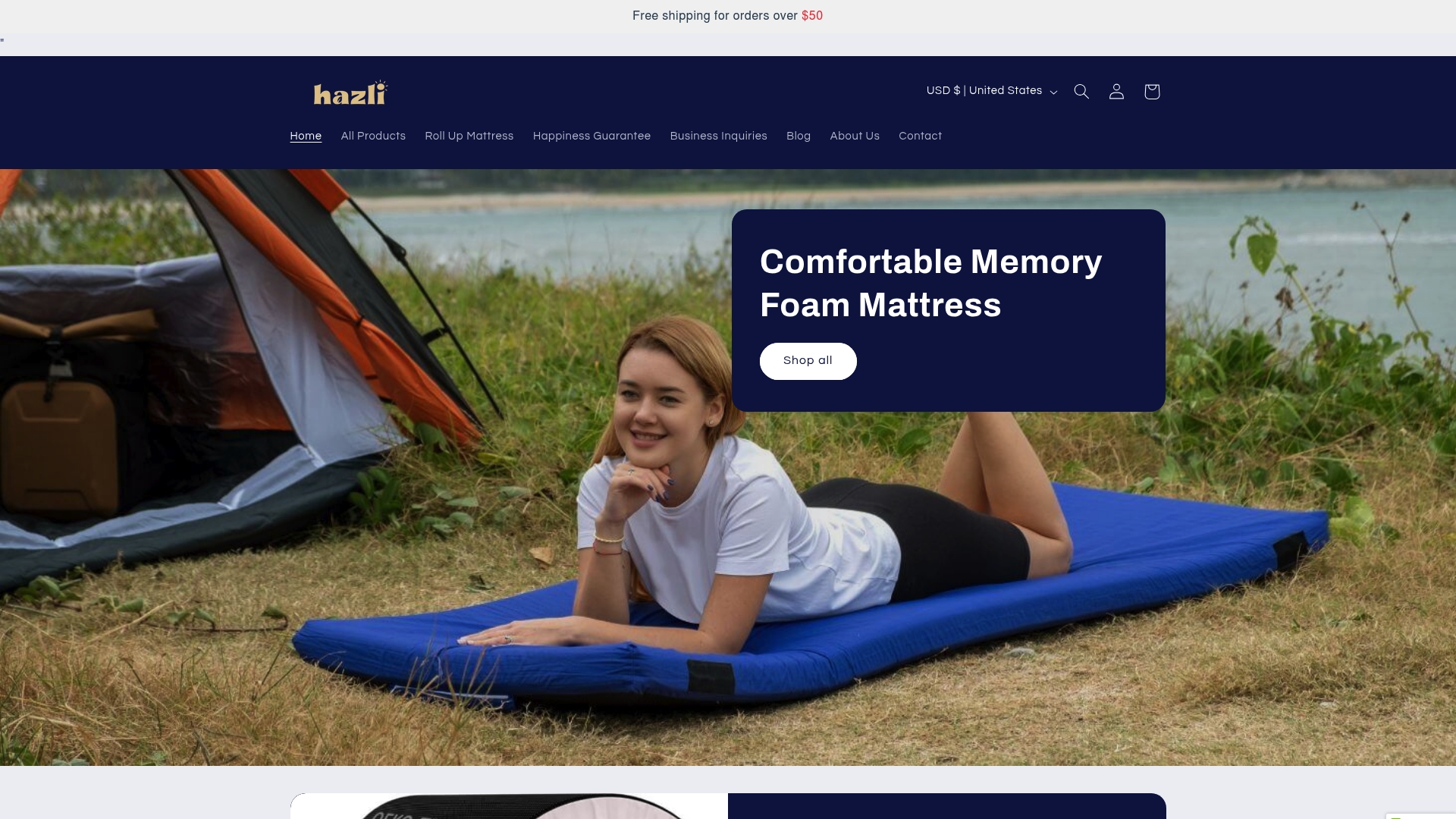
Don’t settle for less when your comfort and safety are on the line. Visit Hazli Collection now to explore gear that matches your smart packing strategy and ensures every camping trip is one to remember. Start preparing today and experience the lasting benefits of camping done right.
Frequently Asked Questions
What should I look for when choosing a sleeping bag for car camping?
Selecting a sleeping bag involves checking its temperature rating, insulation type (synthetic or down), and size. Aim to choose a three-season bag that matches the expected camping temperatures and your personal comfort preferences.
How do I pack clothing efficiently for car camping?
Utilize a layering system to manage temperature changes and consider packing clothing in compression sacks to save space. Look for moisture-wicking and quick-drying materials to stay comfortable in various weather conditions.
What are some good strategies for organizing food and cooking supplies on a camping trip?
Use compact storage containers and multipurpose cooking tools to minimize weight and maximize space. Plan your meals in advance to avoid food waste and streamline the cooking process during your trip.
How can I ensure I have enough lighting and power options while camping?
Bring versatile portable lighting sources, such as LED headlamps and lanterns, and have multiple charging options for your devices. Pack a small solar charger or power bank to guarantee you have enough power even in remote areas.
What essential items should I pack for hygiene and first aid during car camping?
Include a comprehensive first aid kit, personal medications, and compact sanitation tools like hand sanitizers and biodegradable wipes. Tailor your kit to address specific health needs and common outdoor challenges, ensuring you’re prepared for emergencies.
How can I make my camping trip enjoyable for my family?
Pack family-friendly extras like engaging games, comfortable outdoor seating, and lightweight craft supplies to foster bonding moments. Involve children in campsite setup and meal prep to create lasting memories and enhance their outdoor skills.
Recommended
- 7 Essential Items for a Family Car Camping Check List – Hazli Collection
- 8 Essential Tips for a Family Car Camping Checklist – Hazli Collection
- 8 Must-Have Items for a Smart Summer Camping Packing List – Hazli Collection
- 7 Essential Tips for the Perfect Packing Checklist for Campers – Hazli Collection