

Quick answer: Plan a comfortable family camping trip in five steps: assess each member’s needs and abilities, select gear that prioritizes sleep comfort and safety (the ‘10 Essentials’ plus quality sleeping systems), choose a flat campsite with wind barriers and water access, prepack meals with a flexible activity schedule, and run a final gear check before departure.
Millions of American families go camping every year, looking for ways to make every trip smoother and more enjoyable. Planning a memorable outdoor adventure means more than just picking a spot and packing a few bags. To create a comfortable experience for everyone, you need a thoughtful approach that accounts for personal preferences, smart gear choices, and activities that keep the whole group engaged. This guide offers practical steps and tips to help your family camp with more confidence.
Table of Contents
- Step 1: Assess Your Family’s Camping Needs
- Step 2: Select Essential Camping Gear and Comfort Items
- Step 3: Plan Your Campsite Location and Setup
- Step 4: Organize Meals and Activity Schedules
- Step 5: Verify Readiness and Conduct a Final Gear Check
Quick Summary
| Key Point | Explanation |
|---|---|
| 1. Involve the Whole Family | Gather input from every family member to clarify expectations and comfort levels for camping. This helps everyone feel included and invested. |
| 2. Select Comfortable Gear | Prioritize essential camping gear that adds comfort and safety based on individual family needs and situations. Pack smart and lightweight equipment. |
| 3. Choose the Right Campsite | Research campsites for flat ground, natural wind barriers, and access to clean water to add to family comfort and safety during your stay. |
| 4. Plan Meals Ahead | Prepack meals and create a flexible schedule to keep everyone well-fed and engaged in activities, allowing space for both structure and spontaneity. |
| 5. Conduct a Final Gear Check | Perform a thorough review of all gear before departure so everything is working and organized. This prevents last-minute surprises. |
Step 1: Assess Your Family’s Camping Needs
Preparing for a family camping trip starts with understanding your unique group dynamics and individual preferences. The goal is creating an outdoor experience that matches everyone’s comfort levels and expectations.
Begin by gathering input from every family member about their camping expectations and comfort zones. Consider factors like age range, physical abilities, and previous outdoor experience. Ask specific questions: How long do younger children typically enjoy outdoor activities? What sleeping arrangements will work best? Are there any medical considerations or physical limitations? 8 Tips for Camping with Children provides excellent guidance on family preparedness.
Take time to create a personalized camping profile. Some families prefer established campgrounds with amenities, while others seek more rugged backcountry experiences. Map out realistic expectations by discussing potential challenges like weather conditions, terrain difficulty, and necessary gear. A comprehensive Understanding Your Camping Gear Buying Guide can help you strategize equipment needs based on your specific family requirements.
Pro tip: Schedule a family meeting where everyone contributes ideas and concerns. This collaborative approach helps everyone feel invested in the camping adventure and helps prevent conflicts during the trip. The more aligned your family is beforehand, the smoother and more enjoyable your outdoor experience will be.
Step 2: Select Essential Camping Gear and Comfort Items
Choosing the right camping gear is critical for creating a comfortable and safe outdoor experience that meets your family’s unique needs. The goal is to pack smart and prioritize items that add comfort and preparedness.
Most outdoor guides recommend that every camping trip include the ‘10 Essentials’, the foundation of outdoor preparedness. For family camping, this means selecting navigation tools, appropriate clothing layers, emergency items, and comfort-focused equipment. 8 Essential Tent Camping Must-Haves for Comfort and Safety can help you understand which items are most critical for a smooth camping experience.
The Student Conservation Association recommends focusing on non-cotton clothing, proper shelter, and versatile kitchen equipment. When selecting gear, consider each family member’s specific needs. Look for lightweight, multipurpose items that provide comfort with minimal weight. Prioritize sleeping systems, weather-appropriate clothing, reliable cooking tools, and emergency supplies. Our free camping sleep guide helps you plan each person’s sleep setup.
Pro tip: Before purchasing new gear, do a practice run at home. Set up tents, test sleeping arrangements, and make sure everyone understands how to use the equipment. This preparation reduces stress and helps identify any gear gaps before you hit the campground.

Step 3: Plan Your Campsite Location and Setup
Selecting and preparing the right campsite is a critical step for your family’s comfort and safety during an outdoor adventure. Your campsite setup shapes how enjoyable and relaxing your camping experience will be.
According to the National Wildlife Federation, thorough research of campsite amenities is essential before arrival. When choosing your location, look for relatively flat ground with natural wind barriers and good drainage. Prioritize sites with access to clean water sources and proximity to bathroom facilities. 10 Essential Adventure Camping Tips for Outdoor Enthusiasts offers additional insights into strategic campsite selection, and our campground rules and etiquette guide covers what most campgrounds expect.
The Student Conservation Association recommends bringing additional items like tarps and extra ropes to make your campsite more functional. When setting up your tent, use a ground footprint to protect the tent floor, choose a spot that allows proper tent orientation for morning sunlight and evening shade, and leave enough space for cooking and relaxation areas. Plan your layout to keep sleeping areas separate from cooking zones and create designated spaces for gear storage.
Pro tip: Always do a quick site survey before setting up camp. Check for potential hazards like dead branches overhead, uneven ground, or ant hills that could disrupt your camping comfort. A few minutes of careful observation can prevent significant discomfort later.
Step 4: Organize Meals and Activity Schedules
Successful family camping trips require strategic meal planning and thoughtful activity scheduling that keeps everyone engaged and well nourished. Your goal is creating a flexible framework that balances structured activities with spontaneous exploration.
According to the National Wildlife Federation, food preparation begins before leaving home. Plan and prepack each day’s meals to streamline cooking and add variety. Our best camping meals page is a good place to find family-friendly ideas. Pack versatile cooking equipment like camp stoves, portable coolers, and compact cooking utensils that minimize kitchen cleanup while maximizing meal options. 7 Camping Comfort Hacks for a Great Outdoor Experience can provide additional insights into efficient meal management, and our guide on how to store food while camping covers keeping animals out of it.
The Student Conservation Association recommends bringing essential items like maps, daypacks, and multipurpose cooking gear to support both meal preparation and outdoor activities. Create a loose daily schedule that includes designated meal times, group activities, personal exploration periods, and relaxation windows. Consider each family member’s interests and energy levels when planning hiking routes, nature walks, fishing expeditions, or campfire storytelling sessions. Involve everyone in meal preparation and activity selection to maintain enthusiasm and engagement.
Pro tip: Build flexibility into your schedule. While structure helps prevent chaos, allow room for spontaneous discoveries and unexpected adventures that make camping memories truly special.
Step 5: Verify Readiness and Conduct a Final Gear Check
The final preparation stage is crucial for a smooth and safe family camping experience. This gear check turns your planning into practical readiness.
According to the National Wildlife Federation, a thorough final gear check should systematically review all essential items including shelter, clothing, personal gear, and food preparation tools. Organize your equipment in clear categories: weather protection, sleeping systems, cooking gear, emergency supplies, and personal items. 8 Essential Tent Camping Must-Haves for Comfort and Safety can help you understand which items are most critical.
The Student Conservation Association recommends creating a physical checklist and walking through each item methodically. Our free camping checklist generator builds one for your family in about a minute. Verify that all equipment works: check tent poles, test headlamp batteries, inspect sleeping bags for tears, and make sure cooking equipment is clean and working. Consider creating a family gear check ritual where each member takes responsibility for specific equipment categories; this builds accountability and excitement for the upcoming adventure.
Pro tip: Take a final group photo with all packed gear. Not only does this create a memorable pre-trip moment, but it also serves as a visual inventory to confirm nothing critical has been forgotten.
Experience Family Camping Comfort with Hazli Collection
Planning a family camping trip involves careful attention to comfort, functional gear, and thoughtful campsite setup. Reliable sleeping systems and versatile equipment make a big difference outdoors. Whether you want to improve your family’s rest after a long day or find gear that matches everyone’s needs, Hazli Collection offers memory foam mattresses and camping essentials designed for outdoor comfort. Every Hazli product is CertiPUR-US and OEKO-TEX certified.
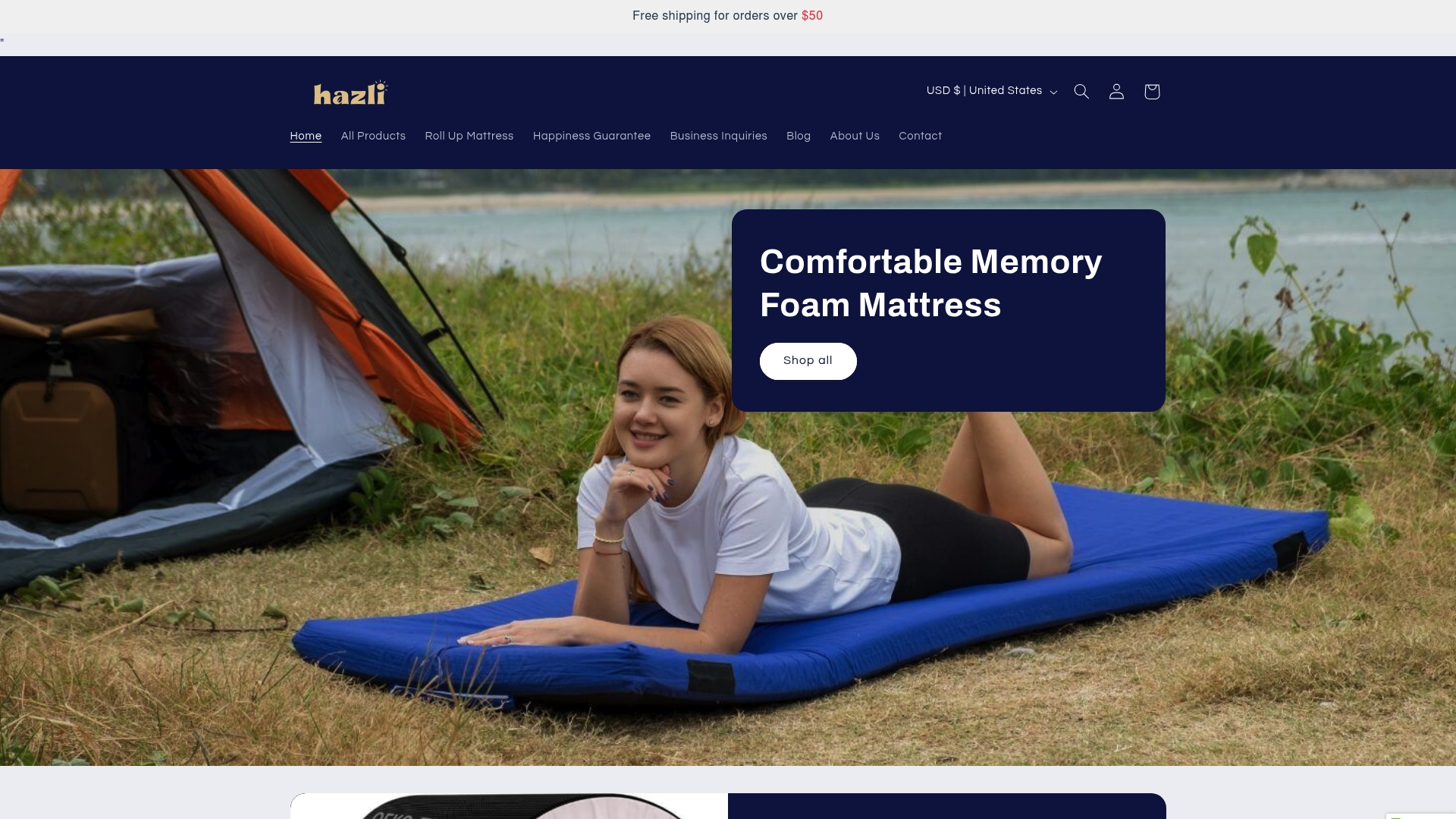
Don’t settle for restless nights or uncomfortable gear. Visit Hazli Collection to discover outdoor mattresses and accessories that fit the practical tips in this guide. Plan smarter, sleep better, and create lasting memories on your next adventure.

Frequently Asked Questions
How do I assess my family’s camping needs?
To assess your family’s camping needs, gather input from each member about their preferences, comfort levels, and any special considerations. Schedule a family meeting to discuss expectations, potential challenges, and camping styles, whether it be a developed campground or backcountry experience.
What essential camping gear should I pack for my family?
Prioritize essential camping gear for safety and comfort, focusing on the ‘10 Essentials’ for outdoor preparedness. Create a checklist based on your family’s needs, including navigation tools, appropriate clothing, shelter, cooking items, and emergency supplies.
How should I choose the right campsite for my family?
Select a campsite that offers flat ground and natural wind barriers while being close to clean water sources and restroom facilities. Perform research beforehand and conduct a quick site survey upon arrival to check for hazards like uneven ground or overhanging branches that could disrupt your camping enjoyment.
How can I plan meals and activities for our camping trip?
Plan your meals and activities by creating a flexible daily schedule that includes designated meal times, group activities, and personal exploration periods. Engage all family members in meal preparation and activity selection to keep everyone involved and excited about the trip.
What should I do for a final gear check before camping?
Conduct a thorough final gear check by organizing all items into clear categories and verifying that each piece of equipment works. Create a physical checklist, involve family members in checking specific gear, and take a group photo of packed items so nothing critical is forgotten before your adventure.
Recommended
- Free Camping Packing Checklist Generator – Hazli Collection
- 7 Camping Comfort Hacks for a Great Outdoor Experience – Hazli Collection
- 8 Essential Tips for Camping with Children – Hazli Collection
- 8 Essential Tent Camping Must-Haves for Comfort and Safety – Hazli Collection
- 7 Essential Camping Comfort Tips for a Restful Outdoor Stay – Hazli Collection