

By The Hazli Family — Peter & Louise · Reviewed June 2026
Quick answer: Family camping comfort rests on three pillars: a tent roomy enough for everyone, quality sleeping gear, and organized personal space. Choose sleeping pads or mattresses with adequate R-value insulation, moisture-wicking layers, and ergonomic support, match sleeping arrangements to your kids’ ages, and test all gear at home to avoid cold, damp, or restless nights.
Over 60 percent of American families say comfort is the top challenge when camping with kids. Whether you are planning a summer adventure or a weekend getaway, getting quality sleep outdoors can make or break your family trip. This guide offers smart strategies and practical gear tips designed to help American parents create a cozy, restful environment for everyone, combining proven insights and expert recommendations for a smoother camping experience.
Table of Contents
- Defining Family Camping Comfort Essentials
- Comparing Popular Family Sleeping Arrangements
- Crucial Features In Camping Sleep Gear
- Choosing Reliable Mattresses For Families
- Common Comfort Pitfalls To Avoid Outdoors
Key Takeaways
| Point | Details |
|---|---|
| Focus on Personal Comfort | Prioritize individual needs through strategic packing of sleeping gear, versatile clothing, and a designated comfort kit. |
| Choose the Right Sleeping Arrangement | Select from various sleeping configurations like separate bags or multi-room tents to suit family dynamics and preferences. |
| Invest in Quality Sleep Gear | Ensure your camping equipment features thermal regulation, moisture management, and ergonomic design for a restful night’s sleep. |
| Avoid Common Setup Mistakes | Address thermal and moisture control to prevent discomfort, and always test gear before the trip to ensure proper functionality. |
Defining Family Camping Comfort Essentials
Family camping comfort is more than just packing gear it’s about creating an environment where everyone feels safe, relaxed, and ready to enjoy the outdoors. Comprehensive camping equipment guides suggest that true comfort stems from strategic preparation across multiple categories that address each family member’s basic needs.
At its core, family camping comfort revolves around three fundamental pillars: shelter, sleeping arrangements, and personal space management. Proper shelter means selecting a tent large enough to accommodate your entire family comfortably, with enough headroom for adults to stand and move around. Sleeping gear becomes critical here – quality sleeping pads, appropriately sized sleeping bags, and compact but supportive pillows transform a basic campsite into a restful home away from home.
The most successful family camping experiences prioritize individual comfort while maintaining collective functionality. This means packing versatile clothing layers, considering temperature variations, bringing compact but comprehensive first aid supplies, and organizing your campsite to maximize usable space. Family camping essential gear checklists recommend thinking strategically about each item’s weight, multipurpose potential, and ability to contribute to overall family comfort.
Pro tip: Pack a designated “comfort kit” with extra blankets, compact camp chairs, and small personal amenities that can help each family member feel more at home in the wilderness.
Comparing Popular Family Sleeping Arrangements
Camping families have multiple sleeping arrangement options that balance comfort, practicality, and individual preferences. Comprehensive family sleep research reveals that the ideal sleeping configuration depends on family dynamics, children’s ages, and available space within your camping shelter.
Traditional tent camping typically offers three primary sleeping arrangements: separate sleeping bags, shared family sleeping bags, and multi-room tent configurations. Separate sleeping bags work best for families with older children who value personal space, while shared sleeping bags can provide warmth and closeness for younger families. Multi-room tents allow parents and children to have distinct sleeping areas, creating a sense of privacy while maintaining proximity.
Technology and modern camping gear have expanded sleeping options significantly. Innovations like modular sleeping systems, inflatable mattresses with separate zones, and compact family-sized sleeping bags provide unprecedented flexibility. Some families prefer individual sleeping pads that can be arranged side by side, creating a customized sleeping environment that accommodates different comfort needs and temperature preferences.
Pro tip: Invest in versatile sleeping pads with temperature rating compatibility to ensure each family member stays comfortable regardless of individual temperature sensitivity.
Crucial Features in Camping Sleep Gear
Comprehensive research on outdoor sleep environments reveals that camping sleep gear goes far beyond simple functionality. The most effective outdoor sleeping equipment addresses multiple critical factors including thermal regulation, portability, moisture management, and adaptability to individual sleeper needs.
Thermal insulation stands as the most fundamental feature for camping sleep gear. Modern sleeping bags and pads must provide consistent temperature control, protecting campers from ground cold and nighttime temperature fluctuations. Advanced materials like synthetic insulation and moisture-wicking fabrics create microclimate environments that keep sleepers warm without causing overheating, a delicate balance crucial for comfortable outdoor rest.
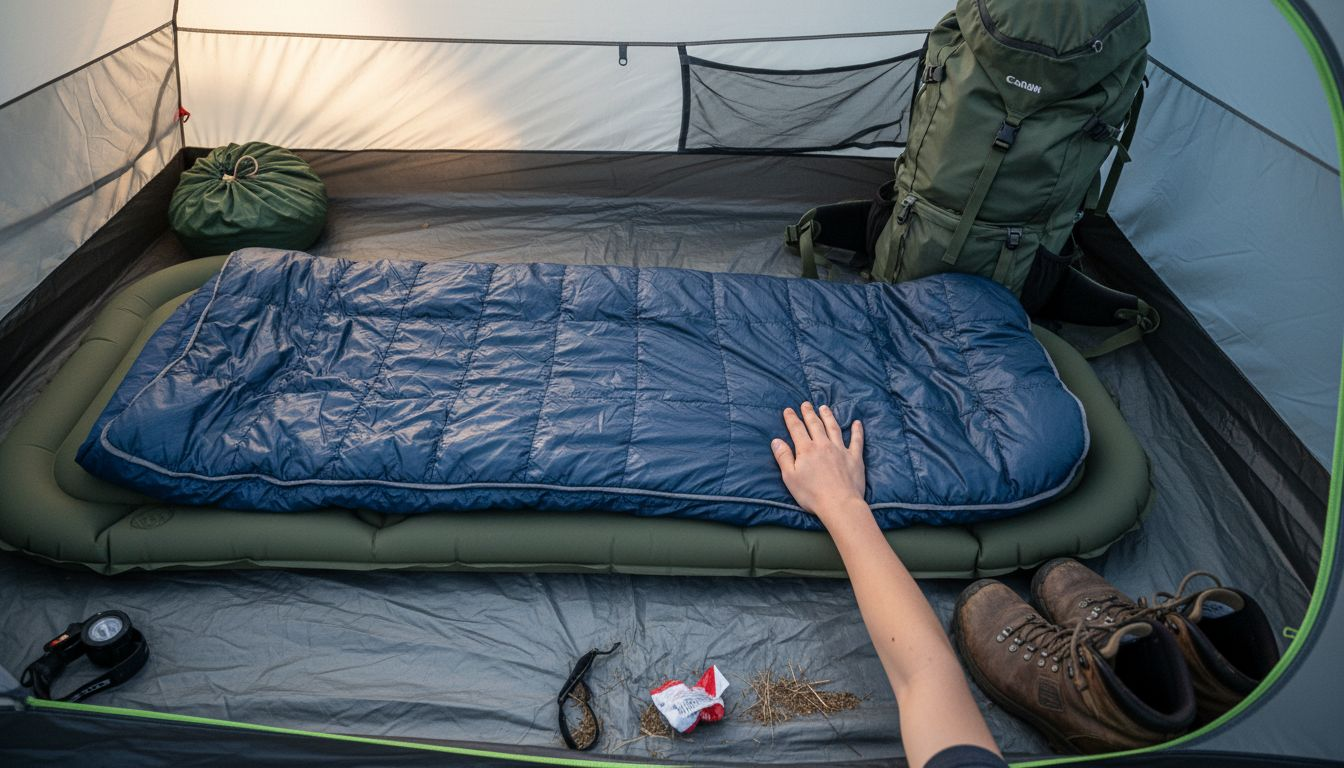
Ergonomic design has become increasingly important in camping sleep equipment. Innovative sleeping pads now feature body-mapped contouring, pressure point relief, and modular configurations that adapt to different sleeping styles and terrain challenges. Some designs incorporate internal air chambers that can be independently adjusted, allowing family members with different comfort preferences to customize their sleeping surface without compromising overall packability and weight.
Consider these factors for maximizing camping sleep comfort:
| Feature | Why It Matters | How It Improves Sleep |
|---|---|---|
| Thermal Regulation | Stable overnight temp | Reduces cold-related waking |
| Moisture Management | Keeps bedding dry | Prevents discomfort, hypothermia |
| Ergonomic Design | Matches sleep style | Less aches, deeper rest |
| Portability | Easier transport | Quicker setup and teardown |
Pro tip: Invest in sleeping gear with versatile temperature ratings and compact compression capabilities to maximize both comfort and storage efficiency during family camping trips.
Choosing Reliable Mattresses for Families
Comprehensive camping mattress testing results reveal that selecting the right family mattress requires careful consideration of multiple performance factors beyond basic comfort. Successful outdoor sleeping solutions must balance insulation, durability, portability, and individual family member needs.
Family camping mattresses come in three primary configurations: self-inflating foam pads, air mattresses, and hybrid designs that combine multiple materials. Self-inflating models offer consistent support and excellent insulation, making them ideal for families camping in variable temperature conditions. Air mattresses provide maximum adjustability, allowing different firmness levels for each family member, while hybrid designs blend the best characteristics of foam and air technologies to create versatile sleeping platforms.
Here’s how common family camping mattresses compare in key areas:
| Mattress Type | Insulation (R-value) | Portability | Ideal For |
|---|---|---|---|
| Self-inflating Foam Pad | High thermal resistance | Moderate bulk | Cold weather, easy setup |
| Air Mattress | Variable, needs insulation | Lightweight, compact | Warm climates, adjustability |
| Hybrid Design | Good insulation and comfort | Moderate weight | All-around adaptability |
When evaluating mattress reliability, families should prioritize key performance metrics including R-value (thermal resistance), weight, packed size, and moisture resistance. Expert field testing demonstrates that higher R-value ratings indicate better insulation from cold ground, while compact designs that compress easily ensure practical transportation. Additional considerations like surface texture, edge stability, and repair kit inclusion can significantly impact overall camping sleep experience.
Pro tip: Always test your family’s camping mattress at home before the trip to understand its comfort characteristics and identify any potential issues or needed adjustments.
Common Comfort Pitfalls To Avoid Outdoors
Comprehensive camping sleep research reveals that most outdoor comfort failures stem from preventable setup and preparation mistakes. Families frequently underestimate the complexity of creating a comfortable sleeping environment, leading to challenging nights that can transform an anticipated adventure into a frustrating experience.
Thermal management represents the most critical comfort challenge for outdoor sleepers. Improper insulation choices can result in significant temperature fluctuations that disrupt sleep and potentially compromise family members’ health. Professional camping guides emphasize that selecting sleeping gear with appropriate R-values, understanding layering techniques, and choosing strategic campsite locations are essential for maintaining consistent body temperature throughout the night.
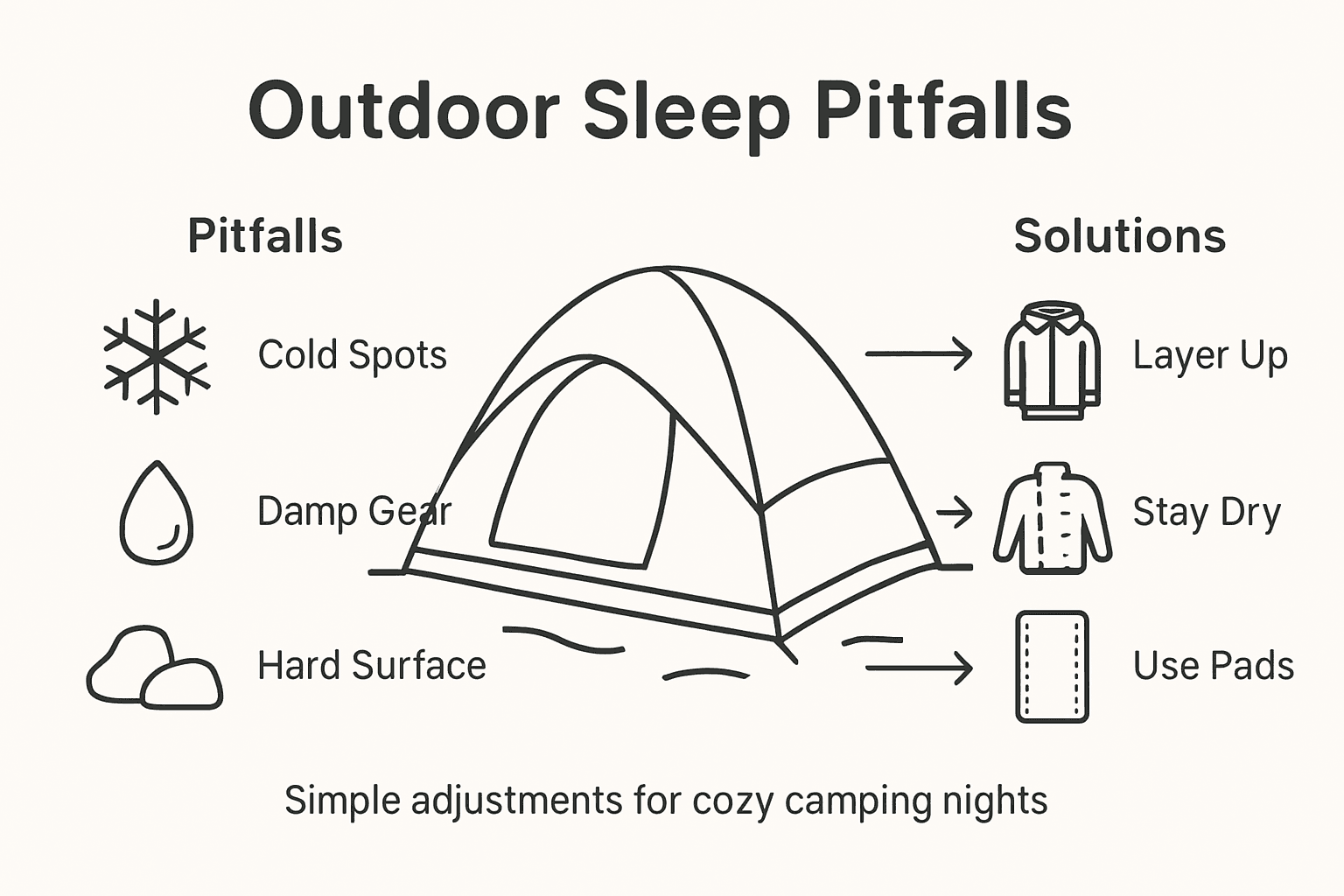
Moisture control emerges as another frequently overlooked comfort factor. Condensation inside tents, inadequate ground barriers, and inappropriate clothing selections can lead to damp sleeping environments that rapidly decrease comfort and increase the risk of hypothermia. Families must prioritize breathable gear, use waterproof ground covers, and select moisture-wicking sleeping bags and clothing to create a consistently dry sleeping space.
Pro tip: Pack a complete backup set of dry base layers and socks to rapidly address unexpected moisture issues and maintain personal comfort during your camping trip.
Elevate Your Family Camping Comfort with Hazli Collection
Creating a restful and cozy sleep environment outdoors is a challenge every camping family faces. This article highlights critical comfort essentials like proper insulation, ergonomic sleeping gear, and reliable mattresses that keep your family warm and supported throughout the night. If you want to avoid common pitfalls such as cold nights and moisture discomfort, it is essential to invest in durable, high-quality sleep solutions tailored for outdoor use.
Discover the perfect blend of memory foam comfort and practical design at Hazli Collection. Our collection offers memory foam mattresses engineered specifically for family campers who seek the ideal balance of thermal regulation, portability, and durability. With customizable options and user-friendly shopping features, you can prepare your family for restful nights and energized days.
Do not let uncomfortable sleep gear disrupt your next camping adventure. Explore our trusted outdoor sleep solutions and experience why families across the United States choose Hazli Collection for comfort that transforms your campsite. Visit us today and upgrade your camping sleep experience now.
Frequently Asked Questions
What are the essential components for family camping comfort?
Family camping comfort revolves around three main pillars: shelter, sleeping arrangements, and personal space management. It’s crucial to select a spacious tent, quality sleeping gear, and to organize your campsite for maximum usability.
How can I improve thermal regulation while sleeping outdoors?
To enhance thermal regulation, invest in sleeping bags and pads designed for consistent temperature control. Look for features such as advanced insulation materials and moisture-wicking fabrics to keep you warm without overheating.
What sleeping arrangements work best for families camping together?
Families can choose from separate sleeping bags for older kids, shared sleeping bags for younger children, or multi-room tents for privacy. Consider modular sleeping systems or individual pads that cater to different comfort needs.
What common mistakes should I avoid to ensure a comfortable camping experience?
Common pitfalls include poor thermal management due to inappropriate insulation and inadequate moisture control that can lead to damp conditions. Always prioritize breathable gear and test your setup before heading out to ensure comfort during your trip.
Recommended
- How to Improve Camp Sleep Naturally for Outdoor Comfort – Hazli Collection
- 7 Essential Camping Comfort Tips for a Restful Outdoor Stay – Hazli Collection
- 7 Outdoor Sleeping Arrangement Ideas for Ultimate Comfort – Hazli Collection
- 7 Essential Outdoor Sleep Solutions List for Comfort – Hazli Collection