

Over 60 percent of American families reported that discomfort from poor sleeping surfaces is the top challenge during multi-day camping trips. For those who crave adventure, restful sleep is not just a luxury but a necessity for energy and enjoyment outdoors. With new memory foam technologies emerging, American campers can now discover advanced solutions that offer better support, durability, and comfort even in the wild. This guide highlights how modern foam innovations transform outdoor sleep for your next expedition.
Table of Contents
- Defining Advanced Foam Technology for Outdoors
- Memory Foam Types and Performance Variations
- Key Features: Comfort, Durability, and Insulation
- How Foam Technology Enhances Outdoor Sleep
- Evaluating Costs and Choosing the Right Solution
Key Takeaways
| Point | Details |
|---|---|
| Advanced Foam Technology | Utilizes cutting-edge methods for superior performance in outdoor environments, focusing on durability, lightweight structure, and environmental sustainability. |
| Memory Foam Variations | Various types of memory foam (traditional, gel-infused, plant-based) cater to specific outdoor needs, enhancing comfort while addressing heat retention and moisture management. |
| Cost Evaluation | Consider long-term value and durability over initial price when selecting outdoor foam solutions, as high-quality materials deliver increased performance and extended usability. |
| Performance Features | Key factors such as thermal insulation, moisture management, and antimicrobial properties are essential for ensuring comfort and reliability in outdoor settings. |
Defining Advanced Foam Technology for Outdoors
Advanced foam technology represents a sophisticated engineering approach to creating high-performance materials specifically designed for outdoor environments. Unlike traditional foam products, these modern solutions leverage cutting-edge scientific techniques to deliver superior performance and durability. Supercritical fluid foaming techniques have revolutionized how outdoor foam materials are manufactured, enabling unprecedented levels of mechanical strength and environmental sustainability.
The core characteristics of advanced outdoor foam technology include lightweight structure, exceptional thermal insulation, and remarkable resilience against environmental stressors. Polymer foams engineered through advanced methods can withstand extreme temperature variations, moisture exposure, and mechanical stress far more effectively than traditional materials. These innovations are particularly crucial for outdoor enthusiasts who require equipment that can perform consistently across diverse and challenging conditions.
Key technological advancements in this domain include microcellular foam production techniques that create uniform cell structures with precise density and distribution. By utilizing supercritical fluids like carbon dioxide or nitrogen during the manufacturing process, engineers can produce foam materials with enhanced mechanical properties without relying on potentially harmful chemical foaming agents. This approach not only improves product performance but also significantly reduces environmental impact, aligning with growing consumer demand for sustainable outdoor gear.
Pro tip: When selecting advanced foam technology for outdoor equipment, always verify the material’s specific performance ratings for temperature resistance, moisture absorption, and mechanical durability to ensure optimal comfort and reliability.
Memory Foam Types and Performance Variations
Memory foam technology has evolved significantly since its original development by NASA, offering outdoor enthusiasts a range of specialized foam types designed to optimize comfort and performance. Different memory foam variations have emerged to address specific user needs, transforming how we experience outdoor sleeping surfaces. Traditional memory foam represents the foundational technology, characterized by its deep body contouring and exceptional pressure relief capabilities.
The primary memory foam types include traditional, gel-infused, and plant-based formulations, each with unique performance characteristics. Traditional memory foam provides excellent body conforming properties but can struggle with heat retention. Gel memory foam addresses this limitation by incorporating gel beads that help dissipate heat more efficiently, creating a cooler sleeping environment. Plant-based memory foams offer an eco-friendly alternative, utilizing natural oils to create breathable materials that maintain similar supportive qualities to traditional formulations.
Manufacturers continuously refine memory foam technologies by modifying density, viscosity, and cellular structures to enhance outdoor performance. These engineering adaptations focus on creating materials that can withstand temperature fluctuations, moisture exposure, and mechanical stress while maintaining comfort. Advanced memory foam for outdoor applications now incorporates sophisticated thermal regulation technologies, improved cellular structures, and sustainable manufacturing processes that prioritize both user experience and environmental considerations.
Here’s a comparison of the main memory foam types for outdoor use:
| Foam Type | Heat Management | Sustainability | Typical Outdoor Use |
|---|---|---|---|
| Traditional | Retains more heat | Synthetic composition | Base layer in cushions |
| Gel-Infused | Enhanced cooling | Moderate environmental | Summer sleeping pads |
| Plant-Based | Superior breathability | High, eco-friendly | Lightweight camping mats |
Pro tip: When selecting a memory foam product for outdoor use, carefully evaluate the foam’s density, temperature regulation capabilities, and moisture resistance to ensure optimal comfort in varying environmental conditions.
Key Features: Comfort, Durability, and Insulation
Advanced foam technology for outdoor applications demands a sophisticated balance of performance characteristics that go far beyond traditional material expectations. Reticulated foam technologies represent a breakthrough in outdoor comfort, offering exceptional breathability with over 95% porosity that enables quick drying and superior moisture management. These innovative materials are engineered to maintain structural integrity and comfort even in challenging environmental conditions, setting a new standard for outdoor sleep and seating solutions.
The three critical performance dimensions of advanced outdoor foam include comfort, durability, and thermal insulation. Comfort is achieved through precise cellular structures that conform to body contours while providing consistent support. Durability is enhanced through advanced antimicrobial treatments and resilient material compositions that resist degradation from UV exposure, moisture, and repeated mechanical stress. Thermal insulation capabilities are critical for maintaining consistent temperature regulation, preventing heat loss during cool nights and managing moisture absorption in humid environments.
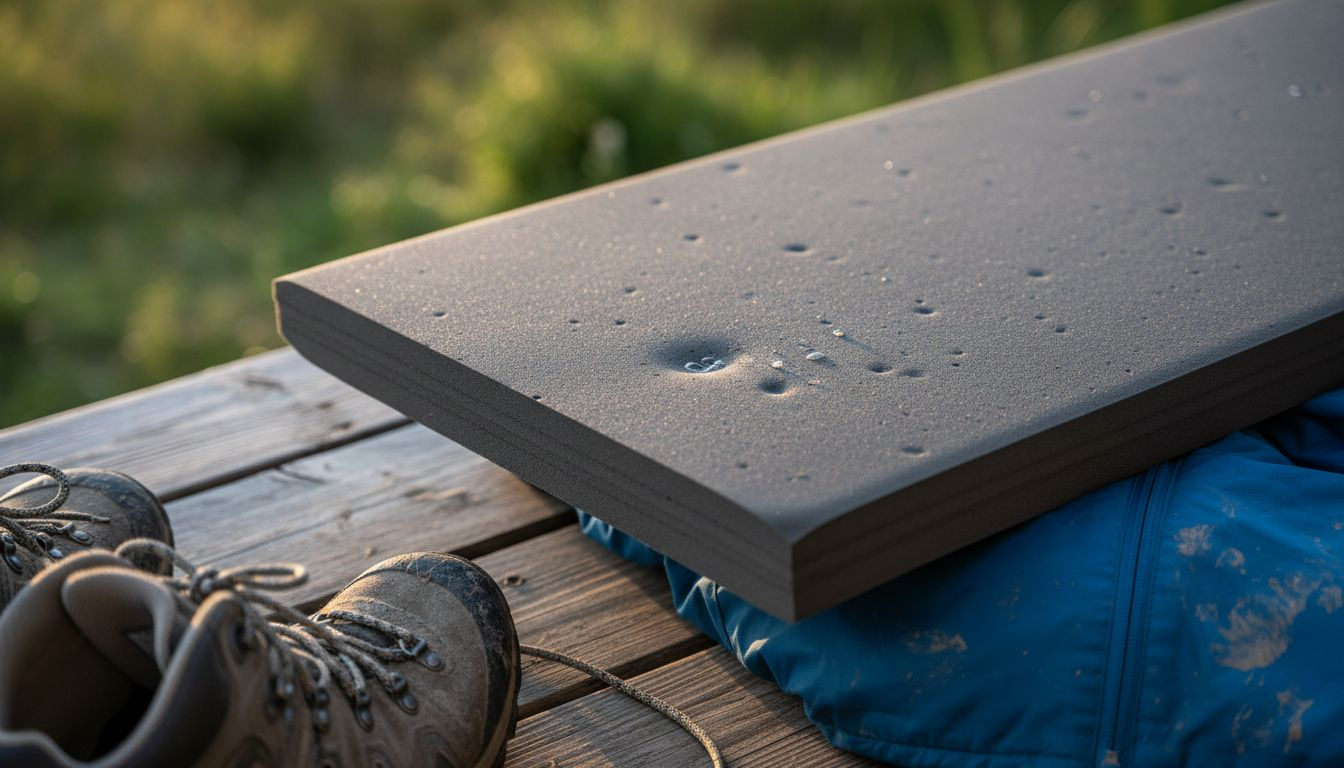
Manufacturers now employ sophisticated engineering techniques to create multi-functional foam materials that address the complex demands of outdoor environments. These advanced foams incorporate specialized treatments like dry-fast antimicrobial technologies, which not only inhibit mold and mildew growth but also maintain medium firmness and structural resilience. The result is a new generation of outdoor foam products that can withstand extreme temperature variations, resist moisture retention, and provide consistent comfort across diverse outdoor settings from mountain campsites to coastal recreational areas.
Pro tip: When evaluating outdoor foam products, always check the material’s porosity, antimicrobial treatment, and density ratings to ensure optimal performance in your specific environmental conditions.
How Foam Technology Enhances Outdoor Sleep
Memory foam advances in sleep science have dramatically transformed outdoor sleeping experiences, offering unprecedented comfort and support in challenging environmental conditions. Modern foam technologies are engineered to address the unique challenges of outdoor sleeping, providing solutions that go far beyond traditional mattress designs. These innovative materials adapt to body contours, distribute weight evenly, and create a responsive sleeping surface that maintains comfort across varied terrain and temperature ranges.
The key performance characteristics of advanced foam technology include precise pressure relief, temperature regulation, and adaptive support. Cutting-edge foam formulations incorporate cooling additives and antimicrobial treatments that prevent heat retention and manage moisture, critical factors for maintaining comfortable sleep in outdoor environments. By utilizing sophisticated cellular structures, these foams can maintain optimal body temperature, reduce pressure points, and provide consistent support that minimizes disruptions during sleep.
Manufacturers have developed specialized foam technologies that address specific outdoor sleeping challenges. These include moisture-wicking properties, enhanced durability against environmental stressors, and lightweight designs that make transportation and setup easy for campers and outdoor enthusiasts. The result is a new generation of sleeping solutions that transform outdoor rest from a basic necessity to a genuinely comfortable experience, bridging the gap between home comfort and wilderness adventure.
Pro tip: When selecting outdoor foam sleeping solutions, prioritize materials with multiple performance features like thermal regulation, moisture management, and compact portability to maximize your outdoor sleeping comfort.
Evaluating Costs and Choosing the Right Solution
Outdoor cushion market dynamics reveal complex considerations for consumers seeking high-performance foam technologies. The cost of advanced outdoor foam solutions reflects sophisticated engineering and specialized material properties that extend far beyond traditional pricing models. Understanding the underlying value proposition becomes critical when evaluating potential investments in outdoor comfort technologies, as superior materials often translate to longer-lasting and more reliable performance.
The pricing of outdoor foam technologies is influenced by several key factors, including material complexity, manufacturing processes, and advanced performance features. Specialized fabrics with UV resistance, antimicrobial properties, and quick-drainage capabilities inherently increase production costs. Consumers should consider long-term value rather than initial price point, as high-quality foam solutions can provide significantly extended usability and comfort compared to cheaper alternatives. Factors such as reticulated foam structures, solution-dyed acrylics, and advanced cellular designs contribute to higher upfront costs but deliver substantial performance benefits.
When selecting outdoor foam solutions, consumers should prioritize comprehensive evaluation criteria beyond simple price comparisons. Critical assessment factors include material durability, thermal regulation capabilities, moisture management, environmental resistance, and overall performance consistency. Sustainable manufacturing processes and eco-friendly material selections are increasingly important considerations that can influence both pricing and long-term value. Consumers should examine product specifications, performance ratings, and manufacturer warranties to make informed decisions that balance cost-effectiveness with superior outdoor comfort technologies.
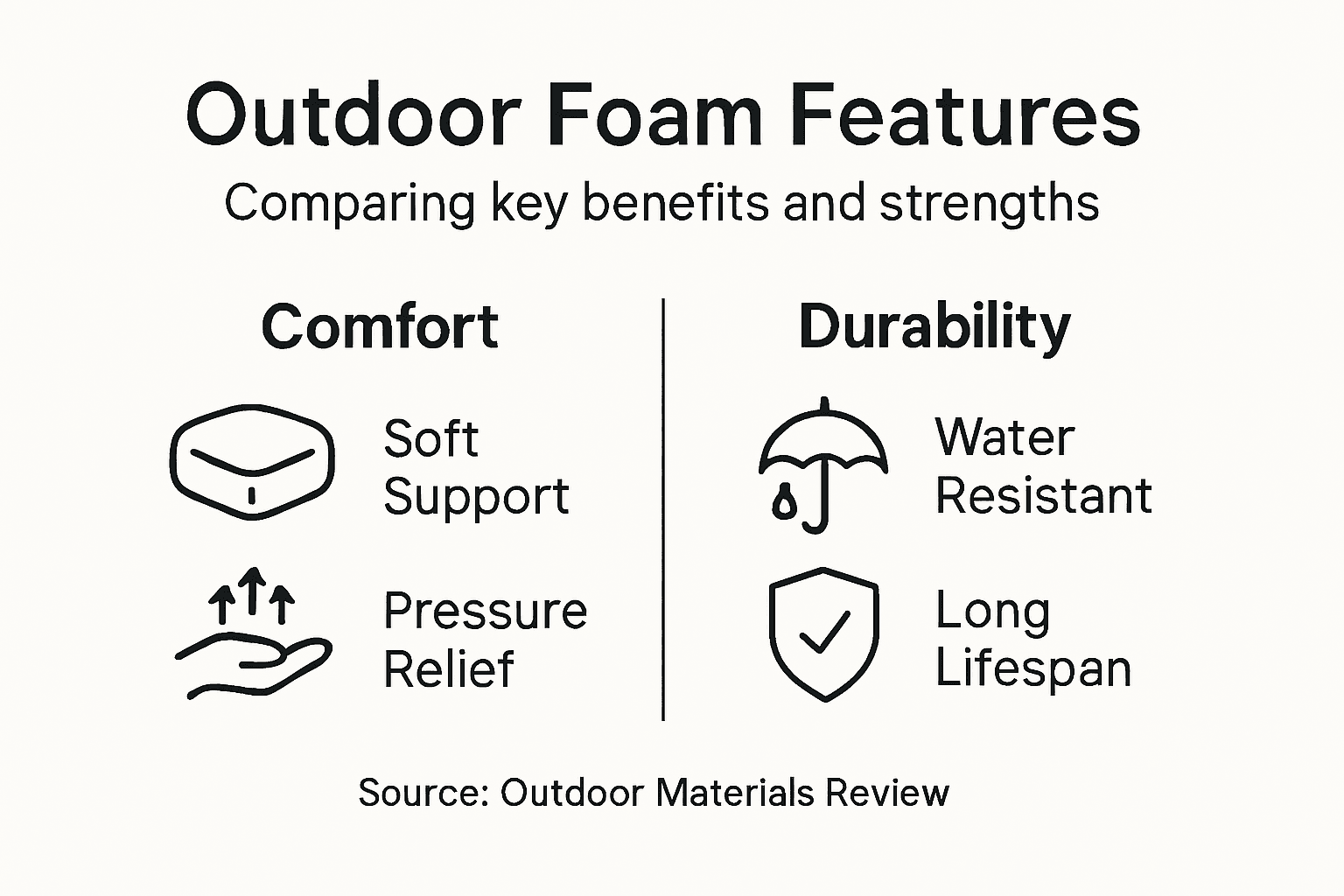
This summary outlines essential factors to consider when evaluating outdoor foam solutions:
| Evaluation Factor | Performance Impact | Long-Term Benefit |
|---|---|---|
| Material Durability | Resists wear, UV, moisture | Lower replacement frequency |
| Thermal Regulation | Maintains comfortable temps | Improved user comfort |
| Moisture Management | Reduces mold, quick dry | Extended material longevity |
| Sustainable Manufacturing | Reduces environmental harm | Supports eco-conscious choices |
Pro tip: Calculate the total cost of ownership by comparing expected lifespan, performance characteristics, and replacement frequency rather than focusing solely on initial purchase price.
Elevate Your Outdoor Comfort with Advanced Foam Solutions
Experiencing discomfort from traditional sleeping pads or mattresses can undermine your outdoor adventures. The article highlights how advanced foam technology like memory foam types, reticulated foam, and innovative thermal regulation can solve problems such as heat retention, moisture buildup, and lack of durability. At Hazli Collection, we understand these challenges and specialize in offering high-quality memory foam mattresses and camping gear designed to deliver lasting comfort, superior insulation, and reliable support for all your outdoor needs.
Discover how our thoughtfully engineered products bring the latest foam technology directly to your campsite. Whether you struggle with insulating against cold ground or require durable, moisture-resistant materials that stand up to rugged use, our outdoor mattresses provide both. Visit Hazli Collection now to explore options that combine comfort, durability, and practicality backed by the science featured in the article. Take the step toward transforming your outdoor sleep experience with solutions tailored for adventure and reliability.
Frequently Asked Questions
What are the benefits of advanced foam technology for outdoor use?
Advanced foam technology provides superior comfort, durability, and thermal insulation specifically designed to withstand environmental stressors. These foams are lightweight, moisture-resistant, and engineered for consistent performance in extreme temperatures.
How does memory foam technology enhance outdoor sleeping experiences?
Memory foam technology adapts to body contours, offers excellent pressure relief, and incorporates cooling additives for temperature regulation. This ensures a comfortable sleeping surface, minimizing disruptions during outdoor adventures.
What types of memory foam are available for outdoor use?
The main types of memory foam for outdoor applications include traditional memory foam, gel-infused memory foam for enhanced cooling, and plant-based formulations that offer eco-friendly benefits, each with unique performance characteristics suitable for various outdoor conditions.
How should I evaluate outdoor foam products for performance?
When evaluating outdoor foam products, consider factors such as material durability, thermal regulation capabilities, moisture management, and antimicrobial properties. Check product specifications and performance ratings to ensure optimal comfort and reliability in your specific environment.