

Over half of American outdoor enthusiasts say that gear flexibility is their top priority when planning a weekend trip or extended adventure. Choosing equipment that adapts easily to shifting weather, varied terrain, and family needs can mean the difference between frustration and fun. This guide explores what sets truly versatile camping gear apart, so you can pack smarter and enjoy every journey with comfort and peace of mind.
Table of Contents
- What Makes Camping Equipment Versatile
- Common Types And Key Distinctions
- Core Features That Ensure Adaptability
- Real-World Applications For Outdoor Enthusiasts
- Risks And Mistakes When Choosing Gear
Key Takeaways
| Point | Details |
|---|---|
| Versatile Camping Equipment | Choose gear that demonstrates multifunctionality and reconfigurability to adapt to various environments and activities. |
| Types of Gear | Select camping equipment that matches your travel style and expected conditions to enhance comfort and ease of transport. |
| Core Features | Look for critical design attributes like weather resistance and lightweight materials to ensure adaptability in outdoor settings. |
| Safety Considerations | Verify safety certifications and performance capabilities of gear to mitigate risks and promote a safe camping experience. |
What Makes Camping Equipment Versatile
Camping equipment becomes truly versatile when it demonstrates extraordinary adaptability across different environments, activities, and user requirements. The core characteristics of versatile gear involve multifunctionality and reconfigurability, allowing outdoor enthusiasts to maximize utility and performance in rapidly changing conditions.
Versatile camping equipment typically exhibits several key attributes that set it apart from standard outdoor gear. These include lightweight construction, modular design, adaptable features, and the capacity to serve multiple purposes. For instance, a sleeping pad that can transform into a makeshift seat or a tent with interchangeable rainfly configurations represents the pinnacle of versatile design. Adaptability becomes the critical factor, enabling campers to respond effectively to unpredictable outdoor scenarios.
Advanced camping equipment now integrates sophisticated design principles that support diverse camping experiences across different nature-based tourism contexts. Modern gear prioritizes compact storage, rapid deployment, and seamless functionality. Manufacturers are increasingly developing equipment that can transition smoothly between different recreational activities such as hiking, car camping, backpacking, and emergency preparedness.
Pro tip: When selecting versatile camping equipment, prioritize multi-use items that can adapt to various environments and minimize the total number of individual pieces you need to pack.
Common Types and Key Distinctions
Comprehensive international research reveals distinct categories of camping equipment that cater to diverse outdoor experiences. These categories range from traditional tent setups to advanced recreational vehicles and luxury glamping structures, each designed to meet specific camping preferences and environmental challenges.
The primary types of camping equipment can be broadly classified into several key categories: Tent-based Systems, Recreational Vehicles (RVs), Portable Shelters, and Specialized Camping Configurations. Tent-based systems remain the most traditional approach, offering lightweight and flexible options for backpackers and minimalist campers. RVs represent a more comfortable, home-like camping experience, providing built-in amenities and greater protection from the elements.
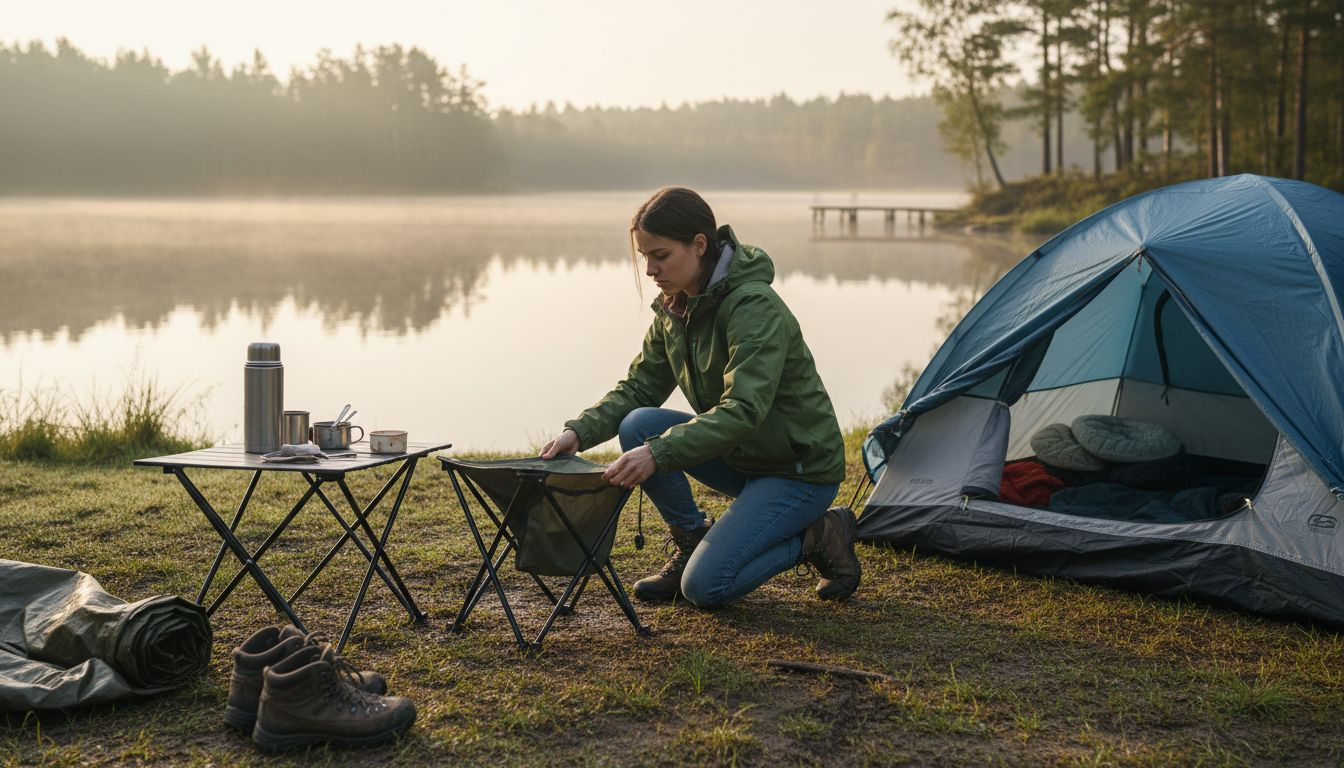
Modern camping equipment classification systems now recognize the complexity of outdoor accommodation needs, moving beyond simple categorizations. These sophisticated frameworks consider factors like mobility, comfort level, cost, and intended use. For instance, contemporary gear might be classified into subcategories such as ultralight backpacking equipment, car camping gear, base camp setups, and expedition-grade solutions.
A comprehensive breakdown of camping equipment types typically includes:
- Backpacking Tents (lightweight, compact)
- Family Camping Tents (spacious, multiple rooms)
- Popup Campers (quick setup, moderate mobility)
- Fifth Wheel Trailers (maximum comfort, stationary)
- Rooftop Tent Systems (vehicle-mounted, elevated sleeping)
- Hammock Camping Gear (minimal ground contact)
Pro tip: Match your camping equipment type to your specific travel style, considering factors like transportation method, terrain, group size, and expected weather conditions.
The following table highlights how different types of camping equipment suit varying camping styles and needs:
| Equipment Type | Mobility Level | Comfort Level | Best For |
|---|---|---|---|
| Backpacking Tents | High (very portable) | Moderate (basic shelter) | Solo/adventure trips |
| Family Camping Tents | Moderate (car transport) | High (spacious, multi-room) | Group/family outings |
| Popup Campers | Moderate (towable) | Good (quick setup) | Short trips/weekends |
| Fifth Wheel Trailers | Low (stationary) | Superior (amenities) | Long-term/luxury camping |
| Rooftop Tent Systems | High (vehicle-mounted) | Moderate (elevated sleeping) | Road trips/overlanding |
| Hammock Gear | High (ultralight) | Low (minimal shelter) | Minimalist/warm climates |
Core Features That Ensure Adaptability
The competitive landscape of camping equipment reveals critical design features that drive versatility and user adaptability, transforming outdoor gear from simple protective equipment to intelligent, responsive solutions. These core features represent a sophisticated approach to meeting diverse camping challenges across multiple environments and user requirements.
The primary characteristics that ensure equipment adaptability include Weather Resistance, Modular Design, Lightweight Construction, and Multipurpose Functionality. Weather resistance stands as the foundational element, protecting users from unpredictable outdoor conditions while maintaining comfort and performance. Modern camping equipment integrates advanced materials like waterproof synthetic fabrics, breathable membranes, and temperature-regulating technologies that can withstand extreme temperature variations and unexpected environmental shifts.
Multifunctional design emerges as another critical feature, allowing single pieces of equipment to serve multiple purposes. This approach reduces overall gear weight and increases packing efficiency. Examples include sleeping bags that convert into jackets, tent rainflies that can function as emergency ground covers, and cooking systems that integrate compact fuel storage and cooking surfaces in a single compact unit. The goal is to create gear that adapts seamlessly to changing camping scenarios without requiring extensive equipment modifications.
Key adaptability features to consider include:
- Quick-release attachment systems
- Expandable/collapsible configurations
- Interchangeable components
- Integrated storage solutions
- Rapid setup mechanisms
- Versatile material compositions
Pro tip: Prioritize camping equipment with modular design elements that allow quick reconfiguration and serve multiple functions to maximize versatility and minimize overall gear weight.
The table below compares essential features that make camping equipment adaptable in various outdoor conditions:
| Adaptability Feature | What It Provides | Impact on Camping |
|---|---|---|
| Weather Resistance | Protection from elements | Enables use in harsh climates |
| Modular Design | Customization flexibility | Fits specific trip needs |
| Lightweight Materials | Easier transport | Reduces camper fatigue |
| Multipurpose Utility | Multiple uses per item | Cuts down gear weight |
Real-World Applications for Outdoor Enthusiasts
Technology is revolutionizing camping experiences by integrating smart solutions that enhance outdoor adaptability and user comfort, transforming traditional camping equipment into intelligent, responsive systems. Modern outdoor enthusiasts now have access to gear that can seamlessly transition between different environments and activity types, providing unprecedented flexibility and performance.
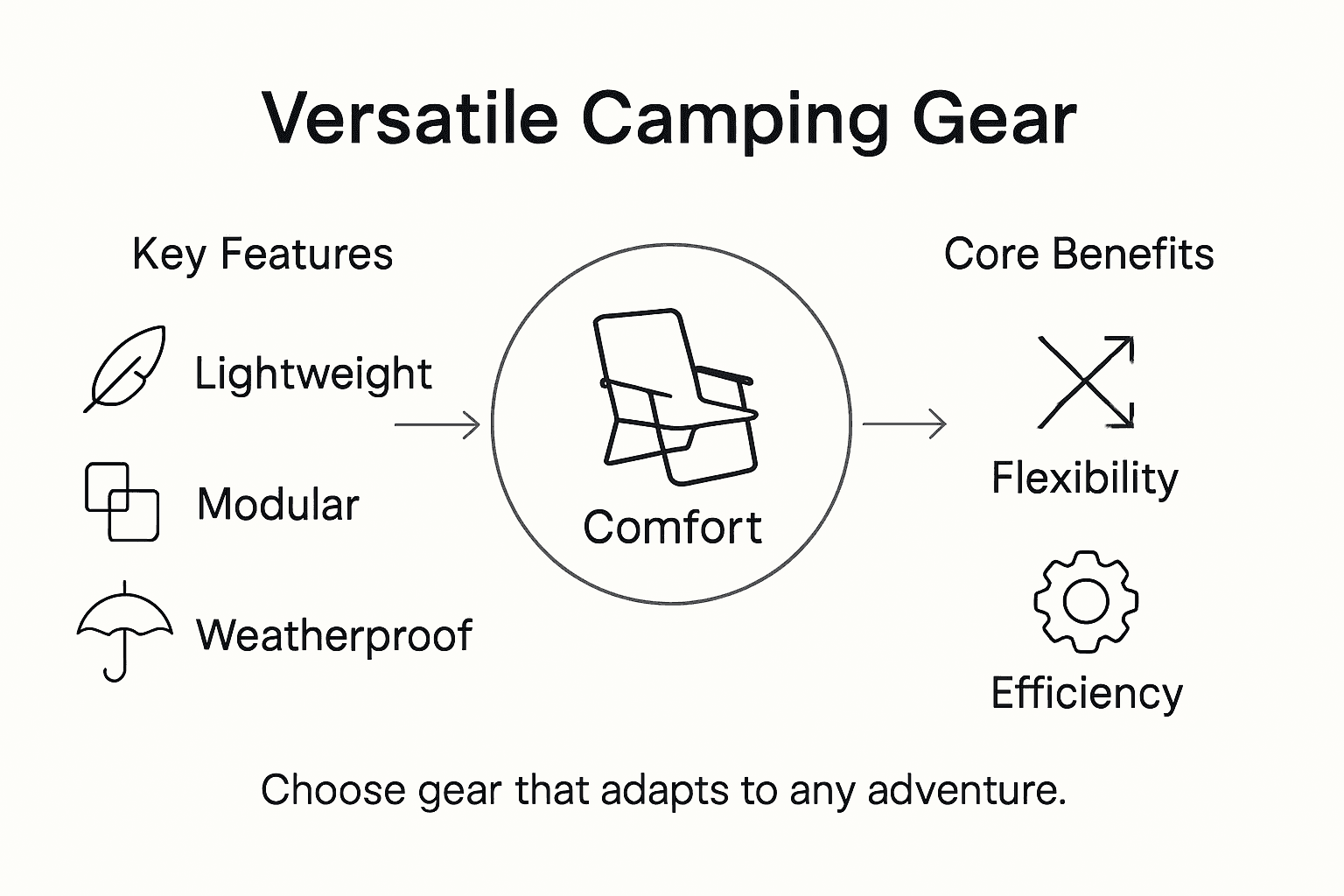
Versatile camping equipment addresses real-world challenges by offering practical solutions across multiple scenarios. Modular Design enables campers to customize their setup based on specific trip requirements, whether navigating mountain terrain, exploring desert landscapes, or setting up base camp for extended stays. Multifunctional gear provides critical advantages by streamlining packing and reducing overall equipment weight, allowing adventurers to carry compact, adaptable tools that serve multiple purposes.
Outdoor enthusiasts benefit from versatile equipment in several key contexts:
- Backpacking through challenging terrain
- Weekend family camping trips
- Extended wilderness expeditions
- Emergency preparedness scenarios
- Remote work and digital nomad adventures
- Adventure sports and exploration
Unique applications of versatile camping gear include convertible sleeping systems that transform between ground mats and hammocks, cooking equipment with integrated water filtration, and protective cases that double as seating or storage platforms. These innovations represent a significant shift from traditional single-purpose camping equipment toward more intelligent, adaptive solutions.
Pro tip: Invest in camping equipment that offers at least three distinct functions to maximize versatility and minimize overall gear weight during outdoor adventures.
Risks and Mistakes When Choosing Gear
Systematic research reveals critical safety considerations that outdoor enthusiasts must understand when selecting camping equipment, highlighting the complex landscape of potential risks associated with improper gear selection. Understanding these risks can prevent dangerous situations and ensure a safer, more enjoyable outdoor experience.
The most significant risks in camping gear selection stem from three primary areas: Compliance Failures, Performance Limitations, and Environmental Mismatches. International safety standards like ISO 5912 provide crucial guidelines for evaluating equipment reliability and reducing potential product liability issues, yet many consumers overlook these critical certification requirements. Inadequate gear can lead to catastrophic failures in challenging outdoor environments, potentially compromising personal safety and overall trip success.
Common mistakes that outdoor enthusiasts frequently make include:
- Purchasing gear without verifying safety certifications
- Selecting equipment inappropriate for specific terrain
- Underestimating environmental condition requirements
- Ignoring weight and packability constraints
- Choosing low-cost alternatives without performance testing
- Neglecting equipment maintenance and inspection protocols
Comprehensive gear selection requires a holistic approach that considers multiple factors beyond initial cost. Experienced campers recommend thorough research, hands-on testing, and consulting expert reviews before investing in critical outdoor equipment. Understanding the nuanced performance characteristics of different gear types can mean the difference between a successful adventure and a potentially dangerous situation.
Pro tip: Always check manufacturer safety certifications and conduct a comprehensive performance review before purchasing any camping equipment, prioritizing reliability over minimal cost savings.
Discover True Comfort With Versatile Camping Gear
When it comes to camping, comfort and adaptability make all the difference. This article highlights the importance of choosing camping equipment that is not only lightweight and multifunctional but also reliable in unpredictable outdoor conditions. If you want to avoid the common pitfalls of unsuitable gear and ensure restful nights in any environment, investing in quality sleep solutions is essential. Hazli Collection specializes in premium memory foam mattresses and customizable outdoor equipment designed to elevate your camping experience by providing unmatched comfort and durability.
Explore our carefully crafted selection at Hazli Collection. Each product supports your need for versatility and quick setup while offering superior support during your adventures. Don’t let poor sleep or bulky gear slow you down. Check out our range and embrace camping without compromise. Act now to experience the difference that smart, comfortable camping gear can make on your next outdoor trip. Visit our website today and gear up for your next adventure with confidence.
Frequently Asked Questions
What characteristics make camping equipment versatile?
Versatile camping equipment typically features lightweight construction, modular design, adaptable features, and multipurpose functionality, allowing users to maximize utility in different outdoor scenarios.
How can I identify if a camping item is multifunctional?
Look for equipment that can perform multiple roles, such as a sleeping bag that converts into a jacket or a tent rainfly that can double as an emergency ground cover, which increases its utility without adding extra weight.
Why is weather resistance important in camping gear?
Weather resistance is crucial as it protects users from unpredictable outdoor conditions, ensuring comfort and safety during trips in harsh or fluctuating environments.
What should I consider when choosing between different types of camping equipment?
Consider your camping style, the intended terrain, group size, weather conditions, and whether you prioritize mobility or comfort to select the most suitable camping equipment.
Recommended
- 7 Examples of Durable Camping Equipment for Outdoor Comfort – Hazli Collection
- 7 Top Camping Gear Picks for 2025 Every Camper Should Know – Hazli Collection
- 7 Camping Comfort Hacks for a Great Outdoor Experience – Hazli Collection
- 7 Essential Tips for the Perfect Packing Checklist for Campers – Hazli Collection