

By The Hazli Family — Peter & Louise · Reviewed June 2026
Quick answer: Sleep quality when camping depends on thermal comfort, ground insulation, surface support, and noise — not just hours slept. Good outdoor sleep resets your circadian rhythm, lowers stress, and sharpens cognition. Prioritize an insulated sleeping pad or memory foam mattress, a temperature-rated bag, wind-protected campsite selection, and a consistent bedtime routine to wake refreshed.
Nearly half of campers report that unexpected discomfort keeps them awake when sleeping outdoors. The shift from a cozy bedroom to the unpredictability of nature brings new challenges for getting quality rest, from chilly ground to unfamiliar sounds. Quality sleep is vital for both health and enjoyment on any trip. This guide breaks down what truly influences outdoor sleep and highlights practical steps that can help every camper wake up refreshed under the open sky.
Table of Contents
- Defining Sleep Quality in Outdoor Settings
- Health Benefits of Quality Sleep While Camping
- Common Sleep Challenges During Camping Trips
- Essential Gear for Better Camping Sleep
- Tips to Optimize Overnight Comfort Outdoors
Key Takeaways
| Point | Details |
|---|---|
| Defining Sleep Quality | Sleep quality in outdoor settings involves thermal comfort, environmental stability, and psychological relaxation, not just rest hours. |
| Health Benefits of Quality Sleep | Quality sleep while camping promotes circadian rhythm regulation and psychological well-being, enhancing both physical and mental health. |
| Common Sleep Challenges | Campers face challenges such as temperature fluctuations and noise disturbances; preparation is key to mitigate these factors. |
| Essential Gear Selection | Choosing the right camping gear, focusing on insulation and comfort, is crucial to optimize sleep quality outdoors. |
Defining Sleep Quality in Outdoor Settings
When camping, sleep quality becomes a nuanced concept distinct from traditional indoor sleeping environments. Unlike your bedroom at home, outdoor settings introduce unique variables that dramatically impact how well you rest. The Pittsburgh Sleep Quality Index provides an essential framework for understanding sleep quality, which translates surprisingly well to outdoor scenarios.
In outdoor settings, sleep quality encompasses more than just hours of rest. It involves multiple interconnected factors: thermal comfort, environmental stability, physical recovery, and psychological relaxation. The challenges of sleeping outside mean campers must consider aspects like ground surface, temperature fluctuations, ambient noise, and personal comfort adaptations. These elements collectively determine whether you wake feeling refreshed or exhausted.
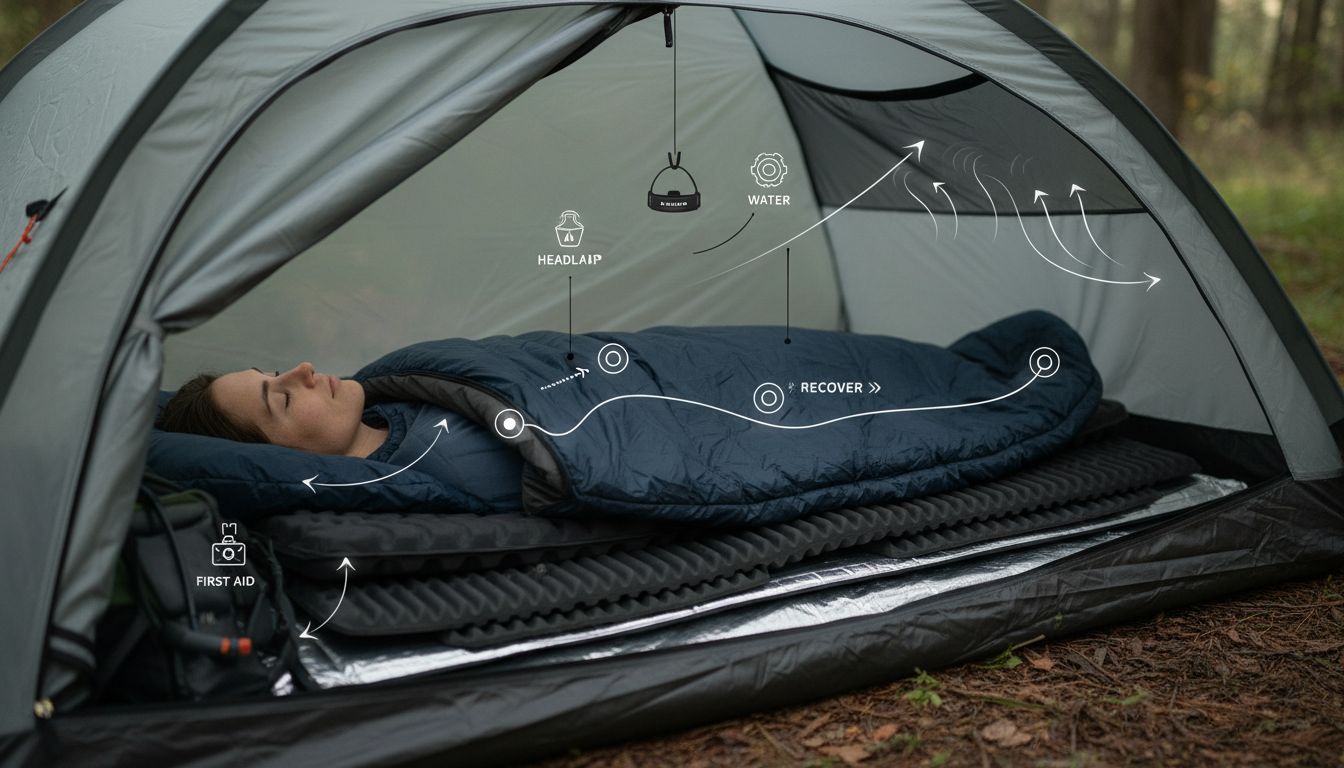
Researchers have discovered that circadian rhythm disruption significantly impacts outdoor sleep experiences. According to research investigating thermal comfort, environmental conditions play a critical role in sleep quality. Key factors affecting outdoor sleep include:
- Ground temperature and insulation
- Ambient air temperature
- Wind exposure
- Humidity levels
- Noise interference from natural surroundings
Understanding these components helps campers strategically prepare for optimal rest. By anticipating potential disruptions and planning accordingly, you can transform a potentially uncomfortable night into a rejuvenating outdoor sleeping experience. For more detailed strategies, check out our 7 Essential Outdoor Sleep Solutions List that provides comprehensive insights into creating comfortable sleeping arrangements in nature.
Ultimately, defining sleep quality while camping means recognizing it as a holistic experience. It’s not just about closing your eyes, but creating an environment that supports physical recovery, mental relaxation, and seamless adaptation to the outdoor environment.
Health Benefits of Quality Sleep While Camping
Quality sleep during camping isn’t just about rest. It’s a transformative experience that offers profound physical and mental health benefits beyond traditional sleeping environments. Research reveals that camping can reset your internal clock by exposing you to natural light cycles, leading to earlier sleep onset and dramatically improved sleep quality.
The outdoor sleeping environment triggers a cascade of physiological and psychological improvements. Physical activity in nature and connection with natural surroundings significantly enhance psychological well-being. When you sleep outdoors, you’re not just recovering from physical exertion but actively supporting your cognitive and emotional health.
Key health benefits of quality camping sleep include:
- Enhanced circadian rhythm regulation
- Reduced stress and anxiety levels
- Improved cognitive function and mental clarity
- Increased production of mood-stabilizing hormones
- Natural reset of sleep-wake cycles
By prioritizing sleep quality during outdoor adventures, you’re investing in holistic wellness. Natural environments provide unique stimuli that traditional indoor spaces cannot replicate. To optimize your camping sleep experience and maximize these health benefits, explore our How to Improve Camp Sleep Naturally guide, which offers comprehensive strategies for restful outdoor nights.
Ultimately, camping sleep is more than just a break from routine. It’s a powerful reset button for your body and mind, offering a natural pathway to improved overall health and well-being.
Common Sleep Challenges During Camping Trips
Camping introduces a unique set of sleep disruption factors that can transform what should be a restful outdoor experience into a night of tossing and turning. Unlike comfortable home environments, outdoor sleeping exposes you to unpredictable elements that challenge your body’s natural sleep rhythms. Sound plays a particularly critical role in these disruptions, with environmental noises creating significant sleep interference.
Researchers have extensively studied environmental sound impacts, particularly noting how ambient noise can dramatically affect sleep quality. Research on wind farm noise demonstrates how specific sound characteristics can profoundly disturb sleep patterns. In camping contexts, this translates to potential disruptions from natural sources like wind through trees, wildlife movements, distant campground activities, and unexpected environmental sounds.
Common sleep challenges campers encounter include:
- Temperature fluctuations causing midnight shivering or sweating
- Uneven or hard ground surfaces creating physical discomfort
- Unexpected wildlife sounds triggering alertness
- Humidity and condensation inside tents
- Limited personal space and cramped sleeping arrangements
- Lack of familiar sleep environment
To effectively mitigate these challenges and create a more comfortable outdoor sleeping experience, strategic preparation becomes crucial. Understanding potential disruptions allows campers to pack appropriate gear and select optimal camping locations. For comprehensive strategies addressing these issues, explore our 7 Outdoor Sleeping Arrangement Ideas that provide practical solutions for enhanced camping comfort.
Successful camping sleep isn’t about eliminating all challenges but developing adaptability. By anticipating potential disruptions and preparing thoughtfully, you can transform uncomfortable outdoor nights into rejuvenating wilderness experiences.
Essential Gear for Better Camping Sleep
Optimizing your camping sleep experience requires more than just good intentions. Strategic gear selection becomes the cornerstone of comfortable outdoor rest, transforming potentially challenging nights into rejuvenating experiences. Research highlights how proper outdoor equipment can significantly impact your sleep-wake cycle, helping balance melatonin levels and sync your body’s natural rhythms with the environment.
The right gear acts as a buffer between you and the unpredictable outdoor environment. Physical activity and proper equipment are crucial for promoting heart health and ensuring restful sleep. Your camping sleep arsenal should focus on three primary comfort zones: thermal regulation, surface support, and protection from environmental elements.
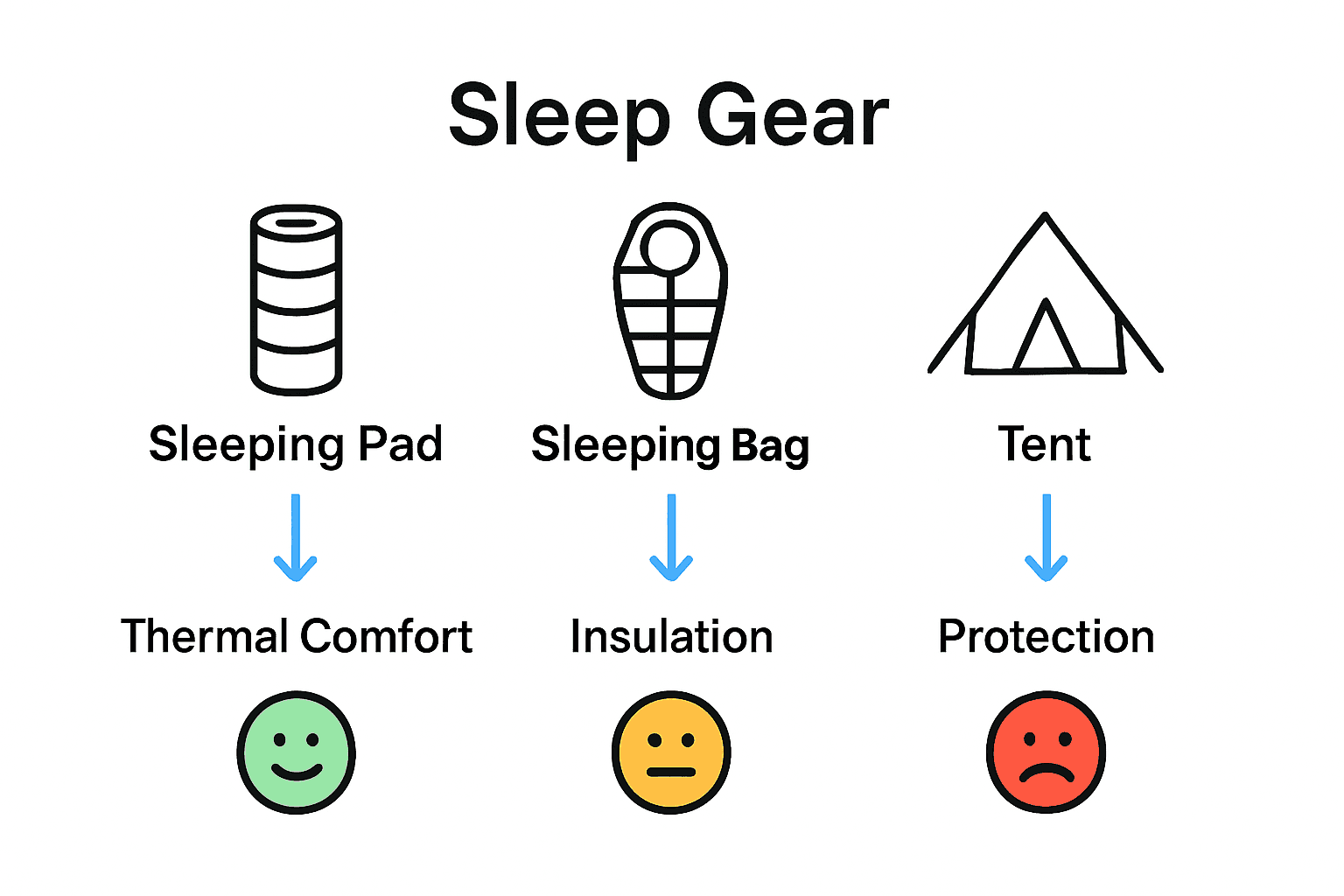
Essential camping sleep gear includes:
- Memory foam sleeping pad for ground insulation and comfort
- Lightweight, temperature-rated sleeping bag
- Compact, moisture-resistant pillow
- Insulating sleeping liner
- Compact tent with good ventilation
- Waterproof ground cloth
- Noise-canceling earplugs
- Breathable, moisture-wicking sleepwear
To maximize your outdoor sleeping potential and discover comprehensive strategies for gear selection, explore our 8 Essential Tent Camping Must-Haves guide. These carefully curated recommendations will help you build a personalized sleep system tailored to various camping environments.
Remember, great camping sleep isn’t about packing everything but selecting multifunctional, high-performance gear that addresses your specific outdoor sleeping challenges. Invest wisely, and your wilderness nights will become something to look forward to.
Tips to Optimize Overnight Comfort Outdoors
Creating a comfortable sleeping environment while camping requires strategic planning and a deep understanding of how outdoor conditions impact rest. Overnight comfort isn’t just about physical gear, but about adapting to nature’s unique challenges and opportunities. Research highlights that factors like temperature, physical exertion, and noise profoundly influence sleep quality during outdoor adventures.
The mental and physiological benefits of optimizing your camping sleep extend far beyond mere rest. Increased oxygen intake, sunlight exposure, and physical activity contribute to hormonal balance and overall well-being. By thoughtfully approaching your overnight comfort, you’re not just preparing for sleep, but enhancing your entire outdoor experience.
Key strategies for maximizing overnight comfort include:
- Select a campsite with natural wind protection
- Use a sleeping pad with proper insulation
- Layer clothing for temperature regulation
- Create a consistent bedtime routine
- Minimize electronic device usage
- Practice relaxation techniques before sleeping
- Maintain proper hydration levels
- Wear moisture-wicking sleepwear
To dive deeper into creating the ultimate camping sleep experience, explore our 7 Essential Camping Comfort Tips that offer comprehensive guidance for outdoor enthusiasts. These insights will help transform potentially challenging nights into restorative, enjoyable experiences.
Remember, comfort is a personal journey. What works for one camper might not work for another, so be prepared to experiment and adapt your approach with each outdoor adventure.
Elevate Your Camping Sleep Experience with the Right Gear
If you’ve read the Complete Guide to Sleep Quality When Camping, you know that factors like thermal comfort, ground support, and noise disruptions can make or break your night under the stars. The struggle to find restful sleep outdoors is real but completely solvable with thoughtful gear that supports your body and mind. Don’t let uncomfortable surfaces or chilly nights keep you from waking up refreshed and ready for adventure.

Discover how Hazli Collection can help you overcome common camping sleep challenges. Our selection of high-quality memory foam mattresses and outdoor essentials focus on comfort, durability, and practical solutions designed specifically for outdoor enthusiasts. Take control of your camping sleep quality today by exploring our premium collection at https://hazlicollection.com and check out the 7 Essential Outdoor Sleep Solutions List for tips on crafting your perfect sleep setup. Your next great night’s sleep is just a click away.
Frequently Asked Questions
What factors affect sleep quality while camping?
Sleep quality while camping is influenced by multiple factors including thermal comfort, environmental stability, ground surface conditions, temperature fluctuations, ambient noise, and personal comfort adaptations.
How can I improve my sleep while camping?
To enhance your camping sleep experience, select a campsite that offers natural wind protection, use proper insulation gear like sleeping pads and bags, layer your clothing for temperature regulation, and minimize electronic device usage.
What essential gear should I consider for better sleep during camping trips?
Key camping sleep gear includes a memory foam sleeping pad, a temperature-rated sleeping bag, moisture-resistant pillows, insulating sleeping liners, and a compact tent with good ventilation.
How does camping affect my circadian rhythm?
Camping can help reset your circadian rhythm by exposing you to natural light cycles, which can lead to earlier sleep onset and improved overall sleep quality due to the alignment of your sleep-wake cycles with nature.
Recommended
- How to Improve Camp Sleep Naturally for Outdoor Comfort – Hazli Collection
- 7 Essential Camping Comfort Tips for a Restful Outdoor Stay – Hazli Collection
- Camp Bedding Organization Guide: Optimize Your Outdoor Comfort – Hazli Collection
- 7 Camping Comfort Hacks for a Great Outdoor Experience – Hazli Collection