

Every American camper knows that finding a good night’s sleep under the stars can make or break an outdoor adventure. With over 40 million Americans camping each year, the demand for flexible and comfortable bedding is higher than ever. Portable bedding has become an essential part of outdoor life, offering lightweight comfort for campers, travelers, and families who want reliable rest wherever their journey leads.
Table of Contents
- What Portable Bedding Means
- Portable Bedding Types Explained
- How Portable Bedding Keeps You Comfortable
- Choosing Portable Bedding That Works
- Maintaining And Storing Portable Bedding
Key Takeaways
| Point | Details |
|---|---|
| Portable Bedding Essentials | Portable bedding is designed for outdoor enthusiasts, offering lightweight, compact sleeping solutions like sleeping bags and inflatable mattresses for comfort in diverse environments. |
| Selecting the Right Bedding | Choose bedding based on specific outdoor conditions. Consider temperature ratings, weight, and personal sleeping preferences to ensure optimal comfort and performance. |
| Maintaining Your Bedding | Regular cleaning and proper storage are crucial for preserving the lifespan of portable bedding. Use appropriate washing techniques and avoid compression during storage. |
| Testing Before Use | Always test your portable bedding setup at home before heading outdoors to ensure comfort, fit, and familiarity with assembly and packing. |
What Portable Bedding Means
Portable bedding represents a flexible sleeping solution designed for travelers, campers, and outdoor enthusiasts who need comfortable rest beyond traditional bedroom settings. At its core, portable bedding is lightweight, compact sleeping equipment that can be easily transported and quickly deployed in various environments. A bedroll is technically a portable roll of bedding that allows individuals to create a comfortable sleeping space wherever their adventure takes them.
Typically, portable bedding includes items like sleeping bags, lightweight quilts, inflatable mattresses, and compact blankets that can be rolled, compressed, or folded into small packages. A sleeping bag functions as an insulated covering that closes with a zipper to form a tube, providing warmth and protection in outdoor settings. These solutions are engineered to be lightweight, resilient, and adaptable to different terrains and weather conditions.
The concept of portable bedding goes beyond simple sleeping gear. It represents a modular approach to rest that prioritizes mobility, comfort, and convenience. Outdoor enthusiasts appreciate portable bedding because it allows them to maintain personal comfort standards while exploring remote locations, camping, backpacking, or traveling. Modern portable bedding often incorporates advanced materials like moisture-wicking fabrics, thermal insulation, and compact design elements that make transportation and setup incredibly simple.
Pro Tip: Always test your portable bedding setup at home before your outdoor trip to ensure proper fit, comfort, and familiarity with how it assembles and packs away.
Portable Bedding Types Explained
Portable bedding encompasses a diverse range of sleeping solutions designed to meet different outdoor comfort needs. Sleeping bags represent a primary category of insulated coverings engineered for outdoor sleeping, providing essential warmth and thermal protection through advanced synthetic or down fill materials. These versatile sleeping systems range from lightweight summer models to heavy-duty winter designs, each tailored to specific environmental conditions and user requirements.
Another critical portable bedding type includes inflatable sleeping platforms. Air mattresses are flexible, portable beds constructed from PVC or rubber materials, offering users the ability to create a comfortable sleeping surface in remote locations. These mattresses provide significant advantages like adjustable firmness, compact storage, and rapid inflation mechanisms that make them ideal for camping, backpacking, and emergency preparedness scenarios.
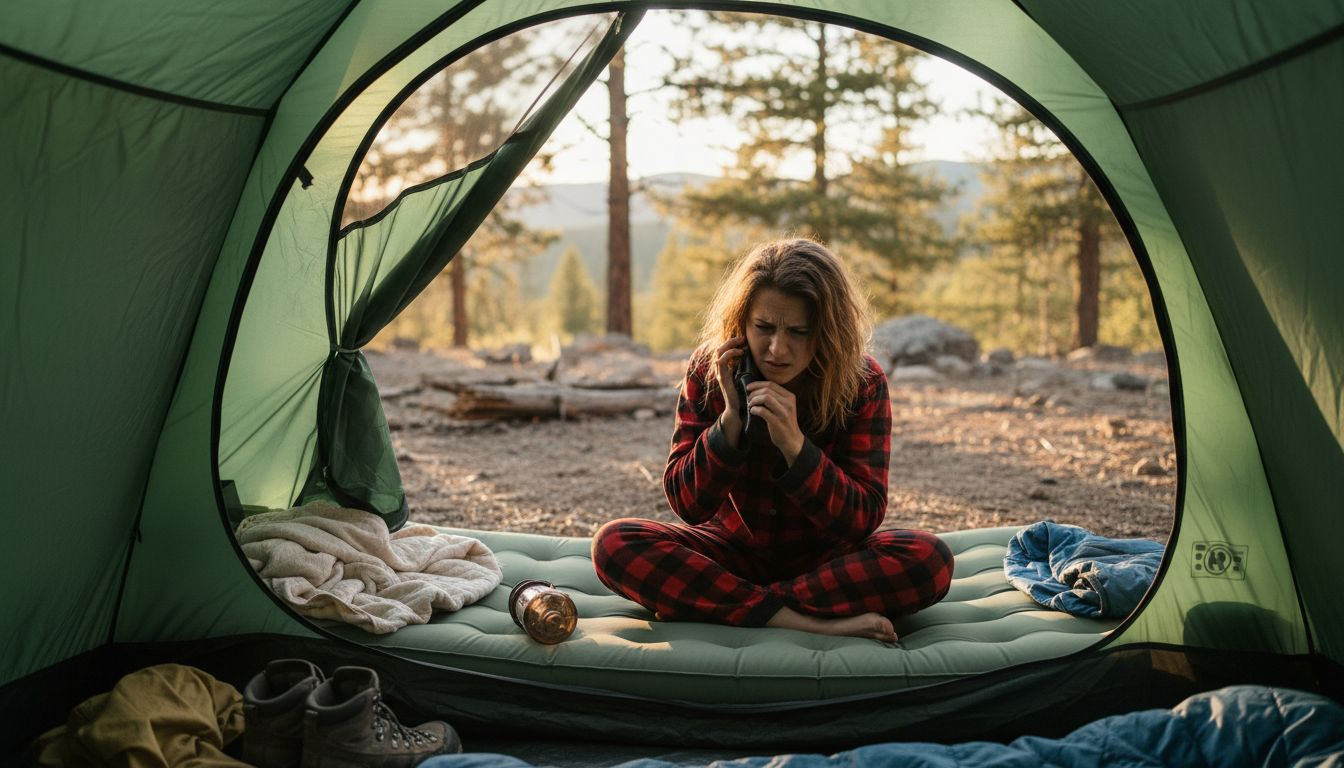
Beyond sleeping bags and air mattresses, portable bedding also includes innovative options like lightweight camping quilts, self-inflating sleeping pads, hammock sleeping systems, and compact thermal blankets. Each type addresses unique comfort challenges for outdoor enthusiasts. Ultralight backpackers might prefer minimalist quilts, while car campers could opt for more substantial inflatable mattresses with built-in pumps. Modern portable bedding technologies incorporate advanced materials like moisture-wicking fabrics, thermal reflective linings, and ergonomic designs that prioritize both comfort and practicality.
Pro Tip: Always match your portable bedding selection to your specific outdoor environment, considering factors like temperature range, humidity levels, and anticipated terrain to ensure optimal comfort and performance.
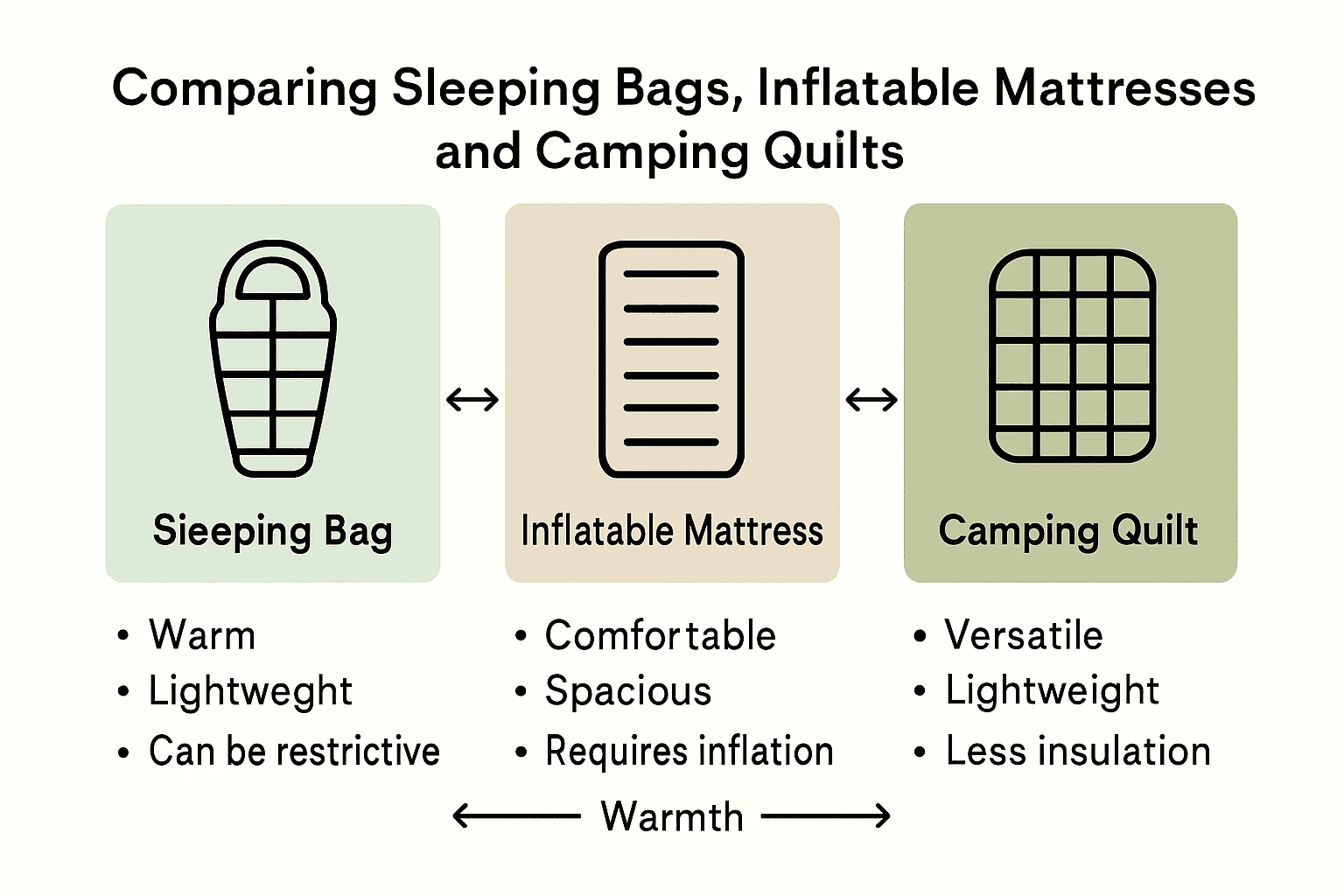
To help you identify the best portable bedding for your needs, here is a comparison of popular options:
| Bedding Type | Best For | Key Advantage | Typical Downsides |
|---|---|---|---|
| Sleeping Bag | Backpacking, camping | High warmth-to-weight ratio | Can feel restrictive |
| Inflatable Mattress | Car camping, guests | Adjustable firmness | Needs pump, risk of punctures |
| Camping Quilt | Ultralight backpacking | Lightweight, versatile | Less warmth in cold |
| Self-Inflating Pad | Hikers, campers | Easy setup, good insulation | Bulkier than basic pads |
| Thermal Blanket | Emergencies, layering | Ultra-compact, quick warmth | Minimal cushioning |
How Portable Bedding Keeps You Comfortable
Sleeping bags provide critical warmth and thermal insulation through sophisticated design elements that protect users from challenging outdoor environments. These advanced sleeping systems create a personal microclimate that shields the body from temperature fluctuations, wind, moisture, and uneven ground surfaces. By trapping body heat and creating a protective barrier, portable bedding transforms potentially uncomfortable outdoor sleeping scenarios into restful experiences.
Temperature regulation stands as the primary mechanism by which portable bedding ensures comfort. Advanced materials like synthetic insulation and down filling work dynamically to maintain consistent body temperature. Air mattresses contribute to comfort through their ability to offer adjustable firmness, allowing users to customize their sleeping surface to match personal preferences and terrain conditions. This adaptability means sleepers can fine-tune their bedding to provide optimal support and cushioning in diverse outdoor settings.
Psychological comfort plays an equally important role in portable bedding design. Beyond physical warmth, these sleeping solutions create a sense of security and personal space in unfamiliar environments. Innovative portable bedding technologies incorporate features like draft collars, hood designs, and ergonomic shapes that make outdoor sleeping feel more like a home-like experience. Moisture-wicking fabrics, breathable materials, and strategic insulation placement all contribute to a comprehensive comfort strategy that addresses both physical and emotional needs of outdoor sleepers.
Pro Tip: Invest in a portable bedding system with layering capabilities, allowing you to adjust warmth levels by adding or removing components based on changing environmental conditions.
Choosing Portable Bedding That Works
When selecting a sleeping bag, several critical factors determine its effectiveness and suitability for your outdoor adventures. Temperature rating stands as the most crucial consideration, with different bags designed for specific climate ranges from summer lightweight models to extreme cold-weather expeditionary gear. Outdoor enthusiasts must carefully match their sleeping bag’s insulation type and thermal properties to anticipated environmental conditions, ensuring protection against potential temperature fluctuations.
The physical characteristics of portable bedding play an equally important role in selection. Weight, packed size, and material composition directly impact portability and performance. Air mattress selection involves evaluating material durability, inflation mechanisms, and overall size, ensuring the sleeping surface meets both comfort and transportation requirements. Backpackers might prioritize ultralight options with minimal pack volume, while car campers can opt for more substantial, feature-rich sleeping platforms that provide enhanced cushioning and support.
Beyond technical specifications, personal sleeping preferences and intended use significantly influence portable bedding selection. Different outdoor activities demand specialized bedding solutions. Mountaineering requires high-performance thermal protection, while casual camping allows for more flexible choices. Advanced portable bedding technologies now incorporate innovative features like moisture-wicking fabrics, ergonomic designs, and modular construction that enable users to customize their sleeping experience. Waterproof outer shells, integrated draft collars, and strategically placed insulation zones represent modern engineering approaches to maximizing comfort in challenging outdoor environments.
Pro Tip: Always test your portable bedding setup at home before your outdoor trip to understand its features, ensure proper fit, and identify any potential comfort adjustments needed for your specific sleeping style.
Maintaining And Storing Portable Bedding
Proper sleeping bag maintenance involves a systematic approach to preserving its performance and longevity. Regular cleaning and careful storage are essential to preventing material degradation, maintaining thermal insulation properties, and ensuring your portable bedding remains reliable for future outdoor adventures. Different materials like down and synthetic fills require unique care strategies, with gentle washing techniques and specific drying protocols that protect the bedding’s structural integrity.
Cleaning techniques vary depending on the portable bedding type. Synthetic sleeping bags can typically withstand machine washing on gentle cycles, while down-filled models often require specialized cleaning solutions and hand washing. Moisture management represents a critical aspect of maintenance, as residual dampness can lead to mildew, odor development, and potential insulation breakdown. Air mattress care demands regular leak inspections and proper storage in cool, dry environments to prevent material fatigue and potential punctures. Careful handling and storage practices can significantly extend the functional lifespan of your portable bedding equipment.
Storage conditions play a pivotal role in preserving portable bedding quality. Compression and prolonged tight storage can permanently damage insulation lofting capabilities, particularly in down-filled sleeping bags. Experts recommend storing sleeping bags and air mattresses in large, breathable storage sacks that allow natural air circulation and prevent material stress. Temperature-controlled environments away from direct sunlight, extreme heat, and humidity help maintain the structural and thermal properties of portable bedding materials. Advanced portable bedding technologies now incorporate materials designed for enhanced durability and easier maintenance, reducing the complexity of long-term care.
Pro Tip: Create a dedicated storage area for your portable bedding that maintains consistent temperature and humidity, using breathable storage bags that prevent material compression while protecting against dust and potential environmental damage.
Here is a summary of practical maintenance steps for common portable bedding types:
| Bedding Type | Cleaning Approach | Storage Recommendation |
|---|---|---|
| Down Sleeping Bag | Hand wash with mild soap | Store uncompressed in large bag |
| Synthetic Sleeping Bag | Machine wash, gentle cycle | Dry thoroughly before storing |
| Inflatable Mattress | Wipe with soapy water | Keep deflated in cool, dry space |
| Camping Quilt | Spot clean or gentle wash | Store loosely, avoid compression |
Discover Lasting Comfort with Portable Bedding Solutions from Hazli Collection
The challenge of finding portable bedding that balances durability, warmth, and ease of transport is real for every outdoor enthusiast. This article highlights key concerns like temperature regulation, weight, and quick setup—issues that can turn your adventure into a restless night. At Hazli Collection, we understand these pain points and offer high-quality memory foam mattresses and outdoor gear engineered for dependable comfort and practical use. Our products are designed to help you create a personalized sleep system that adapts perfectly to changing environments and sleeping preferences.

Explore the Hazli Collection today and experience the difference of thoughtfully crafted outdoor bedding. Don’t settle for restrictive or bulky gear when you can upgrade your outdoor sleep with lightweight, supportive options that enhance warmth and comfort. Visit us now and take the first step toward transforming your outdoor sleep experience with trusted solutions tailored just for you.
Frequently Asked Questions
What is portable bedding?
Portable bedding refers to lightweight and compact sleeping solutions designed for travelers, campers, and outdoor enthusiasts, allowing for comfort in various environments.
What are the different types of portable bedding?
Types of portable bedding include sleeping bags, inflatable mattresses, camping quilts, self-inflating pads, and thermal blankets, each catering to different outdoor comfort needs.
How does portable bedding maintain comfort in outdoor settings?
Portable bedding maintains comfort by using advanced materials for insulation, providing temperature regulation, adjustable firmness, and features that create a sense of security and personal space in unfamiliar environments.
What factors should I consider when choosing portable bedding?
When selecting portable bedding, consider temperature ratings, weight, packed size, material composition, and how well the bedding suits your specific outdoor activities and personal sleep preferences.
Recommended
- 7 Outdoor Sleeping Arrangement Ideas for Ultimate Comfort – Hazli Collection
- 7 Essential Outdoor Sleep Solutions List for Comfort – Hazli Collection
- 7 Essential Examples of Outdoor Sleep Solutions – Hazli Collection
- Camp Bedding Organization Guide: Optimize Your Outdoor Comfort – Hazli Collection
- Does collagen help with sleep?