

By The Hazli Family — Peter & Louise · Reviewed June 2026
Quick answer: Outdoor sleeping comfort comes from three things — thermal regulation, physical support, and a relaxed mind. Choose a sleeping surface with an R-value matched to the season, add memory foam for pressure relief on uneven ground, pitch on flat debris-free ground, and layer bedding so you can adjust warmth through the night.
Every American camper knows that a good night’s rest outdoors can be surprisingly elusive. The difference between waking up refreshed or sore often comes down to more than just weather. Research shows that temperature, support, and even personal habits directly affect sleeping comfort under the stars. With so many gear options and variables at play, learning how to achieve real outdoor sleeping comfort can make all the difference for your next adventure.
Table of Contents
- Defining Outdoor Sleeping Comfort
- Comparing Sleeping Pad Types
- Memory Foam Mechanics Outdoors
- Insulation And Thermal Performance
- Comfort Setup And Maintenance
Key Takeaways
| Point | Details |
|---|---|
| Outdoor Sleeping Comfort | It involves achieving a restorative experience through thermal regulation, physical support, and psychological relaxation in nature. |
| Sleeping Pad Selection | Choose sleeping pads based on insulation ratings, weight, and intended use to maximize comfort and performance during outdoor adventures. |
| Memory Foam Advantages | Memory foam adapts to body contours, offering customized support and alleviating pressure points, enhancing outdoor sleeping experiences. |
| Thermal Performance Importance | Effective insulation and proper setup are essential for maintaining warmth and comfort while adapting to environmental changes. |
Defining Outdoor Sleeping Comfort
Outdoor sleeping comfort represents more than just finding a flat surface to rest. It’s a complex interaction between environmental conditions, personal physiology, and strategic gear selection that determines how well you’ll recuperate during outdoor adventures. Understanding this concept goes beyond basic survival—it’s about creating a restorative experience that connects you with nature while ensuring your body remains relaxed and supported.
Scientific research reveals fascinating insights into thermal comfort during outdoor experiences. Probabilistic thermal comfort frameworks demonstrate that outdoor sleeping comfort involves intricate interactions between meteorological data, urban morphology, and individual physiological responses. These studies indicate that comfort isn’t universal but depends on multiple environmental and personal factors such as temperature, humidity, wind conditions, and individual thermal adaptation.
Comfort in outdoor sleeping environments fundamentally involves three critical dimensions: thermal regulation, physical support, and psychological relaxation. Thermal regulation means maintaining an optimal body temperature despite external environmental fluctuations. Physical support requires selecting appropriate sleeping surfaces that minimize pressure points and provide adequate spinal alignment. Psychological relaxation involves creating a sense of security and calm that allows your mind to transition from daytime alertness to restful sleep. Field surveys examining outdoor thermal experiences highlight how individual factors like gender and previous thermal exposure significantly influence perceived comfort.
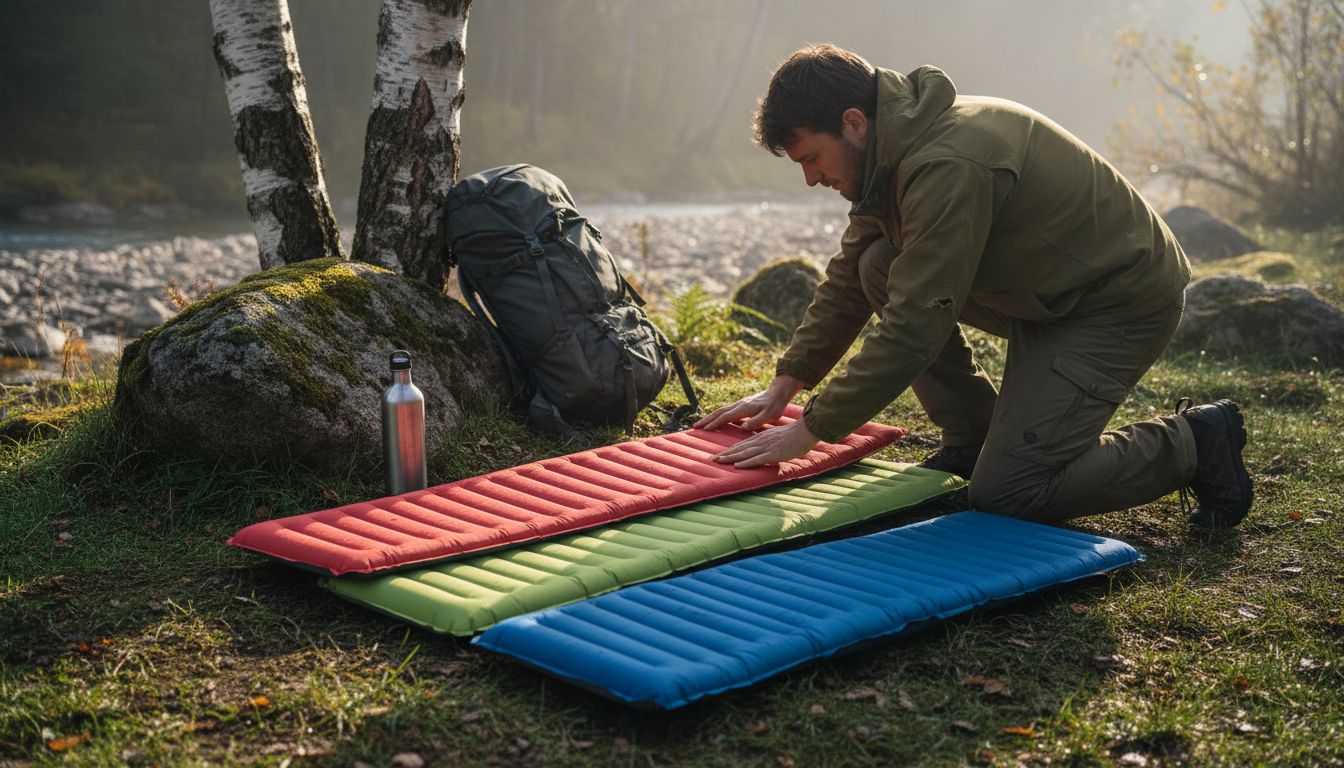
Creating optimal outdoor sleeping comfort demands strategic preparation. Key considerations include selecting appropriate sleeping gear that matches expected environmental conditions, understanding your personal temperature preferences, and developing techniques to mitigate potential discomfort. Essential outdoor sleep solutions can help adventurers transform challenging outdoor environments into peaceful, rejuvenating sleeping spaces. By approaching outdoor sleeping as a holistic experience rather than a mere survival challenge, you can transform your nights under the stars into truly memorable and restful experiences.
Comparing Sleeping Pad Types
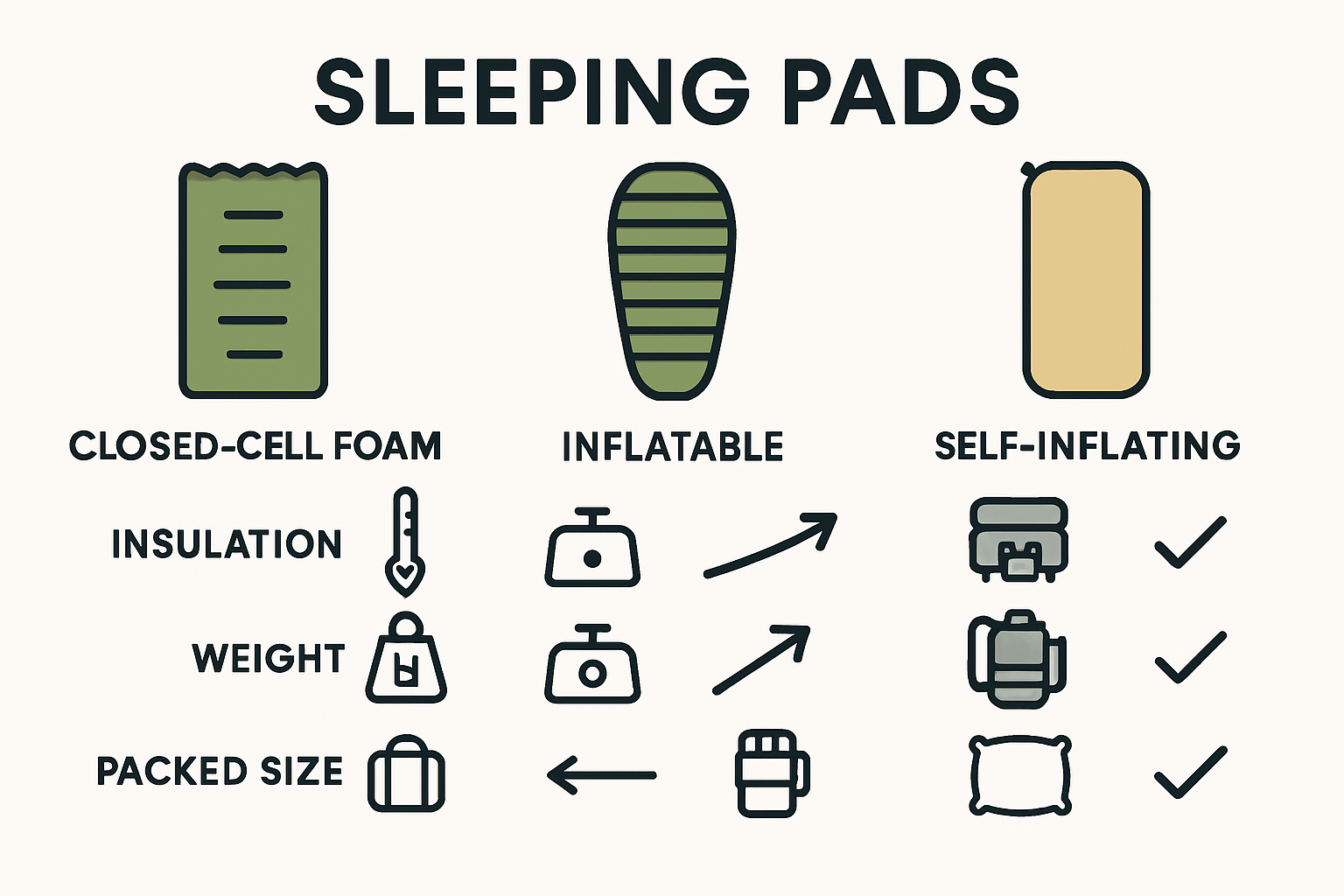
Sleeping pad selection represents a critical decision for outdoor enthusiasts, with each type offering unique advantages and performance characteristics. From closed-cell foam to inflatable air pads, the range of options can significantly impact your outdoor sleeping experience. Understanding the nuanced differences helps adventurers make informed choices that balance comfort, weight, durability, and insulation.
Closed-cell foam pads represent the most traditional sleeping pad option. These lightweight, ultra-durable mats provide consistent insulation and cannot be punctured, making them ideal for rugged environments. They typically feature a compact design that can be easily strapped to backpacks. Comparative mattress research suggests that material composition plays a crucial role in pressure distribution and comfort, a principle equally applicable to outdoor sleeping pads.
Inflatable and self-inflating pads offer more advanced comfort solutions. Inflatable pads pack down incredibly small and provide superior cushioning, with some models featuring internal insulation layers that enhance thermal performance. Self-inflating pads combine foam’s reliability with air’s adaptability, using open-cell foam that expands when the valve is opened. Memory foam and air mattress comparisons reveal that modern outdoor sleeping technology continues to evolve, providing increasingly sophisticated options for comfort-conscious adventurers.
When selecting a sleeping pad, consider key factors like insulation rating (R-value), packed size, weight, thickness, and intended environment. Ultralight backpackers might prioritize minimalist closed-cell foam pads, while car campers could opt for thicker, more luxurious inflatable options. Some advanced sleeping pads now integrate innovative materials that provide superior thermal regulation and pressure distribution, transforming outdoor sleeping from a basic necessity to a genuinely comfortable experience.
Memory Foam Mechanics Outdoors
Memory foam represents a revolutionary sleeping technology that transforms outdoor comfort by adapting uniquely to individual body contours and environmental conditions. Originally developed by NASA for spacecraft seating, this viscoelastic material has become a game-changer for outdoor enthusiasts seeking superior sleeping experiences in challenging terrain. Its ability to redistribute body weight and provide customized support makes it an exceptional choice for campers and adventurers looking to minimize physical strain during outdoor activities.
High-specification foam mattress research reveals the intricate mechanical properties that make memory foam so effective at preventing pressure points and enhancing comfort. The material’s unique cellular structure allows it to respond dynamically to body heat and pressure, gradually molding to the sleeper’s shape and then slowly returning to its original form when pressure is removed. This characteristic proves particularly beneficial in outdoor settings where uneven ground and temperature variations can significantly impact sleeping comfort.
The performance of memory foam in outdoor environments depends on several critical factors. Temperature sensitivity plays a crucial role, with some formulations performing better in specific climate conditions. Dense memory foam variants offer superior insulation, trapping body heat and providing warmth in cooler nighttime temperatures. Outdoor sleeping arrangement innovations have demonstrated how strategic memory foam implementation can dramatically improve camping comfort, addressing challenges like ground irregularities and temperature fluctuations.
Outdoor memory foam sleeping solutions require careful consideration of weight, packability, and environmental resilience. Modern lightweight memory foam options designed specifically for camping compress efficiently, making them practical for backpackers and travelers. Some advanced models incorporate moisture-wicking and antimicrobial technologies, addressing concerns about humidity and bacterial growth in outdoor environments. By understanding the mechanical properties and selecting appropriate memory foam products, outdoor enthusiasts can significantly enhance their sleeping experience, transforming potentially uncomfortable nights into restorative rest periods that support their adventures.
Insulation And Thermal Performance
Thermal performance represents a critical factor in outdoor sleeping comfort, directly impacting an adventurer’s ability to rest and recover in challenging environments. Effective insulation goes beyond simply blocking cold temperatures—it involves creating a dynamic barrier that responds to changing body temperatures and external conditions. The goal is maintaining a consistent microclimate that keeps sleepers warm without causing overheating or excessive sweating.
Thermal comfort research in outdoor environments demonstrates the complex interplay between environmental factors and human physiological responses. Air temperature, wind speed, humidity, and ground temperature all contribute to an individual’s perceived warmth. Outdoor sleeping systems must account for these variables, utilizing materials and design strategies that provide adaptive thermal regulation. Insulation layers work by trapping small pockets of air that create a protective barrier between the body and the cold external environment.
Cold climate thermal comfort studies reveal that wind speed dramatically influences thermal perception, making windproof outer layers as crucial as internal insulation. Sophisticated outdoor sleeping gear incorporates multiple insulation strategies, including reflective materials that redirect body heat, moisture-wicking fabrics that prevent dampness, and strategic layering techniques that allow users to adjust their thermal protection. Advanced sleeping pads and bags now feature integrated technologies like synthetic or down insulation with varying fill powers, enabling precise temperature management across different outdoor scenarios.
Choosing the right insulation requires understanding specific environmental challenges and personal temperature preferences. Ultralight backpackers might prioritize compact, high-performance synthetic insulation, while car campers could opt for bulkier but more luxurious down-filled options. Key considerations include temperature rating, weight, compressibility, and moisture resistance. By selecting appropriate thermal technologies and understanding their mechanical properties, outdoor enthusiasts can transform potentially uncomfortable nights into restorative experiences that support their adventures and maintain optimal physical comfort.
Comfort Setup And Maintenance
Creating an optimal outdoor sleeping environment requires strategic planning and meticulous attention to detail. The foundation of a comfortable outdoor sleeping setup begins with selecting appropriate gear that matches your specific environment, body type, and personal comfort preferences. Understanding how to properly arrange and maintain your sleeping system can transform potentially challenging outdoor conditions into restful, rejuvenating experiences.
Smart heating sleeping bag research highlights the importance of innovative thermal management in outdoor sleeping systems. Proper setup involves more than simply laying out a sleeping pad and bag—it requires careful consideration of ground surface, temperature variations, and individual thermal needs. Experienced adventurers know that creating a comfortable sleeping area starts with selecting a flat, debris-free location and using protective groundsheets to prevent moisture and additional insulation from the cold ground.
Camp bedding organization strategies emphasize the importance of systematic gear preparation. Key maintenance practices include regular cleaning of sleeping bags and pads, careful storage to prevent material degradation, and strategic layering techniques that allow for temperature adaptability. Proper care involves understanding the specific maintenance requirements of different materials—down sleeping bags require different cleaning approaches compared to synthetic alternatives, and memory foam sleeping pads need protection from sharp objects and extreme temperatures.
Maintaining outdoor sleeping comfort is an ongoing process that requires adaptability and attention to detail. Adventurers should develop a systematic approach to gear preparation, including pre-trip equipment checks, proper cleaning and storage techniques, and continuous learning about new technologies and maintenance strategies. By investing time in understanding your gear and developing a comprehensive setup routine, you can ensure consistent comfort and extend the lifespan of your outdoor sleeping equipment, transforming each adventure into an opportunity for restful and rejuvenating outdoor experiences.
Experience True Outdoor Sleeping Comfort with Hazli Collection
Struggling to stay warm and supported during your nights under the stars is a common challenge for outdoor enthusiasts. This article highlights the importance of thermal regulation, physical support, and personalized gear like memory foam mattresses to overcome uneven ground, temperature fluctuations, and discomfort. Don’t let restless nights hold you back from enjoying nature’s beauty.
Discover high-quality outdoor sleeping solutions designed to enhance your comfort, improve insulation, and provide durable support at Hazli Collection. Whether you need compact memory foam pads that mold to your body contours or innovative insulation layers to tackle cold nights, we offer gear that meets those key needs.

Ready to transform your camping experience? Explore our carefully crafted products and expert tips on outdoor sleep solutions and memory foam benefits to rest better every night. Visit Hazli Collection now and take the first step toward truly restful outdoor sleep.
Frequently Asked Questions
What factors affect outdoor sleeping comfort?
Outdoor sleeping comfort is influenced by thermal regulation, physical support, and psychological relaxation. Key environmental factors include temperature, humidity, and wind conditions, which impact how well you can rest outside.
How do I choose the right sleeping pad for camping?
When selecting a sleeping pad, consider the insulation rating (R-value), packed size, weight, thickness, and your intended environment. Different types, such as closed-cell foam or inflatable pads, provide various advantages in terms of comfort and portability.
What is the role of memory foam in outdoor sleeping gear?
Memory foam adapts to your body contours, redistributing weight and minimizing pressure points. This material’s unique properties enhance comfort, particularly on uneven surfaces, making it an effective choice for outdoor sleeping solutions.
How can I maintain insulation and thermal performance while camping?
To maintain insulation and thermal performance, choose appropriate materials for your sleeping bag and pad that suit your environment. Consider layering strategies and moisture-wicking fabrics to manage temperature and humidity effectively.
Recommended
- How to Improve Camp Sleep Naturally for Outdoor Comfort – Hazli Collection
- 7 Essential Outdoor Sleep Solutions List for Comfort – Hazli Collection
- 7 Outdoor Sleeping Arrangement Ideas for Ultimate Comfort – Hazli Collection
- 7 Essential Camping Comfort Tips for a Restful Outdoor Stay – Hazli Collection