

Every year, more than 40 million american families go camping, searching for both adventure and relaxation in nature. Planning a successful trip means more than just packing a bag. It takes smart decisions about locations, timing, supplies, and safety to turn your outing into a great memory. With careful steps and a little insider knowledge, you can make the most of every moment spent under the open sky.
Table of Contents
- Step 1: Select The Ideal Campsite And Timing
- Step 2: Gather Essential Camping Gear And Comfort Items
- Step 3: Organize Meals And Plan Outdoor Activities
- Step 4: Pack Efficiently And Confirm All Supplies
- Step 5: Review Safety Measures And Finalize Your Trip
Quick Summary
| Key Insight | Explanation |
|---|---|
| 1. Choose your campsite wisely | Evaluate terrain, safety, and seasonal conditions to enhance comfort and exploration. |
| 2. Invest in quality gear | Bring essential camping gear like tents, cooking systems, and safety items for a great experience. |
| 3. Plan meals effectively | Organize simple and nutritious meals with easy preparation and consider dietary needs. |
| 4. Pack strategically | Use packing cubes, create a checklist, and ensure balanced weight distribution for ease. |
| 5. Prioritize safety measures | Share your itinerary, research local hazards, and pack a tailored first aid kit and emergency devices. |
Step 1: Select the Ideal Campsite and Timing
Choosing the perfect campsite can make or break your outdoor adventure. By carefully evaluating location and timing, you set the stage for an incredible camping experience that balances comfort and exploration.
According to the U.S. Forest Service, selecting an appropriate campsite requires thoughtful consideration of multiple factors. Start by assessing the terrain accessibility and safety. Look for relatively flat ground with natural protection from wind and potential hazards like dead tree branches. Aim for sites that offer a mix of shade and open areas, allowing flexibility for different activities and temperature changes throughout the day.
Timing matters significantly in campsite selection. Research seasonal conditions and plan accordingly. Summer offers longer daylight hours and warmer temperatures, while shoulder seasons like early fall provide fewer crowds and mild weather. Consider local wildlife patterns, potential precipitation, and temperature ranges when scheduling your trip. Check local park regulations and reservation requirements well in advance, especially for popular camping destinations during peak seasons.
One critical tip: Always practice Leave No Trace principles. Choose established campsites when possible, minimize your environmental impact, and avoid disturbing natural vegetation. By respecting the landscape, you help preserve these incredible outdoor spaces for future adventurers. Your next step will involve gathering the right gear to complement your carefully selected campsite.
Step 2: Gather Essential Camping Gear and Comfort Items
Preparing the right gear can transform an ordinary camping trip into an extraordinary outdoor adventure. Your equipment choices will directly impact your comfort, safety, and overall enjoyment in the wilderness.
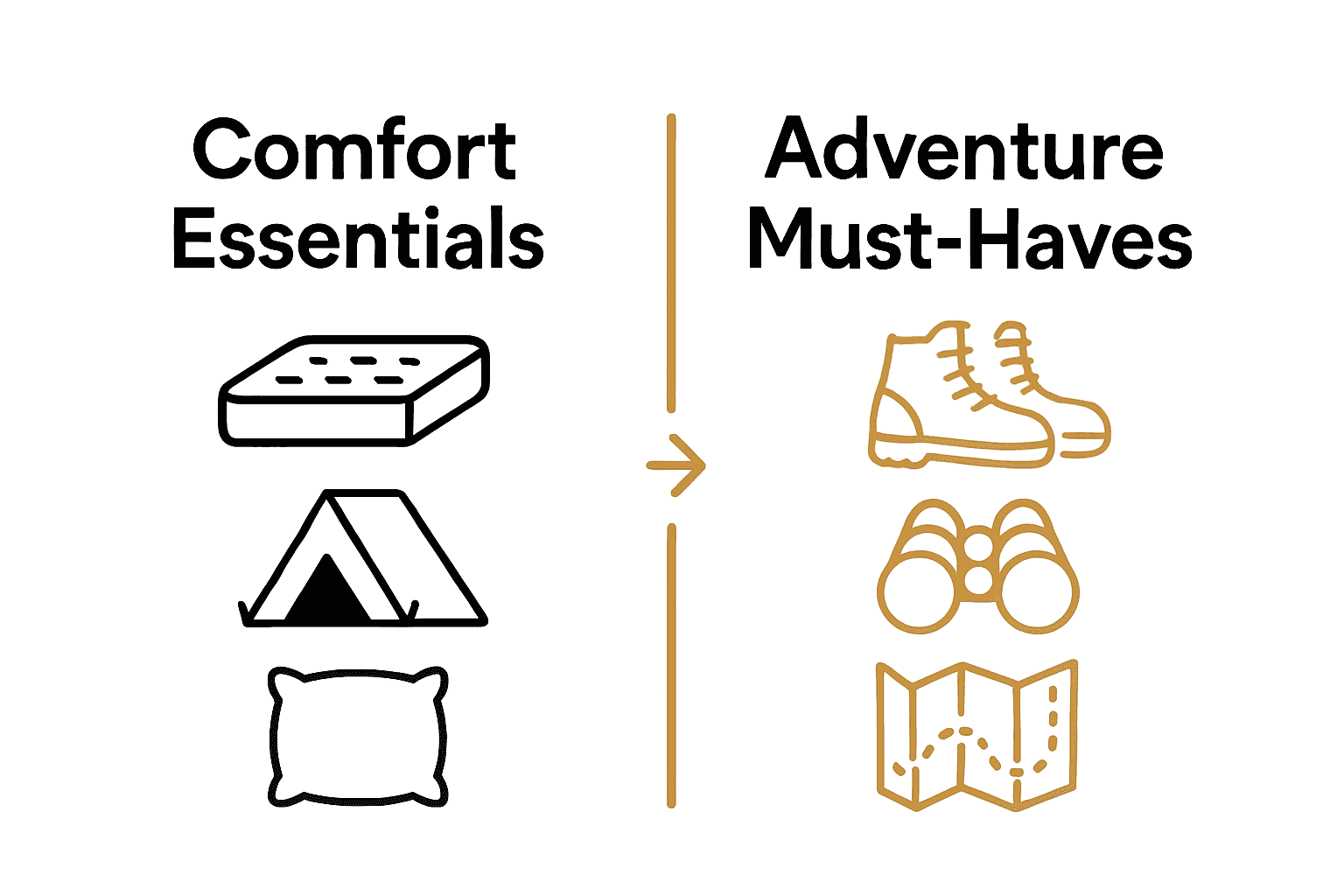
Start by focusing on key comfort essentials. Invest in a high-quality tent that provides adequate space and protection from the elements. Choose a sleeping system that includes a comfortable sleeping pad or air mattress, a well-insulated sleeping bag rated for the expected temperatures, and compact pillows. Pack versatile clothing layers that can handle temperature fluctuations and potential weather changes.
Consider your camping style and destination when selecting gear. For car camping, you can bring more luxurious items like folding chairs, larger coolers, and extra blankets. Backpackers will need ultralight equipment that balances comfort and weight. Essential items should include a reliable cooking system, water filtration method, first aid kit, headlamps, multi-tool, and emergency communication device. Always pack extra batteries, backup light sources, and a compact repair kit for unexpected equipment issues.
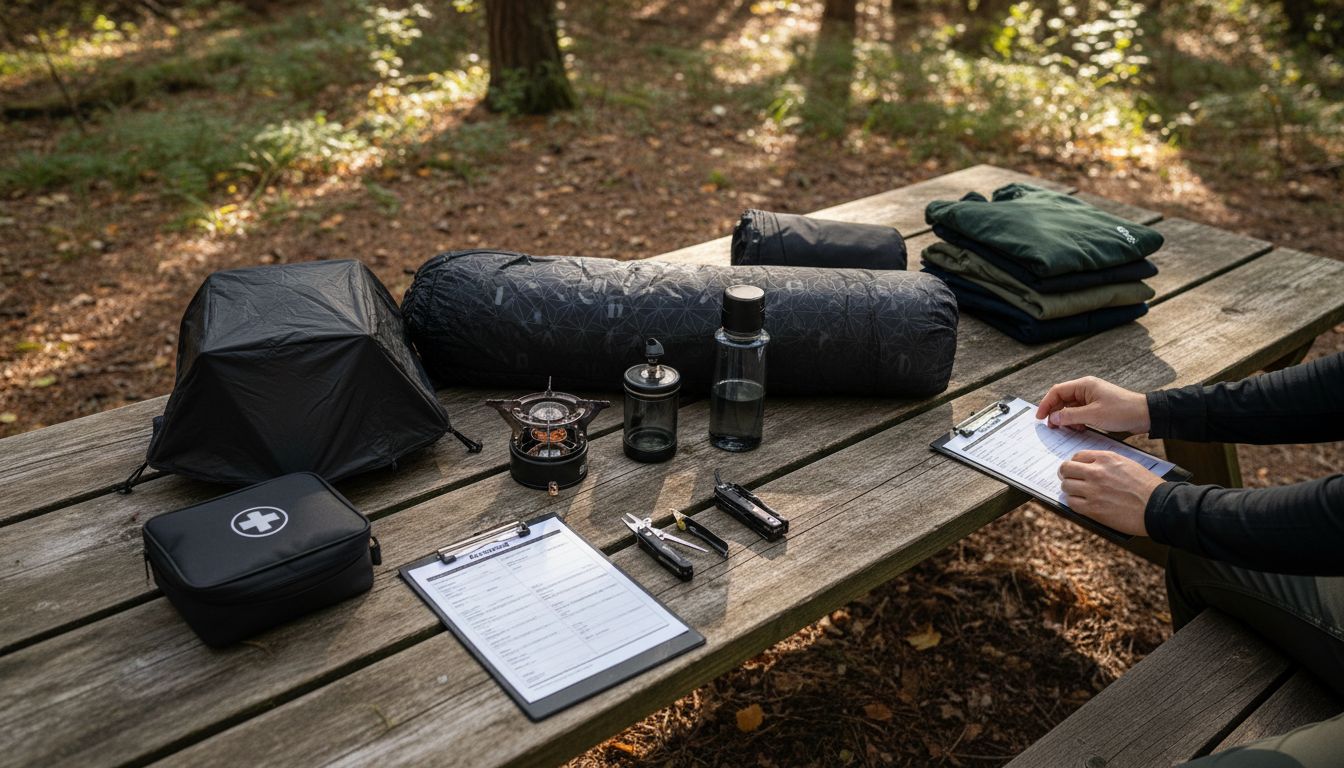
A pro tip for novice campers: Do a gear test run at home before your trip. Set up your tent, practice using your cooking equipment, and ensure all your gear functions properly. This preparation prevents frustrating surprises in the wilderness and helps you identify any missing or malfunctioning items. Your next step will involve meal planning and food preparation strategies that complement your carefully selected camping gear.
Step 3: Organize Meals and Plan Outdoor Activities
Meal planning and activity preparation are crucial elements that can elevate your camping experience from basic to extraordinary. Thoughtful preparation ensures you stay energized, entertained, and ready for memorable outdoor adventures.
Camping with children requires extra planning, and meal organization is no exception. Focus on simple yet nutritious meal options that are easy to prepare and store. Pack non perishable ingredients like trail mix, energy bars, dried fruits, and canned goods. Bring a compact camping stove with lightweight cookware for preparing hot meals. Consider meal prepping at home by creating foil packet meals or assembling ingredients in ziplock bags to minimize cooking time and cleanup at the campsite.
When planning outdoor activities, match your plans to your group’s fitness level and interests. Create a flexible itinerary that includes hiking, fishing, wildlife watching, or simply relaxing around the campfire. Pack appropriate gear for each activity such as binoculars, fishing rods, or field guides. Bring backup entertainment like card games or compact board games for downtime or inclement weather. Always include safety equipment like basic first aid kits, emergency communication devices, and extra layers of clothing. Your next step will involve understanding campsite setup and establishing a comfortable base camp for your outdoor adventure.
Step 4: Pack Efficiently and Confirm All Supplies
Effective packing is the difference between a smooth camping experience and a stressful outdoor adventure. Your goal is to pack smart, compact, and strategically to ensure you have everything you need without unnecessary weight or chaos.
When packing light for camping trips, focus on multi purpose gear and clothing layers that can be mixed and matched. Use compression bags or packing cubes to maximize space and keep items organized. Create a comprehensive checklist divided into categories like shelter equipment, cooking supplies, clothing, first aid, navigation tools, and personal items. Pack heavier items at the bottom of your backpack or vehicle storage, distributing weight evenly to maintain balance and accessibility.
Before leaving, do a final equipment check and practice the art of strategic packing. Lay out all your gear and systematically evaluate each item’s necessity and functionality. Eliminate redundant items and consider the specific conditions of your camping destination. Pack emergency backup items like extra batteries, a multi tool, and compact repair kits. Test electronic devices and ensure they are fully charged or bring appropriate charging methods.
 Your next step will involve understanding travel logistics and preparing for potential unexpected scenarios during your outdoor journey.
Step 5: Review Safety Measures and Finalize Your Trip
The final stage of camping preparation involves comprehensive safety planning and trip confirmation. Your goal is to create a robust safety strategy that ensures a secure and enjoyable outdoor experience for everyone involved.
According to the U.S. Forest Service, effective camping safety requires thorough preparation across multiple dimensions. Begin by sharing your detailed trip itinerary with a trusted contact who is not traveling with you. Include specific location details, expected return date, and emergency contact information. Research local weather forecasts and potential hazards specific to your destination. Pack emergency communication devices like satellite messengers or personal locator beacons that work in areas with limited cell coverage. Assemble a comprehensive first aid kit tailored to your group size and potential environmental risks.
Explore essential adventure camping tips to round out your safety preparations. Develop a clear emergency action plan that covers potential scenarios such as medical emergencies, sudden weather changes, or wildlife encounters. Ensure all group members understand basic wilderness safety protocols like staying together, signaling for help, and basic navigation techniques. Check and double check all critical safety equipment including first aid supplies, emergency communication devices, and backup power sources. Your preparedness will transform potential risks into manageable challenges and set the stage for an unforgettable outdoor adventure.
Elevate Your Camping Comfort and Adventure Today
Planning the perfect camping trip requires thoughtful preparation and the right gear to ensure comfort and safety. This article highlights common challenges such as selecting the ideal campsite, packing efficiently, and choosing equipment that enhances your outdoor experience. If you want to avoid restless nights and gear frustrations, focusing on high-quality sleep solutions and versatile camping accessories is essential.
Discover how Hazli Collection can help you transform your camping experience with premium memory foam mattresses and durable outdoor gear tailored for comfort and practicality. Experience the difference that well-designed sleeping systems and reliable equipment make for restful nights and energy-filled days. Don’t wait to upgrade your next adventure. Visit Hazli Collection now and start packing smarter for your best outdoor trip yet.
Frequently Asked Questions
How do I select the best campsite for my camping trip?
Choosing the best campsite involves evaluating the terrain, accessibility, and safety. Look for flat ground with natural windbreaks and a mixture of shade and open areas. Aim to select a site that adheres to Leave No Trace principles to minimize your environmental impact.
What essential camping gear should I pack for comfort and safety?
Pack a high-quality tent, a comfortable sleeping system, and versatile clothing layers for changing weather. Don’t forget a reliable cooking system, a first aid kit, and a multi-tool. Always include extra batteries and a compact repair kit to handle unexpected issues.
How can I plan meals efficiently for a camping trip?
Plan simple, nutritious meals using non-perishable ingredients that are easy to prepare, such as trail mix and canned goods. Pre-assemble meal ingredients in ziplock bags to save time and reduce cleanup while camping. Aim for a mix of hot meals and easy snacks to keep energy levels up throughout your trip.
What should I do to ensure safety during my camping adventure?
Prioritize safety by sharing your trip itinerary with a trusted contact and packing emergency communication devices. Create an emergency action plan that all group members understand, covering basic wilderness safety protocols. Always check your first aid kit and safety equipment to ensure everything is ready for unexpected situations.
How can I pack efficiently to avoid carrying unnecessary weight?
To pack efficiently, focus on multi-purpose gear and use compression bags to maximize space. Create a detailed checklist of necessary items and pack heavier items at the bottom of your backpack. Review everything before leaving, eliminating any non-essential gear to lighten your load.
Recommended
- 8 Essential Tips for Camping with Children – Hazli Collection
- 7 Camping Comfort Hacks for a Great Outdoor Experience – Hazli Collection
- 10 Essential Adventure Camping Tips for Outdoor Enthusiasts – Hazli Collection
- 8 Essential Tent Camping Must-Haves for Comfort and Safety – Hazli Collection
- How to Plan a Namibia Safari for a Luxurious Adventure - Namibia Luxury Safaris | Book Your 2025/2026 Adventure Today