

By The Hazli Family — Peter & Louise · Reviewed June 2026
Quick answer: A camping sleep hygiene workflow has five steps: pick a flat, dry campsite; set up a temperature-rated sleeping bag and insulating pad; wind down with a screen-free bedtime routine; keep your sleep area clean and dry; then track sleep quality each night and adjust layers, padding, and position as needed.
More than one in three American adults admit to struggling with sleep while camping, proving that rest is often the hardest part of outdoor adventures. Even the most beautiful campsite can leave you tossing and turning if the environment is not right. Discover how to transform any outdoor spot into a cozy retreat with strategies to maximize comfort, minimize disruptions, and wake up refreshed for your next American camping experience.
Table of Contents
- Step 1: Prepare Your Camping Sleep Environment
- Step 2: Set Up High-Quality Sleeping Gear
- Step 3: Establish a Relaxing Bedtime Routine
- Step 4: Implement Cleanliness And Comfort Practices
- Step 5: Verify Sleep Quality And Make Adjustments
Quick Summary
| Main Insight | Explanation |
|---|---|
| 1. Choose a Comfortable Campsite | Select a flat area free from rocks and moisture to ensure a good night’s sleep. |
| 2. Invest in Quality Sleeping Gear | Use a well-rated sleeping bag and an insulating sleeping pad for warmth and comfort. |
| 3. Create a Relaxing Bedtime Routine | Establish a calming wind-down period and engage in quiet activities to ease into sleep. |
| 4. Maintain Cleanliness and Comfort | Use hygiene items and manage temperature to create a pleasant sleeping environment. |
| 5. Track and Adjust Sleep Quality | Keep a journal of your sleep experiences to identify issues and make necessary adjustments. |
Step 1: Prepare Your Camping Sleep Environment
Creating a comfortable sleeping environment is crucial for restful nights in the great outdoors. Your campsite selection and preparation can significantly impact sleep quality and overall camping experience. The key is transforming your temporary outdoor space into a personal sanctuary that promotes relaxation and recovery.
Start by carefully choosing your campsite location with sleep comfort in mind. Look for a flat area free from rocks, roots, and potential water accumulation zones. When selecting an ideal campsite location, prioritize ground that provides natural cushioning and protection from environmental elements. Assess the terrain for subtle slopes or uneven surfaces that might disrupt your sleep and use a sleeping pad or camping mattress to create an additional barrier between you and the ground.
Temperature management plays a critical role in maintaining sleep comfort. Aim to create an internal tent environment around 65 to 68 degrees Fahrenheit by using appropriate sleeping bags, layers, and ventilation strategies. Consider bringing lightweight thermal blankets or moisture-wicking sleepwear that can help regulate body temperature throughout the night. Minimize potential sleep disruptions by managing ambient noise levels with earplugs or soft background sounds that can help mask unfamiliar outdoor noises.
Pro tip: Always do a campsite reconnaissance before setting up your sleeping area. Walk the potential site, remove any sharp objects, and test the ground for comfort and levelness before fully establishing your sleep setup.
Step 2: Set Up High-Quality Sleeping Gear
Preparing your sleeping gear is a critical step in ensuring a comfortable and restful camping experience. Your goal is to create a sleep setup that provides warmth, support, and protection from the ground while adapting to changing outdoor conditions.
Investing in quality sleeping equipment requires careful consideration of several key components. Start with a sleeping bag rated appropriately for the expected temperature range of your camping destination. Look for bags with temperature ratings that match the lowest anticipated nighttime temperatures, ensuring you stay warm without overheating. Pair your sleeping bag with an insulating sleeping pad that provides cushioning and creates a critical barrier between your body and the cold ground. Consider options like inflatable sleeping pads or self-inflating models that offer both comfort and thermal protection.
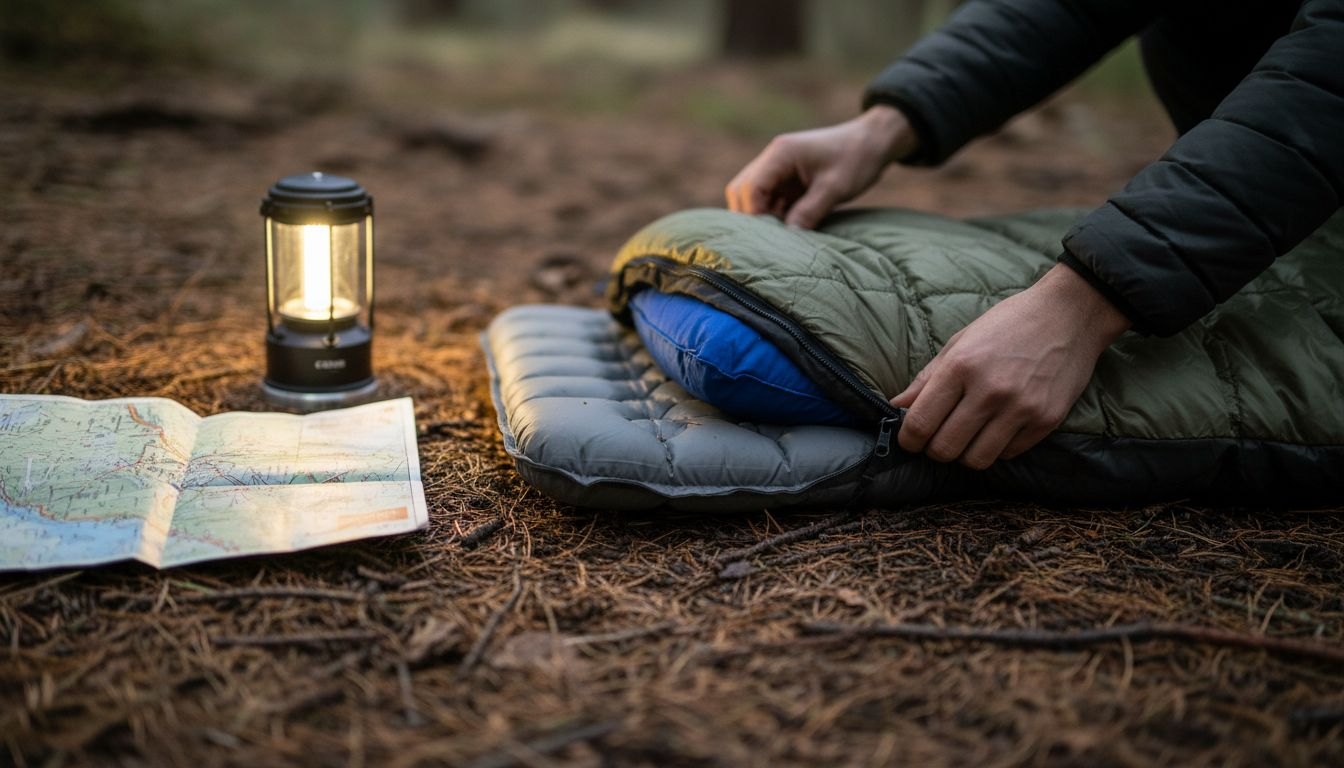
Make sure to test and familiarize yourself with your sleeping gear before your camping trip. Practice setting up your sleeping system at home to identify any potential issues with equipment fit or functionality. Pack additional layers like thermal underwear, lightweight fleece, and extra socks to create flexible temperature management options. Consider the specific environmental conditions of your camping location and adjust your gear accordingly to create a personalized sleep system that guarantees maximum comfort and rest.
Pro tip: Always pack your sleeping gear in waterproof stuff sacks or compression bags to keep them dry and protected during transport, and consider bringing a lightweight emergency blanket as a backup insulation layer.
Step 3: Establish a Relaxing Bedtime Routine
Creating a consistent and calming bedtime routine is essential for achieving quality sleep during your camping adventure. Your nighttime preparation sets the stage for restful and rejuvenating sleep, helping your body transition from the day’s activities to a state of relaxation and recovery.
Minimizing screen time and establishing a predictable routine are crucial strategies for improving sleep quality outdoors. Begin your wind-down process about an hour before bedtime by engaging in quiet activities that help your mind and body relax. Read a book, practice gentle stretching, or listen to soft ambient sounds that do not disrupt the natural outdoor environment. Avoid digital devices that emit blue light, which can interfere with your natural sleep cycle and make it harder to fall asleep.
Pay attention to your physical and mental preparation before settling into your sleeping bag. Practice deep breathing techniques to calm your nervous system, release the day’s tensions, and signal to your body that it is time to rest. Consider light journaling to process your day’s experiences or simply sit quietly and appreciate the surrounding nature. Create a small bedtime ritual that you can consistently follow on each night of your camping trip, which will help train your body to recognize sleep cues more effectively.
Pro tip: Pack a small, lightweight headlamp with a red light setting to preserve your night vision and minimize disruption to your natural sleep environment while providing gentle illumination for bedtime activities.
Step 4: Implement Cleanliness and Comfort Practices
Maintaining cleanliness and comfort during your camping trip is essential for creating an enjoyable outdoor experience. Your approach to campsite hygiene and personal care will directly impact your overall sleep quality and health while enjoying nature.
Adhering to Leave No Trace principles goes beyond environmental responsibility and plays a crucial role in your camping comfort. Start by establishing a clean sleeping area that is free from debris, rocks, and potential moisture sources. Create a dedicated zone for gear storage that keeps your sleeping space organized and prevents dirt and moisture from compromising your rest. Pack lightweight microfiber towels, biodegradable wet wipes, and hand sanitizer to maintain personal hygiene when traditional washing facilities are unavailable.
Pay special attention to your sleeping environment by managing temperature and moisture levels. Use a groundsheet or camping mat to create a barrier between your sleeping bag and the ground, protecting against dampness and uneven surfaces. Bring moisture-wicking sleepwear and extra dry socks to ensure you can change into clean, dry clothing if needed. Organize your sleeping area to minimize exposure to condensation, and consider using lightweight, breathable clothing layers that can help regulate your body temperature throughout the night.
Pro tip: Pack a small mesh bag for storing dirty clothing separately from clean items, and always keep a set of dry backup clothes in a waterproof compression sack for unexpected weather changes.
Step 5: Verify Sleep Quality and Make Adjustments
Evaluating your sleep quality during camping is an ongoing process that requires mindful observation and proactive adaptation. Understanding how your body responds to the new sleeping environment is key to ensuring restful nights and maintaining your energy levels throughout your outdoor adventure.
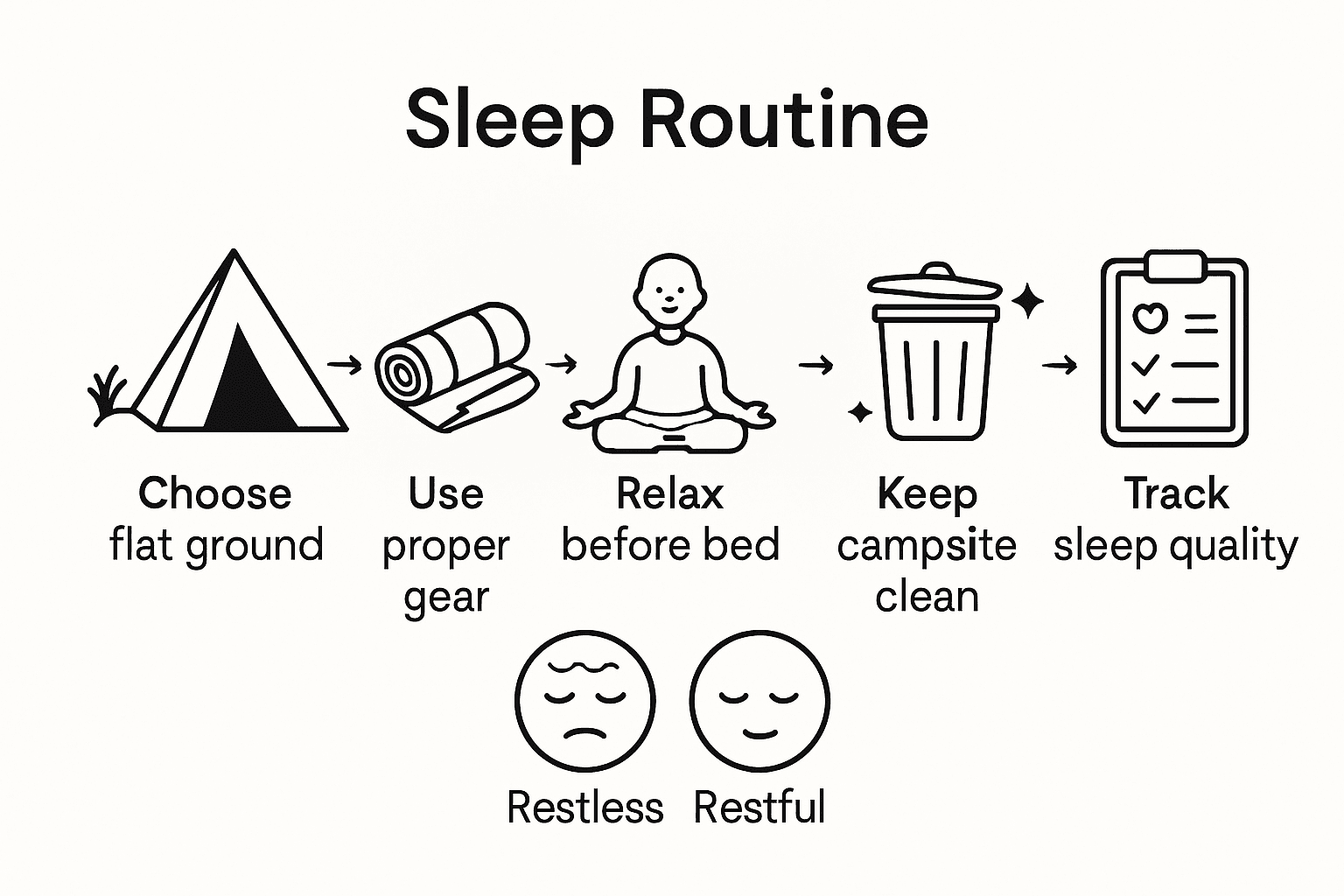
Assessing sleep disruption factors involves systematic tracking of your sleep experience. Keep a simple journal noting details like how long it took to fall asleep, number of nighttime awakenings, perceived comfort level, and overall energy upon waking. Pay attention to specific variables such as temperature, noise levels, sleeping pad comfort, and clothing warmth. Be prepared that it may take several nights to fully adapt to your camping sleep setup, so patience and consistent observation are crucial.
Start making incremental adjustments based on your observations. If you are experiencing frequent wake ups, consider modifying your sleeping pad position, adding or removing layers, or adjusting your sleeping bag configuration. Experiment with different sleeping positions, pillow arrangements, and clothing combinations to find what works best for your body in the outdoor environment. Listen to your body’s signals and be willing to make real time changes that improve your comfort and sleep quality.
Consult this quick checklist when evaluating your camping sleep setup each night:
| Checkpoint | What to Look For | Action Step |
|---|---|---|
| Sleeping gear dry and intact | No dampness or tears | Air out and inspect bags |
| Personal items organized | No clutter in sleep area | Store gear in dedicated spot |
| Body temperature comfortable | Not too hot or cold | Add/remove layers accordingly |
| Sleep surface smooth and level | No lumps or slopes | Adjust pad or campsite spot |
Here’s a summary comparing common sleep disruptors in camping and effective solutions:
| Sleep Disruptor | Typical Symptoms | Effective Solutions |
|---|---|---|
| Uneven ground | Sore back, poor sleep | Use a thick sleeping pad |
| Temperature fluctuations | Waking cold or hot | Layer clothing, ventilate tent |
| Outdoor noise | Frequent awakenings | Wear earplugs, play soft sounds |
| Dampness | Clammy skin, discomfort | Use groundsheet, dry sleepwear |
Pro tip: Use a smartwatch or sleep tracking app to provide objective data about your sleep patterns, giving you more precise insights into your nighttime rest during camping.
Elevate Your Camping Sleep Comfort with Hazli Collection
Mastering the art of camping sleep hygiene means overcoming challenges like uneven ground, temperature swings, and outdoor noise that disrupt your rest. This article highlights key pain points such as creating a comfortable sleep surface, regulating temperature, and minimizing noise to ensure deep restorative sleep outdoors. At Hazli Collection, we understand that achieving restful nights requires high-quality gear designed specifically for outdoor conditions.

Discover our premium selection of memory foam mattresses and camping accessories crafted to address issues like ground discomfort and temperature fluctuations. Enjoy better sleep with durable, supportive layers that adapt to nature’s unpredictability. Visit Hazli Collection to explore our full range of outdoor sleep solutions, learn more about selecting the right camping gear, and find products designed to transform your sleep hygiene workflow. Don’t wait until your next trip to upgrade your comfort—shop now and wake up refreshed for every adventure.
Frequently Asked Questions
How can I choose the best campsite for sleeping?
Select a flat area free from rocks, roots, and water accumulation for optimal sleep comfort. Walk the site, remove sharp objects, and ensure the ground feels even before setting up your sleeping area.
What sleeping gear should I bring for a camping trip?
Invest in a sleeping bag appropriate for the lowest expected nighttime temperatures and an insulating sleeping pad for comfort. Familiarize yourself with your gear at home, packing extra layers to adapt to temperature changes during the night.
What bedtime routine can improve my sleep while camping?
Establish a calming bedtime routine that involves activities like reading or gentle stretching about an hour before sleep. Minimize screen time and practice deep breathing to help signal your body that it’s time to rest.
How can I maintain cleanliness during my camping stay?
Pack lightweight hygiene items like biodegradable wet wipes and hand sanitizer to stay clean when washing facilities are unavailable. Create a tidy sleeping environment by organizing gear and keeping your sleep area free from debris.
What adjustments can I make to improve my sleep quality while camping?
Keep track of factors that affect your sleep, like temperature and noise, and make gradual adjustments based on your observations. If you frequently wake up, consider altering your sleeping position or the insulation layers of your sleeping system.
How do I evaluate the quality of my sleep while camping?
Keep a simple journal to track how long it takes to fall asleep, any awakenings, and your comfort level during the night. Use this information to make incremental adjustments that can enhance your sleeping conditions over time.
Recommended
- Camp Bedding Organization Guide: Optimize Your Outdoor Comfort – Hazli Collection
- How to Improve Camp Sleep Naturally for Outdoor Comfort – Hazli Collection
- 7 Essential Camping Comfort Tips for a Restful Outdoor Stay – Hazli Collection
- 7 Outdoor Sleeping Arrangement Ideas for Ultimate Comfort – Hazli Collection