

Every American camper knows that a night spent outdoors can make or break an adventure. Outdoor comfort and restful sleep depend on much more than hauling a blanket into the woods. In fact, over 80 percent of camping injuries relate to poor equipment choices, with bedding playing a bigger role than most expect. Understanding what truly makes bedding camp-ready will help you select sleep gear that keeps you dry, warm, and well-rested wherever your journey leads.
Table of Contents
- What Makes Bedding Camp-Ready
- Types of Camp-Ready Bedding Options
- Key Features for Outdoor Comfort and Safety
- Practical Tips for Choosing the Right Bedding
- Comparing Camp Bedding to Traditional Options
Key Takeaways
| Point | Details |
|---|---|
| Durability is Key | Camp-ready bedding should be made from durable, moisture-resistant materials to withstand outdoor conditions. |
| Temperature Regulation is Essential | Select bedding with effective insulation and materials that adapt to varying temperatures to enhance comfort. |
| Compact Packability Matters | Choose lightweight and compressible bedding to facilitate easy transport for camping adventures. |
| Understand Your Options | Familiarize yourself with different bedding types like sleeping bags, quilts, and pads to select the best fit for your needs. |
What Makes Bedding Camp-Ready
Camping bedding requires a strategic approach to ensure comfort, durability, and performance in unpredictable outdoor environments. The key factors that transform standard bedding into camp-ready bedding go far beyond simply grabbing a blanket and pillow from your home bedroom. Outdoor sleep systems demand specialized design features that can withstand challenging conditions while providing restful relaxation.
Durable materials represent the foundation of camp-ready bedding. Outdoor sleep gear must resist moisture, temperature variations, and potential abrasion from rough terrain. Fabrics like ripstop nylon, waterproof polyester, and technical synthetic blends offer superior performance compared to traditional home textiles. These materials provide critical protection against condensation, light rain, and ground humidity that could compromise sleeping comfort. Camp bedding organization becomes significantly easier when selecting fabrics engineered for rugged environments.
Temperature regulation emerges as another critical characteristic of camp-ready bedding. High-performance sleep systems incorporate insulating technologies that adapt to changing outdoor conditions. Lightweight sleeping bags with strategic thermal mapping, moisture-wicking inner layers, and quick-drying properties ensure campers remain comfortable across diverse temperature ranges. Breathable materials prevent excessive sweating while maintaining core body warmth, a crucial consideration for improving camp sleep naturally. Advanced insulation techniques like synthetic fill or responsibly sourced down can provide exceptional warmth-to-weight ratios, making them ideal for backpackers and minimalist outdoor enthusiasts.
Compact packability represents the final essential element of camp-ready bedding. Outdoor sleep gear must balance performance with portability, allowing adventurers to transport their comfort efficiently. Compression sacks, roll-top designs, and lightweight construction enable campers to minimize space and weight without sacrificing sleeping quality. Smart campers prioritize bedding that can be quickly compressed, easily cleaned, and rapidly deployed at each campsite. By focusing on these core attributes - durability, temperature regulation, and packability - outdoor enthusiasts can select bedding systems that transform any wilderness location into a comfortable sleeping sanctuary.
Types of Camp-Ready Bedding Options
Campers have multiple bedding options designed to meet diverse outdoor sleeping needs, each with unique characteristics tailored to specific environments and adventure styles. Understanding these variations allows outdoor enthusiasts to select the most appropriate sleep system for their particular camping scenario. Sleeping bags, camping quilts, sleeping pads, and hammock sleep systems represent the primary categories of camp-ready bedding that provide comfort and protection in wilderness settings.
Sleeping bags remain the most traditional and widely used camp bedding option. These comprehensive sleep systems come in various temperature ratings, shapes, and insulation types to accommodate different climates and personal preferences. Mummy-style bags offer maximum thermal efficiency by closely conforming to body shape, while rectangular bags provide more movement flexibility. Outdoor sleeping arrangement ideas reveal the importance of selecting bags with appropriate temperature ratings and insulation materials like synthetic or down fill, which significantly impact warmth and packability.
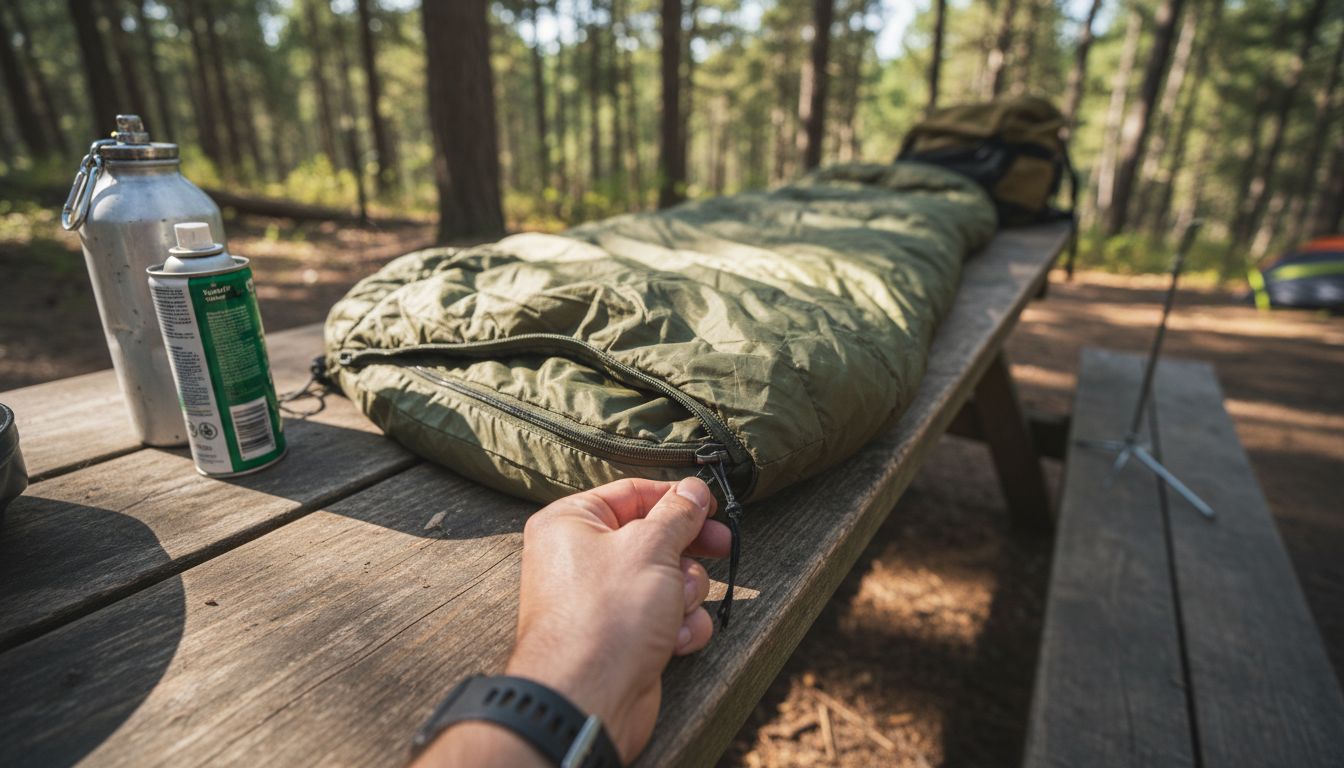
Alternative options like camping quilts have gained popularity among ultralight backpackers and minimalist campers. These versatile sleep systems offer greater temperature regulation and reduced weight compared to traditional sleeping bags. Designed with open-back constructions, quilts allow more breathability and can be easily adjusted to accommodate varying temperature conditions. Paired with appropriate sleeping pads, they provide excellent thermal protection while minimizing packed volume. Specialized designs like top quilts and under quilts cater to hammock campers, demonstrating the evolving landscape of outdoor sleep technologies.
Compact and specialized sleep systems represent the cutting edge of camp bedding innovation. Lightweight inflatable sleeping pads, integrated sleep systems with built-in insulation, and modular designs that allow layering provide campers unprecedented flexibility. Hammock sleep systems with integrated bug nets and rain flies offer complete outdoor sleeping solutions for adventurers seeking versatility. By understanding these diverse bedding options, outdoor enthusiasts can craft personalized sleep setups that balance comfort, weight, and performance across different camping environments.
Key Features for Outdoor Comfort and Safety
Outdoor bedding requires careful consideration of multiple critical features to ensure both comfort and safety during camping adventures. Thermal regulation, moisture protection, durability, and ergonomic design represent the fundamental characteristics that transform ordinary bedding into reliable outdoor sleep systems. Understanding these key features allows campers to make informed decisions that directly impact their wilderness experience and personal well-being.
Thermal performance stands as the most crucial aspect of camp-ready bedding. Proper insulation protects campers from hypothermia and temperature fluctuations in unpredictable outdoor environments. Camping comfort tips highlight the importance of selecting bedding materials that provide consistent warmth while remaining breathable. Advanced sleeping systems incorporate strategic insulation technologies that trap body heat efficiently, using materials like synthetic fills and responsibly sourced down that maintain thermal properties even in humid or wet conditions.
Moisture management represents another critical safety feature for outdoor bedding. Camping environments expose sleep systems to condensation, ground humidity, and unexpected precipitation, making water resistance paramount. Technical fabrics with moisture-wicking properties and waterproof coatings prevent dampness from compromising thermal performance and personal comfort. Innovative designs integrate breathable membranes that allow internal moisture to escape while blocking external water infiltration, creating a microclimate that keeps campers dry and comfortable.
Durability and structural integrity complete the essential features of outdoor bedding. Camping environments subject sleep systems to significant stress from rough terrain, repeated compression, and variable weather conditions. Reinforced materials, ripstop fabrics, and strategic construction techniques ensure bedding can withstand repeated use without compromising performance. Ergonomic designs that distribute body weight, provide adequate insulation from ground temperatures, and resist punctures or tears represent the pinnacle of outdoor sleep technology. By prioritizing these key features, outdoor enthusiasts can select bedding systems that transform challenging wilderness environments into comfortable, safe sleeping spaces.
Practical Tips for Choosing the Right Bedding
Selecting the ideal camp bedding requires a strategic approach that balances personal comfort, environmental conditions, and practical considerations. Outdoor sleep systems are not one-size-fits-all solutions, demanding careful evaluation of individual camping needs, physical requirements, and expected terrain challenges. Successful bedding selection involves understanding personal preferences, anticipated weather conditions, and the specific demands of your planned outdoor adventure.
Temperature rating and insulation type emerge as critical factors in bedding selection. Campers must match their sleeping system to expected environmental temperatures, considering factors like nighttime low temperatures, humidity levels, and potential weather variations. Outdoor sleep solutions emphasize the importance of choosing bedding with appropriate thermal properties that provide warmth without causing overheating. Synthetic insulation performs better in damp conditions, while down offers superior warmth-to-weight ratio in dry environments, making material selection a nuanced decision based on specific camping scenarios.
Weight and packability represent another crucial consideration for outdoor enthusiasts. Backpackers and minimalist campers require lightweight, compact sleep systems that can be easily transported without compromising comfort. Ultralight sleeping bags, compact quilts, and compression-friendly designs allow adventurers to minimize pack weight while maintaining essential sleeping performance. Advanced materials like hydrophobic down and lightweight synthetic fills enable campers to achieve an optimal balance between comfort, insulation, and portability.
Ergonomic design and personal sleeping preferences complete the bedding selection process. Factors like body shape, sleeping position, and individual temperature sensitivity influence the ideal sleep system. Some campers prefer mummy-style bags that provide maximum thermal efficiency, while others prioritize rectangular designs offering more movement flexibility. Supplementary elements like integrated draft collars, insulated hoods, and strategic baffle construction can significantly enhance overall sleeping comfort. By carefully evaluating these practical considerations, outdoor enthusiasts can select bedding that transforms wilderness sleeping from a challenge to a comfortable, restorative experience.
Comparing Camp Bedding to Traditional Options
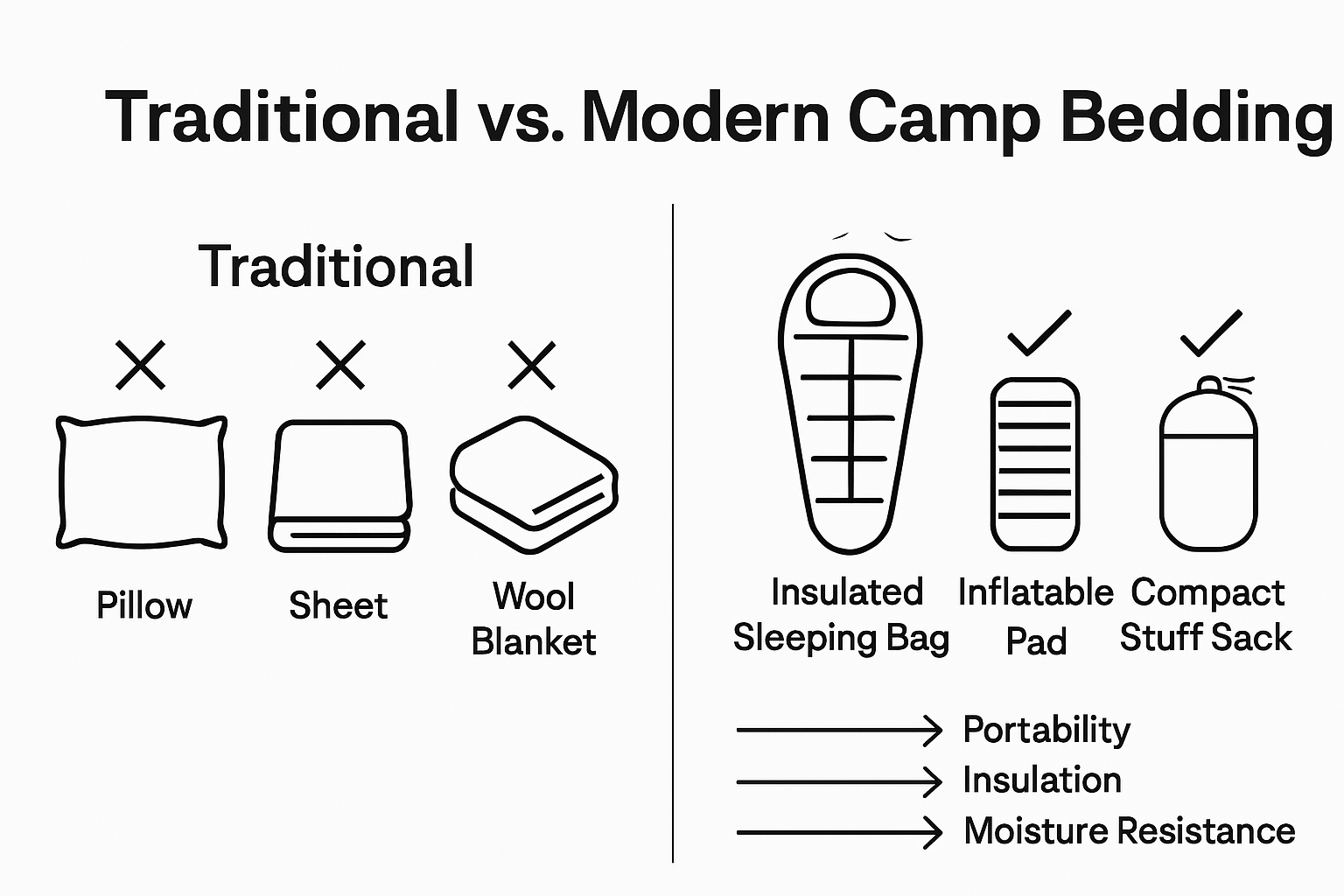
Modern camping bedding represents a significant technological leap from traditional sleeping arrangements, offering superior performance and comfort for outdoor enthusiasts. Camping sleep systems have evolved from simple blankets and ground coverings to sophisticated, engineered solutions that address the complex challenges of wilderness sleeping. Understanding the distinctions between traditional and contemporary bedding options reveals the dramatic improvements in comfort, portability, and protective capabilities.
Outdoor sleeping gear demonstrates remarkable differences in design philosophy between traditional and modern approaches. Classic bedrolls relied primarily on thick wool blankets or basic ground coverings, providing minimal insulation and protection. Contemporary camping bedding integrates advanced materials like moisture-wicking synthetic fabrics, thermal-reflective technologies, and lightweight insulation that dramatically enhance sleeping performance. Modern sleeping bags and quilts offer precise temperature ratings, compact compression capabilities, and specialized constructions that adapt to varied environmental conditions far beyond traditional blanket-based solutions.
Insulation and thermal management represent the most significant technological advancements in camping bedding. Traditional options like wool blankets and simple cotton sleeping sacks provided rudimentary warmth through basic material thickness, often resulting in uneven temperature distribution and limited moisture management. Modern camping sleep systems incorporate scientifically engineered insulation materials that maintain consistent body temperature, wick moisture away from the skin, and provide targeted warmth without excessive weight. Synthetic fills and treated down materials offer superior warmth-to-weight ratios, allowing campers to carry lighter, more compact bedding that performs exponentially better than historical alternatives.
Portability and versatility further distinguish contemporary camping bedding from traditional options. Historical outdoor sleeping arrangements required substantial space and offered minimal adaptability, often consisting of heavy, bulky materials that were challenging to transport. Modern camping sleep systems prioritize compact design, with ultralight sleeping bags and quilts that compress into small stuff sacks, enabling backpackers and minimalist travelers to carry high-performance bedding without significant weight penalties. Innovative design features like integrated draft collars, water-resistant shells, and modular layering systems provide campers unprecedented flexibility in managing sleeping comfort across diverse outdoor environments.
Elevate Your Outdoor Sleep with Camp-Ready Bedding from Hazli Collection
Finding the perfect camp bedding that delivers comfort, durability, and temperature regulation can feel overwhelming. The article highlights key challenges such as moisture protection, insulation, and packability when selecting bedding for unpredictable outdoor conditions. If you want to avoid restless nights caused by the wrong gear and instead enjoy true restful sleep on your camping trips, your bedding choice matters more than ever.
At Hazli Collection, we specialize in high-quality outdoor sleep solutions designed to tackle these exact pain points. From memory foam mattresses that provide ergonomic support to compact, durable bedding options built to withstand rugged environments, our gear is crafted for comfort and reliability. Explore our range and discover products that combine lightweight design with superior insulation and moisture resistance.

Experience the difference today by visiting Hazli Collection. Don’t settle for ordinary when your outdoor comfort can be extraordinary. Check out our outdoor sleeping gear and discover smart bedding options that will transform your camping experience. Take action now and sleep comfortably no matter where your adventure leads. Your best camp sleep starts here.
Frequently Asked Questions
What materials are best for camp-ready bedding?
Durable materials like ripstop nylon, waterproof polyester, and technical synthetic blends are ideal for camp-ready bedding, as they resist moisture and temperature variations while providing comfort.
How do I choose the right sleeping bag for camping?
When choosing a sleeping bag, consider the expected temperature ratings, insulation types (such as synthetic or down fill), and the shape (mummy or rectangular) to match your camping environment and personal preferences.
What is the importance of temperature regulation in camping bedding?
Temperature regulation is crucial for camping bedding as it helps maintain body warmth and comfort across varying outdoor conditions, preventing excessive sweating or cold exposure during the night.
How can I ensure my camping bedding is compact and portable?
Select sleeping systems that feature compression sacks, lightweight designs, and roll-top options, allowing you to minimize space and weight without compromising sleeping quality.
Recommended
- 7 Outdoor Sleeping Arrangement Ideas for Ultimate Comfort – Hazli Collection
- Camp Bedding Organization Guide: Optimize Your Outdoor Comfort – Hazli Collection
- 7 Essential Camping Comfort Tips for a Restful Outdoor Stay – Hazli Collection
- 7 Essential Examples of Outdoor Sleep Solutions – Hazli Collection
- Was macht Möbel outdoortauglich? Der komplette Leitfaden - AFUERA – outdoor steel design